How to Fish Muddy Water After Heavy Rain
You’ve been checking the forecast all week, planning your weekend fishing trip to that perfect spot, only for a sudden downpour to turn your favorite clear water into a chocolate milk shake. It’s disheartening, right? All that anticipation, potentially washed away by a few hours of heavy rain. Many anglers simply give up when they see the water looking like coffee with too much cream, assuming the fish have completely shut down. But don’t pack away your gear just yet! Fishing in muddy water after heavy rain isn't impossible; it just requires a different approach, a little more patience, and an understanding of how fish react to these drastic environmental shifts. This guide will help you navigate those murky conditions and still find success on the water.
Understanding Why Heavy Rain Makes Fishing Tough
When a heavy rain front moves through, it doesn't just add water to our rivers and lakes; it fundamentally changes the aquatic environment. From the immediate visual changes to the subtle shifts in water chemistry, fish feel it all. Knowing why these changes occur is the first step to adapting your strategy.
The Immediate Impact of Runoff and Turbidity
The most obvious effect of heavy rain is the influx of runoff. This isn't just clean rainwater; it’s a torrent carrying soil, silt, leaves, debris, and pollutants from the surrounding land into the waterways. Think about driving down a street after a storm – all that mud and leaf litter on the pavement eventually finds its way to a storm drain, and then into a creek or river. This sudden introduction of sediment dramatically increases the water's turbidity, making it cloudy and murky. Visibility drops to near zero, which is a huge challenge for fish that rely heavily on their eyesight to hunt and navigate.
Beyond just the visual aspect, this runoff can also bring significant changes in water temperature and oxygen levels. Cooler rainwater mixing with warmer lake or river water can create thermal shock for some species. Moreover, the decomposition of organic matter washed in can temporarily reduce dissolved oxygen, further stressing fish. It’s like their whole world gets a sudden, chaotic makeover, making them feel exposed and disoriented. This isn't always a bad thing for anglers, though; sometimes, this disorientation can make them more susceptible to an easy meal.
How Fish React to Sudden Changes in Their Environment
Fish are incredibly sensitive to their environment, and heavy rain triggers a cascade of behavioral changes. First and foremost, their primary senses shift. With visibility impaired, fish become less reliant on sight and more on their lateral line system (which detects vibrations) and their sense of smell. This means that subtle, visual lures might become completely ineffective. Instead, loud, vibrating lures or baits with strong natural scents will get more attention.
Secondly, fish often move in response to these changes. In rivers, increased current can push them out of main channels into calmer eddies, behind structure, or into shallower, slower-moving water near the banks. In lakes and ponds, they might seek out slightly clearer water near springs or deeper sections where the runoff hasn't fully penetrated. They may also congregate around feeder creeks and culverts, not just for shelter from the current, but because these areas often deliver a bounty of new food sources – worms, insects, and other creatures washed in from the land. Understanding these instinctual movements is vital to finding them when the water is clouded.
Essential Strategies for Fishing Muddy Waters
Once you understand why the water gets murky and how fish react, you can start to adjust your angling approach. It's not about giving up, but about adapting. Forget your finesse techniques for a little while and embrace strategies that appeal to a fish's non-visual senses.
Targeting Different Species in Freshwater vs. Saltwater After Rain
The species you’re targeting, and whether you're in freshwater or saltwater, will heavily influence your post-rain tactics.
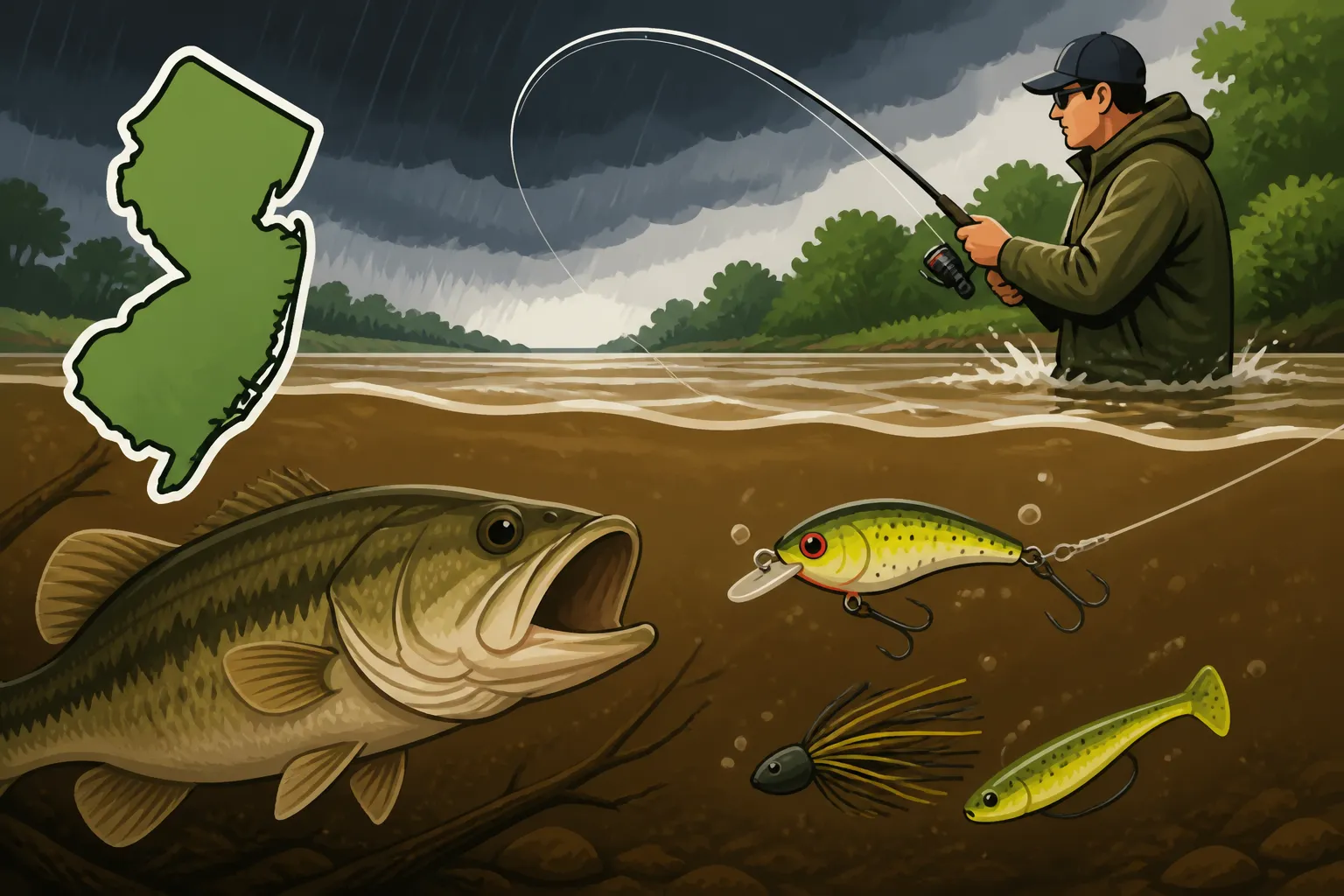
In freshwater, species like largemouth bass, smallmouth bass, and catfish often become more active after heavy rains. Bass, being ambush predators, can actually use the reduced visibility to their advantage, hiding in cover and striking at anything that presents an easy meal. They'll often move into shallower water, particularly around flooded vegetation or submerged wood, where the water might be slightly warmer and new food sources are abundant. For catfish, muddy water is practically their natural habitat; they rely almost entirely on scent and taste, making them excellent targets. You'll find great guidance on Best Bait for Channel Catfish if you're looking to capitalize on this. Panfish, like crappie and bluegill, might also be found congregating near structures that offer shelter from increased currents and a chance to ambush washed-in insects.
For saltwater anglers, the game changes a bit, but opportunities certainly exist. Species like striped bass thrive in murky conditions. The lower visibility offers them a tactical advantage, allowing them to sneak up on baitfish that might also be disoriented. Tidal rivers and bays, which naturally experience some level of turbidity, might see an increase in activity for these fish. For those who enjoy fishing coastal areas, understanding How to Fish New Jersey's Tidal Rivers can make a huge difference in these conditions. Bluefish are also aggressive predators that don't shy away from off-colored water and will often feed voraciously. Fluke can be a tougher catch in genuinely muddy conditions as they rely more on sight, but if you find areas where the water is only slightly stained, they might still be active, especially if baitfish are concentrated there. However, genuine chocolate milk conditions often send fluke elsewhere, as their typical ambush strategy from the bottom relies on being able to see their prey.
Lure and Bait Selection: Going Bright, Bold, and Scented
This is where your tackle box choices become critical. When fish can’t see, you need to appeal to their other senses: sound, vibration, and smell.
For lures, think about colors that stand out even in low light. Chartreuse, bright orange, hot pink, and pure white are excellent choices. These colors offer a stark contrast against the murky background, making them easier for fish to detect even if they only get a faint glimpse. Beyond color, consider lures that produce a lot of vibration or sound. Chatterbaits, lipless crankbaits with internal rattles, spinnerbaits with large thumping blades, and noisy topwater lures (if the surface isn't too agitated) are fantastic options. These create vibrations that fish can pick up with their lateral lines from a distance, drawing them in even if they can't see the lure. For freshwater bass fishing, some of the Best Lures for Largemouth Bass in Summer Heat can also be effective in muddy water if they offer the right combination of color and vibration.
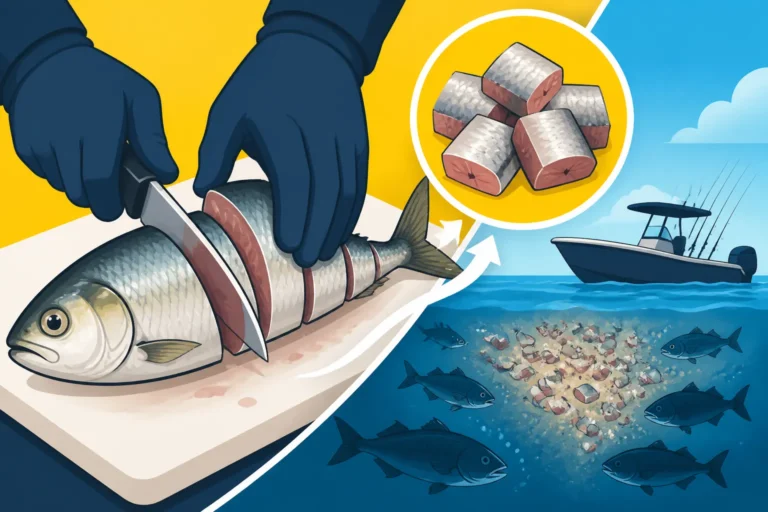
When it comes to bait, scent is king. Natural baits are often irresistible in muddy water. Live worms, cut bait (like bunker or mackerel), chicken livers, and specially prepared stink baits are incredibly effective because their strong scent trails can be followed by fish over long distances. If you're using artificial soft plastics, opt for those that are heavily infused with scent. Many brands, easily found on Amazon, offer powerful scent additives or pre-scented lures that can make a huge difference. Don't be shy about adding extra scent gels or sprays to any of your lures or plastics; the more odor you put out, the better your chances of attracting a fish’s attention in a low-visibility environment.
Here's a quick comparison of general approaches for clear vs. muddy water:
| Feature | Clear Water Strategy | Muddy Water Strategy |
|---|---|---|
| Visibility | High | Low to Zero |
| Lure Color | Natural, subtle, transparent | Bright, contrasting (chartreuse, orange) |
| Lure Type | Finesse, realistic, subtle action | Noisy, high vibration (rattles, thumps) |
| Bait Choice | Live bait, small plastics | Strong scent (cut bait, worms, stink bait) |
| Retrieve Speed | Varied, often faster for reaction strikes | Slow, deliberate, pausing often |
| Target Areas | Structure, current breaks, edges | Current breaks, shallow cover, feeder creeks |
| Fish Senses | Sight, lateral line | Lateral line, smell, taste |
Practical Tips for Success in Murky Conditions
Having the right gear and understanding fish behavior is a great start, but successful muddy water fishing also comes down to technique and knowing where to focus your efforts. These practical tips will help you put more fish in the net.
Locating Fish in Discolored Water
Finding fish when you can't see them is the ultimate challenge. The key is to think like a fish trying to cope with a drastically altered environment. As mentioned, fish often gravitate to areas where the current is weaker, the water might be slightly clearer, or where new food sources are being introduced.
Look for current breaks: In rivers, strong currents push fish to the edges. Target eddies behind rocks, fallen trees, bridge pilings, or sharp bends in the river. These spots offer a respite from the main flow and create ambush points. Similarly, in tidal areas, look for calmer water behind points or marsh grass. Accessing these spots safely often involves understanding New Jersey Boat Ramp Rules and Access Fees if you're using a vessel, or finding good shore access points.
Focus on shallow cover: Flooded vegetation, submerged brush piles, or docks in shallower water can attract fish like largemouth bass who are seeking both shelter and potential food. The reduced light penetration in muddy water makes shallower areas feel safer for them, as they're less exposed to aerial predators. Don't overlook the very edges of the water where terrestrial insects and worms might have been washed in.
Investigate feeder creeks and culverts: This is often a gold mine. Smaller creeks and drainage culverts emptying into a larger body of water will carry a plume of muddy water, but also a wealth of food. Fish will often stage right at the edge of this plume, waiting for an easy meal to be delivered. The mixed water here can also be slightly warmer or have better oxygenation, making it a comfortable holding spot. For more advanced techniques, a good fish finder, even a basic one, can help you detect bottom structure and potential fish schools in these murky conditions. Learning How to Read a Fish Finder for Beginners can significantly boost your success.
Presentation is Key: Slow and Steady Wins the Race
When visibility is low, fish need more time to locate your bait or lure. This means slowing down your retrieve significantly. A fast retrieve might move your offering out of a fish’s strike zone before it even has a chance to detect it.
Slow retrieves and pauses: For lures, a slow, deliberate retrieve with frequent pauses allows the vibrations and scent to disperse more effectively, giving the fish ample opportunity to find it. Let a crankbait "swim" slowly, bumping off structure, or slowly jig a plastic worm along the bottom. For baits, let them soak longer in promising areas. The longer your offering is in the strike zone, the more likely a fish is to find it by scent or vibration.
Repeated casts to the same spot: Don't be afraid to make multiple casts to a promising piece of structure or a current seam. You might need to annoy a fish into biting, or simply give it enough chances to finally locate your bait. Fan casting an area thoroughly is more important than ever in muddy water. Sometimes, a fish needs to bump into the line or feel the vibration a few times before deciding to strike.
Gear Adjustments for Low Visibility
Your gear choices, from line to hooks, can also play a role in muddy water success.
Heavier line: While clear water often calls for lighter, more discreet lines, muddy water offers a fantastic opportunity to bump up your line strength. Fish aren't relying on sight, so a slightly thicker line won't spook them. This can be a huge advantage, especially when fishing around snags and debris that are common after heavy rains. You’ll have more pulling power if you get hung up, and it can reduce frustrating break-offs. If you're using braid, consider a fluorocarbon leader for abrasion resistance, especially around sharp debris. For those needing a refresher on terminal tackle, a guide on Best Knots for Saltwater Fishing or freshwater equivalents can ensure your connections are solid.
Wider gap hooks: When using larger, scent-laden baits (like a big chunk of cut bait), ensure your hooks have a wide enough gap to allow for good hooksets. Fish might engulf the bait quickly in muddy water, and a robust hook will improve your landing ratio.
Consider a headlamp: If you plan on fishing at dawn, dusk, or even into the night (which can be incredibly effective for species like catfish), a reliable headlamp is essential. You'll be able to tie knots, re-rig, and navigate safely around your fishing spot. Many anglers find sturdy, waterproof headlamps on Amazon, which are invaluable when visibility is already compromised by the water itself. Remember, How to Catch Catfish After Dark is often a highly productive technique, and good lighting for yourself makes it safer.
Safety and Environmental Considerations
While fishing in muddy water can be productive, it's crucial to prioritize safety and be mindful of your impact on the environment. Heavy rains can create dangerous conditions, and responsible angling is always paramount.
Water Levels and Current: Rivers and streams can rise rapidly and develop dangerously strong currents after heavy rainfall. Always assess the water conditions before wading or launching a boat. What might have been a calm, easily wadable stream last week could be a raging torrent today. If you're fishing from the bank, stay well back from eroded edges that might be unstable. For boaters, be aware of submerged debris (logs, branches, trash) that can be hazards to your prop or even compromise your hull. Knowing New Jersey Boat Registration Requirements for Anglers is vital, and ensuring your vessel is in top condition for any adverse conditions.
Pollution and Water Quality: While fish might still bite, remember that runoff can carry pollutants from roads, farms, and residential areas. Be cautious about consuming fish from heavily affected areas immediately after a major storm, especially in urban environments. Always check local advisories if you have concerns about water quality. Furthermore, heavy rains can displace fish, sometimes stranding them in temporary puddles or shallow areas. If you encounter such situations, and it's safe to do so, gently assist fish back to the main body of water.
Bank Erosion and Wildlife: Be mindful of bank erosion. Walking too close to unstable edges can be dangerous for you and contribute to further erosion. Heavy rains also displace land animals, so you might encounter more wildlife than usual near the water's edge. Give them space and avoid disturbing their temporary refuge. Practice "Leave No Trace" principles always; pack out everything you pack in, and if you see litter that isn't yours, consider taking it with you. Our waterways are a precious resource, and it's up to us to protect them.
Disclaimer
This article is for general informational purposes only and does not constitute professional advice. Laws, prices and regulations vary by location and change over time. Consult a qualified professional for guidance on your specific situation.