How Thick Should Ice Be Before You Fish on It?
Stepping out onto a frozen lake for the first time can feel like walking on eggshells, or maybe more accurately, walking on very, very cold water with a thin crust on top. The anxiety is real: Is it safe? Will I fall through? Every creak and groan of the ice makes your heart skip a beat. It's a completely valid concern, and knowing how to safely assess ice thickness is the single most important lesson for anyone looking to enjoy the thrill of ice fishing in New Jersey. This comprehensive guide will walk you through exactly what to look for, how to measure, and what safety precautions you need to take before you ever drop a line.
Understanding Safe Ice Thickness for New Jersey Ice Fishing
When it comes to ice fishing, there's no such thing as being too cautious. The recommended ice thicknesses aren't just arbitrary numbers; they're critical safety benchmarks designed to prevent tragic accidents. While the general rule of thumb is "4 inches for ice fishing," that's truly just the bare minimum for a single angler on foot, and it comes with a lot of caveats. You need to understand that ice is a dynamic, living surface, constantly changing with the weather, currents, and even snow cover.
The Golden Rule: Minimum Ice Thickness for Walking
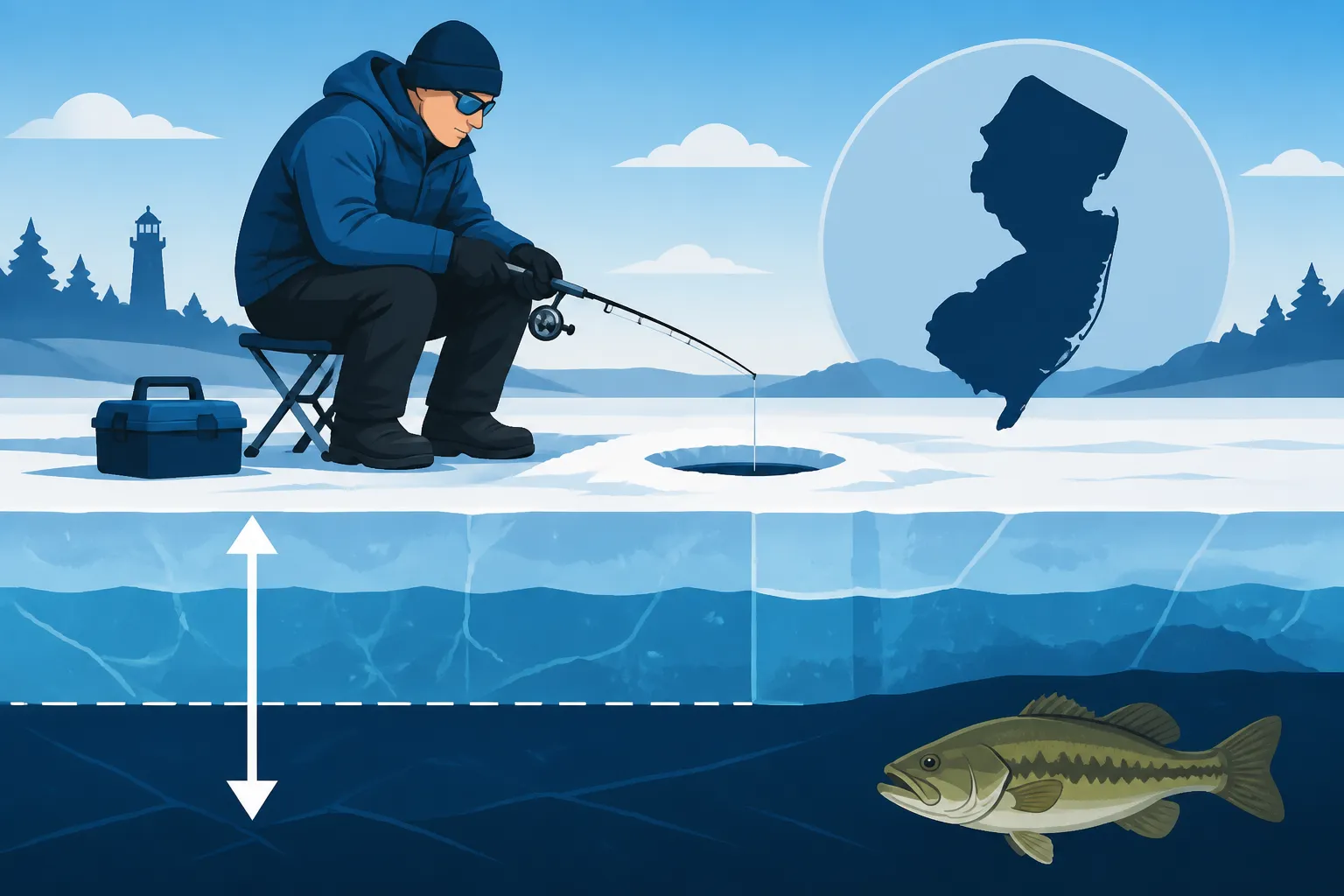
The absolute minimum ice thickness considered safe for a single angler to walk on for ice fishing is 4 inches of clear, solid ice. Let's be very clear about what "clear, solid ice" means. This isn't snow-covered slush, or ice that has refrozen after a thaw, or cloudy, milky ice. This is new, hard, blue, or black ice that has formed consistently.
Imagine taking a step onto ice that's only four inches thick. For a moment, it feels solid enough. But consider your weight, your gear, and the inherent instability of ice. If you're a bigger person, or if you're carrying a heavy bucket of bait and a portable shelter, that four inches can quickly become precarious. It's often advisable to aim for more, even if you're just walking. Many experienced New Jersey ice anglers won't even consider stepping onto a frozen lake unless it's at least 5-6 inches thick, just for that extra margin of safety. Remember, this is about your life, and taking unnecessary risks for a few fish is never worth it.
Adding Weight: When You Need More Ice
As soon as you add more weight to the ice, your required thickness increases significantly. This is where many eager anglers run into trouble, underestimating the collective strain their gear, friends, and vehicles put on the frozen surface.
- Groups of Anglers: If you're planning a day out with a few buddies, you need a greater thickness than 4 inches. The cumulative weight and the impact of multiple people moving around require at least 5 to 7 inches of clear, hard ice. Spreading out your group, rather than huddling together in one spot, can also help distribute the weight more effectively and reduce stress on specific areas.
- Snowmobiles or ATVs: These vehicles, while convenient for hauling gear across vast frozen expanses, also add substantial weight and momentum. For snowmobiles and ATVs, the recommended minimum is 8 to 12 inches of solid ice. Never assume that because one part of the lake supports an ATV, all parts will. Always check the ice thickness frequently, especially if you're moving to a new area.
- Cars or Small Trucks: Driving a vehicle onto the ice is perhaps the riskiest proposition and requires the most substantial ice thickness. You should have at least 12 to 15 inches of clear, well-formed ice to even consider driving a car onto a lake, and 15 to 20 inches for a medium-sized truck. Even then, you should only do so on designated, marked ice roads, and always follow local guidelines. Most New Jersey lakes don't have this kind of reliable, consistent ice for vehicle traffic, so it's generally best to leave the car on shore and walk, even if you have to carry your gear a bit further. Safety is paramount when you're on the ice, and avoiding the temptation to drive out can prevent a serious incident.
The Nuance of Ice Conditions: Beyond Just Thickness
It’s a huge mistake to think that ice safety is only about a tape measure reading. Many factors beyond raw thickness dictate the ice's integrity. Just because it’s 6 inches thick doesn’t automatically mean it’s safe. You need to become an astute observer of the ice itself.
For example, a solid 4 inches of clear, "black" ice formed quickly in consistently cold temperatures can be far stronger and safer than 8 inches of "white" or "slush" ice that has repeatedly thawed and refrozen. The structure of the ice matters immensely. Strong ice forms in layers, with water freezing slowly from the top down. Weak ice often contains air pockets, snow, or has been compromised by warmer temperatures, making it brittle and unpredictable. You also need to consider the specific body of water you're fishing. Smaller, shallower ponds tend to freeze more uniformly, while larger, deeper lakes like Lake Hopatcong or Spruce Run Reservoir can have areas with currents or springs that prevent uniform freezing, creating treacherous thin spots. Always keep in mind that a safe ice fishing experience in New Jersey relies on a holistic understanding of all these factors.
Beyond the Ruler: Real-World Ice Safety Indicators
A tape measure is a vital tool, but it's just one piece of the puzzle. Being able to "read" the ice itself – its color, texture, and sounds – is an art developed over years of experience. Even for beginners, learning these visual and auditory cues can be a lifesaver.
Visual Cues and What They Mean
The color and texture of the ice you're looking at can tell you a lot about its strength and history.
- Clear, Blue, or Black Ice: This is the strongest and safest type of ice. It's formed by direct freezing of water with minimal air bubbles or impurities. This "black ice" often looks dark because you can see through it to the water below. If you find 4 inches of this kind of ice, it's generally a good sign for foot traffic.
- White or Milky Ice: This ice is usually weaker than clear ice, even if it measures the same thickness. It often forms from refrozen snow, slush, or contains a lot of air bubbles. This makes it less dense and more brittle. Think of it like a styrofoam cooler versus a solid block of plastic. You might need 50% more thickness of white ice to achieve the same strength as clear ice. It’s always best to be very cautious if you encounter significant amounts of milky ice.
- Gray or Dark Streaked Ice: This is a serious red flag. Gray ice indicates the presence of water within the ice, often due to thawing. It means the ice is decaying and losing its structural integrity. Dark streaks can also mean water flow underneath the ice, indicating a dangerously thin area. Avoid any ice that appears gray or has dark, watery streaks.
- Slushy Ice: This is typically found on top of solid ice after a thaw or snowfall, or when rain has saturated a snow layer. While the slush itself isn't dangerous, it can hide dangerously thin or decaying ice underneath, and it makes walking difficult and cold. It also acts as an insulator, slowing down further ice formation. If you encounter deep slush, proceed with extreme caution and constantly check the underlying ice.
- Cracks and Pressure Ridges: While small cracks are normal, large, wide cracks or significant pressure ridges (where ice sheets push against each other, creating a raised seam) can indicate instability. Pressure ridges can have very thin spots or open water where the ice has buckled.
Sound and Feel: Listening to the Ice
Experienced ice anglers don't just look at the ice; they listen to it and feel it. The sounds the ice makes can tell you if it's holding, or if it's under stress.
- Popping and Cracking: A healthy, freezing lake often emits sounds that resemble popping, cracking, or even groaning. These are usually good signs, indicating the ice is expanding and strengthening. Think of it like a house settling; these are normal structural adjustments.
- Loud, Snapping Cracks: A sharp, loud CRACK that travels across the lake beneath your feet, especially if it feels like the ice is moving, is a definite warning. It means the ice is under significant stress and may be fracturing. If you hear this, spread out your weight, reduce movement, and consider slowly retreating towards shore. This is not the time to keep fishing; it's the time to re-evaluate your safety.
- Feeling the Give: Sometimes, before you see a crack, you might feel a slight depression or "give" in the ice under your weight. This feeling, often described as spongy or bouncy, is a serious indicator of weak ice. This is when you stop, slowly back away, and find a different, more solid path. Your gut instinct about the ice is often right. If it feels off, it probably is.
Checking the Edges and Near Structures
The edges of a frozen lake, and the ice around various structures, are almost always the weakest points. These areas require particular vigilance.
- Shoreline Ice: The ice closest to the shore can be deceptively thin or unstable. Solar radiation absorbed by the land can melt the ice from the edges inward, creating weak spots, especially on sunny days. Snow accumulation near the shore can also insulate the ice, preventing it from thickening as much as the main body of the lake. Always test the ice aggressively as you step off the bank.
- Around Docks, Pilings, and Submerged Objects: Any object that extends into or through the ice, such as docks, pilings, logs, or even large rocks, will absorb solar heat and transfer it to the surrounding ice. This creates a "thermal halo" of thinner, weaker ice around these structures. Never trust the ice immediately adjacent to a dock or a bridge support.
- Inlets, Outlets, and Spring Feeds: Water movement prevents ice from forming consistently and can quickly erode existing ice. Be extremely wary of any areas with visible current or where streams flow into or out of a lake. These spots will almost certainly have dangerously thin ice, regardless of the overall lake thickness. This is particularly true in many of New Jersey's smaller ponds and lakes that have constant, though subtle, water flow. When planning a trip, always check for specific warnings or local knowledge about these features.
Essential Tools for Measuring Ice Thickness
Okay, so you've learned to read the ice visually and audibly. But you still need to verify its thickness, and for that, you need the right tools. Don't rely on guesswork or someone else's assessment. Equip yourself to check the ice yourself, every time.
Spud Bars and Ice Augers: Your First Line of Defense
Before you ever venture more than a few feet from shore, you need to check the ice. This isn't a one-time thing; you should be constantly checking as you move across the frozen surface.
- Spud Bar: A spud bar is a heavy, metal bar with a chisel-like tip. It's your best friend for initial ice assessment. You use it to "spud" the ice in front of you as you walk. If the spud bar goes through in one or two jabs, the ice is too thin. If it takes several hard hits to break through, you're likely on safer, thicker ice. This tool allows you to check the ice every few feet, making sure your path is safe before you fully commit your weight. Many anglers swear by their spud bars, finding them invaluable for probing unknown ice. You can find solid, durable spud bars on platforms like Amazon, and it's an investment that could literally save your life.
- Ice Auger: Once you've determined the ice is reasonably thick with your spud bar, an ice auger is essential for creating your fishing holes and getting a precise measurement. Whether you use a manual hand auger, a powerful gas-powered auger, or a quiet electric model, drilling a test hole is paramount. After drilling through, you can then measure the ice thickness with a tape measure. Many anglers will drill multiple test holes on their way out to a spot, ensuring consistent thickness. Don't be afraid to drill more holes than you plan to fish just to check safety; it's a vital part of responsible ice fishing.
The Importance of a Reliable Tape Measure
This might seem obvious, but you'd be surprised how many people forget this simple tool or don't use it correctly. After you've drilled your first hole, immediately take a measurement.
- How to Measure: Extend a standard tape measure into the hole until the end catches on the bottom of the ice. Pull it up taut, and read the thickness where the tape meets the top of the ice. It's a simple, foolproof method.
- Consistency is Key: Don't just measure one spot. Measure several holes, especially if you're moving to different parts of the lake or if the ice quality changes. A small, retractable tape measure can easily be kept in your pocket, making frequent checks simple. Having this straightforward piece of gear easily accessible is often overlooked, but it's crucial for gathering hard data about the ice conditions.
Safety Gear You Should Always Carry
No matter how confident you are in the ice, accidents can happen. Being prepared for a fall-through is just as important as trying to prevent one.
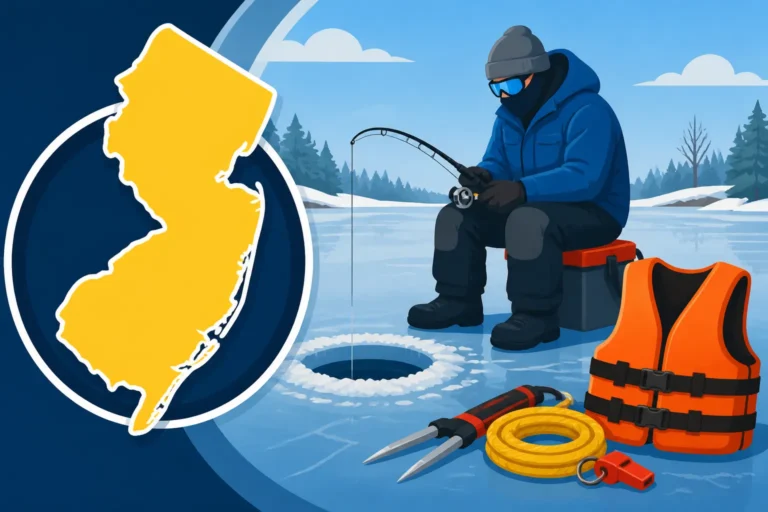
- Ice Picks: These are two sharp, spiked handles connected by a rope, worn around your neck. If you fall through, you can use the picks to gain purchase on the ice and pull yourself out. They are compact, inexpensive, and an absolute must-have. You can find excellent, highly-rated ice picks on Amazon for less than the cost of a few lures.
- Throw Rope: A buoyant throw rope, often in a small bag, can be tossed to a struggling angler from a safe distance. Look for one that's at least 50 feet long.
- Personal Flotation Device (PFD): Wearing a life vest, even over your winter gear, provides crucial buoyancy and can buy you valuable time if you go through the ice. Inflatable PFDs are less bulky and can be worn comfortably.
- Dry Clothes in a Waterproof Bag: Keep a change of warm, dry clothes in a waterproof bag in your vehicle. If you or a fishing buddy gets wet, immediate dry clothing is essential to prevent hypothermia.
- Whistle and Cell Phone: A whistle can signal for help if you're in distress. A fully charged cell phone (kept in a waterproof pouch) is vital for calling emergency services. Remember that cold temperatures can quickly drain phone batteries.
- Buddy System: Always fish with at least one other person. Never ice fish alone. A partner can provide immediate assistance and call for help if an emergency arises. It’s part of the general guidelines for New Jersey Ice Fishing Safety Basics.
New Jersey's Ice Fishing Landscape: What to Expect
New Jersey might not be famous for its ice fishing like some northern states, but we have some fantastic opportunities, especially in the northern half of the state. However, our ice conditions can be less predictable due to fluctuating winter temperatures.
Common Ice Fishing Spots in New Jersey
When the temperatures drop and stay consistently low, several New Jersey lakes and ponds become popular destinations for hardwater anglers.
- Smaller, Shallower Ponds: These typically freeze first and most reliably. Think local county and state park ponds. They are excellent for panfish and smaller bass. Many anglers looking for family-friendly options will start here.
- Larger Lakes and Reservoirs: Lakes like Lake Hopatcong and Greenwood Lake offer exciting opportunities for a wider variety of fish, including pike, muskie, and larger bass. However, these larger bodies of water take longer to freeze solid, and specific areas can remain open or dangerously thin due to currents, springs, or depth variations. It's crucial to consult a Lake Hopatcong Ice Fishing Guide or look for up-to-date Greenwood Lake Ice Fishing Conditions before heading out. Always remember that what's safe in one part of a big lake might be deadly in another.
- Trophy Trout Lakes: New Jersey stocks several lakes with "trophy trout," which can also be targeted through the ice. These include destinations like Lake Aeroflex, Tilcon Lake, and Merrill Creek Reservoir. These can be prime spots for those wondering How to Ice Fish for Trout in New Jersey, but as with all deeper lakes, caution is key.
The Impact of Weather Patterns on New Jersey Ice
New Jersey's winters can be a rollercoaster. We often get periods of intense cold followed by mild thaws, and this inconsistent weather has a significant impact on ice safety.
- Thawing and Refreezing: This is the enemy of strong ice. A thaw can significantly weaken existing ice, even if it refreezes afterward. Refrozen ice, often appearing milky or opaque, tends to be more brittle and less reliable than ice that has formed in a continuous cold spell. A common scenario is when snow falls on thin ice, insulates it, and then a thaw causes the snow to absorb water, creating a slushy layer that refreezes as weak ice.
- Snow Cover: A layer of snow on top of ice can be both a blessing and a curse. It insulates the ice, preventing it from thickening further, but it also hides weak spots, slush, or open water. Always be extra vigilant when snow covers the ice, and constantly check the thickness with a spud bar. You might think the ice is consistently thick under the snow, but variations can be completely hidden from view.
- Consistent Cold: The best ice for fishing forms during long stretches of consistently cold, below-freezing temperatures, ideally without heavy snow. This allows for slow, steady freezing of clear, strong ice. This is the kind of weather you're hoping for when you're preparing to go ice fishing and checking How Cold Does It Need to Be to Ice Fish in New Jersey?.
Always Fish with a Buddy and Share Your Plans
This cannot be stressed enough. Ice fishing is inherently safer with a partner. If one person goes through, the other can provide immediate assistance or call for help.
- Buddy System: Always, always fish with at least one other person. Stay within sight and shouting distance of each other. This is a fundamental rule for ensuring New Jersey Ice Fishing Safety Basics.
- Inform Someone of Your Plans: Before you leave, tell a responsible friend or family member exactly where you are going, when you expect to return, and who you are going with. If you don't check in, they know to initiate a search. This simple step is a critical part of a safe outing.
- Know Your Limits: Don't push your luck. If conditions seem questionable, or if you're venturing into unfamiliar territory, err on the side of caution. No fish is worth risking your life over. It's better to go home empty-handed than to become a statistic. And of course, make sure you understand the New Jersey Fishing License Guide for 2026, including specific rules like the New Jersey Ice Fishing License Rules, before you head out.
Here's a handy table summarizing recommended minimum ice thicknesses for different activities:
| Activity | Minimum Safe Ice Thickness (Clear, Solid Ice) | Notes |
|---|---|---|
| Single Angler (walking) | 4 inches | Bare minimum; always aim for more if possible. |
| Small Group (walking) | 5 – 7 inches | Spread out weight; multiple test holes. |
| Snowmobile / ATV | 8 – 12 inches | Check frequently; avoid areas with current or thin ice. |
| Car (light truck) | 12 – 15 inches (15-20 for larger trucks) | Use designated ice roads only; rare on NJ lakes; extreme caution required. |
| Ice Shanty / Shelter | Add 1-2 inches to base for occupancy | Ensure base ice supports the structure and occupants. |
Keep this table in mind, but remember that these are minimums for clear, solid ice. Always factor in the actual ice quality, recent weather, and the specific body of water you're on.
Disclaimer
The information provided in this guide is for general educational and informational purposes only and does not constitute professional advice. Ice conditions can change rapidly and unpredictably. Always exercise extreme caution, use your best judgment, and prioritize safety above all else when ice fishing. Local regulations and conditions can vary, so always check with the New Jersey Division of Fish and Wildlife for the most current information and warnings before venturing onto the ice.