New Jersey Black Sea Bass Season Opening Date
There's nothing quite as frustrating as gearing up for a fantastic day on the water, only to realize you've missed the opening of a favorite fishing season or, worse, that the regulations have changed since you last checked. For many of us, the highly anticipated black sea bass season in New Jersey is one of those times when knowing the exact opening date and understanding the rules can make or break your trip. This comprehensive guide is here to walk you through everything you need to know about when you can legally start targeting black sea bass in New Jersey waters, why these dates are so important, and how to stay ahead of any changes.
Understanding New Jersey's Black Sea Bass Fishery
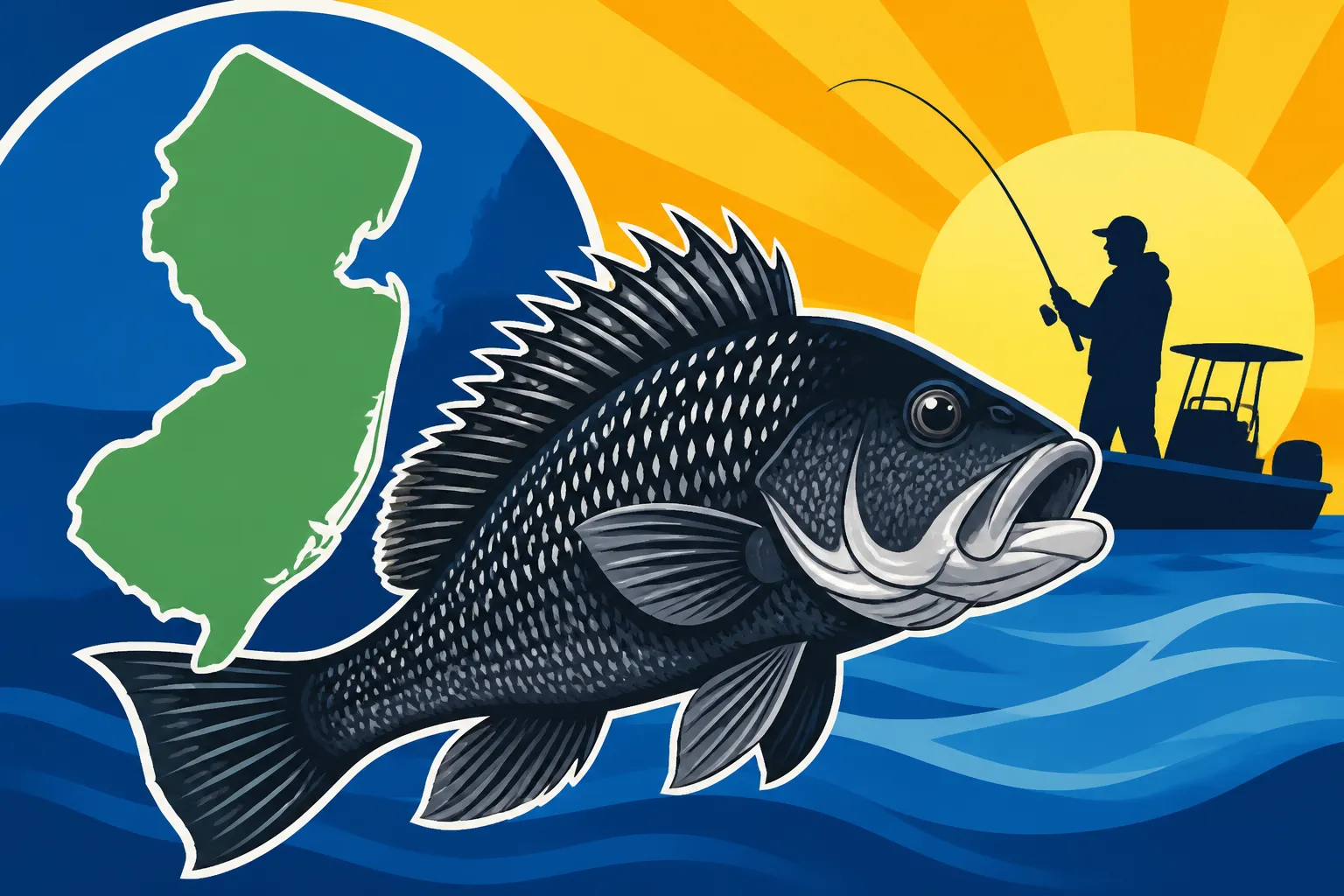
Black sea bass are a beloved species for anglers in New Jersey, known for their aggressive bites, excellent table fare, and their tendency to congregate around structure, making them a fun target. However, like many migratory species, their populations are managed through a complex system of regulations that often change year to year. It's not as simple as just heading out any time you please; there are strict seasons, size limits, and bag limits designed to ensure the health of the stock for future generations.
The Importance of Season Dates for Anglers
Imagine the scenario: you've been eagerly awaiting the warmth of spring or the crisp air of fall, dreaming of those tell-tale thumps on your line. You meticulously prepare your gear, load up the boat, or book a spot on a party boat, only to find out at the dock that the season isn't open yet, or it's temporarily closed. This isn't just a minor inconvenience; it can be a costly mistake, leading to disappointment or even legal repercussions if you accidentally keep a fish out of season.
Knowing the precise opening date, and more importantly, the full season structure, allows you to plan your trips effectively. It ensures you're fishing legally, contributing to conservation efforts, and maximizing your chances of a successful and enjoyable outing. These dates dictate when charter and party boats will specifically target black sea bass, when tackle shops will stock up on the best baits and jigs, and when fellow anglers will be hitting the best spots. Without this knowledge, you're essentially flying blind, which is no fun for anyone who loves to fish.
How Regulations Are Set and Why They Change
The management of black sea bass, particularly along the Atlantic coast, is a multi-jurisdictional effort involving federal and state agencies. The Mid-Atlantic Fishery Management Council (MAFMC) and the Atlantic States Marine Fisheries Commission (ASMFC) are the primary bodies that develop and recommend management measures based on scientific stock assessments. These recommendations are then adopted and implemented by states like New Jersey, often through the New Jersey Department of Environmental Protection (NJDEP) Division of Fish and Wildlife.
The reason these regulations, including season dates, size limits, and bag limits, can change annually or even mid-season is due to several factors:
- Stock Health: If scientific assessments indicate that the black sea bass population is declining, more restrictive measures might be put in place to allow the stock to rebuild. Conversely, if the stock is healthy, slightly more liberal regulations might be adopted.
- Spawning Cycles: Seasons are often designed to protect fish during critical spawning periods, ensuring they can reproduce before being harvested.
- Quota Management: There’s an overall recreational harvest limit (quota) for black sea bass each year. States work together to stay within this quota. If one state over-harvests early in the year, other states might face shorter seasons or lower bag limits to compensate.
- Environmental Factors: Water temperature, bait availability, and other environmental conditions can impact fish distribution and abundance, leading to adaptive management responses.
- Data Collection: Angler catch reports, scientific surveys, and economic impact studies all feed into the decision-making process.
This dynamic process means that what was true last year might not be true this year. It's a constant balancing act to ensure both sustainable fisheries and reasonable fishing opportunities. For a deeper dive into the broader regulatory landscape, you might find our guide on how New Jersey Sets Its Fishing Regulations Each Year particularly insightful.
Pinpointing the New Jersey Black Sea Bass Season Opening Date
For anglers targeting black sea bass in New Jersey, the season isn't a single, continuous stretch. It's typically divided into several distinct segments throughout the year. This segmented approach allows for better management of the recreational quota and aims to provide fishing opportunities across different times when sea bass are present and accessible.
Current Season Structure and Key Dates
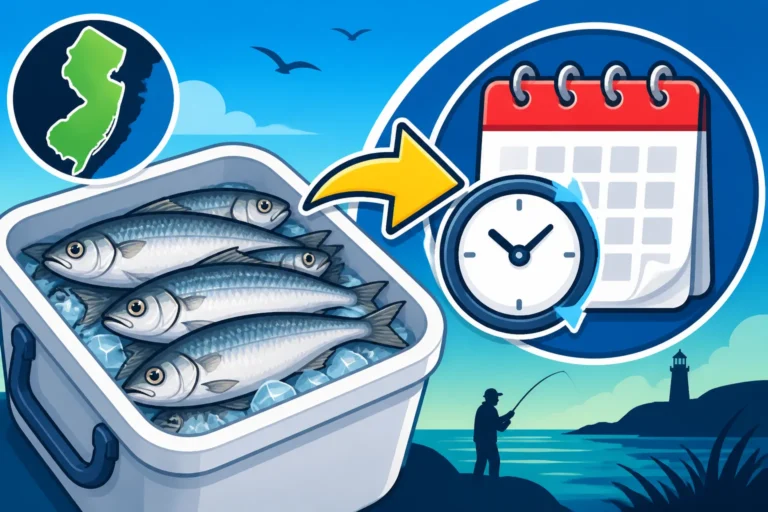
Based on current New Jersey Fish and Wildlife regulations, the black sea bass season for 2024 is structured into a few key periods. It's vital to note that these dates are often subject to final approval and can occasionally be adjusted, so always double-check the official NJDEP Fish and Wildlife Digest or website before heading out.
Typically, the season kicks off with a spring segment. For 2024, the New Jersey Black Sea Bass Season opened on May 17th, running through June 19th. This initial period is highly anticipated, offering excellent fishing as sea bass move into shallower waters after the colder months. During this segment, anglers are usually permitted a reduced bag limit.
Following a closure, the season reopens for a more substantial summer period. For 2024, this summer segment runs from June 23rd to August 31st. This is often the most popular time for recreational anglers, especially those on party boats or private charters, with a more generous bag limit. Many charter operators specialize in targeting these fish during this prime window.
Finally, there's a fall/winter segment, which for 2024 is slated from September 1st through December 31st. This period often offers excellent fishing for larger "knob-headed" sea bass as they gorge themselves before the deep winter. The bag limit during this segment often increases, making it a favorite for many dedicated anglers.
Here's a quick reference table for the 2024 Black Sea Bass Recreational Regulations in New Jersey (as of the last confirmed regulations, always check the official digest for any last-minute changes):
| Segment | Dates | Minimum Size Limit | Daily Possession Limit |
|---|---|---|---|
| Spring | May 17 – June 19, 2024 | 12.5 inches | 10 fish |
| Summer | June 23 – August 31, 2024 | 13 inches | 8 fish |
| Fall/Winter | September 1 – December 31, 2024 | 13 inches | 10 fish |
Remember, these regulations are specific to black sea bass. Other species you might encounter, like fluke, tautog, or striped bass, will have their own distinct size and bag limits. You can check out the New Jersey Black Sea Bass Season and Limits for more detailed information on specific regulations. It’s also important to remember that all anglers over the age of 16 need a valid fishing license, and if you're targeting saltwater species, you'll need to be registered with the New Jersey Saltwater Registry Explained program, even if it's free.
Staying Informed About Regulation Updates
Given the dynamic nature of fishing regulations, relying solely on last year's knowledge or hearsay from the bait shop can lead you astray. The best way to stay informed and ensure you're always fishing within the law is to consult official sources directly.
The primary source for all New Jersey fishing regulations is the NJDEP Division of Fish and Wildlife website. They publish the annual marine regulations, including any in-season adjustments, well in advance. You can often find a dedicated page or PDF document outlining the current year's rules.
Another invaluable resource is the New Jersey Fish and Wildlife Digest. This comprehensive guide is published annually and available both online and in print at most bait and tackle shops, as well as license vendors. It's an essential read for any serious angler, containing all freshwater and saltwater regulations, season dates, size limits, and other important information. When fishing, it's a good idea to always have access to the current digest, whether a printed copy or a digital version on your phone, to quickly verify any rules.
Local bait and tackle shops are also fantastic resources. The owners and staff are usually avid anglers themselves and stay incredibly up-to-date on all the latest regulations, often having copies of the digest readily available. Don't hesitate to ask them about the current black sea bass season, how specific rules might apply to your intended fishing area, or any expected changes. They often have the pulse of local fishing conditions and regulatory adjustments.
Tactics for Opening Day Success and Beyond
Once you've got those season dates locked in, the real fun begins: planning your attack! Black sea bass are not only delicious but also incredibly enjoyable to catch. Knowing the right gear, bait, and locations can significantly increase your success, especially during the crucial opening segments of the season.
Gear and Bait for Early Season Black Sea Bass
Black sea bass are typically found near structure, which means you'll want gear that can handle potential snags but is sensitive enough to detect their sometimes subtle bite.
Rods and Reels:
For most black sea bass fishing, a medium to medium-heavy spinning or conventional rod between 6 to 7 feet is ideal. You want something with a fast action tip for sensitivity but enough backbone to pull fish away from structure and handle a decent sinker. A good quality reel spooled with 20-30 lb braided line is common. The thin diameter of braid helps with sensitivity and cutting through currents, allowing you to use lighter weights. A 20-30 lb fluorocarbon leader of about 3-4 feet is also a good idea for abrasion resistance and reduced visibility. Many anglers find durable, well-reviewed combos on sites like Amazon, making it easy to get started without breaking the bank. For beginners, our guide on Best New Jersey Fishing Gear for Beginners offers excellent advice on initial setup.
Rigs and Lures:
- Hi-Lo Rigs: This is arguably the most popular setup. It consists of two hooks (often circle hooks or baitholder hooks in sizes 1/0 to 3/0) tied above a sinker (typically 3-8 oz, depending on current and depth). You can buy these pre-tied or make your own. The beauty of a hi-lo rig is that you can present two different baits or types of bait at once, increasing your chances.
- Jigs: Bucktail jigs (1-4 oz) are incredibly effective, especially when tipped with a strip of squid or a Gulp! Swimming Mullet. Other types of jigs, like Berkley Gulp! jigs or diamond jigs, can also work. Jigging actively can provoke aggressive strikes, and it's a great way to cover water. For more on jigging, especially for other species, consider reading about Bucktail Jigging Techniques for New Jersey Anglers.
- Sinker Selection: You'll need an assortment of sinkers, typically bank or pyramid style, ranging from 3 to 10 ounces. The key is to use the lightest sinker possible that still holds bottom without excessive drift.
- Hooks: When using bait, consider circle hooks. They are proven to reduce gut-hooking, improving the survival rate of released fish, which is especially important for adhering to catch and release rules in New Jersey.
Baits:
Black sea bass aren't overly picky, but certain baits consistently outperform others:
- Clams: Fresh surf clams or chowder clams are a top choice. They are readily available at most tackle shops and have a strong scent that attracts fish.
- Squid: Strips of fresh or frozen squid are incredibly versatile and durable on the hook. They are a staple for many saltwater anglers.
- Crabs: Small green crabs, fiddler crabs, or pieces of blue crab are excellent, especially for larger, more discerning sea bass.
- Artificial Baits: As mentioned, Berkley Gulp! baits, particularly the swimming mullet or shrimp patterns, are highly effective when tipped on jigs or even used on bait rigs.
Prime Locations for Early Season Black Sea Bass
Black sea bass are structure-oriented fish, meaning they love to hang around anything that offers cover, food, and a break from the current. This includes natural rock piles, mussel beds, and especially man-made structures.
- Artificial Reefs and Wrecks: New Jersey has an extensive system of artificial reefs and numerous natural and historical wrecks along its coastline. These are prime black sea bass territory. Locations like the Axel Carlson Reef, Manasquan River Reef, and the Barnegat Light Reef are well-known hotspots. Many private charters and party boats frequent these areas, and if you have your own boat, a good GPS/chartplotter with updated charts showing reef sites is invaluable. Our guide on New Jersey Artificial Reef Fishing Guide can help you pinpoint some of these productive areas.
- Inlets and Jetties: The rocky structure of inlets and jetties along the shore, such as the Manasquan Inlet or Point Pleasant Canal, can hold sea bass, particularly if there are deeper holes or mussel beds nearby. Shore-bound anglers can often find success here, though boat access often yields better results for larger numbers of fish.
- Rocky Bottoms and Boulders: Any area with a rocky bottom or scattered boulders offshore can be a sea bass magnet. These areas provide food sources and ambush points.
- Rough Bottom: Don't overlook areas marked as "rough bottom" on nautical charts. These often indicate natural rock formations or debris fields that provide habitat.
When the season first opens, black sea bass might still be in slightly deeper water but will be migrating towards more inshore structures as water temperatures rise. Pay attention to water depth; How Deep Do You Need to Fish for Black Sea Bass? is a question with a variable answer depending on the time of year and water temperature, but generally, 30-100 feet is a common range.
Best Practices for Sustainable Fishing
Fishing for black sea bass, and indeed any species, comes with a responsibility to the resource. Adhering to sustainable practices ensures that these fisheries remain healthy and vibrant for future generations.
- Know and Follow Regulations: This is paramount. Always be aware of the current season dates, size limits, and bag limits. The New Jersey Black Sea Bass Season and Limits page is a great resource. Keeping undersized fish or exceeding your daily limit not only harms the stock but also carries penalties for fishing without a license in New Jersey.
- Handle Fish Carefully: If you're practicing catch and release, or if you're releasing undersized fish, handle them gently. Wet your hands before touching the fish to protect their slime coat, and try to keep them in the water as much as possible.
- Use Descending Devices: Black sea bass are highly susceptible to barotrauma (the "bends") when brought up from deep water quickly. This is especially true for fish caught in depths greater than 60-70 feet. A descending device allows you to return fish to their capture depth, greatly increasing their survival rate. It's becoming an increasingly recommended, and in some areas, mandatory, tool for ethical anglers. You can find various types of descending devices available on Amazon.
- Minimize Time Out of Water: The longer a fish is out of the water, the more stressed it becomes. Unhook, measure (if necessary), and release or place your kept fish into a cooler as quickly as possible.
- Report Violations: If you witness someone violating fishing regulations, report it to the New Jersey Conservation Police. This helps protect the resource for everyone.
By understanding the regulations, targeting the right spots with the right gear, and practicing responsible angling, you'll be well on your way to enjoying a productive and ethical black sea bass season in New Jersey.
Disclaimer
Fishing regulations, including season dates, size limits, and bag limits, are subject to change by the New Jersey Department of Environmental Protection (NJDEP) Division of Fish and Wildlife. While this guide provides the most current information available at the time of publication, it is the angler's responsibility to verify all regulations before fishing. Always consult the official NJDEP Fish and Wildlife website or the current New Jersey Fish and Wildlife Digest for the most up-to-date and complete information.