How to Catch Smallmouth Bass on the Delaware River
There's nothing quite like the rush of a feisty smallmouth bass hitting your line, especially when you're standing in the beautiful, flowing waters of the Delaware River. But let's be honest, this river can be intimidating. Its ever-changing currents, vast stretches of rocky bottom, and unpredictable water levels can leave even seasoned anglers scratching their heads. If you've ever felt overwhelmed trying to pinpoint these bronze beauties, this guide is for you. We're going to break down exactly how to target and catch smallmouth bass on the Delaware, turning those frustrations into triumphant catches.
Understanding the Delaware River Smallmouth Habitat
The Delaware River is a unique and dynamic fishery, and understanding where smallmouth bass live within it is your first step to consistent success. These fish aren't just swimming around aimlessly; they're strategically positioned, always looking for an advantage.
Current and Structure are Key
Smallmouth bass are quintessential river fish, meaning they live and thrive in moving water. They are masters of using the current to their advantage, often holding in seams and eddies where they can ambush prey without expending too much energy. Think of it like a conveyer belt of food! You'll rarely find them in slow, stagnant pools unless there's some very specific cover. Instead, focus your efforts where the current creates natural breaks or obstructions.
This could mean the downstream side of large boulders, fallen trees, or even subtle changes in the riverbed. For instance, sections of the river near towns like Frenchtown or Lambertville are well-known for their rocky bottoms and varying current speeds, creating perfect ambush points. When you see a big rock out in the middle of the river, visualize the current hitting it and splitting. The calmer water directly behind that rock, or along the current seams where the fast water meets slow, is a prime spot. Submerged logs and root wads along the banks also offer excellent cover, providing both shade and a hiding spot from predators and strong currents. These aren't just places for them to hide; they're their dinner tables.
Water Conditions and Clarity
Water conditions on the Delaware River play an enormous role in smallmouth behavior and your fishing strategy. Unlike still-water lakes, river conditions can change dramatically after heavy rainfall or prolonged dry spells. Smallmouth bass, like most predatory fish, rely heavily on their sight to hunt, so water clarity is a huge factor.
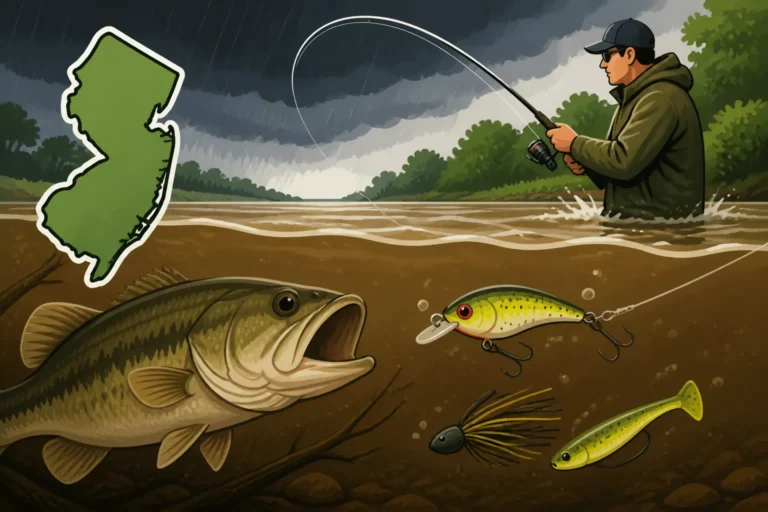
When the river is low and clear, often during drier summer months, smallmouth can become more wary. You'll need to use lighter lines, more natural presentations, and often smaller baits to avoid spooking them. They’ll be able to see you just as easily as you can see them. Conversely, after a good rain, the river might rise and become slightly stained. This can be a fantastic time to fish! The slightly murkier water gives smallmouth more confidence to roam and hunt, and the increased flow can dislodge food items. However, if the river becomes completely muddy and raging, it’s best to stay home. Extremely turbid water makes it difficult for fish to see, and the strong currents can make fishing dangerous and unproductive. Aim for that "coffee-with-cream" color, not chocolate milk. Pay attention to local river gauges online before you head out, checking flow rates and levels for your chosen section of the river.
Essential Gear for Delaware River Smallmouth
Having the right tools for the job can make all the difference, especially when you're battling a hard-fighting smallmouth in a river with significant current. You don't need to break the bank, but a few key items will greatly improve your success.
Rods, Reels, and Line Selection
For smallmouth bass on the Delaware, versatility is key. Most anglers prefer a medium-light to medium power spinning rod, typically in the 6'6" to 7'2" range. This length gives you good casting distance for covering water, while also providing enough backbone to fight fish in current and enough sensitivity to feel those subtle bites. A fast action rod tip is ideal as it allows for quick hooksets and good control over your lures. As for reels, a 2500 or 3000 series spinning reel spooled with 10-15 lb braided line is an excellent choice. Braid offers superior sensitivity and casting distance. To remain stealthy, especially in clear water, tie a 6-10 lb fluorocarbon leader to your main braided line. Fluorocarbon is nearly invisible underwater and has excellent abrasion resistance, which is crucial when fishing around all those rocks. You can easily find a wide range of quality rods, reels, and fishing lines on platforms like Amazon, often at competitive prices.
If you prefer baitcasting gear, a medium-heavy rod around 7 feet with a fast action is suitable for heavier jigs, spinnerbaits, or topwater plugs. Pair it with a high-speed baitcasting reel (7.0:1 gear ratio or higher) spooled with 12-17 lb fluorocarbon or braided line. The faster gear ratio helps you pick up slack line quickly after a cast or during a retrieve, which is a huge advantage when fishing current. Many experienced anglers fishing on the Delaware River for smallmouth bass will use both spinning and baitcasting setups, having one rigged for lighter presentations and another for heavier, more aggressive tactics.
Lures and Baits That Get Bites
Smallmouth bass are opportunistic predators, and they'll hit a wide variety of presentations. Carrying a diverse selection of lures will ensure you're prepared for whatever the river throws at you.
- Jigs and Soft Plastics: These are arguably the most consistent producers for Delaware River smallmouth. Tube jigs in natural colors (green pumpkin, watermelon, brown) are killer, especially when bounced along the bottom. Pair them with an internal jig head for a realistic presentation. Ned rigs are another fantastic option, offering a subtle, stand-up presentation that's irresistible to finicky bass. Creature baits or small crawfish imitations rigged on a jig head or Texas rig also mimic natural forage. When the current is strong, a heavier jig head will help your bait get down to the strike zone quickly. For these, check out brands like Z-Man for their Ned Rig offerings or Strike King for tube baits; both are widely available through retailers like Amazon.
- Crankbaits and Jerkbaits: When smallmouth are aggressive, these moving baits can be incredibly effective. Small, shallow-diving crankbaits that mimic minnows or crawfish are great for covering water, especially in current breaks or shallower runs. Jerkbaits are fantastic for suspended fish or when you want to impart an erratic, wounded-baitfish action. Look for models that suspend or slowly rise, allowing you to pause them in the strike zone. Colors should mimic local baitfish (silver, gold, shad patterns) or crawfish (brown, orange, red).
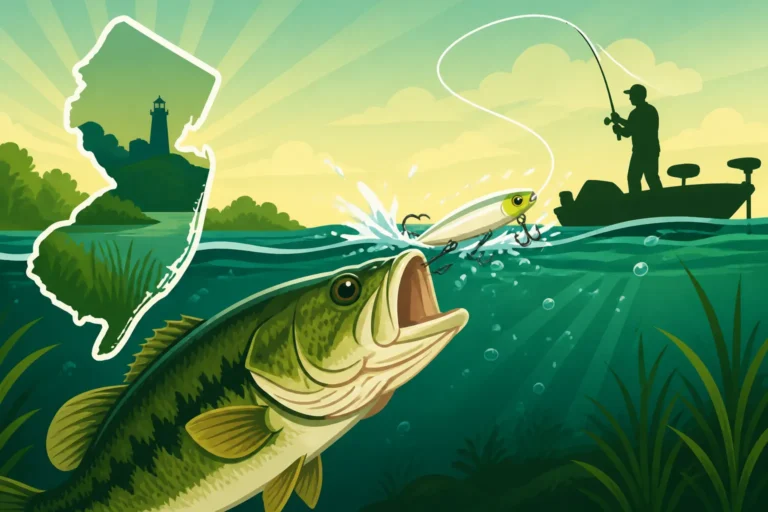
- Topwater Lures: There's nothing more exciting than a smallmouth exploding on a topwater lure! Poppers, walking baits, and prop baits can be deadly during low-light conditions (dawn, dusk) or on overcast days, particularly in calmer pools or eddies. These lures imitate struggling baitfish or insects on the surface, triggering aggressive reaction strikes. Don't be afraid to throw a smaller topwater; sometimes the biggest fish will hit the most subtle offering.
- Spinnerbaits and Buzzbaits: These are excellent search baits for covering a lot of water quickly. Spinnerbaits with willow or Colorado blades create flash and vibration that can draw strikes in stained water or during faster retrieves. Buzzbaits are a topwater option that creates a commotion on the surface, great for aggressive fish in shallower areas or around emergent vegetation (though less common in the main stem of the Delaware, more so in backwater pockets).
| Lure Type | Best Conditions | Retrieve Method | Notes |
|---|---|---|---|
| Tube Jigs | All-around, especially clear to slightly stained | Drag, hop, or swim along the bottom | Mimics crawfish, baitfish; versatile, highly effective. |
| Ned Rigs | Finesse situations, clear water, pressured fish | Slow drag, subtle hops, dead-sticking | Subtle, stand-up presentation; great for finicky bites. |
| Crankbaits | Aggressive fish, covering water, varying depths | Steady retrieve, occasional twitch | Good for finding active fish; choose depth based on water. |
| Jerkbaits | Suspended fish, clear water, reaction strikes | Twitch-twitch-pause, erratic retrieves | Mimics wounded baitfish; effective in cooler water. |
| Topwater Lures | Low light, calm water, aggressive fish | Walk-the-dog, pop, chug, pause | Exciting strikes; best in shallower, calmer areas. |
| Spinnerbaits | Stained water, wind, covering water | Steady retrieve, slow-roll, bump structure | Flash and vibration attract fish in less clear conditions. |
Proven Techniques for Delaware River Smallmouth
Catching smallmouth bass in the Delaware isn't just about having the right gear; it's about knowing how to present your lures and understanding the fish's behavior in different river scenarios.
Wading and Bank Fishing Strategies
Wading the Delaware River can be an incredibly rewarding experience, offering access to prime smallmouth habitat that you might miss from the bank. However, safety is paramount. Always wear a good pair of wading boots with felt soles or studs for grip on slippery rocks, and a wading belt to prevent water from filling your waders if you fall. A wading staff is also a wise choice for maintaining balance and probing the bottom before stepping. Start by targeting visible current breaks, seams, and eddies. Cast upstream and allow your lure to drift naturally with the current, retrieving just fast enough to keep slack out of your line and maintain control. This is a common tactic when learning how to fish New Jersey's tidal rivers, as current plays such a vital role.
When fishing from the bank, look for access points where the river bends or where there's significant rock outcroppings. The areas around these features often have deeper pockets or current breaks that hold fish. Fan casting, where you cast to different angles across the water in a fan shape, is a great way to cover a lot of ground and locate active fish. Pay close attention to the area directly in front of you as well; often, the biggest fish are holding closer to shore than you'd expect, especially around undercut banks or fallen trees. Remember that smallmouth bass can be surprisingly close to shore, particularly in the early morning or late evening.
Kayak and Boat Fishing Tactics
For covering more water and accessing deeper runs or mid-river structures, a kayak or small boat is invaluable. Kayak fishing on the Delaware River for smallmouth bass is increasingly popular, offering a stealthy approach and the ability to navigate shallower areas that larger boats can't reach. A sit-on-top fishing kayak, readily available from online retailers like Amazon, offers stability and plenty of room for gear. When fishing from a boat or kayak, you have a few options:
- Drifting: This is a highly effective way to cover long stretches of river. Position your vessel upstream of a promising area, deploy a drift sock or anchor intermittently to control your speed, and cast ahead of your drift, working your lure through the various current seams and pockets as you float downstream. This allows for a very natural presentation of your lures.
- Anchoring: If you find a particularly productive spot, like a deep hole behind a large rock formation or a complex current seam, anchoring up can allow you to thoroughly work the area. Use a sturdy anchor that can hold in strong current, and ensure your anchor rope is long enough to set securely.
Using a fish finder, even a basic portable model, can help identify submerged structure and locate schools of baitfish or smallmouth. However, don't rely solely on electronics; learning to read the river visually—identifying changes in current, depth, and bottom contour—is a fundamental skill for river anglers.
Reading the River: Identifying Productive Spots
One of the most crucial skills for any Delaware River smallmouth angler is learning to "read the water." This isn't about magic; it's about understanding how water flows and how fish respond to it. Look for areas where the current changes speed or direction.
- Current Seams: These are lines where fast-moving water meets slower water. They are prime ambush points for smallmouth because baitfish are often swept along the faster current, then pushed into the calmer water where bass can easily snatch them.
- Eddies: These are pockets of relatively still water, often behind large rocks, bridge pilings, or along sharp bends in the river. Baitfish often seek refuge here, and smallmouth will stage at the edge of the eddy, darting out to feed.
- Riffles and Runs: Riffles are shallow, fast-moving sections of the river, while runs are deeper, but still fast-moving sections. Smallmouth will often hold in the deeper slots and pockets within these areas, especially during cooler parts of the day.
- Submerged Structure: Beyond obvious rocks and logs, keep an eye out for subtle signs of underwater structure, like slight disturbances on the surface or darker patches of water indicating deeper holes. Learning to identify these spots will significantly increase your catch rate. This foundational knowledge is also critical for strategies like how to fish New Jersey's Artificial Reefs for different species.
Optimal Timing and Seasonal Considerations
Just like humans, smallmouth bass change their behavior with the seasons. Understanding these shifts will help you predict where they'll be and what they'll be willing to eat.
Spring Run and Pre-Spawn Patterns
As the ice melts and water temperatures in the Delaware River begin to climb, usually into the 40s and 50s Fahrenheit, smallmouth bass start to emerge from their deeper wintering holes. This is the "spring run" or pre-spawn period, and it can be some of the most exciting fishing of the year. Fish become increasingly active and aggressive as they prepare for spawning. They'll move into shallower areas with a good current, often near gravel beds or rocky flats, seeking out warmer water and abundant food.
During this time, smallmouth are trying to pack on calories, making them vulnerable to a variety of lures. Jerkbaits are particularly effective as they can be paused in the cooler water, mimicking a sluggish baitfish. Spinnerbaits retrieved slowly, or even a classic tube jig bounced along the bottom, can also provoke fierce strikes. Focus on sunny days when the water warms up a degree or two, as this often triggers increased feeding activity. Many anglers compare the pre-spawn aggressiveness of smallmouth in the river to the feeding frenzy that occurs when learning the best time of year to fish for striped bass in New Jersey's coastal waters – both species are hungry and ready to bite!
Summer Heat and Low Water Tactics
Summer on the Delaware River can present its own set of challenges, especially when temperatures soar and water levels drop. Smallmouth bass become more lethargic and will seek refuge in cooler, deeper water, often holding tight to significant structure or finding shade under overhanging trees and undercut banks. The fishing can get tough in the middle of the day, but savvy anglers know how to adjust.
During these conditions, finesse tactics often outshine power fishing. Lighter lines, smaller baits, and slower presentations become the norm. Ned rigs, drop shots, and small tube jigs fished painstakingly slow are excellent choices. Concentrate your efforts during the cooler parts of the day – early morning and late evening – when fish are more likely to move out of their deep cover to feed. Pay close attention to areas with good current flow that might be oxygenating the water more effectively, or deeper pools with plenty of submerged boulders. Kayak anglers often find success during these times, as they can quietly access hard-to-reach pockets of cooler water.
Fall Feeding Frenzy
As autumn leaves begin to change and water temperatures start to drop into the 60s and 50s Fahrenheit, the Delaware River smallmouth bass enter their fall feeding frenzy. This is another prime time for anglers, as the fish become incredibly aggressive, trying to bulk up for the lean winter months ahead. They’ll be actively chasing baitfish and gorging on crawfish, making them less picky about what they strike.
Larger crankbaits, spinnerbaits, and even topwater lures can be incredibly effective during the fall, especially on warmer days. Smallmouth will often school up in deeper pools or along transition areas where they can easily move between shallower feeding flats and deeper holding areas. Covering water effectively with moving baits is a great strategy to locate these aggressive schools. As the season progresses and temperatures continue to fall, smallmouth will eventually retreat to their wintering holes, often deeper, slower sections of the river. But before that happens, the fall can offer some of the most thrilling smallmouth action on the Delaware.
Disclaimer
Fishing conditions and regulations can change rapidly. Always consult the official New Jersey Fish and Wildlife Digest or their website for the most current rules, regulations, and advisories before heading out on the water. Stay safe and be mindful of local conditions.