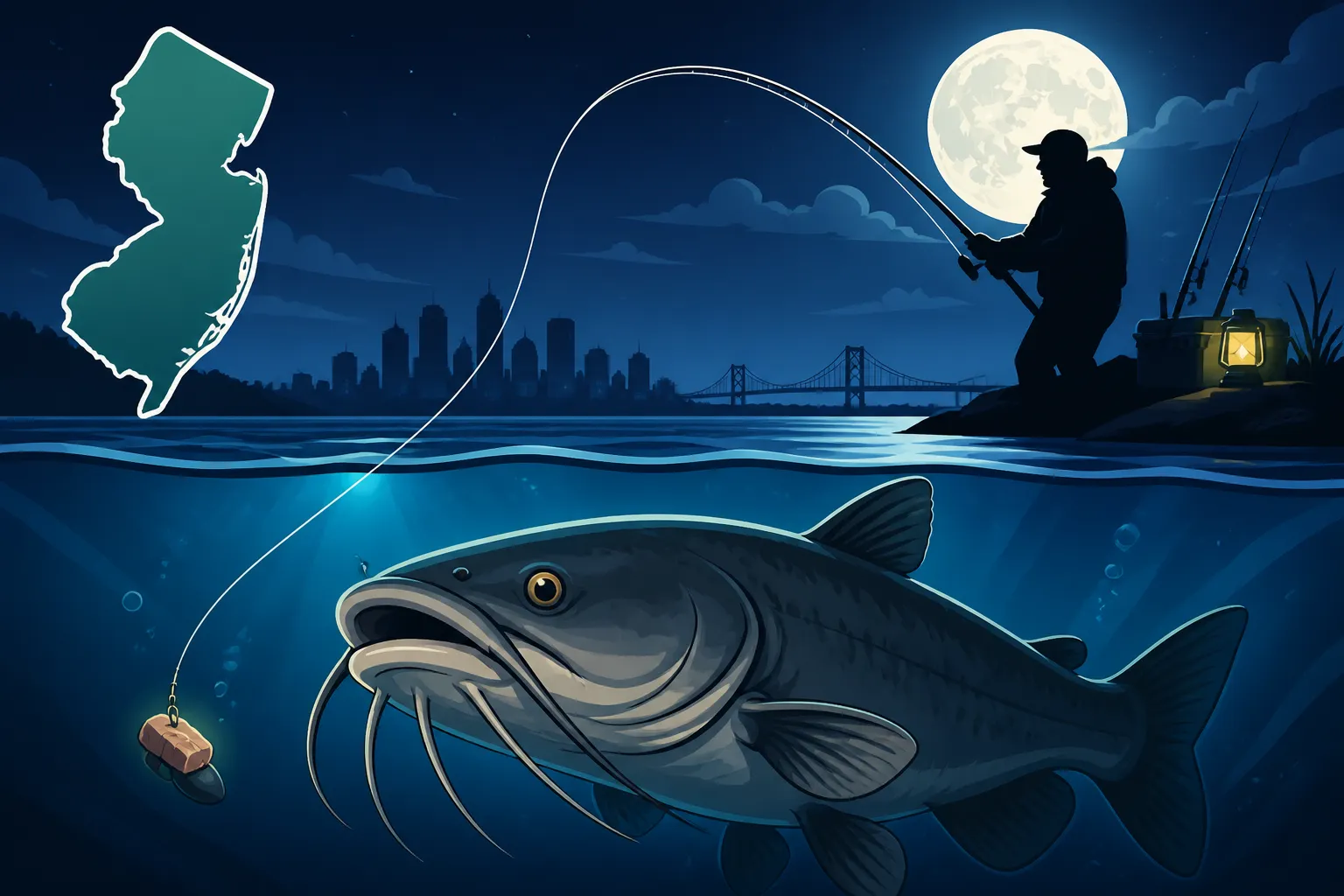
How to Catch Catfish After Dark
There's a special kind of quiet that falls over the water once the sun dips below the horizon in New Jersey. Many anglers pack up their gear, thinking the day's fishing is done, but they're missing out on some of the most thrilling action the state's freshwater bodies have to offer: night fishing for catfish. This guide is dedicated to unlocking the secrets of targeting these whiskered predators after dark, helping you transform those peaceful night hours into exciting fishing memories.
Why Catfishing After Dark is a Smart Move in New Jersey
When most people think of fishing, they picture sunny days and calm waters. But if you're overlooking the nocturnal world of catfish, especially here in the Garden State, you're truly missing out. Catfish become incredibly active once the light fades, and understanding their nighttime habits can significantly boost your success rate.
Understanding Catfish Behavior at Night
Catfish, particularly channel catfish and bullheads, are primarily nocturnal feeders. This means that as dusk settles and into the deep hours of the night, their activity levels surge. Why is this? A few key reasons play into their preference for the dark. Firstly, their highly developed senses – especially their barbels (whiskers) which are packed with chemoreceptors, and their keen sense of smell – are perfectly adapted for low-light conditions. They don't rely on sight as much as many other predatory fish, making them efficient hunters when visibility is poor. They use these sensory organs to detect prey through scent trails and vibrations in the water, navigating and feeding with confidence.
Secondly, many of their preferred prey items, like smaller baitfish, crawfish, and various insects, become more active or vulnerable under the cover of darkness. This creates a prime feeding window for the catfish. Think about it: a baitfish hiding during the day might venture out more openly at night, making it an easier target for a patrolling catfish. This behavioral shift is a huge advantage for the night angler.
Advantages of Fishing Under the Stars
Beyond just increased activity, there are several compelling reasons why venturing out after dark for catfish is a fantastic idea. One of the most immediate benefits is the reduced pressure from other anglers. During daylight hours, popular spots can get crowded, making it harder to find your own space or to present your bait effectively without interference. At night, you often have the water to yourself, or at least share it with a much smaller, more dedicated group of nocturnal enthusiasts. This tranquility allows for a more relaxed and focused fishing experience.
Another huge advantage is the size of the fish you're likely to encounter. Larger, more cautious catfish often shy away from daylight activity, preferring the safety and cover of night to feed. This means your chances of hooking into a trophy-sized channel cat or a hefty bullhead can dramatically increase once the sun goes down. Plus, the cooler night temperatures can make for a more comfortable experience for both you and the fish, especially during the sweltering New Jersey summer months. Fish are often more energetic and fight harder in cooler water, making for a more exciting battle on the line.
Gearing Up for Your Nocturnal Catfish Adventure
Embarking on a night catfishing trip requires a bit more preparation than your typical daytime excursion. The right gear not only enhances your chances of success but also ensures your safety and comfort when you're out there in the dark.
Essential Rods, Reels, and Lines for Night Fishing
For catfish, especially the larger ones, you'll want a sturdy setup that can handle some serious pulling power. A medium-heavy to heavy action rod, typically seven to nine feet in length, is ideal. This length provides good casting distance and enough backbone to manage a strong catfish. Paired with a baitcasting or spinning reel capable of holding at least 150-200 yards of line, you'll be well-equipped. Many anglers find baitcasting reels offer more power and control for larger cats, but a good quality spinning reel works just fine, especially for beginners.
When it comes to line, braided line in the 20-50 lb test range is a popular choice due to its strength, sensitivity, and resistance to abrasion. However, monofilament in the 15-30 lb test range can also be effective, offering more stretch which can be forgiving during powerful runs. A fluorocarbon leader might be added for its invisibility and abrasion resistance, especially if fishing around submerged structure. You can find a wide array of options for lines and tackle on sites like Amazon, making it easy to prepare for your trip.
Don't forget the terminal tackle! Heavy-duty swivels, 2/0 to 8/0 circle hooks (which are excellent for catfishing as they typically hook in the corner of the mouth, reducing gut hooks and making catch and release easier), and an assortment of sinkers (egg sinkers or flat bottom sinkers from ½ oz to 3 oz depending on current and bait size) are crucial. A basic Carolina rig or a three-way swivel rig are go-to setups for catfishing, allowing your bait to sit naturally on the bottom where catfish often feed.
The Best Baits to Entice Nighttime Catfish
Catfish are known for their voracious appetites and their love for strong-smelling baits. When fishing after dark, amplifying these scents is key. Fresh cut bait is arguably one of the most effective options. Small panfish like sunfish or perch, or oily baitfish like bunker (menhaden) or herring, cut into chunks, release a potent scent trail that catfish find irresistible. For more details on what these fish prefer, check out our guide on the Best Bait for Channel Catfish.
Another highly effective option is chicken livers. They are notoriously messy but their strong scent and soft texture are a catfish magnet. Other popular stink baits, dough balls, and commercially prepared catfish baits can also work wonders. Some anglers even use hot dogs, shrimp, or pieces of soap! Experimentation is often the key to finding what works best on any given night. The more pungent, the better for night fishing.
Live baits like shiners, crawfish, or even large nightcrawlers can also be very productive, especially if presented near structure. Catfish often cruise along the bottom, looking for easy meals, and a struggling live bait can quickly grab their attention.
Must-Have Safety and Comfort Items for After-Dark Angling
Safety and comfort become paramount when you're out in the dark. First and foremost, a reliable headlamp is non-negotiable. Look for one with different brightness settings and, ideally, a red light option to preserve your night vision. Glow sticks can also be incredibly useful, especially clipped to your rod tip to help you see those subtle bites when the light is minimal. You can stock up on both headlamps and glow sticks easily on Amazon before your next trip.
A sturdy pair of closed-toe shoes or boots with good traction is important, as you'll be navigating in the dark on potentially uneven or slippery terrain. Insect repellent is another essential, especially during the warmer months when mosquitoes and other biting bugs are out in force. A small first-aid kit, a fully charged cell phone, and enough water and snacks will ensure you're prepared for any situation. Remember, you're often far from immediate assistance at night. Also, always tell someone where you're going and when you expect to return. For a quick refresh on general rules, you might want to read New Jersey Freshwater Fishing Regulations Every Angler Should Know.
Tactical Approaches to Night Catfishing Success
Simply showing up after dark isn't enough; knowing where to cast, how to detect a bite, and how to safely manage your catch will make all the difference.
Locating Catfish in the Dark
Finding catfish at night involves thinking about where they would naturally ambush prey. Focus on areas that offer cover, current breaks, or sudden changes in depth. In rivers and larger streams, look for outside bends, deep holes, submerged logs, brush piles, or undercut banks. These are prime ambush points where catfish can lurk, waiting for food to drift by or for smaller creatures to emerge from cover. The Delaware River, for example, offers excellent opportunities in its deeper, slower sections.
In lakes and ponds, target drop-offs, humps, submerged structure like old tree stumps or rock piles, and points that extend into deeper water. Areas near creek mouths or inlets where fresh water flows in can also be hotspots, as these often carry food into the main body of water. During the warmer months, catfish might even venture into shallower flats to feed under the cover of darkness. Don't be afraid to cast your bait into what seems like open water if you know there's a good drop-off nearby. Places like Assunpink Lake are known for their catfish populations, so seeking out these features there could be very productive.
Reading the Bite and Setting the Hook
Catfish bites at night can range from subtle taps to aggressive, rod-bending strikes. Sometimes, it feels like a slow, steady pull as they mouth the bait. Other times, your rod tip will suddenly lunge towards the water. This is where those glow sticks on your rod tips really come in handy – a visual indicator of a take is invaluable when you can't see your line.
Using circle hooks is highly recommended for catfishing, especially at night. With circle hooks, you typically don't need a forceful hookset. Instead, when you feel a bite, simply reel down slowly until your rod bends, and then lift the rod to begin fighting the fish. The design of the circle hook will naturally set itself in the corner of the fish's mouth as it pulls away, making it easier on the fish if you plan to release it. Patience is key; let the fish take the bait confidently before reacting.
Respecting the Resource and Staying Safe
Part of the joy of fishing is preserving the experience for future generations. If you're practicing catch and release, handle catfish carefully. Their pectoral and dorsal fins have sharp spines that can inflict painful punctures, so a good pair of gloves and a lip gripper are invaluable tools for safe handling. Try to keep the fish in the water as much as possible, especially larger specimens, for photos and release. If you're unsure about specific regulations for catfish, always consult the current New Jersey Fish and Wildlife Digest to understand How Bag and Size Limits Work in New Jersey and any specific rules for different species you might encounter.
Always remember that New Jersey has specific rules regarding fishing licenses, so make sure you understand the New Jersey Resident Fishing License Requirements or New Jersey Nonresident Annual Fishing License Requirements if you're visiting. Also, know the specific regulations for the water body you're fishing. For example, some state parks might have different hours or access rules at night. Be aware of your surroundings; wildlife is more active at night, and navigating in the dark requires extra caution. Always illuminate your path and be mindful of other anglers or any potential hazards. Night fishing for catfish is a truly rewarding experience, offering a unique blend of peace and excitement, but it demands respect for both the environment and safety protocols.
Disclaimer
This article is for general informational purposes only and does not constitute professional advice. Laws, prices and regulations vary by location and change over time. Consult a qualified professional for guidance on your specific situation.