How Deep Do You Need to Fish for Black Sea Bass?
There's nothing quite like the thump of a black sea bass hitting your jig, but getting to that point can sometimes feel like a treasure hunt, especially when you're trying to figure out just how deep these elusive fish are holding. It's a common frustration for many anglers in New Jersey: one day they're shallow, the next you can't find them anywhere. This guide will dive deep into the world of black sea bass, helping you understand their preferred depths, how they change with the seasons and conditions, and the best ways to pinpoint them for a successful day on the water.
Understanding Black Sea Bass Habitat and Depth Preferences
Black sea bass, or Centropristis striata if you're feeling fancy, are fascinating creatures. They're not just swimming around aimlessly; they have very distinct preferences for where they like to hang out, and these spots often dictate the depths at which you'll find them. They're bottom dwellers, which is your first big clue, but "bottom" can mean a lot of things in the vast waters of New Jersey.
One of the biggest factors influencing where these fish decide to settle down is structure. Think about it from a sea bass's perspective: you need shelter from predators, a place to ambush prey, and perhaps a cozy spot to spawn. Flat, featureless sand or mud bottoms just don't cut it. They crave complexity – rocks, reefs, wrecks, mussel beds, jetties, bridge pilings, and even discarded debris on the seafloor. These structures provide everything a sea bass needs, and it's around these features that you'll typically find them, regardless of the precise depth. Knowing this preference for structure is key, because it means that even if you're fishing a relatively shallow area, if there's good structure, there might be sea bass.
Seasonal Migrations and Depth Changes
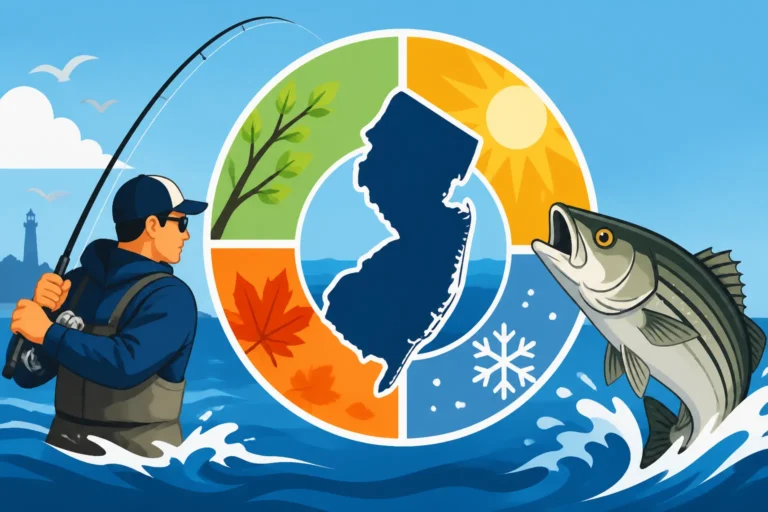
Black sea bass are not static residents; they're quite the travelers, especially when the water temperature starts to shift. Their depth preferences are heavily influenced by the changing seasons, which in New Jersey can swing from icy cold to bathwater warm. Understanding these migrations is paramount if you want to be on the fish consistently.
In the colder months, typically from late fall through winter, black sea bass tend to move offshore to deeper, more stable waters. This deep migration helps them find warmer, more consistent temperatures where they can conserve energy. You might find them anywhere from 80 to over 200 feet deep during this time, congregating in massive schools around significant offshore structures like artificial reefs, deepwater wrecks, and natural rockpiles. These are often the times when party boats and private charters specifically target them in the deeper canyons and ledges off the coast, often as part of a mixed bag with other winter wreck species.
As spring arrives and the inshore waters begin to warm up, these fish start their journey back towards the coast. They're following baitfish and seeking out suitable spawning grounds. You'll often find them in intermediate depths, say 40 to 70 feet, around rocky areas and reefs closer to shore. By late spring and early summer, some of the larger females will even move into the shallower bay and inlet waters, sometimes as shallow as 20-30 feet, especially if there's good structure like bridges or mussel beds available. This is a fantastic time for anglers with smaller boats to get in on the action without having to run too far offshore.
Come fall, as the water cools again, the sea bass begin their transition back offshore. They might hang in those 40-70 foot ranges for a while, providing some excellent fishing opportunities, before making their deeper push. This ebb and flow with the seasons is critical to tracking them. Many seasoned anglers keep a close eye on water temperature charts, almost as much as they do tide charts, because temperature is such a dominant driver of these movements. For more details on fishing techniques tailored to specific times of the year, you might find our guide on New Jersey Black Sea Bass Season and Limits very helpful.
Structure, Bottom Type, and Cover
As mentioned, structure is the holy grail for black sea bass. It's not just a preference; it's a necessity for their survival and hunting strategy. Imagine a vast, open desert; now imagine an oasis with rocks and caves. That's how a sea bass views the ocean floor.
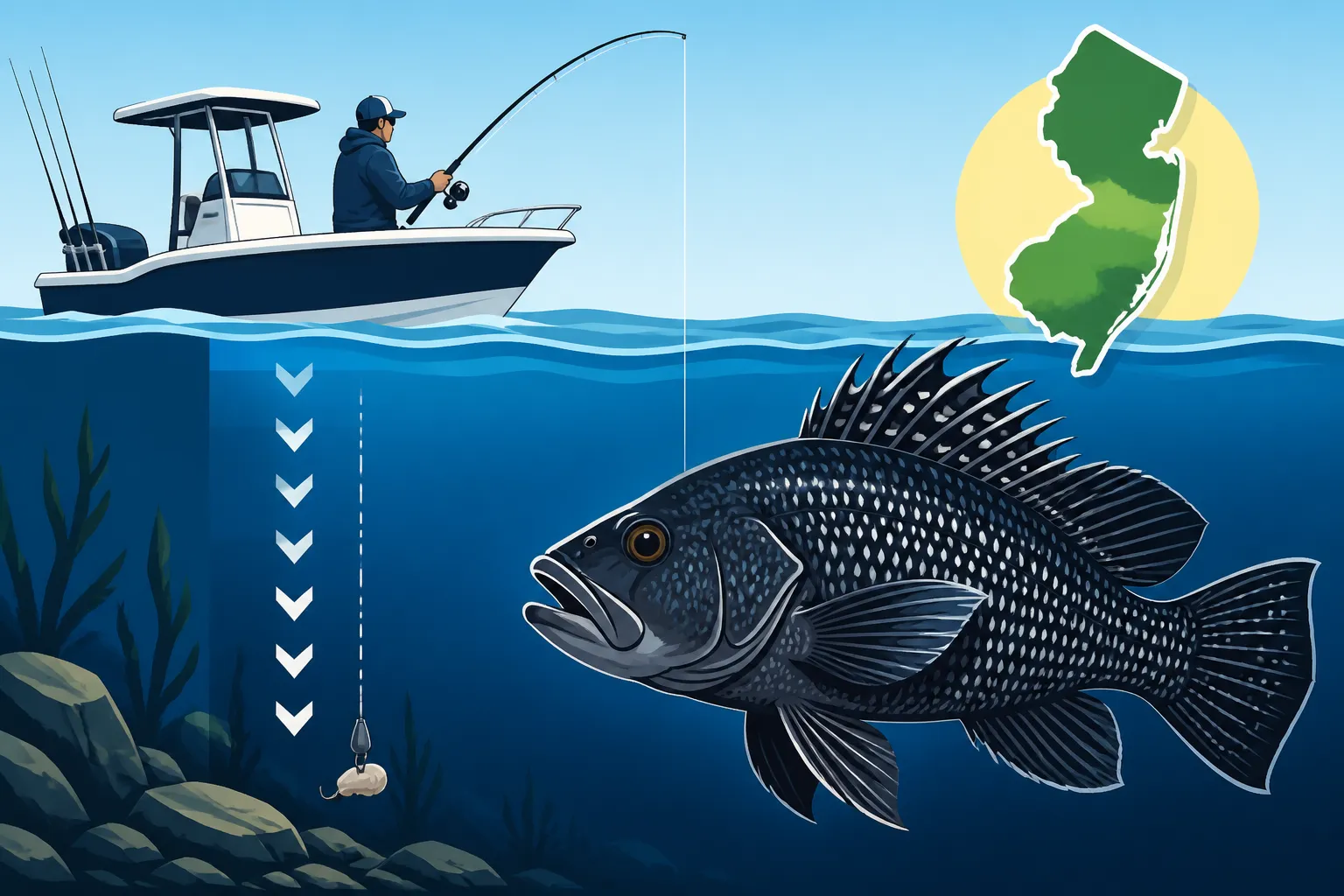
They thrive on hard, irregular bottoms. Think of areas choked with mussel beds, clusters of boulders, sunken trees, or artificial reefs. These features provide countless nooks and crannies for them to hide in and ambush prey. It's not uncommon to find them stacked up literally on top of each other in tight schools around a particularly inviting piece of structure. The depth of this structure often dictates the depth at which you'll find the fish. If there's a wreck sitting in 100 feet of water, the sea bass will be on or immediately around that wreck, at that 100-foot depth. If a natural rockpile rises from 60 feet, then 60 feet is where you'll be dropping your lines.
New Jersey is fortunate to have a fantastic system of artificial reefs, specifically designed to attract species like black sea bass. These reefs, built from old subway cars, military tanks, concrete pipe, and even tire pyramids, are magnets for marine life. If you're wondering How to Fish for Black Sea Bass Near Reefs, these spots are exactly where you need to be. Learning to interpret your fish finder to identify these structures is a game-changer. You're not just looking for fish; you're looking for the habitat that holds the fish. Without structure, deep or shallow, you're unlikely to find a good concentration of black sea bass.
Typical Depths for Black Sea Bass in New Jersey Waters
So, what are we actually talking about when we say "deep"? It's a relative term, right? For black sea bass in New Jersey, the typical depths can vary wildly depending on whether you're fishing in the calmer, shallower back bays or venturing miles offshore into the open Atlantic. There isn't a single magic number, but there are definitely common ranges you'll encounter.
Nearshore vs. Offshore Black Sea Bass
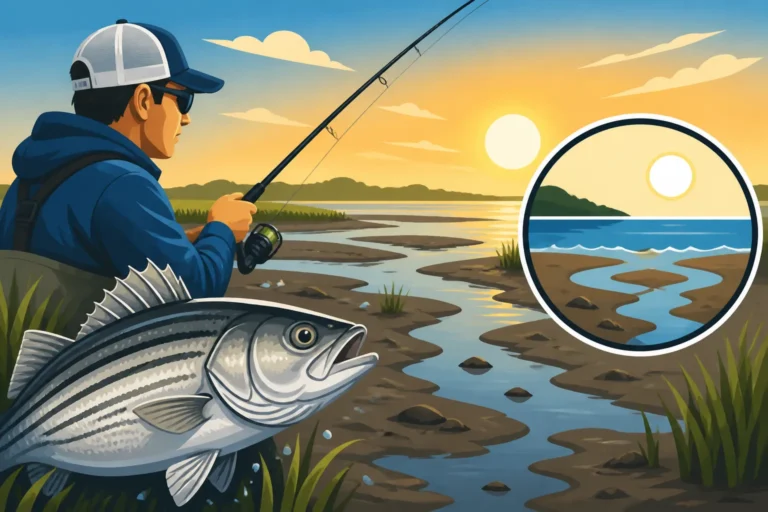
When we talk about "nearshore," we're generally referring to areas within a few miles of the coastline, including inlets, bays, and very close-to-shore ocean structures. For black sea bass in these spots, especially during the warmer months, you might find them in depths ranging from 20 to 60 feet. This could be around bridge pilings in a major inlet like the Manasquan Inlet, over mussel beds in Barnegat Bay, or on rocky patches just a mile or two off the beach. These fish tend to be smaller on average, though you can certainly pull out some respectable keepers. Accessing these nearshore spots often doesn't require a large offshore boat, making them popular targets for smaller skiffs and even kayaks.
Venturing "offshore" changes the game entirely. Once you're several miles out, beyond the 60-foot mark, the depths quickly increase. Offshore black sea bass fishing often takes place in 60 to 150 feet of water, and sometimes even deeper, down to 200+ feet for the larger, wintering aggregations. Here, you're targeting those significant artificial reef sites, natural rock formations, and shipwrecks that dot the New Jersey seafloor. These deeper grounds are where you'll find the truly impressive specimens, often referred to as "hubcaps" due to their broad, plate-like bodies. Charter boats and larger private vessels are typically used for these excursions, as the run can be considerable and conditions can change quickly. For those looking to experience this, a New Jersey Deep Sea Fishing Charters trip is often the best bet.
Impact of Tides and Currents on Depth
It's easy to just think about static depth, but the ocean is a dynamic environment, and tides and currents play a huge role in where fish position themselves. Black sea bass are no exception. While they are bottom dwellers, strong currents can influence their exact holding patterns.
During periods of strong current, sea bass might tuck themselves even tighter into the lee side of a structure, seeking refuge from the flow. This could mean they're literally hugging the back side of a rockpile or an old wreck, making it crucial to position your boat correctly to drop your bait or jig right into their strike zone. Conversely, during slack tide or periods of very light current, they might spread out a bit more from the structure, becoming easier to pick off. Understanding How to Read Tide Charts for Better Fishing in New Jersey can give you a significant advantage, helping you anticipate these movements and plan your drifts accordingly.
The current also affects how your bait or jig gets down to the fish. In strong currents, you'll need significantly heavier sinkers or jigs to reach the desired depth and stay there. If you're fishing in 80 feet of water with a ripping current, a light 2-ounce bucktail might barely make it past 20 feet before being swept away. You might need 6, 8, or even 10 ounces of lead to maintain bottom contact. This is a common challenge for anglers targeting deepwater sea bass, and it's something you quickly learn to adapt to on a good party boat trip. The captain and mates will often call out the recommended weight needed, which is invaluable information.
Finding the Right Depth: Techniques and Tools
Knowing that black sea bass prefer structure and change their depths with the seasons and currents is one thing, but actually finding them is another. Thankfully, modern technology and time-tested techniques make this a lot more manageable than it used to be. You don't need to just guess; you can actually see what's happening beneath the waves.
Using Sonar and Fish Finders
A quality fish finder is arguably the most important piece of equipment for consistently locating black sea bass, especially when fishing deeper waters. These devices use sonar technology to send sound waves down to the bottom, which then bounce back and create an image on your screen. You can see the contours of the seabed, identify structures like wrecks or rockpiles, and most importantly, detect schools of fish.
When you're searching for black sea bass, you're not just looking for "arches" that indicate fish. You're looking for those arches over or around the structure. A good fish finder will clearly show you the difference between a sandy bottom and a rocky bottom, or even the outline of a sunken vessel. You'll want to slowly motor over potential spots, watching your screen for any changes in bottom composition or the presence of fish. Mark those spots with your GPS! It’s a huge time saver. Many modern units, like those from Garmin or Lowrance, offer incredibly detailed side-scanning and down-scanning capabilities that can literally paint a picture of the underwater world, helping you pinpoint exactly where the fish are holding against the structure. You can often find a wide range of these units, from budget-friendly options to high-end professional models, if you search online on platforms like Amazon, making it easier than ever to equip your boat with this essential tool.
Once you’ve marked the structure and potentially the fish, the next step is to figure out the drift. You want your bait or jig to pass directly over or into the heart of that structure. If the current is strong, this can be tricky, requiring precise boat handling or repeated drifts until you dial it in.
Employing Different Fishing Methods
Even with the best electronics, your fishing method still needs to be effective at the depth you're targeting. For black sea bass, the primary methods involve getting your offering right on or very near the bottom.
Jigging is incredibly popular and effective for sea bass. This involves using lead jigs, often tipped with a Berkley Gulp! grub or a strip of natural bait, and working them vertically off the bottom. The weight of the jig needs to match the depth and current conditions. If you're in 80 feet of water with a mild current, a 4- to 6-ounce bucktail jig might be perfect. You drop it to the bottom, reel up a few feet, and then aggressively jig it up and down, letting it fall back to create a darting motion. The sea bass often hit it on the fall, so pay close attention to any sudden slack in your line. You can find a huge variety of bucktail jigs and soft plastics, like those indispensable Gulp! baits, on Amazon to match any depth or condition you might encounter in New Jersey.
Bait fishing is another tried-and-true method. High-low rigs, typically with two hooks and a sinker on the bottom, are very common. Baits like fresh clam, squid strips, and pieces of green crab are all highly effective. The key here is also getting your sinker to the bottom and keeping it there. You'll need to choose a sinker weight that’s heavy enough to resist the current but not so heavy that you can’t feel subtle bites. Sometimes a light tap is all you get, and you need to be ready to set the hook. This method is often preferred when the bite is a bit slower or when you're targeting larger, more lethargic fish that might not chase a jig. No matter your chosen method, having the right Best New Jersey Fishing Gear for Beginners will significantly boost your success.
Practical Tips for Maximizing Your Black Sea Bass Catch
Catching black sea bass isn't just about finding the right depth and dropping your line; it's about a combination of factors that, when executed well, can lead to a banner day. From bait selection to boat handling, every detail counts.
Best Baits and Lures for Deepwater Sea Bass
When you're fishing for black sea bass, especially in deeper water where visibility might be lower, bait and lure choice becomes even more critical. You want something that offers strong scent, enticing action, or both.
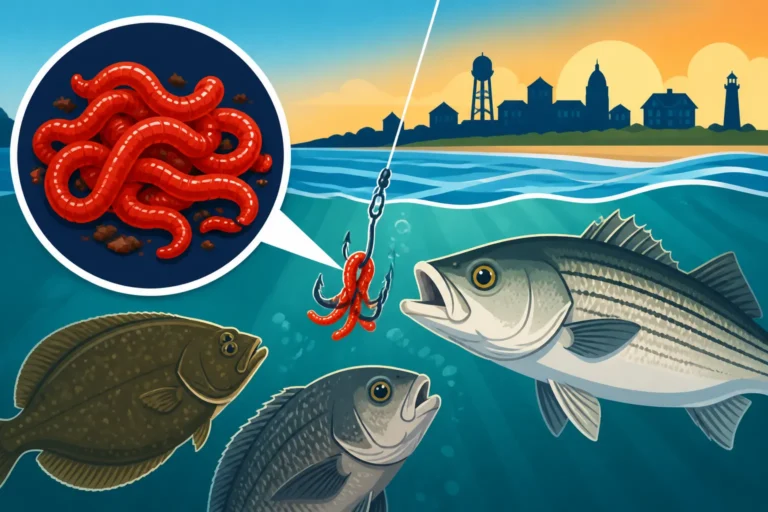
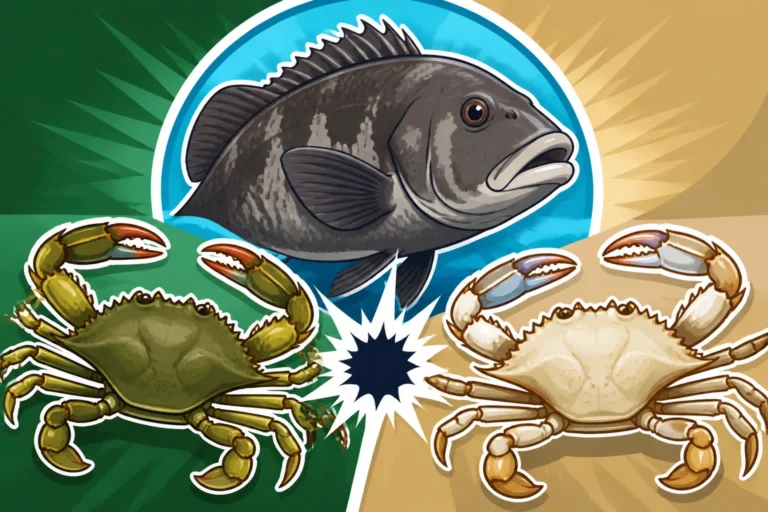
For natural bait, fresh clam is often king. It has a powerful scent that sea bass can detect from a distance, and they absolutely love it. Use strips of fresh clam on a high-low rig, making sure to hook it securely so it doesn't wash off too quickly in the current. Squid strips are another excellent option, offering both scent and durability, making them good for fending off bait stealers. Green crabs are particularly effective for larger sea bass, especially those found around rocky structures. Break the crab in half or quarters and fish it on a single hook, directly on the bottom.
When it comes to lures, bucktail jigs are the undisputed champions. Their versatility allows you to tip them with a piece of clam or squid, or even better, a scented soft plastic like a Berkley Gulp! Grub or a Gulp! Swimming Mullet. The combination of the bucktail's movement and the Gulp!'s scent and texture is often irresistible. White, chartreuse, and pink are popular colors, but don't be afraid to experiment. Drop the jig to the bottom, give it a few sharp jigs, and then let it settle. The bite often comes as the jig descends. You can find a vast array of colors and sizes of these effective baits on Amazon, making it easy to stock up before your next trip.
Importance of Boat Positioning and Drift
Even if you know black sea bass are holding at 100 feet over a specific wreck, getting your bait to them is critical. This is where boat positioning and understanding your drift come into play.
If you're fishing from a private boat, you'll want to use your GPS and fish finder to identify the structure. Then, motor upwind or upcurrent from it, anticipating how the wind and current will move your boat. You want to start your drift far enough away that your bait or jig has time to sink to the desired depth and be directly over the structure as you pass it. This can take some trial and error, but with practice, you'll get a feel for it. Some anglers prefer to anchor directly over a productive piece of structure, especially if it's a smaller spot. This can be very effective, but requires precise anchoring skills to avoid spooking the fish or getting your anchor stuck.
On a party boat, the captain is constantly assessing the drift and adjusting the boat's position. They often make multiple drifts over the same piece of structure, and it's up to you to be ready to drop your line as soon as the signal is given. Listen to the crew; they know these spots intimately and will give you invaluable advice on where to cast and what depth to target. If you’re considering joining one, our New Jersey Party Boat Fishing License Requirements guide can help you prepare.
Regardless of your vessel, paying attention to what other anglers around you are doing can also be helpful. If someone is consistently catching fish, observe their technique, their bait, and how they're working their line. Sometimes a slight adjustment to your presentation, like letting your bait sit a little longer or jigging a bit more aggressively, can make all the difference. And always remember to carry proof of your New Jersey Saltwater Registry Explained because Conservation Police do check!
Here’s a quick overview of typical Black Sea Bass depths in New Jersey:
| Season/Location | Typical Depth Range (feet) | Preferred Structure | Notes |
|---|---|---|---|
| Winter (Offshore) | 80 – 200+ | Deep wrecks, artificial reefs, rockpiles | Larger fish, less active, follow warmer water |
| Spring (Intermediate) | 40 – 70 | Nearshore reefs, rocky ledges | Migrating inshore, spawning activities |
| Summer (Nearshore) | 20 – 60 | Inlets, bays, bridge pilings, mussel beds | Smaller fish, active, feeding aggressively |
| Fall (Intermediate) | 40 – 80 | Nearshore reefs, wrecks | Migrating offshore, fattening up for winter |
Staying Legal and Respecting Limits
Before you even think about dropping a line, it's absolutely crucial to be aware of the current New Jersey Black Sea Bass Season and Limits for 2026. These regulations are subject to change annually, so always consult the latest New Jersey Fish and Wildlife Digest or their website. Black sea bass often have complex regulations, sometimes involving different size and bag limits depending on the time of year or even the type of boat you're fishing from (private vs. party boat). Ignorance of the law is never an excuse, and penalties for violations can be steep. Keep an eye on the official publications; they'll often publish a New Jersey Marine Fish Size Chart 2026 that is extremely helpful.
Responsible angling is about more than just legal limits. It’s also about ethical practices. If you're catching and releasing fish that aren't legal size, handle them with care to ensure their survival. Minimize their time out of the water, use dehooking tools, and try to release them gently, especially in deeper water where barotrauma (the effects of rapid pressure change) can be a concern. A venting tool can be beneficial for fish suffering from barotrauma, helping them swim back down. Always strive to leave the fishing grounds cleaner than you found them, picking up any discarded line or trash.
Disclaimer
Fishing conditions and regulations in New Jersey can change rapidly. Always consult the latest New Jersey Fish and Wildlife Digest or their official website for the most up-to-date information on seasons, size limits, bag limits, and licensing requirements before heading out on the water. This guide is for informational purposes only and should not replace official sources.