Best Time of Day for Fly Fishing Trout Streams
There's nothing quite like the serene beauty of a New Jersey trout stream, fly rod in hand, waiting for that perfect drift. But if you've ever spent hours casting without a single nibble, you know how frustrating it can be, especially when you feel like you've got the right fly and technique. The truth is, trout, like many fish, are creatures of habit and opportunity, and knowing the best time of day to target them can dramatically improve your success. This guide will walk you through the daily and seasonal rhythms that dictate when trout are most active, helping you plan your next fly fishing adventure in the Garden State for maximum enjoyment and results.
Understanding Trout Stream Dynamics: Why Timing is Everything
When it comes to fly fishing for trout in New Jersey's beautiful streams and rivers, it's easy to get caught up in the excitement of a new fly pattern or a shiny new rod. But seasoned anglers will tell you that understanding the nuances of when to fish is often just as crucial, if not more so, than how you fish. Trout are incredibly sensitive to their environment, and subtle shifts in light, temperature, and insect activity throughout the day and across the seasons dictate their feeding behavior. If you're consistently hitting the water when the trout are sluggish or hiding, you're fighting an uphill battle.
The Rhythms of the Day: Light, Temperature, and Insect Activity
Imagine a typical day on one of New Jersey's clear, flowing trout streams, perhaps the Musconetcong or the Pequest River. From dawn to dusk, the conditions are constantly evolving, and trout react accordingly. At its core, a trout's daily life revolves around safety and sustenance. They need to find food without becoming food themselves, and that balance shifts with the rising and setting of the sun.
Light is a huge factor. Too much direct sunlight can make trout feel exposed to predators from above, like ospreys or herons. It also penetrates the water more deeply, revealing your leader and line more easily. Conversely, low light, like at dawn or dusk, provides a natural camouflage, making them bolder in their search for a meal. Water temperature, driven by ambient air temperature and sun exposure, also plays a critical role in a trout's metabolism and comfort level. They're cold-blooded, so their activity directly correlates with the water temperature. Finally, insect activity is often the ultimate determinant of when trout decide to actively feed. Hatches of mayflies, caddisflies, and stoneflies are typically tied to specific times of day, providing predictable windows of opportunity for an opportunistic trout.
How Seasons Shift the Prime Fishing Windows
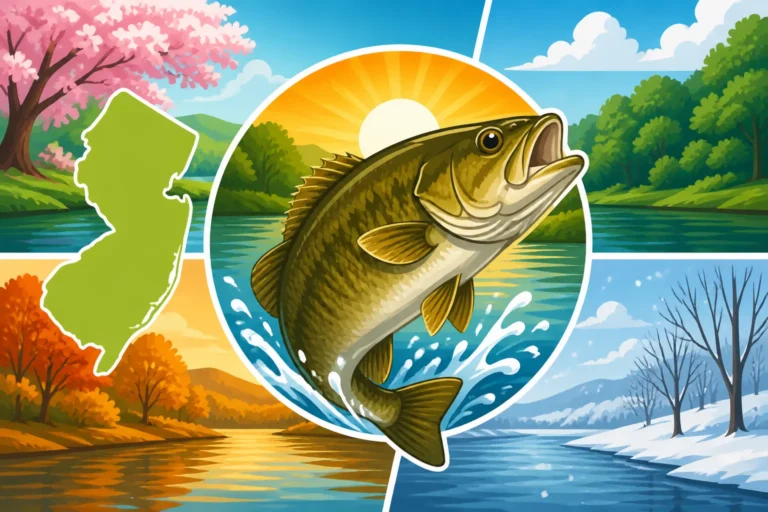
Just as the hours of the day change, so too do the seasons dramatically alter the trout fishing landscape in New Jersey. A spring morning on a stocked stream is a completely different ballgame than a hot summer afternoon on a small, wild trout brook. The state's diverse trout waters, from the well-stocked rivers to the more secluded wild trout streams, all respond uniquely to the march of the calendar. Understanding these seasonal shifts is key to knowing when to even bother heading out, let alone what time of day to concentrate your efforts.
In spring, you're often dealing with colder water and perhaps a lot of energy from recently stocked fish. Moving into summer, high temperatures become a major concern, often pushing trout into deeper, cooler pockets or making them incredibly lethargic. Fall brings a welcome return to cooler, more stable conditions, often triggering aggressive feeding as trout prepare for winter and, for some species, their spawning rituals. And winter, while challenging, can offer rewarding opportunities for the dedicated angler during short, mild windows. Each season essentially reconfigures the "best time" equation, demanding a flexible approach to your fishing schedule. If you want to dive deeper into the annual cycles, check out our guide on New Jersey Trout Season: Spring vs Fall.
Decoding the Daily Clock: Best Times for Fly Fishing Trout
Let's break down the typical day on a trout stream and identify those magical windows when trout are most likely to cooperate with your fly. Remember, these are general guidelines, and local conditions will always dictate the specifics, but these patterns hold true for most New Jersey trout streams.
Dawn Patrol: The Early Bird Catches the Hatch
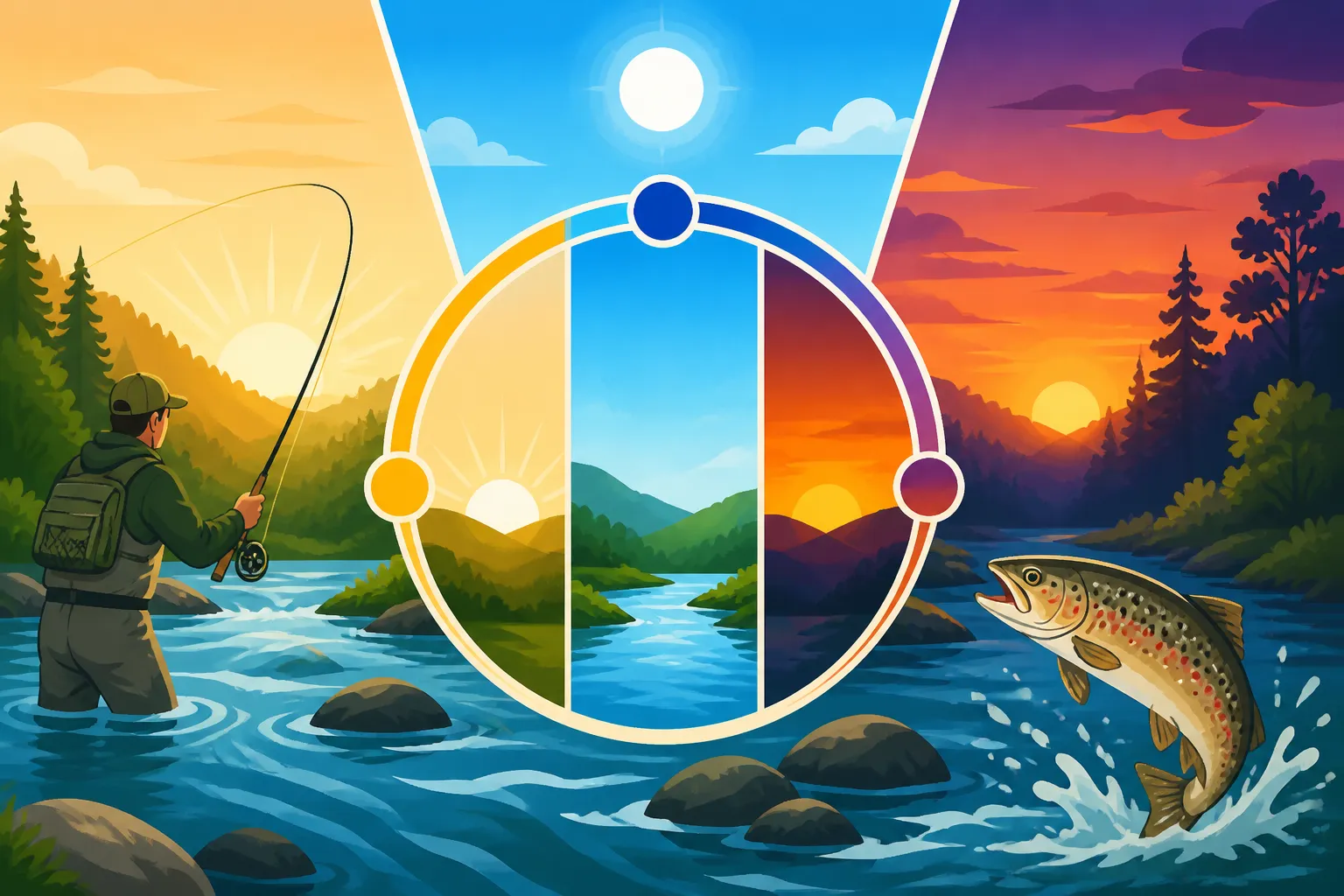
There’s a reason many passionate fly anglers set their alarms before the sun even thinks about rising. The first few hours of daylight, often called the "golden hour" or "morning rise," are frequently the most productive time to be on a trout stream. As the night's chill dissipates and the sun barely kisses the treetops, several factors conspire to make this period exceptional.
First, the low light conditions provide an immense advantage for both trout and angler. Trout feel less exposed, making them more comfortable venturing into shallower, more open feeding lanes. For you, the angler, the soft light reduces glare, often making it easier to spot subtle rises and track your fly, especially if you're using a good pair of polarized sunglasses available from retailers like Amazon. Secondly, water temperatures are typically at their coolest and most stable after the night, which is often ideal for trout activity, especially during warmer months. As the sun rises, water temperatures will gradually increase, influencing fish metabolism. Most importantly, many insect hatches, particularly certain species of mayflies and caddisflies, are programmed to emerge in the cool, low-light conditions of morning. When a hatch is on, trout can become incredibly focused, often feeding voraciously on the surface. This is when your dry fly game can really shine. If you arrive as the sun is climbing high, you might have missed the best of the morning's action.
Midday Lulls: When the Stream Goes Quiet (and What to Do About It)
After the morning flurry, as the sun climbs higher and beats down directly on the water, you'll often notice a significant slowdown in trout activity. This "midday lull" can be the most challenging part of the fishing day. The bright, direct sunlight makes trout wary, sending them seeking refuge in deeper pools, undercut banks, or beneath dense overhead cover. The water temperature, especially in shallower sections, also begins to rise, potentially pushing it outside of a trout's preferred comfort zone and slowing their metabolism.
During this period, trout are less likely to actively feed on the surface. If you see any activity, it's often sporadic and focused on nymphs or small subsurface morsels. This doesn't mean you should pack up and go home, but it does require a significant change in strategy. This is the time for precision nymphing, targeting deep pockets, or exploring shaded areas that might hold cooler water. Slowing down your presentation, focusing on drag-free drifts in likely holding lies, and using smaller, more subtle patterns can sometimes coax a bite. This might also be a good time to take a break, enjoy a packed lunch by the stream, or simply observe the water for signs of an impending evening hatch. If you are struggling, considering deeper techniques like those covered in our article on Nymphing Techniques for Trout Streams might be very helpful.
The Evening Rise: A Second Chance at Success
Just as the morning offers a prime window, the late afternoon and early evening often provide a fantastic second opportunity for productive fly fishing. As the sun dips towards the horizon, the light softens, shadows lengthen, and the water begins to cool down from the day's peak temperatures. These conditions once again bring trout out from their hiding spots, making them more active and willing to feed.
The "evening rise" is a phenomenon every fly angler dreams of, often marked by trout slurping insects off the surface with audible sips and splashes. Like the morning, many insect species, including a variety of caddisflies and mayflies, time their emergence for this period of diminished light. This can lead to intense feeding frenzies that last until true darkness sets in. It’s a magical time, where the challenges of bright midday fishing give way to the exciting anticipation of a topwater strike. Your visibility might decrease, making a headlamp a useful piece of gear to have, perhaps one you ordered from Amazon for quick delivery, but the trout’s eagerness often makes up for it. This period is particularly good for dry fly fishing, but don't discount emergers or small nymphs fished just below the surface, as many fish will still be targeting the insects as they ascend through the water column.
Beyond the Hour Hand: Key Factors Influencing Trout Bites
While the time of day provides a great framework, smart anglers know that successful fly fishing involves far more than just looking at a clock. Trout streams are dynamic environments, and several other critical factors constantly interact to influence when and where trout will feed. Paying attention to these elements can mean the difference between a memorable day and a frustrating one.
Water Temperature and Flow: The Lifeblood of a Trout Stream
For trout, water temperature is paramount. They are cold-blooded creatures, and their metabolism, activity level, and even their survival are directly linked to the water's warmth. Generally, trout are most active and comfortable in water temperatures ranging from about 45 to 65 degrees Fahrenheit (7 to 18 degrees Celsius). Below this range, they become sluggish, feeding less frequently. Above it, they can become stressed, lethargic, and eventually, if temperatures get too high, unable to survive. This is particularly crucial in New Jersey during the summer months; knowing How to Catch Trout in Warm Summer Water involves understanding these thermal limits.
Stream flow, or the volume and speed of the water, is another huge determinant of trout behavior. Optimal flow provides well-oxygenated water, helps dislodge food items from the bottom, and creates predictable holding lies where trout can expend minimal energy while waiting for a meal.
- Low Flow (Drought conditions): Trout become extremely spooky in low, clear water. They retreat to deeper pools or under cover, and feeding windows are short. You'll need lighter tippets and more stealth.
- Moderate Flow (Ideal): This is typically when trout are most active, as food is abundant, and oxygen levels are good. Fish will hold in seams, riffles, and behind structure.
- High Flow (After heavy rain): Water can become murky and powerful, making it hard for trout to hold position or see food. They'll often move to slower eddies, pockets along the banks, or behind large rocks where the current is broken. Fishing after heavy rain can be productive if the water isn't too blown out, as worms and other terrestrial food sources get washed into the stream.
Always try to check local stream reports or even walk the banks before gearing up to get a sense of current conditions.
Reading the Sky: Weather, Barometric Pressure, and Cloud Cover
The weather isn't just about your comfort; it profoundly impacts the trout.
- Cloud Cover: Overcast days often extend the prime feeding windows, as the diffused light makes trout feel more secure throughout the day. This can turn a typically slow midday into a productive one.
- Rain: Light rain can be excellent for fly fishing. It softens the surface, making it harder for trout to see you, and washes terrestrial insects into the water, providing an unexpected feast. Heavy, sustained rain, however, can blow out a stream, making it unfishable due to high, murky water.
- Barometric Pressure: Fish, including trout, are sensitive to changes in barometric pressure. A steady or slowly falling barometer (indicating approaching unsettled weather) often triggers increased feeding activity. A rapidly falling or very low barometer can make fish less active, while a rapidly rising or very high barometer (indicating clear, stable weather) might also slow things down as fish adjust. This is a subtle factor, but consistent anglers often track it.
The Grand Feast: Identifying and Matching the Hatch
Nothing gets trout more excited than a significant insect hatch. When millions of mayflies, caddisflies, or stoneflies emerge, trout will often abandon caution and focus intently on these abundant food sources. This is where the art of "matching the hatch" truly comes into play.
- Observing the Water: Look for rising fish, but also observe the air above the water, the undersides of rocks, and spiderwebs for signs of emerging insects. Collect a few specimens if you can to identify their size, shape, and color.
- Understanding Life Cycles: Different insects hatch at different times of day and different times of the year. For example, some mayflies are known for morning hatches, while many caddisflies are evening risers. Learning about the common aquatic insects in New Jersey's trout streams will give you a significant advantage. A good field guide to local entomology can be a valuable tool, and you can find many comprehensive ones on Amazon.
- Beyond the Hatch: Even if no major hatch is occurring, trout are still feeding subsurface on nymphs and larvae, which are always present. This is why nymphing is a consistently effective technique, regardless of surface activity.
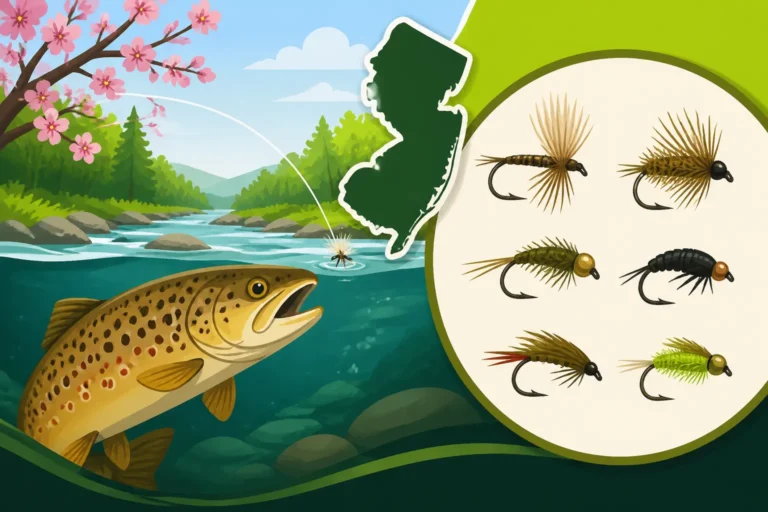
Being able to identify and present the right fly during a hatch is an exhilarating experience, often leading to rapid-fire action. Our guide on Fly Selection for Trout Streams in Spring offers a good starting point for choosing the right patterns.
Optimizing Your New Jersey Fly Fishing Experience
You've learned about the ideal times of day and the influential factors, but how do you put it all into practice for your next outing on a New Jersey trout stream? It's about preparedness, observation, and adaptability.
Essential Gear for Varying Conditions
Having the right gear isn't just about the rod and reel; it's about being ready for whatever the stream throws at you.
- Layers of Clothing: New Jersey weather can be unpredictable. Dress in layers, especially when heading out in the early morning or late evening, as temperatures can fluctuate wildly. A good waterproof and breathable outer shell is essential.
- Polarized Sunglasses: These are non-negotiable. They cut glare, allowing you to see into the water to spot fish, structure, and emerging insects, making your morning and evening efforts much more productive.
- Headlamp: For those pre-dawn starts or when fishing into the twilight, a reliable headlamp is crucial for tying knots, navigating the bank, and ensuring your safety.
- Wading Gear: Depending on the stream, good waders and wading boots with proper traction are vital for accessing prime fishing spots and staying comfortable. Consider a wading staff for added stability, especially on rocky or slippery streambeds. Many reputable brands offer these items, and you can compare options on sites like Amazon.
- A Variety of Flies: Don't limit yourself to just dry flies. Carry a selection of nymphs, emergers, streamers, and dry flies in various sizes and colors to be prepared for changing conditions and different insect activities.
Scout, Observe, and Adapt: The Angler's Mantra
Even with all the knowledge in the world, every day on the stream is unique. The most successful fly anglers are those who are constantly observing and adapting.
- Pre-Trip Scouting: Before you even leave home, check weather forecasts, recent rainfall, and online stream reports if available. This can give you a preliminary idea of water levels and clarity.
- On-Stream Observation: Once you arrive, don't just blindly start casting. Spend 10-15 minutes observing the water. Are there any rises? What insects are flying around? What's the water clarity and temperature like? Are there any obvious holding lies that look promising?
- Experimentation: If your initial strategy isn't working, be willing to change. Switch fly patterns, adjust your depth for nymphing, try a different presentation, or even move to a new section of the stream. Sometimes, a subtle change in fly size or color can make all the difference. Remember that even on days when you’re targeting aggressive trout, sometimes a change of fly to something more subtle, or even trying a different technique like those discussed in How to Fly Fish for Trout in New Jersey Streams, can make the difference.
- Respect the Resource: Always practice good stewardship. Handle fish gently, especially during catch and release, and leave no trace behind. Understanding and adhering to regulations like New Jersey Freshwater Fishing Regulations Every Angler Should Know and How Bag and Size Limits Work in New Jersey is part of being a responsible angler.
Here's a quick summary table to help you plan your day:
| Season | Best Time of Day | Primary Considerations | Recommended Approach |
|---|---|---|---|
| Spring | Morning (Dawn to Mid-morning), Late Afternoon | Warming water, post-stocking activity, strong hatches. | Dry flies, emergers, nymphs (especially during hatches). |
| Summer | Early Morning (Dawn), Late Evening (Dusk) | High water temperatures, low oxygen, fish seeking cool spots. | Small dry flies, light nymphing in deep/shaded areas. |
| Fall | Mid-morning to Late Afternoon | Stable temperatures, aggressive feeding, spawning behavior. | Dry flies, nymphs, streamers (especially for larger fish). |
| Winter | Mid-day (Warmest part of the day, sunny calm days) | Cold water, slow metabolism, short feeding windows. | Deep nymphing, slow presentations, tiny midge patterns. |
Ultimately, the "best" time to fly fish for trout in New Jersey is often when you have the time to go. But by understanding these daily and seasonal rhythms, and by being prepared and observant, you can significantly increase your chances of connecting with these beautiful fish and enjoying a truly rewarding experience on the water. Don't let the clock discourage you, but let it guide you toward smarter, more effective fishing.
Disclaimer
This article is for general informational purposes only and does not constitute professional advice. Laws, prices and regulations vary by location and change over time. Consult a qualified professional for guidance on your specific situation.