Average Length of a Northern Pike in New Jersey
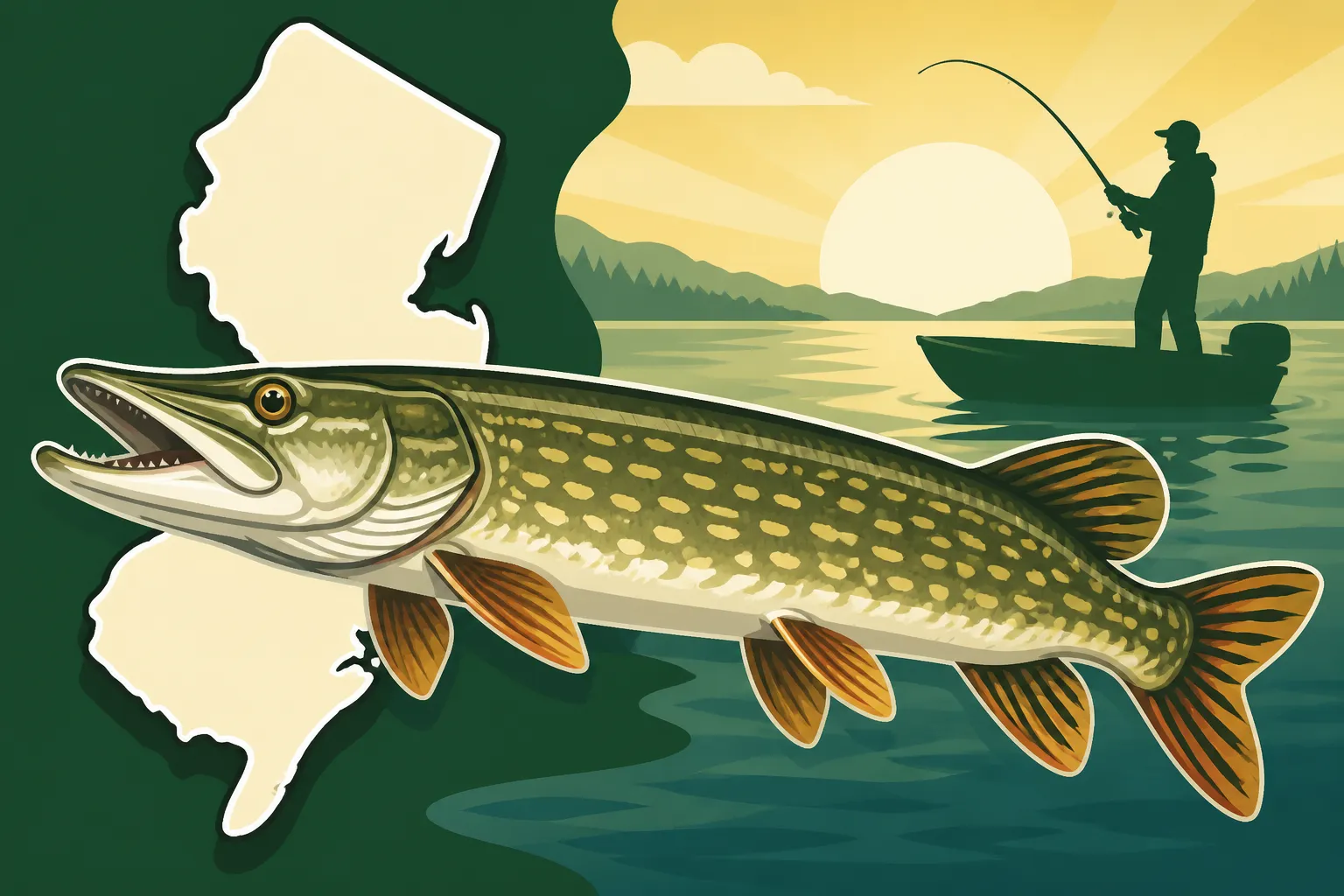
You've probably spent hours out on one of New Jersey's beautiful lakes, hoping to land a formidable Northern Pike. When you hook into one, the first question is always, "How big is this thing, really?" Understanding the average length can set realistic expectations and help you appreciate the catch, whether it's a modest eater or a true trophy. This guide will dive deep into what constitutes an average Northern Pike in our state's waters.
Understanding the Average Length of a Northern Pike in New Jersey
When we talk about the "average length" of a Northern Pike in New Jersey, it's not a hard-and-fast rule, but rather a general range based on observations and angler experiences across the state's various pike waters. These sleek, toothy predators are a thrill to catch, and their size can vary significantly depending on where you're fishing and the conditions of that particular fishery. Unlike some other species with very precise slot limits or minimum sizes for retention, pike often fall into a broader expectation when it comes to typical catch size.
Many anglers consistently encounter Northern Pike in the 20 to 28-inch range. These are robust, healthy fish that put up a fantastic fight and represent a common catch for those targeting the species. They are strong, aggressive, and perfectly illustrate what makes pike fishing so exciting. Landing a fish in this range is a rewarding experience, showcasing the vibrant health of New Jersey's freshwater ecosystems.
However, it's also not uncommon to hook into smaller pike, especially in waters with abundant populations or where younger fish are more prevalent. Conversely, New Jersey definitely harbors larger specimens that push the 30-inch mark and beyond, sometimes even reaching into the high 30s or even crossing 40 inches for true giants. These bigger fish are much rarer, making them highly prized by dedicated anglers. So, while 20-28 inches might be a good "average" to expect on a typical outing, always be prepared for either end of the spectrum!
What "Average" Really Means for New Jersey Pike
The concept of "average" is tricky because it's a moving target, influenced by so many factors. For Northern Pike in New Jersey, it's helpful to think of the average as the size you're most likely to encounter when fishing a healthy, established pike fishery. It’s the length that suggests the fish has grown well, found plenty of food, and successfully navigated its early life stages. These are the fish that dominate the population numbers, providing consistent action for anglers.
For many pike enthusiasts, an average fish is still a magnificent catch, full of power and predatory instinct. They are often lean, muscular, and incredibly active, making them a joy to battle on appropriate tackle. When you're out on the water, whether it's Lake Hopatcong or another of the New Jersey Northern Pike Waters, you'll quickly get a feel for what constitutes a "typical" pike for that specific body of water. Some lakes just produce bigger fish, while others have a higher density of smaller, feistier ones.
Thinking about the average helps us appreciate the rare, larger fish even more. When you finally connect with a pike that dwarfs your previous catches, its exceptional size stands out against the backdrop of the more common lengths. It's also a good benchmark for comparing your success against other anglers or across different fishing trips.
General Length Ranges by Water Body
While a statewide average provides a baseline, the truth is, what's "average" in one lake might be considered small or large in another. This is because each body of water has unique characteristics that influence fish growth. Factors like the available food sources, water temperature, fishing pressure, and habitat quality all play a role. For instance, a shallow, nutrient-rich lake might produce a high density of average-sized pike quickly, while a deeper, colder reservoir might host fewer, but larger, more mature fish.
For example, anglers fishing Lake Hopatcong or Greenwood Lake often report a good number of pike in the 24-30 inch range, with the occasional larger fish that will really test your gear. These lakes are known for their strong pike populations. Other smaller lakes or ponds, while still home to pike, might see a more common average in the 18-24 inch category.
It’s crucial to do a little research on the specific lake or river you plan to fish. Local bait shops, fishing forums, and even talking to fellow anglers can give you a better idea of the expected average lengths for that particular spot. This local intelligence can significantly influence your bait, tackle, and overall expectations for your fishing day.
Factors Influencing Northern Pike Size in New Jersey Waters
Northern Pike are fascinating creatures, and their growth rate and ultimate size are not just a matter of genetics. A whole host of environmental and biological factors conspire to dictate how large these apex predators will grow in a given New Jersey waterway. Understanding these factors can not only help you predict the potential size of fish in a particular spot but also appreciate the complexities of freshwater ecosystems.
Think of it like us humans; our growth is affected by our diet, our environment, and even our genes. For pike, it's much the same. A lake with an abundant supply of smaller fish like perch, shiners, or even juvenile panfish will naturally support larger, healthier pike populations because there's simply more fuel for growth. Conversely, a lake with limited forage might see stunted growth or smaller average sizes, even if it has a lot of pike.
Another crucial factor is fishing pressure. Heavily fished waters, especially those where anglers frequently remove larger pike, might have a lower average size simply because the older, bigger fish aren't given the chance to reach their full potential. Implementing sound Catch and Release Rules in New Jersey and carefully handling larger fish are vital for ensuring these trophy-sized pike remain in the system to continue growing and reproducing.
Diet and Forage Availability
For a Northern Pike, every day is about finding food. These fish are opportunistic and aggressive feeders, and their diet directly impacts their growth. In New Jersey, pike feast on a variety of prey, from various baitfish like alewives and shiners to panfish like perch and bluegills. In some systems, they'll even prey on smaller bass or trout if the opportunity arises.
The sheer abundance and nutritional value of these forage species are paramount. Lakes with a healthy, diverse forage base will inevitably produce larger pike. If a lake is experiencing a boom in its panfish population, for example, you might see an increase in the average size of pike over the next few years as they capitalize on the ample food supply. Conversely, if a particular forage species declines, pike might struggle to find enough to eat, leading to slower growth rates and smaller overall sizes.
Anglers often try to mimic these natural food sources with their lures and baits. Using larger crankbaits, swimbaits, or even dead baits that resemble local forage can be incredibly effective for targeting those bigger, hungrier pike. Just remember, a well-fed pike is a fast-growing pike!
Water Body Characteristics and Habitat
Beyond food, the physical characteristics of a lake or river play a monumental role in pike growth. Deeper, colder lakes with good oxygen levels and plenty of structure (weeds, submerged timber, rock piles) tend to support larger, older pike. These environments provide both ample ambush points for hunting and cooler water temperatures that are conducive to pike health, especially during the warmer summer months. In contrast, shallow, warmer lakes might have more pike, but they could be smaller due to environmental stress or faster metabolism leading to shorter lifespans.
Think about the sheer diversity of New Jersey's waters. You have everything from large glacial lakes in the northern part of the state to smaller, warmer ponds in the south, and tidal rivers in between. Each offers a distinct environment that shapes the fish within it. For example, a river system like portions of the Delaware might offer different growth conditions than a large impoundment. The availability of diverse habitats—spawning grounds, nursery areas, and deep-water refuges—is critical for a healthy, varied pike population.
A robust habitat not only helps pike grow but also provides them refuge from predators (though pike are often apex predators themselves!) and a safe place to spawn. Healthy aquatic vegetation, for instance, provides both cover for pike and a home for their prey, creating a thriving ecosystem. This connection between healthy habitat and large fish is a constant theme in fisheries management.
Genetics and Age
Just like any species, the genetic makeup of Northern Pike can influence their potential size. Some pike may simply be predisposed to grow larger and faster than others, given the same environmental conditions. While we can't control genetics, it's an underlying factor that contributes to the variability we see in pike size across the state. The gene pool of a particular lake's pike population, potentially isolated for generations, can lead to unique average size characteristics for that specific body of water.
Age is, of course, a critical determinant of length. Older pike generally mean larger pike. However, life isn't always easy for a pike. They face challenges from disease, environmental changes, and, of course, anglers. A pike needs to survive many seasons to reach those truly impressive lengths. Fish that manage to avoid being caught, or are carefully returned, have the chance to grow into those memorable trophy specimens.
The average lifespan of a Northern Pike can vary, but generally, they can live for several years, with some living a decade or more in ideal conditions. It's these older, more experienced fish that often represent the state's largest specimens. When you catch a really big pike, you're not just holding a fish; you're holding a survivor, a testament to the health and longevity of that particular fishery.
Where to Find Larger Northern Pike in New Jersey
While finding an average-sized Northern Pike in New Jersey can be a consistent delight, the hunt for those truly exceptional, larger specimens often requires a bit more strategy and patience. These larger pike are not just randomly distributed; they tend to gravitate towards specific types of environments and conditions that favor their growth and predatory lifestyle. Knowing where to focus your efforts can significantly increase your chances of hooking into a truly memorable fish.
Generally speaking, the biggest pike are found in larger, deeper lakes that have a well-established and diverse forage base. These waters provide the space, the food, and the stable conditions necessary for pike to grow old and large. Think of lakes with sprawling weed beds, extensive drop-offs, and plenty of submerged structure where they can ambush prey. These areas offer both prime hunting grounds and comfortable living conditions throughout the year.
Beyond the physical characteristics, timing plays a huge role. Larger pike, especially in specific seasons, will move to different parts of a lake. In spring, after ice-out, they might be shallower, aggressively feeding. As summer progresses, they could retreat to deeper, cooler waters near thermoclines or dense cover. Muskie and Pike Fishing in New Jersey often involves understanding these seasonal movements to consistently target bigger fish.
Top Northern Pike Waters in the Garden State
New Jersey is fortunate to have several premier lakes and reservoirs that consistently produce solid Northern Pike, with the potential for true giants. Among the most celebrated is Lake Hopatcong, the state's largest freshwater body. Its vastness, diverse habitat, and ample forage make it a prime location for pike. Anglers here often report good numbers of respectable pike, with the chance for a truly impressive fish.
Another notable spot is Greenwood Lake, which straddles the New Jersey-New York border. This large, deep lake is known for its cold, clear waters and healthy populations of both pike and muskellunge. Fishing here can be challenging but rewarding, with the possibility of a large pike always present. Monksville Reservoir and Spruce Run Reservoir also hold decent pike populations and are worth exploring for their potential to yield larger fish. Always remember to check the New Jersey Fishing Season Dates and Closures and specific rules for each water body, as they can sometimes vary.
When you're exploring these waters, pay close attention to areas with significant weed lines, sudden depth changes, and any kind of submerged structure like old tree stumps or rock piles. These are classic ambush points for pike, and often where the biggest fish will be lurking. Using a good depth finder or even a detailed map (many are available on sites like Amazon) can help you pinpoint these promising locations.
Targeting Trophy-Sized Pike
Catching a trophy Northern Pike is often about more than just luck; it's about intentional strategy. These larger fish are typically older, wiser, and more cautious. They've survived countless encounters and aren't as easily fooled by common presentations. To target them, you often need to scale up your gear and your bait. Larger lures, bigger swimbaits, or substantial dead baits are frequently the key to enticing a strike from a monster pike. Many experienced anglers find that using quality, durable gear, which can sometimes be found on platforms like Amazon, is crucial when a truly big fish decides to hit.
Patience is also paramount. You might make dozens of casts with no interest, but that one perfect presentation could draw out the fish of a lifetime. Fishing during prime low-light conditions—dawn, dusk, or even night fishing where permitted—can also increase your odds, as these are often peak feeding times for larger predators. When fishing for these larger pike, especially in cold weather, ensure you understand How to Ice Fish in New Jersey safely and effectively, as winter can be a prime time for big ones.
Finally, ethical angling practices are essential, particularly when pursuing trophy fish. Many anglers targeting big pike practice catch and release to preserve these valuable breeding fish and the health of the fishery. If you do catch a large pike, handle it with extreme care, minimize its time out of the water, and ensure a strong, healthy release. This ensures that others, and future generations, can also experience the thrill of catching a truly large New Jersey Northern Pike.
Measuring and Releasing Northern Pike Responsibly
After the exhilarating fight and the triumphant moment of landing a Northern Pike, the next crucial steps involve accurate measurement and, often, a responsible release. While New Jersey doesn't typically have complex slot limits for pike like some other species, knowing the length of your catch is still important for personal records, for satisfying curiosity about its size relative to the average, and for understanding the health of the fishery. Plus, if you're ever lucky enough to land a fish nearing the What Is the New Jersey Pike State Record?, precise measurement becomes absolutely critical.
Measuring a pike might seem straightforward, but it's important to do it safely and accurately for both you and the fish. Pike have very sharp teeth, so a pair of long-nosed pliers or a fish gripper is highly recommended for handling. When you've got the fish secured, lay it on a measuring board or tape measure, gently flattening its tail to get the most accurate length from the tip of the jaw to the end of the tail fin. This ensures you're getting a true representation of its size.
For anglers planning to keep a fish (within legal limits, of course), a precise measurement can ensure compliance with any regulations. For those practicing catch and release, quick and careful measurement is key to minimizing stress on the fish. Investing in a good quality measuring board, perhaps something durable you can find on Amazon, makes this process much smoother and less traumatic for the fish.
Best Practices for Measuring Pike
Measuring a Northern Pike correctly is important for various reasons, from personal satisfaction to contributing to anecdotal data about fish sizes in certain areas. It's not just about a quick grab and guess. The most common and accepted method is to measure from the tip of the pike's lower jaw to the end of its tail, with the tail gently squeezed or flattened to get the maximum length. This ensures consistency and accuracy, allowing you to truly compare your catch against others.
Always use a wet measuring board or lay the fish on a wet surface if possible. This helps protect the fish's slime coat, which is vital for its health and protection against disease. Avoid placing the fish on dry, abrasive surfaces like concrete or hot boat decks. If you're fishing from shore, a soft, wet mat or even just wet grass can work in a pinch. Remember, speed and gentleness are your allies here. The less time the fish spends out of the water, the better its chances of survival post-release.
For those looking to capture a photo of their catch, it's possible to do so while the fish is still partially in the water, or by quickly holding it horizontally with two hands to support its body, especially for larger fish. Avoid holding pike vertically by the jaw as this can cause significant damage to their internal organs and spine. A photo with a clear view of the measurement can be a great way to document your achievement.
The Importance of Responsible Release
Responsible release is arguably more important than the exact measurement, especially for Northern Pike, which are valuable components of New Jersey's freshwater ecosystems. Pike can be quite resilient, but improper handling can easily lead to injury or delayed mortality. By practicing careful catch and release, anglers help sustain healthy pike populations, allowing these fish to continue growing, spawning, and providing future fishing opportunities.
When releasing a pike, hold it gently in the water, supporting its belly, and allow it to regain its strength before letting it go. It might take a moment or two, especially after a long fight. Look for signs of recovery, such as strong tail kicks and the ability to maintain an upright position. Sometimes, gently moving it back and forth to force water over its gills can help. Always make sure the fish swims away under its own power.
This mindful approach extends beyond just pike. It's a fundamental part of being a responsible angler in New Jersey. Whether you're targeting pike, Largemouth Bass Fishing in New Jersey, or New Jersey Trout Fishing Techniques, good handling practices ensure the longevity and health of our precious fisheries. Choosing the right fishing line, such as those available on Amazon, that is strong enough to quickly land fish can also minimize their stress during the fight.
| Pike Length Category | Typical Experience | Importance for Fishery |
|---|---|---|
| Under 18 inches | Frequent catch, energetic fight | Young, growing fish; crucial for future |
| 18-24 inches | Common average, good action | Healthy population indicator |
| 24-30 inches | Solid catch, strong fight | Desirable size, often targeted |
| 30-36 inches | Less common, impressive | Approaching trophy size, important breeders |
| Over 36 inches | Rare, trophy fish | Critical for genetics and population health |
Essential Gear for New Jersey Pike Anglers
Equipping yourself with the right gear is fundamental for successful Northern Pike fishing in New Jersey. These fish are not only aggressive fighters but also possess a mouthful of sharp teeth, which means your tackle needs to be robust and designed for the job. Going out with inadequate equipment can lead to lost fish, damaged gear, and even personal injury. Investing in the right tools upfront will make your pike fishing adventures far more enjoyable and productive.
Your rod and reel setup should be stout enough to handle powerful runs and the weight of a larger pike. A medium-heavy to heavy action spinning or baitcasting rod, typically 6'6" to 7'6" in length, paired with a reliable reel spooled with strong braided line (20-50 lb test) is a good starting point. Braided line offers superior strength and sensitivity, which is crucial for detecting subtle bites and setting hooks firmly.
Beyond the rod and reel, a few specialized items are absolute must-haves. A good quality leader, preferably made of steel or heavy fluorocarbon, is essential to prevent those sharp teeth from cutting your mainline. Lures for pike tend to be larger and more durable, designed to withstand violent strikes. And critically, tools for safe handling – such as long-nose pliers, jaw spreaders, and a landing net – are non-negotiable for protecting both yourself and the fish. Many anglers find a wide selection of these specialized tools on Amazon.
Rods, Reels, and Line Choices
For Northern Pike in New Jersey, your rod and reel setup needs to be up to the task of battling a strong, determined fish that can make powerful runs and sudden surges. A medium-heavy to heavy power rod, usually in the 6-foot-6-inch to 7-foot-6-inch range, provides the backbone needed to cast larger lures and control a hooked pike. Fast action rods are popular as they allow for quick, decisive hook sets, which are often necessary with a pike's bony mouth. For a deep dive into different options, you might look into Best New Jersey Fishing Gear for Beginners as a foundation.
Matching this with a durable spinning or baitcasting reel is key. Look for a reel with a smooth drag system and a good line capacity. Pike will test your drag, so reliability is paramount. As for line, braided line is the undisputed champion for pike fishing. Its strength-to-diameter ratio is excellent, and its lack of stretch offers incredible sensitivity and hook-setting power. A 30 to 50-pound test braided line is a common choice, ensuring you have enough muscle to land even a larger fish without fear of breaking off.
While braided line is great for your main spool, it's absolutely vital to connect it to a leader. This is where pike show their true destructive power. Their hundreds of razor-sharp teeth can sever monofilament or fluorocarbon mainlines in an instant. A quality steel or heavy fluorocarbon (60-80 lb test) leader, at least 12-18 inches long, is non-negotiable. These leaders create a buffer between the pike's mouth and your main line, greatly reducing the chances of a break-off and ensuring you don't leave hooks or line in a fish.
Lures and Baits That Entice Pike
Northern Pike are aggressive predators, and they respond well to a variety of lures and baits that mimic their natural prey or trigger their predatory instincts. When it comes to lures, bigger is often better, as larger lures appeal to the bigger fish that are looking for a substantial meal. Common choices include large inline spinners, often with flashy blades and dressed hooks, and big spinnerbaits that create a lot of vibration and flash in the water.
Crankbaits are also highly effective, especially those with aggressive wobbling actions and vibrant colors. Jointed crankbaits, which have multiple segments, can create a very realistic swimming motion that pike find irresistible. Swimbaits, both hard and soft plastic, are excellent for imitating baitfish and can be fished at various depths. Topwater lures, such as walk-the-dogs or prop baits, can provide explosive, heart-stopping strikes, particularly in shallower, weed-choked areas.
For anglers preferring bait, large live or dead baitfish can be incredibly effective, especially for targeting trophy pike. Large shiners, suckers, or even substantial chunks of cut bait can entice less aggressive, larger fish. Just ensure that the use of live bait is permitted in your chosen fishing spot and that you're using appropriate rigs to present the bait naturally. Many seasoned pike anglers keep a wide array of these types of baits and lures, which are readily available on platforms like Amazon, ensuring they have the right tool for any situation.
Essential Handling Tools for Safety
Given the Northern Pike's formidable array of teeth, safe handling tools are not just a convenience; they are an absolute necessity for protecting both the angler and the fish. The number one tool you should always have on hand is a pair of long-nosed pliers, preferably 10-12 inches long. These allow you to safely remove hooks deep within the pike's mouth without risking your fingers. Forceps or hemostats can also be useful for smaller hooks.
A jaw spreader is another highly recommended tool, especially if you plan to fish with treble hooks. This device gently props open the pike's mouth, giving you a clear, safe path to remove hooks and significantly reducing the risk of being bitten. Always deploy it carefully and only when necessary. Additionally, a large, rubberized landing net is invaluable. It makes landing the fish much easier and safer, reduces the chance of the fish thrashing around on the bank or boat deck, and helps protect its delicate slime coat. Ensure your net is knotless to prevent fin or gill damage.
Finally, a quality fish gripper can be a huge asset. These tools allow you to firmly secure the pike's lower jaw without putting your hands near its teeth, providing excellent control for measurement and hook removal. Using these tools responsibly is a cornerstone of New Jersey Fishing License Guide for 2026 ethics, ensuring a safe and successful experience for everyone involved. Without these tools, pike fishing can become a dangerous and even harmful endeavor for both angler and fish.
Disclaimer
This article is for general informational purposes only and does not constitute professional advice. Laws, prices and regulations vary by location and change over time. Consult a qualified professional for guidance on your specific situation.