Best Bait for Raritan Bay Striped Bass
Figuring out the best bait for striped bass in New Jersey's Raritan Bay can feel like cracking a secret code. You know the stripers are there, sometimes in massive numbers, but getting them to bite consistently? That's the real challenge. It's not just about throwing any old bait in the water; it's about understanding what these powerful predators are keyed into, which can change by the day, the tide, or even the hour. This comprehensive guide is here to demystify bait selection, helping you hook into more Raritan Bay stripers with confidence.
Understanding Striped Bass Preferences in Raritan Bay
To consistently catch striped bass, you need to think like a striper. These opportunistic predators are constantly on the hunt, but their diet isn't static. It's heavily influenced by what's available, the season, and the specific conditions of a vast and dynamic ecosystem like Raritan Bay. Neglecting these factors is a common mistake that can leave you wondering why the fish aren't biting when others around you are reeling them in.
The Importance of Forage Fish
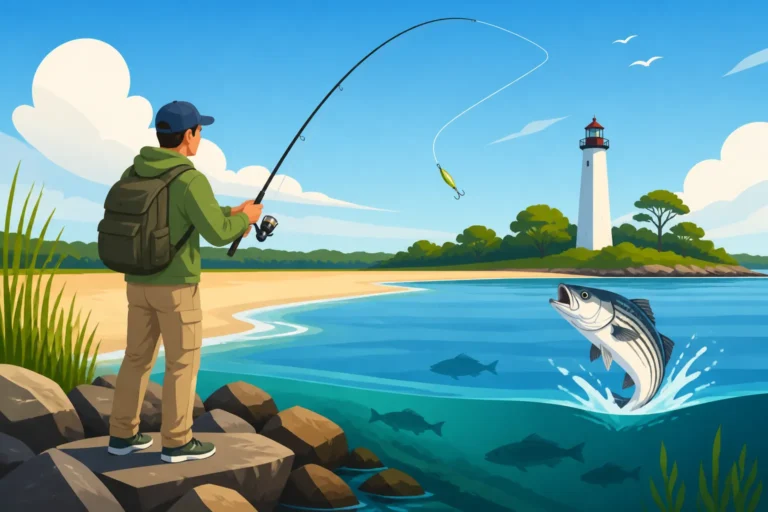
Raritan Bay is a prime hunting ground for striped bass largely due to its abundance of baitfish. Think of it as a giant buffet for hungry stripers. Their preferences are deeply tied to what natural prey is most prevalent. In spring, when the herring and bunker start pushing into the bay, that's what the stripers are looking for. Later in the summer, smaller baitfish might become more important. If you can match the hatch, so to speak, you're already halfway to success.
The key is not just what they eat, but how they eat it. Stripers are ambush predators, often using structure or current breaks to their advantage. A lively baitfish struggling in the current, mimicking a natural distressed meal, is often irresistible. Understanding the various Fish Species You Can Catch at Lake Hopatcong in freshwater is one thing, but knowing the saltwater forage in Raritan Bay is critical for stripers. It's the foundation of effective bait selection, and ignoring it is like trying to order a steak at a seafood restaurant – you're just not going to get what you want.
Seasonal Changes in Diet
The diet of Raritan Bay striped bass isn't a year-round constant; it's a dynamic menu that shifts with the seasons. In the cooler waters of early spring and late fall, stripers are often gorging on larger, oilier baitfish like bunker (Atlantic menhaden) to fuel their migrations. This is when the big migratory fish are often passing through, making the most of the rich feeding grounds before heading north or south. As the water warms in summer, smaller baits like spearing, sand eels, and even crabs or shrimp might become more appealing as the larger schools of bunker push further offshore or thin out.
Understanding these seasonal transitions is paramount. Fishing the wrong bait at the wrong time of year is a surefire way to come home empty-handed. For instance, trying to tempt a spring striper with a small gulp shrimp when it's actively chasing bunker schools is likely to be a fruitless endeavor. Keep an eye on reports from local tackle shops and other anglers, or even consider booking a trip with a local guide via platforms like FishingBooker, to get real-time insights into what the fish are currently feeding on. They often have the pulse of the bay and can tell you precisely what baits are hot.
Water Conditions and Bait Choices
Beyond the season, daily water conditions play a huge role in what bait will be most effective. Think about it: clear, calm water versus murky, choppy water after a storm. These conditions affect visibility, scent dispersion, and how bait behaves. In clear water, stripers might rely more on sight, making a visually appealing, natural-looking live bait or artificial lure more effective. However, in turbid or stained water, scent becomes your best friend. This is where oily cut baits or baits that give off a strong smell can really shine, drawing fish in that can't see as well.
Current also dictates presentation. A strong outgoing tide can make presenting a live bunker naturally a challenge, while a lighter current might allow for a more subtle approach. Knowing How to Fish a Falling Tide or a rising tide will significantly impact your bait choices and presentation. Furthermore, the presence of specific baitfish at the surface or marked on your fish finder also informs your decision. If you see birds diving and stripers busting on tiny bait, a larger bunker might not be the ticket; instead, a smaller, slender soft plastic mimicking a sand eel could be perfect. Adjusting your bait to the prevailing conditions isn't just a suggestion; it's a necessity for success in Raritan Bay.
Top Live Baits for Raritan Bay Striped Bass
There's nothing quite like the thrill of a rod bending over with a live bait on the end, knowing a big striper has inhaled it. Live bait offers a natural presentation, movement, and scent that artificials sometimes struggle to replicate. In Raritan Bay, certain live baits stand head and shoulders above the rest for their consistent ability to entice striped bass.
Bunker (Menhaden) – The Undisputed King
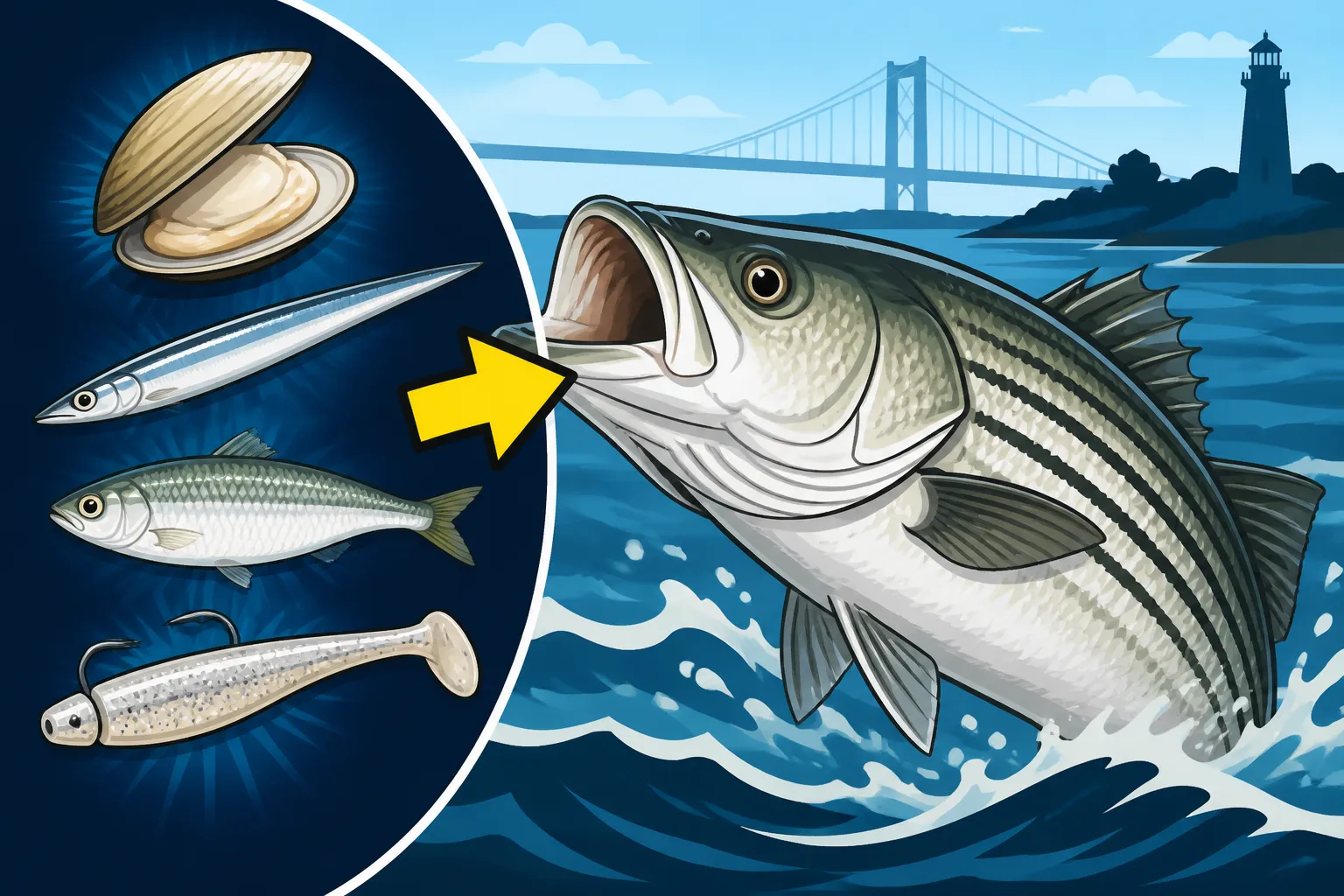
When it comes to live bait for Raritan Bay striped bass, the Atlantic menhaden, commonly known as bunker, is the gold standard. These oily, silvery fish are a primary food source for large striped bass throughout their migratory range. There's a reason why so many anglers spend time netting or jigging for bunker before heading out to target stripers – it's simply that effective. Live bunker, when presented properly, can be absolutely deadly.
You'll often find bunker schools in Raritan Bay, especially during the spring and fall runs. Catching your own fresh bunker can be part of the adventure, typically done with a snagging hook or a cast net. Once you have them, keeping them alive and lively in a well-aerated livewell is crucial. When deploying live bunker, anglers typically hook them through the nose or back, allowing them to swim naturally. They can be fished free-lined with little or no weight if the current allows, or with a fish finder rig to keep them near the bottom in stronger currents. Many charters found through services like FishingBooker specialize in live bunker fishing because of its undeniable effectiveness. They'll often have a good supply and expert techniques to maximize your chances of a trophy striper.
Eels – A Nighttime and Structure Favorite
While bunker might be king, live eels hold a special place in the hearts of many seasoned striper anglers, especially for targeting larger fish around structure or at night. Striped bass absolutely love eels, seeing them as a high-calorie meal that's easy to ambush. Eels are incredibly resilient and can withstand rough handling and tough conditions, making them a reliable choice.
Fishing with live eels is often done near bridges, jetties, rock piles, or other areas where stripers like to hold and ambush prey. They're particularly effective after dark when stripers move into shallower waters to feed. The eel's snaking, undulating motion in the water is irresistible to a hungry striper. Anglers typically hook eels through the jaw or eye socket to ensure they stay on the hook and retain their lively movement. A simple fish finder rig or even just a heavy leader with a single hook can be effective. Just be prepared for a strong fight; eels can wrap around your line, so robust tackle is a must. Knowing How to Fish Around Jetties Safely is essential when employing this method.
Herring and Other Live Options
While bunker and eels dominate the live bait scene in Raritan Bay, other live options can also be incredibly effective, especially when stripers are keyed in on specific forage. River herring, though often protected and regulated, can be a fantastic bait where legally permitted. Their slender profile and oily flesh are very appealing to stripers, particularly during their spring migrations. If you find yourself fishing in an area where herring are plentiful and legal to use, they can produce excellent results.
Beyond herring, smaller live baitfish like spearing, peanut bunker (juvenile menhaden), or even small porgies can be effective, especially for schoolie stripers or when fishing in calmer bay waters. These smaller baits are typically presented on lighter tackle, often free-lined or under a bobber, mimicking their natural swimming patterns. The key is to observe what baitfish are present in the area you're fishing. If you're seeing schools of specific bait, try to match that with your live offering. Sometimes, a subtle presentation of a smaller, natural bait can outperform a larger, more aggressive presentation, especially on finicky fish.
Effective Cut Baits for Raritan Bay Striped Bass
Not everyone has access to a livewell or the patience to snag live bait. That's where cut bait shines. It's often easier to procure, simpler to rig, and can be incredibly effective, especially when stripers are relying more on scent than sight to find their meals.
Fresh Bunker Chunks – Maximizing Scent Trails
If live bunker is the king of live baits, then fresh bunker chunks are the undisputed champions of cut bait for Raritan Bay stripers. The reason is simple: bunker are incredibly oily, and when cut into chunks, they release a powerful scent trail that stripers simply cannot ignore. This scent travels through the water, drawing fish in from a distance, making it especially effective in murky water, at night, or when fishing larger areas without precise knowledge of where the fish are holding.
To prepare bunker chunks, simply take a fresh bunker and cut it into 1-2 inch thick pieces, ensuring each piece has some bone and skin to hold it on the hook. The head and tail sections are often prime cuts, too. These chunks are typically fished on a fish finder rig, allowing the current to carry the scent and the bait to sit naturally on the bottom or just above it. Using a slightly larger circle hook is recommended to ensure a good hookset and minimize gut hooking. Many anglers also chum with smaller bunker pieces to create an even stronger scent slick, really turning on the bite. Knowing How to Fish Bloodworms for Striped Bass is another great scent-based technique, though bunker chunks often take the lead in Raritan Bay.
Mackerel and Other Oily Fish
Beyond bunker, other oily fish make excellent cut baits for Raritan Bay striped bass. Mackerel, for instance, is another favorite among striper anglers. Like bunker, mackerel has a high oil content, meaning it releases a strong, attractive scent into the water when cut. While not as prevalent as bunker in the bay itself, fresh or even frozen mackerel (if properly defrosted and still firm) can be a fantastic alternative, especially if bunker is hard to come by.
Other oily fish like herring (where legal) or even bluefish chunks can also be effective. The key is that oily nature. These baits are fished similarly to bunker chunks, typically on a fish finder rig to keep them on the bottom. When using frozen cut bait, ensure it's high quality and hasn't been freezer-burnt. The fresher the cut bait, the more potent its scent trail will be, which directly translates to more bites. Always prioritize freshness; a freezer-burned, bland piece of bait is unlikely to draw in a hungry striper.
Clams and Worms for Bottom Feeders
While not as commonly associated with Raritan Bay striped bass as bunker or eels, clams and sandworms (or bloodworms) can be surprisingly effective, particularly for stripers that are rooting around on the bottom or when targeting fish in calmer, shallower areas of the bay. Striped bass are opportunistic, and if there's an easy meal of clams or worms available, they won't pass it up. This can be especially true in areas with softer bottoms where these invertebrates naturally reside.
Clams, especially fresh surf clams, release a milky, attractive scent into the water. They are usually fished shucked and threaded onto a hook, often with a small piece of elastic thread to keep them from washing off too easily. Sandworms and bloodworms, with their wriggling action and distinct scent, are also excellent choices, often preferred for smaller to mid-sized stripers, particularly in early spring when migratory fish are just starting to move in. These baits are typically fished on a high-low rig or a simple bottom rig with a sinker, allowing them to lie naturally on the bottom. They might not catch the biggest fish in the bay consistently, but they can be incredibly reliable for steady action, particularly for those targeting fish from shore or small boats in the shallows.
Artificial Lures That Mimic Natural Prey
Sometimes, live bait isn't an option, or you prefer the challenge and active nature of lure fishing. Modern artificial lures are incredibly sophisticated, designed to mimic the look, action, and even sometimes the scent of natural prey. In Raritan Bay, a well-chosen and expertly worked artificial lure can be just as deadly as live bait.
Soft Plastics and Shads
Soft plastic lures, particularly those designed to imitate baitfish like bunker, sand eels, or various minnows, are incredibly versatile and effective in Raritan Bay. Brands like Tsunami and Gulp! offer a wide range of colors and sizes that can perfectly match the local forage. The beauty of soft plastics is their lifelike action; when rigged correctly on a jig head, they swim and undulate with a very natural appearance. These are often fished by casting and retrieving, allowing the lure to swim through the water column, or by jigging them vertically when fish are holding deeper.
For Raritan Bay, larger paddle tail shads, especially in white, pearl, or chartreuse colors, are perennial favorites. These are fantastic for imitating bunker and can draw aggressive strikes. Smaller, slender soft plastics, like those mimicking sand eels, are deadly when stripers are feeding on that specific baitfish. You can vary your retrieve speed, add pauses, or twitch the rod tip to impart different actions, triggering strikes from even wary stripers. If you're looking to explore different charter options that specialize in lure fishing, searching on FishingBooker can help you find captains who are experts in these techniques and can advise on the best local soft plastics.
Plugs and Topwater Lures
There's nothing quite like a striper blowing up on a topwater plug. These surface lures create a commotion – splashing, gurgling, or walking – that mimics a distressed baitfish or a school of actively feeding fish. When stripers are aggressive and feeding near the surface, topwater plugs can provide some of the most exciting action. Pencil poppers, walk-the-dog style lures, and chuggers are all excellent choices.
Beyond topwater, various diving plugs, such as lipped swimmers or minnow plugs, are also highly effective. These lures dive to different depths on the retrieve, imitating swimming baitfish. They're excellent for covering water and finding active fish, especially when casting from shore or from a boat working along structure. Colors like silver, blue, green, and white are usually reliable, but don't be afraid to experiment. Many anglers swear by the effectiveness of a white or bone-colored plug in low light conditions. Consider reading up on Best Lures for Striped Bass Fishing to expand your artificial arsenal further.
Bucktail Jigs – A Versatile Option
The bucktail jig is a timeless classic for a reason: it's incredibly versatile and effective. This simple lead head jig, adorned with deer hair, can be fished in countless ways to imitate a wide range of baitfish, making it an indispensable tool for Raritan Bay striper anglers. Whether you're bouncing it along the bottom, swimming it through the water column, or jigging it vertically, a bucktail can catch stripers from tiny schoolies to massive cows.
Common sizes range from 3/4 oz to several ounces, depending on current and depth. Colors like white, chartreuse, olive, and pink are popular. Many anglers tip their bucktails with a soft plastic grub, a Gulp! Swimming Mullet, or a strip of natural bait like pork rind or a piece of squid, adding scent and extra action. The key to fishing a bucktail effectively is to experiment with your retrieve. A slow, subtle hop along the bottom can imitate a crab or a bottom-dwelling baitfish, while a faster, more erratic retrieve can mimic a fleeing baitfish. Learning specific Bucktail Jigging Techniques for New Jersey Anglers will significantly boost your success rate.
Raritan Bay Striped Bass Bait Guide
To help you quickly decide what bait to use, here's a handy guide summarizing the best options based on common fishing scenarios in Raritan Bay.
| Bait Type | Best Scenario(s) | Preferred Method(s) | Pros | Cons |
|---|---|---|---|---|
| Live Bunker | Aggressive, large stripers; spring/fall runs; open water | Free-lined, Fish Finder Rig | Extremely natural, irresistible to big fish | Requires livewell, hard to acquire |
| Live Eels | Night fishing, around heavy structure (jetties, bridges) | Fish Finder Rig, Leader & Hook | Very resilient, excellent for trophy fish | Can be expensive, slimy to handle |
| Fresh Bunker Chunks | Murky water, strong currents, nighttime, scent-fishing | Fish Finder Rig, Bottom Rig | Powerful scent trail, attracts from distance | Can be messy, smaller fish steal bait |
| Clams / Worms | Early spring, calmer waters, shore fishing, smaller stripers | High-Low Rig, Simple Bottom Rig | Easy to procure, consistent bites | Less effective for large, aggressive fish |
| Soft Plastics | Versatile, matching specific baitfish, casting/jigging | Jig Head, Swimbait Hooks | Highly versatile, durable, various sizes | Requires skilled retrieve for best action |
| Topwater Plugs | Active surface feeding, low light conditions | Cast & Retrieve (Walk the Dog, Popping) | Exciting strikes, covers water quickly | Less effective when fish are deep, can spook fish |
| Bucktail Jigs | All conditions, mimicking various forage, structure fishing | Jigging, Bouncing, Swimming Retrieve | Extremely versatile, great for all sizes | Requires practice for optimal action |
Disclaimer
Please note: Fishing regulations, including size and bag limits, as well as bait restrictions, can change frequently in New Jersey. Always consult the latest New Jersey Fish and Wildlife Digest or their official website before heading out on your fishing trip to ensure compliance.