What Pound Test Line for Surf Fishing
One of the most common head-scratchers for new and even seasoned anglers hitting the Jersey Shore is figuring out what pound test line to spool up with. It's a question that can feel overwhelming, especially when you're standing in front of a wall of fishing lines, each boasting different strengths and features. This guide is here to untangle that confusion, helping you understand the factors involved and confidently choose the perfect line for your New Jersey surf fishing adventures.
Understanding the Basics of Fishing Line Pound Test
Before we dive into specific recommendations for New Jersey surf fishing, it's crucial to understand what "pound test" actually means and why it's such a critical factor in your fishing success. It's not just about how big a fish you think you might catch; it's about balance, control, and ultimately, whether your line can handle the demands of the environment and the fish you're targeting.
What is Pound Test and Why Does It Matter?
At its core, "pound test" refers to the breaking strength of the fishing line. A 20-pound test line, for example, is designed to withstand 20 pounds of direct pressure before snapping. However, this is a laboratory rating and real-world conditions, knots, and line damage can all reduce this effective strength. When you're standing on a breezy beach, casting into crashing waves, or battling a powerful fish like a striped bass, your line is constantly being tested. Too light, and you risk snapping off on a strong run or getting chafed by structure. Too heavy, and you might sacrifice casting distance or the subtlety needed to entice a bite from a wary fish. The ideal pound test strikes a balance, giving you enough power to land your catch while maintaining the performance characteristics essential for surf fishing. It’s all about matching the line to your tackle and your target.
The Role of Different Line Materials
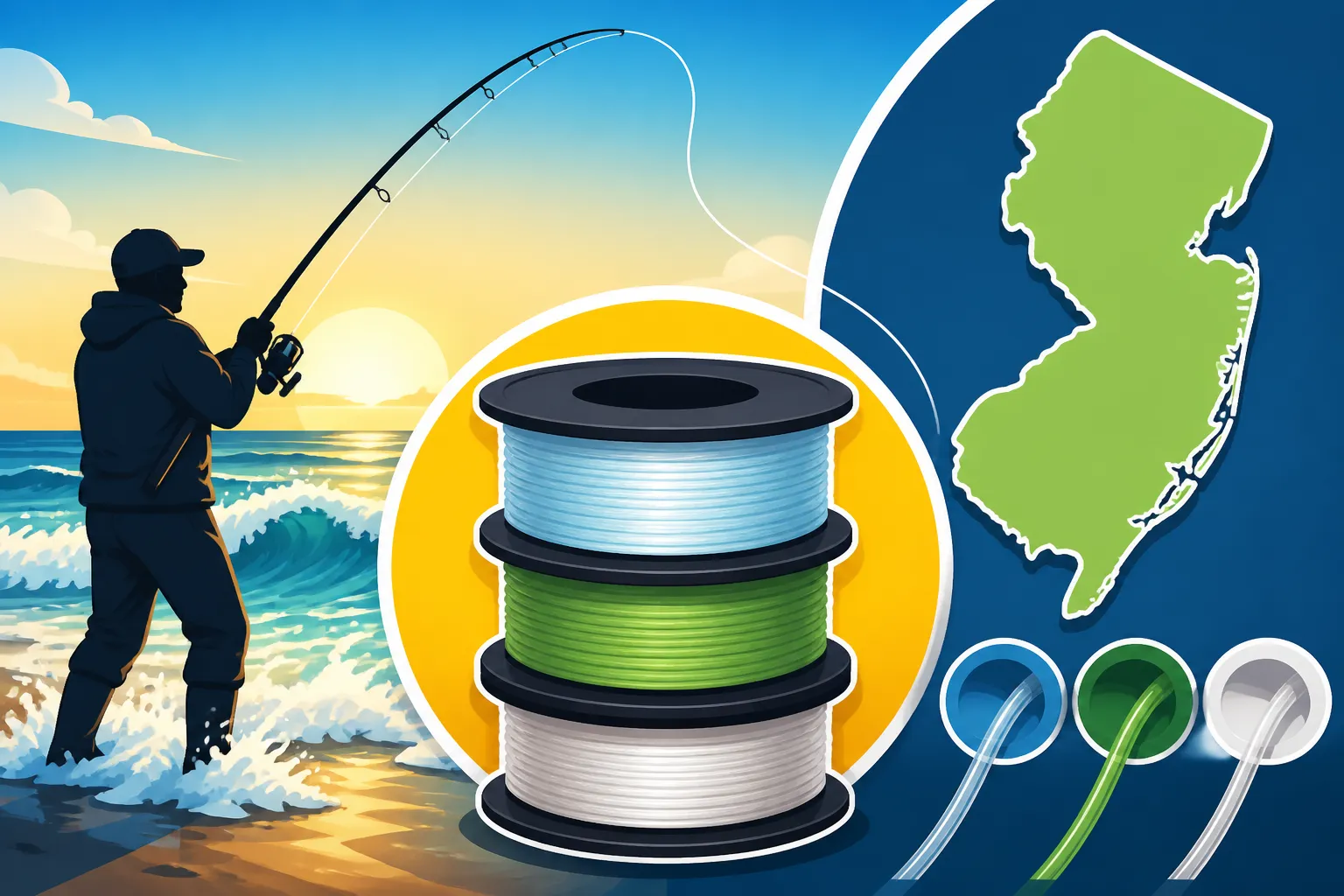
The material your fishing line is made from also plays a huge part in its performance, directly influencing how a certain pound test feels and functions. The three main types you'll encounter for surf fishing are monofilament, braided line, and fluorocarbon (primarily used for leaders). Each has its own distinct characteristics that make it suitable for different situations. Monofilament, or "mono," is stretchy and forgiving, acting like a shock absorber when a big fish hits. It's also generally more abrasion-resistant in certain situations, especially against rough jetty rocks. Braided line, on the other hand, has virtually no stretch, offering incredible sensitivity and allowing for much longer casts due to its thinner diameter for a given pound test. Fluorocarbon, while also low stretch, is nearly invisible underwater and exceptionally abrasion-resistant, making it ideal for leaders. Knowing these differences helps you decide not just the strength, but the type of line you need to succeed.
Factors Influencing Your Surf Fishing Line Choice in New Jersey
Choosing the right pound test isn't a one-size-fits-all decision for surf fishing in New Jersey. The waters here are incredibly diverse, from the sandy beaches of Island Beach State Park to the rocky jetties of Manasquan Inlet, and the fish you might encounter are just as varied. Your ideal line setup will depend heavily on what you're fishing for, where you're fishing, and the equipment you're using.
Target Species and Their Fighting Styles
The type of fish you're hoping to hook into is perhaps the biggest factor in determining your line choice. A frisky bluefish will demand a different setup than a bottom-dwelling fluke or a hard-fighting striped bass.
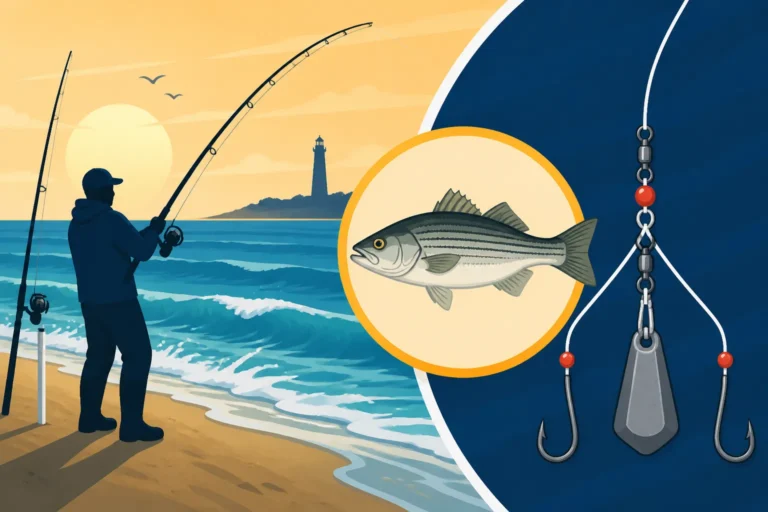
- Striped Bass and Bluefish: These are the heavy hitters of the New Jersey surf. Stripers are known for powerful runs, especially when hooked in the wash, and bluefish are absolute freight trains with razor-sharp teeth. For these species, you'll want a line that offers substantial breaking strength to handle their power. Many anglers opt for braided line in the 30-50 pound test range. This gives you the backbone to turn a big fish away from structure and stand up to their powerful surges. For bluefish, a heavier fluorocarbon or wire leader is almost always a necessity to prevent bite-offs, even with stout main line. If you're using monofilament, you might lean towards 20-30 pound test to maintain some casting distance while still having enough strength.
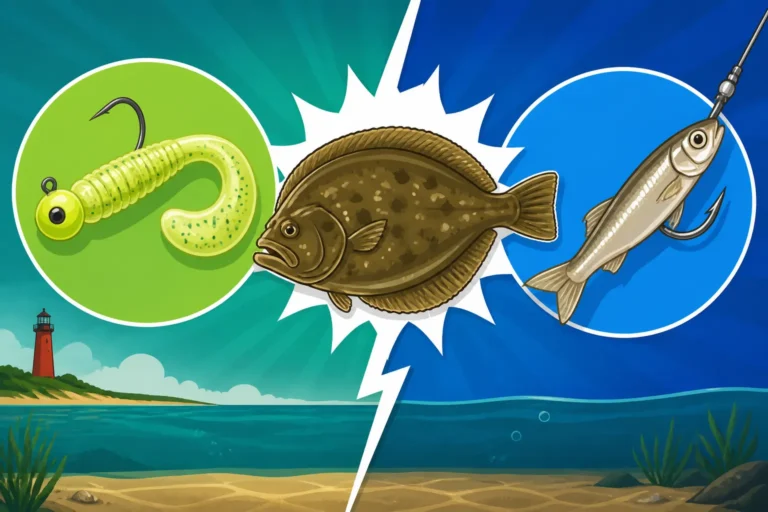
- Fluke (Summer Flounder): While fluke can grow quite large, their fight is less about powerful runs and more about head shakes and dead weight. They also tend to hang out near the bottom, often around structure or shell beds. For fluke, a 15-30 pound test braided line is very popular. The low stretch of braid allows you to feel the subtle taps of a fluke picking up your bait, and the thinner diameter helps cut through currents. If you're fishing lighter tackle, even 10-15 pound test braid can be effective, especially in calmer back bays or when casting small baits. You can learn more about specific fluke regulations, including the New Jersey Fluke Size Limit: 18 Inches, by checking out relevant guides.
- Smaller Species and Panfish: If you're targeting kingfish, blowfish, or small croakers closer to shore, you can often get away with much lighter tackle. Lines in the 10-20 pound test range, whether mono or braid, are usually more than sufficient. Lighter line means better casting distance for small baits and lures, and more sport when reeling in these smaller, but still fun, catches.
Water Conditions and Structure
The environment itself plays a crucial role in how much stress your line will endure. New Jersey's coastline offers a variety of challenges.
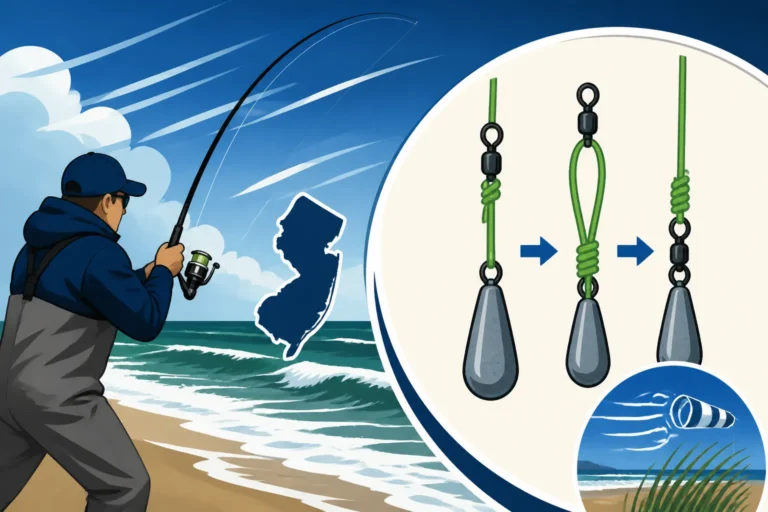
- Heavy Surf and Strong Currents: When the waves are crashing and the currents are ripping, your line is under immense pressure. Heavier waves can create significant drag on your line, and strong currents can bow your line, making it difficult to maintain contact with your bait. In these conditions, a heavier pound test (30-50 lb braid, or 20-30 lb mono) provides the strength needed to hold your bait in place, prevent line breakage from abrasion against sand and shell, and give you control over a fish in powerful water. The article on How to Rig a Sinker for Surf Fishing in Windy Conditions can offer more insights into dealing with these challenging elements.
- Rocky Jetties, Piers, and Structure: Fishing near jetties, bridge pilings, or sunken wrecks is a surefire way to find fish, but it's also a surefire way to lose tackle. These structures are absolute line shredders. If you're fishing these areas, higher abrasion resistance is key. While fluorocarbon leaders are essential here, your main line should also be robust. Braided line in the 40-65 pound test range or heavy monofilament (30+ lb) is often preferred to withstand the inevitable scrapes against barnacles and sharp rocks. This extra strength gives you a fighting chance to pull a fish out before it wraps your line around something nasty.
- Open Beach and Sandy Bottom: On wide-open sandy beaches, where there's less immediate structure to worry about, you can sometimes get away with slightly lighter line, especially if casting distance is paramount. Here, the primary concern is the fighting power of the fish and avoiding snags on occasional debris. Many anglers still opt for 20-40 pound braided line for its casting performance and sensitivity, even on sandy stretches.
Matching Line to Your Rod and Reel
Your rod and reel combination is designed to work within a specific range of line strengths, and straying too far outside these recommendations can hinder performance and even damage your gear.
- Rod Ratings: Look at your surf rod's specifications, usually printed just above the handle. It will have a recommended line weight range (e.g., 15-40 lb test) and lure weight range. Sticking within this line weight recommendation ensures your rod can handle the stress, transmit bites effectively, and cast lures efficiently. Using line that's too light can make casting large lures difficult and risks snapping the rod tip on a powerful hookset. Too heavy, and you might overload the rod, leading to poor casting performance or even structural failure.
- Reel Capacity: Your reel also has a line capacity rating, often listed as "Yds/Lb" (e.g., 200/20 means 200 yards of 20 lb test line). Braided line, with its thinner diameter, allows you to spool significantly more yardage of a higher pound test onto your reel compared to monofilament. For example, a reel might hold 200 yards of 20 lb mono, but 200 yards of 40 lb braid. This extra capacity can be crucial when a big striper makes a long, powerful run down the beach.
- Balanced Setup: The goal is a balanced setup. A heavy rod and reel designed for casting large plugs needs a heavier line. A lighter setup for throwing small bucktails needs a lighter line. A well-balanced setup will cast smoothly, feel comfortable in your hands, and allow you to fully utilize the strengths of your chosen line. When considering a setup, check out guides like Best Rod Length for Jersey Shore Surf Fishing to ensure your rod is also appropriately matched.
Common Line Types and Pound Test Recommendations for New Jersey Surf Fishing
Now that we've covered the factors, let's break down the types of line and some general pound test ranges that tend to work well for surf fishing along the New Jersey coast. Remember, these are starting points, and personal preference, experience, and specific conditions will always play a role in your final choice.
Braided Line: Power and Sensitivity
Braided line has become incredibly popular for surf fishing, and for good reason. Its strength-to-diameter ratio is unmatched, allowing anglers to pack more heavy-duty line onto their reels, achieve incredible casting distances, and feel the slightest twitch on the other end.
- Why it's great for surf fishing:
- Exceptional Sensitivity: Zero stretch means you feel every bump, every rock, and every subtle take from a fish, even at long distances. This is a huge advantage when trying to detect light bites in turbulent surf.
- Incredible Casting Distance: Because it's so thin for its strength, braided line experiences less air resistance during a cast and less water resistance (drag) in the current. This means longer casts and less line bowing in heavy currents.
- Durability: While it can cut on sharp edges, quality braid is incredibly strong and resistant to UV damage, holding up well over many seasons.
- Common Pound Tests for New Jersey Surf:
- 20-30 lb Braided Line: This is a great choice for lighter surf setups, targeting fluke, smaller stripers, or when casting lighter lures and baits. It offers maximum casting distance. You can find excellent options on Amazon.
- 30-50 lb Braided Line: This is the sweet spot for many New Jersey surf anglers. It's robust enough for most striped bass and bluefish encounters, provides good casting distance, and gives you the backbone needed to work fish out of the wash or away from moderate structure. It's a fantastic all-around choice for a general surf fishing rod.
- 60-80 lb Braided Line: For those targeting truly trophy-sized stripers, large sharks, or fishing extreme structure like very rocky jetties or inlets with heavy currents, this heavier braid provides maximum stopping power and abrasion resistance. It might reduce casting distance slightly due to its thicker diameter, but the trade-off in strength is often worth it for big game.
Monofilament Line: Forgiveness and Simplicity
Before braid took over, monofilament was the go-to line for virtually all fishing applications, including the surf. It still holds a place in many surf anglers' hearts and tackle boxes for its unique properties.
- Why it's great for surf fishing:
- Stretch and Shock Absorption: Mono's inherent stretch acts like a shock absorber, cushioning sudden strikes and preventing hooks from pulling out, especially useful for fish with softer mouths.
- Abrasion Resistance: While braid can be cut, mono tends to "slide" over rough surfaces better, often resisting minor nicks and scrapes from shells or small rocks.
- Ease of Use: It's generally easier to tie knots with mono, and it's less prone to wind knots than braid, especially for beginners. It also tends to be more budget-friendly.
- Common Pound Tests for New Jersey Surf:
- 15-20 lb Monofilament: Good for lighter surf rods, targeting smaller species, or when finesse is more important than brute strength. It's also a common choice for backing under braided line to fill the spool economically.
- 20-30 lb Monofilament: This is a solid all-around choice for many surf fishing situations, especially for those who prefer the feel of mono. It can handle most surf species while still allowing for reasonable casting distance. It's often available at local tackle shops or on Amazon.
- 30-40 lb Monofilament: When targeting larger fish or fishing extremely rugged areas where maximum abrasion resistance is needed (and you don't mind sacrificing some casting distance), heavier mono can be a good option. It provides serious stopping power.
Fluorocarbon Leader: The Invisible Link
Regardless of whether you choose monofilament or braided line for your main line, a fluorocarbon leader is almost universally recommended for surf fishing in New Jersey. It's the critical link between your main line and your hook or lure.
- Why it's essential for surf fishing:
- Near Invisibility: Fluorocarbon has a refractive index very close to water, making it virtually invisible underwater. This is a huge advantage when fishing for wary fish in clear water.
- Superior Abrasion Resistance: Fluorocarbon is much harder and more abrasion-resistant than monofilament of the same diameter, making it ideal for combating sharp teeth, barnacles, and rough structure. This is especially vital when fishing for bluefish, which will slice right through standard mono or braid.
- Low Stretch: Similar to braid, fluorocarbon has very little stretch, enhancing sensitivity to bites and providing better hook-setting power.
- Common Pound Tests for New Jersey Surf Leaders:
- 20-40 lb Fluorocarbon: Suitable for general surf fishing, fluke, kingfish, and smaller stripers. It offers a good balance of stealth and strength.
- 50-80 lb Fluorocarbon: For larger striped bass, bluefish, and when fishing around very heavy structure (like inside the Manasquan Inlet Fishing Guide), a heavier leader is essential. The increased diameter provides maximum protection against abrasion and sharp teeth.
- 80-100+ lb Fluorocarbon: If you're specifically targeting sharks from the beach, or truly monster stripers, you might even step up to these incredibly heavy leaders.
Here's a quick comparison table to help visualize the differences:
| Line Type | Typical Surf Fishing Pound Test | Key Advantages | Key Disadvantages | Best For… |
|---|---|---|---|---|
| Braided Line | 20-80 lb | High strength-to-diameter, casting distance, sensitivity, durability | Low abrasion resistance (needs leader), visibility, can cause wind knots, less shock absorption | All-around surf fishing, detecting light bites, long casts, fighting powerful fish, heavy structure (with leader) |
| Monofilament | 15-40 lb | Stretch (shock absorption), knot tying ease, abrasion resistance (minor), cost-effective | Lower strength-to-diameter, limited casting distance, more line drag in current, UV degradation over time | Beginners, specific applications requiring stretch, less sensitive to light bites, moderate abrasion resistance |
| Fluorocarbon Leader | 20-100+ lb | Near invisibility, superior abrasion resistance, low stretch, good knot strength | Stiffness (can be harder to knot), cost, not suitable for main line due to memory | All surf leader applications, bluefish protection, clear water, heavy structure, stealth for wary fish |
Choosing Your Ideal Setup: Scenarios and Recommendations
So, with all this information, how do you make the choice for your specific trip to the New Jersey coast? Let's walk through some common scenarios. Remember, it's always a good idea to check the latest New Jersey Freshwater Fishing Regulations Every Angler Should Know or saltwater rules before you head out, as regulations can sometimes influence your tackle choices.
The All-Around New Jersey Surf Rod
If you're like many anglers, you might have one or two surf rods that you use for a bit of everything – casting metals for blues, soaking bait for stripers, or even targeting fluke when they're in the suds. For this versatile approach, balance is key.
- Recommendation: A 30-40 pound test braided line as your main line, paired with a 30-50 pound test fluorocarbon leader.
- Why it works: This setup offers an excellent compromise. The braid provides great casting distance and sensitivity for feeling both hard hits and subtle bumps. The fluorocarbon leader gives you the abrasion resistance against rough spots and the near-invisibility for wary fish. It's strong enough for most encounters with average-sized striped bass and can stand up to bluefish (though always inspect your leader after a bluefish encounter!). This combination works whether you're fishing bait or lures. You can find high-quality braided lines and fluorocarbon leaders on Amazon that will perfectly suit this general-purpose setup.
Light Tackle for Finesse and Distance
Sometimes, the conditions call for a lighter touch, perhaps when fishing small baits for kingfish, chasing schoolie stripers with lighter lures, or when maximum casting distance is paramount on a calm day.
- Recommendation: 20-30 pound test braided line, with a 20-30 pound test fluorocarbon leader.
- Why it works: The lighter braid truly maximizes your casting distance, especially with smaller lures or lighter sinkers. It's incredibly sensitive, allowing you to detect the most delicate bites from species like kingfish or even small fluke. While not designed for trophy fish in heavy current, it offers a fantastic sporting experience for smaller catches and can still handle a decent striper if you play it right. This setup is often preferred for targeting smaller species in the Barnegat Bay Bluefish and Fluke Spots or open sandy beaches.
Heavy Tackle for Big Game or Extreme Conditions
When you know you're going after the big ones – large striped bass, big bluefish, or even venturing into shark fishing from the beach – or if you're battling fierce currents and extremely rocky structure, you need to beef things up.
- Recommendation: 50-65 pound test braided line, with a 60-80 pound test (or even heavier) fluorocarbon leader. For dedicated shark fishing, your leader might even step up to wire or 150+ lb mono/fluoro.
- Why it works: This heavy setup gives you maximum pulling power to turn large fish, extract them from unforgiving structure, and confidently cast large, heavy baits or lures. The thicker braid still offers decent casting distance but prioritizes strength and abrasion resistance. The stout leader is critical for protecting your line from sharp teeth and rough edges. This is the setup for serious trophy hunting or when you're fishing spots known for holding monsters or extreme snags, like the outer reaches of the Point Pleasant Canal Fishing Guide. Remember to always adhere to specific regulations, such as the New Jersey Striped Bass Slot Limit Explained, when targeting these larger species.
Beyond the Main Line: Backing, Leaders, and Knots
Your main line choice is crucial, but it’s only one part of the equation. A complete and effective surf fishing setup also considers what's under your main line, what's at the very end, and how it's all connected.
The Importance of Backing
For many anglers using braided line, especially on larger surf reels, "backing" is a common practice. Backing is a less expensive, often heavier pound test monofilament line that you spool onto the reel first, before adding your braided main line.
- Why use backing?
- Fills the Spool: Braided line can be expensive, and surf reels often have very large spool capacities. Using a cheaper monofilament (e.g., 20-30 lb mono) to fill the bottom 50-100 yards of your spool saves money, as you won't need as much expensive braid.
- Prevents Spool Slippage: Braided line, being so slick, can sometimes slip on an empty aluminum spool, preventing your drag from working properly. A layer of monofilament backing provides a surface the braid can bite into, preventing this issue.
- Adds Stretch: While minimal, the mono backing can add a tiny bit of stretch to your overall system, which can be beneficial when fighting a very hard-pulling fish.
- How to connect: The backing is usually connected to your braided main line using a strong, low-profile knot like a uni-to-uni knot or an Albright knot. Make sure these knots are tied correctly to prevent breakage at the junction.
Leader Length and Strength
We've already discussed the material and pound test of fluorocarbon leaders, but length is also important. For surf fishing, your leader generally needs to be long enough to protect your main line from abrasion and the fish's mouth, but not so long that it becomes difficult to cast or manage.
- Typical Leader Lengths: Most surf anglers use leaders between 2 to 6 feet long.
- Shorter leaders (2-3 feet) are easier to cast, especially with heavier baits or lures, and are often sufficient for general-purpose fishing.
- Longer leaders (4-6 feet) provide more protection against abrasion when fishing around very rough structure like jetties or for sharp-toothed fish like bluefish. The extra length ensures that even if the fish chafes a section, you still have plenty of clean leader.
- Connecting Your Leader: The most common and reliable knot for connecting a braided main line to a fluorocarbon leader is the FG knot. It's incredibly strong, slim, and passes through rod guides smoothly. For monofilament main lines, a double uni knot or Albright knot works well. Always test your knots thoroughly before fishing! Check out New Jersey Surf Fishing Techniques for more knot and rigging advice.
The Critical Role of Knots
No matter how strong your fishing line is, it's only as strong as its weakest link, and that's often the knot. A poorly tied knot can reduce your line's breaking strength by 50% or more, leading to frustrating break-offs.
- Choosing the Right Knots: For your main line to lure/swivel connection, popular choices include the Palomar knot, improved clinch knot, and uni knot. For connecting your leader to your main line, as mentioned, the FG knot (for braid to fluoro) or uni-to-uni/Albright (for mono to fluoro or mono to mono) are excellent.
- Practice Makes Perfect: It's vital to practice tying your chosen knots at home until you can tie them quickly and correctly, even in low light or adverse conditions on the beach.
- Moisten Your Knots: Always moisten your knots with saliva before tightening them. This lubricates the line, allowing the knot to cinch down properly without friction-induced heat damage, which can weaken the line significantly.
By carefully considering your main line, using appropriate backing, selecting the right leader, and mastering your knots, you'll create a robust and reliable surf fishing setup that's ready to tackle whatever the New Jersey coast throws at you. Don't be afraid to experiment a little, but always start with these proven foundations to ensure a successful and enjoyable day on the water.
Disclaimer
This article is for general informational purposes only and does not constitute professional advice. Laws, prices and regulations vary by location and change over time. Consult a qualified professional for guidance on your specific situation.