Do New Jersey Fly Fishing Guides Provide Gear?
One of the biggest head-scratchers when you're planning a fly fishing trip with a guide in New Jersey is figuring out what gear you actually need to bring. It's easy to assume the guide has it all covered, but you also don't want to show up completely unprepared, or worse, with your own favorite rod only to find out it's redundant. This guide will help demystify what New Jersey fly fishing guides typically provide, why it varies, and what you should always confirm before your trip, ensuring you hit the water ready for a fantastic day.
The Standard Practice: What Most Guides Offer
When you book a fly fishing guide, especially for a half-day or full-day trip, a significant part of their service often includes providing the necessary gear. This isn't just a nicety; it's a crucial aspect of ensuring you have the right tools for the specific conditions and target species in New Jersey's diverse waters, from the pristine trout streams of North Jersey to the coastal flats. They want you to succeed and enjoy the experience, and using appropriate, well-maintained equipment is key to that.
Guides usually invest in quality gear that is suited for the local environment and the techniques they specialize in. This means you won't be fumbling with unfamiliar or subpar equipment. Instead, you'll be handed gear that's specifically chosen to optimize your chances of a successful and comfortable day on the water. This also saves you the hassle and expense of acquiring specialized equipment that you might only use once or twice a year.
Rods, Reels, and Lines: The Essentials
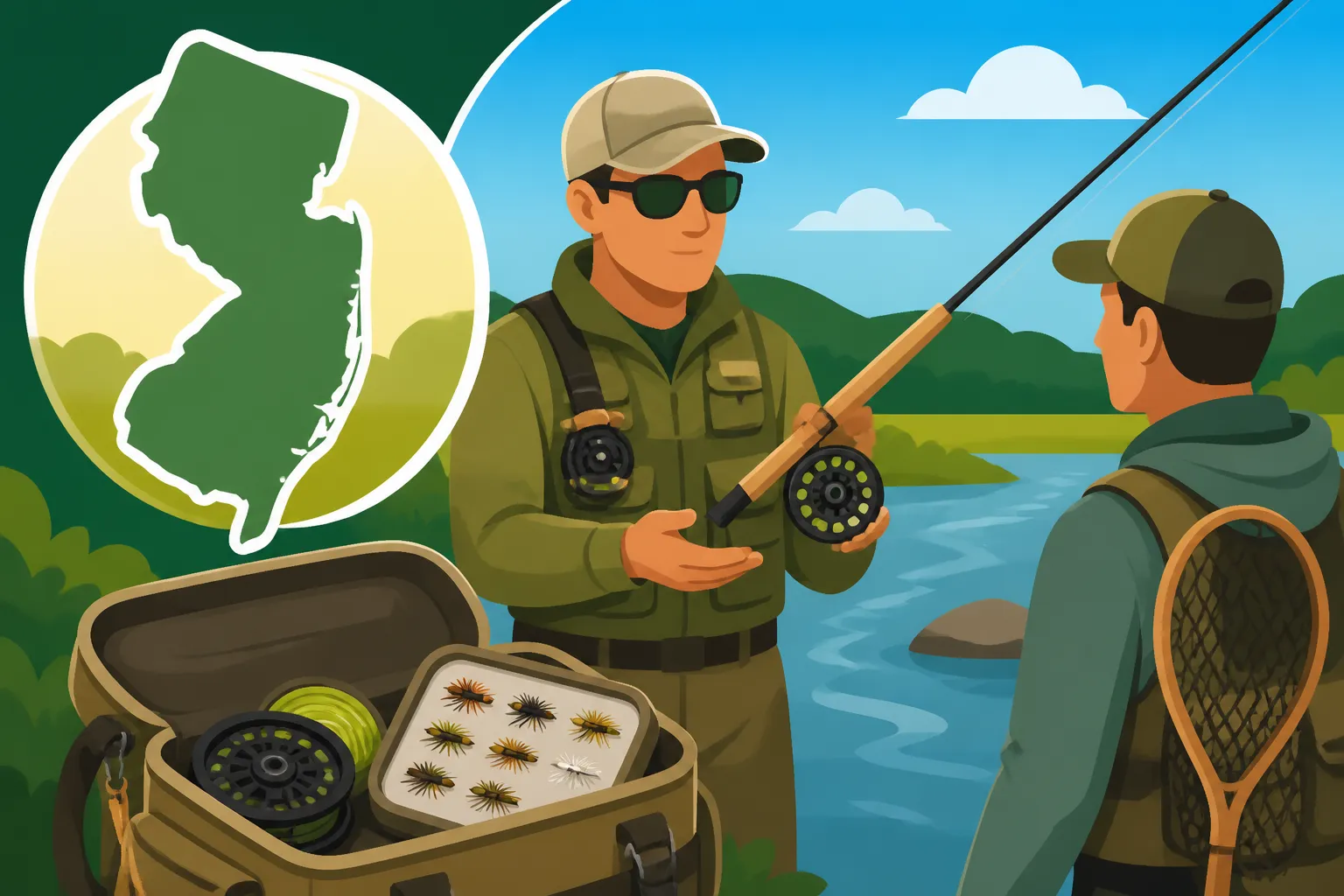
For most guided fly fishing trips in New Jersey, you can absolutely expect your guide to furnish you with a rod, reel, and line. This is almost universally true, especially if you're a beginner or traveling from out of state and don't want to transport your own setup. Guides carry a range of weights and actions to match the fishing conditions and the size of the fish you're pursuing. If you're chasing delicate wild brook trout in a small mountain stream, they'll have a light, sensitive rod. If you're heading to a larger river like the Musconetcong or Pequest for stocked rainbows, they'll have something more robust.
The reels will be properly spooled with the correct fly line for the situation, whether it's a floating line for dry flies or a sink-tip for nymphing deeper pools. Many guides even offer different rod setups throughout the day as conditions or target species change. This flexibility is a huge advantage, as it allows for immediate adaptation without you having to carry multiple rod tubes. Don't be shy about asking what kind of rods they typically use; a good guide will be happy to discuss their philosophy on equipment.
Waders and Boots: Staying Dry and Safe
Waders and wading boots are another common item that New Jersey fly fishing guides provide, particularly for wade-fishing trips on rivers and streams. This is especially helpful because waders need to fit properly to be comfortable and safe. Ill-fitting waders can restrict movement, cause chafing, or even pose a tripping hazard in swift currents. Guides often have a range of sizes on hand, making it easy to find a comfortable and appropriate fit for your body type.
Beyond comfort, safety is paramount. Quality wading boots offer excellent grip on slippery riverbeds, which is crucial when navigating rocky bottom structures. Many guides will also provide a wading staff, an invaluable tool for maintaining balance in moving water. While some experienced anglers prefer their own waders for personal comfort, for newcomers or those without their own, having this essential gear supplied is a massive benefit. It means you don't have to worry about packing bulky, potentially wet gear for your journey home.
Flies, Leaders, and Tippets: The Consumables
When it comes to the smaller, more consumable items like flies, leaders, and tippets, guides nearly always provide these. In fact, this is one area where you absolutely want your guide to make the choices. They spend countless hours on the water and know exactly which flies are hatching, which patterns are working, and what size and type of leader and tippet are needed to present them effectively to New Jersey's fish. Bringing your own elaborate fly box might seem like a good idea, but a guide's local knowledge will almost always trump a generic selection.
The cost of flies, especially if you're frequently breaking them off on snags or losing them to aggressive strikes, can add up quickly. Your guide factors these consumables into their service fee, meaning you can fish with confidence, knowing you have access to the best, most current patterns without worrying about the bill for every lost fly. This also includes specialized indicators, split shot, and other small rigging components that are essential for successful fly fishing. Think of your guide as a walking tackle shop, perfectly stocked for the day's conditions.
Why Gear Provision Varies Among Guides
While it's generally safe to assume that a fly fishing guide will provide the core equipment, there can be variations. These differences usually stem from a guide's particular specialization, their business model, or the type of experience they aim to offer their clients. It’s never a bad idea to double-check their policy when booking, especially if you have specific gear preferences or needs. Some guides cater exclusively to highly experienced anglers, while others focus on introducing beginners to the sport.
The type of water and species can also influence what's provided. For instance, a guide specializing in cold-weather trout fishing might emphasize specialized insulated waders, while a guide focusing on warm-water bass might prioritize different rods and flies. Understanding these nuances helps set proper expectations and ensures you and your guide are on the same page well before you even step foot on the riverbank. Don't hesitate to contact the guide directly to clarify any questions you might have about their gear policy.
Guide Specialization and Client Experience
Some fly fishing guides in New Jersey cultivate a reputation for catering to a very specific niche. For example, a guide who primarily leads trips for advanced fly anglers targeting trophy brown trout with highly technical dry fly presentations might assume their clients will bring their own specialized, high-performance rods and reels. Their service might focus more on instruction, knowledge of secret spots, and refined techniques rather than gear provision. They might still have backup gear, but the expectation is different.
Conversely, a guide who focuses heavily on beginner instruction or family-friendly trips, perhaps in areas like the Pequest Trout Hatchery or smaller ponds where New Jersey Youth Fishing Programs and License Waivers might apply, is far more likely to provide every single piece of equipment. Their goal is to make the sport accessible and remove any barriers to entry, including the need to purchase or transport expensive gear. When looking at options on platforms like FishingBooker, you can often filter guides by their specialization or target audience, which can give you a clue about their gear philosophy.
The "Bring Your Own" Approach and Its Benefits
Even when a guide offers gear, some anglers prefer to bring their own. This is often the case for experienced fly fishers who are intimately familiar with their own rods and reels. There's a certain comfort and muscle memory that comes with using your personal setup, and for some, it significantly enhances the enjoyment of the trip. If you have a favorite rod that you've used for years, it can feel more natural to fish with it, especially if you're targeting a personal best or trying to master a particular technique.
Bringing your own gear can also be beneficial if you have very specific preferences, such as a particular brand of waders or a specialized fly box tailored to your unique style. However, if you choose this route, it's absolutely crucial to communicate this to your guide beforehand. They might still recommend leaving certain items at home and relying on their expertise for flies, leaders, or even specific rod weights that are better suited for the day's conditions. It's about collaboration, not stubbornness, to ensure the best possible outcome.
Guide Service Tiers and Pricing Implications
Just like any other service, some New Jersey fly fishing guides offer different tiers of service, and gear provision can be one of the distinguishing factors. A basic package might include the guide's time, instruction, and local knowledge, with the expectation that you bring most of your own gear. A premium package, on the other hand, might be all-inclusive, providing top-of-the-line rods, reels, waders, and all the flies you could ever need. This is common for guides targeting corporate outings or high-end leisure travelers.
It's important to understand how these tiers affect the overall cost. A "cheaper" guide might seem like a great deal until you realize you're responsible for renting waders or purchasing flies. Always compare the total value of what's included when looking at prices. A guide who provides everything might have a higher upfront fee, but it could save you money and stress in the long run. When considering a trip, especially with a group, it’s worth asking about package deals or any available discounts that might include gear rentals.
What Anglers Should Expect and Confirm
Navigating the specifics of gear provision for a guided fly fishing trip in New Jersey is all about clear communication. You don't want any surprises when you meet your guide at the launch point or the riverside parking lot. A simple conversation or an email exchange can clear up most questions and allow you to pack appropriately, focusing on personal items rather than bulky fishing equipment. Remember, your guide wants you to have a successful and enjoyable trip, so they'll appreciate your proactive approach.
Asking the Right Questions Before You Book
The best way to know exactly what to expect is to ask your potential guide directly, or check their website or listing thoroughly. Here are some key questions to consider:
- "What fishing gear do you provide (rods, reels, lines, flies, waders, boots, etc.)?"
- "Is there any extra charge for gear rental or lost flies?" (Most guides include this, but it's good to confirm).
- "What sizes of waders and boots do you have available?" (Essential for a comfortable fit).
- "Do I need to bring a New Jersey Fishing License Guide for 2026 or New Jersey Trout Stamp Requirements Explained?" (Always a yes for the license, but good to clarify if the stamp is needed for your specific trip).
- "What personal items should I bring that aren't provided?"
Many guides will have an FAQ section on their website or will include these details in their initial communication. If you're booking through a service like FishingBooker, the guide's profile usually has a "What's Included" section that lists all provided items. Always check this section carefully.
Preparing for Your Guided Trip (What to Bring)
Even if your guide provides all the fishing tackle, there are still essential personal items you should always bring on a New Jersey fly fishing trip. These items are about your personal comfort, safety, and preparedness, regardless of the gear that's supplied.
Here's a handy list of must-haves:
- Fishing License: This is non-negotiable. You must have a valid New Jersey fishing license, and often a trout stamp if you're fishing designated trout waters. Your guide cannot provide this for you. Read up on Do You Need Your Own Fishing License on a New Jersey Charter? for more details.
- Sun Protection: A wide-brimmed hat, sunglasses (polarized are a huge advantage for spotting fish and protecting your eyes), and sunscreen are critical, even on cloudy days.
- Layered Clothing: Weather in New Jersey can change quickly. Dress in layers to adapt to temperature swings. Think moisture-wicking base layers, a fleece or wool mid-layer, and a waterproof/windproof outer shell. What to Wear on a New Jersey Fishing Charter offers great advice.
- Rain Gear: A lightweight rain jacket and pants are a smart idea, even if the forecast is clear. Being wet can quickly ruin a day.
- Snacks and Drinks: While some guides provide water, having your preferred snacks and drinks is always a good idea. Hydration is key!
- Insect Repellent: Especially during warmer months or in marshy areas, mosquitoes and biting flies can be a nuisance.
- Camera/Phone: To capture those memorable moments, but ensure it's protected from water.
- Small Backpack: To carry your personal items.
- Towel: Handy for drying hands or gear.
The Value of Provided Gear and When to Decline It
The primary value of provided gear is convenience, cost savings, and assurance that you're using appropriate, well-maintained equipment. For beginners, it’s invaluable, allowing them to focus on learning New Jersey Fly Fishing Techniques and the joy of the sport without the burden of gear acquisition. For experienced anglers traveling light, it means one less thing to pack and worry about. It also ensures that the gear is perfectly matched to the specific conditions of New Jersey Trout Fishing Techniques or other methods your guide specializes in.
However, there might be times you politely decline some of the provided gear. If you have extremely sensitive skin or allergies, you might prefer to bring your own waders to avoid any potential irritation, even if they're bulky. If you're an expert caster and have a particular rod that feels like an extension of your arm, you might opt to use it, assuming it matches the guide's recommended specifications for the day. Just remember to discuss any preferences with your guide in advance. It's about open communication and ensuring the best possible experience for everyone involved.
Booking a Guide: Finding the Right Fit for Your Gear Needs
Choosing a fly fishing guide in New Jersey is about more than just finding someone with open dates. It’s about finding a guide who aligns with your experience level, your target species, and crucially, your gear preferences and needs. The right guide will make your trip memorable and successful, regardless of whether you’re a seasoned fly caster or picking up a rod for the very first time. There are resources available that can help you sift through the various options and find exactly what you're looking for.
When you're comparing guides, don't just look at the price. Consider what's included, read reviews, and think about the overall experience you want. Some guides are phenomenal instructors, perfect for a beginner, while others excel at putting experienced anglers on trophy fish. Your gear needs are an important part of that equation, and factoring them into your decision-making process will lead to a more satisfying trip.
Using Platforms to Compare Services
In today's digital age, finding and comparing New Jersey fly fishing guides is easier than ever. Websites and platforms like FishingBooker are excellent resources for this. These sites often feature detailed profiles for individual guides, outlining their specializations, target species, availability, pricing, and most importantly for this discussion, a clear list of what gear is included in their service. You can often see photos of their boats (if applicable) and equipment, which gives you a good sense of the quality they offer.
When using such platforms, take the time to read reviews from previous clients. These often contain valuable insights into how well a guide manages the trip, their instructional style, and how satisfied clients were with the provided gear. Looking for guides who explicitly state they provide "all necessary gear" or "high-quality fly fishing equipment" can save you a lot of hassle. Furthermore, these platforms allow you to directly message guides with specific questions, such as inquiring about wader sizes or if they accommodate left-handed casters. This direct line of communication is invaluable in ensuring a perfect match.
Personal Preference and Skill Level
Your personal preference and current skill level should heavily influence your choice of guide and your approach to gear. If you’re a complete novice, having all the gear provided is probably the most comfortable and practical option. It removes the stress of acquiring equipment and allows you to focus solely on learning the basics of casting and presentation. Many guides specializing in beginner trips are patient instructors who are well-equipped to handle first-timers, providing everything from the rod to the first fly tied onto your leader. Best New Jersey Fishing Gear for Beginners might be a good read if you're thinking of getting your own gear down the line.
For intermediate or advanced anglers, your preference might lean towards bringing your own favorite rod or specific flies. If so, look for guides who are flexible and open to this arrangement, but still have backup gear just in case. They'll appreciate that you're an engaged angler with personal preferences. Conversely, if you want to try a new technique like two-handed spey casting for shad on the Delaware River, and don't own the specialized equipment, finding a guide who supplies it is crucial. Always consider the How to Choose a New Jersey Fishing Charter guide to help you refine your search parameters.
Considerations for Group Trips or Families
If you're planning a fly fishing trip for a group or a family, the issue of gear provision becomes even more critical. Imagine trying to outfit three kids and two adults with waders, boots, and appropriate fly rods! This is where guides who provide comprehensive gear truly shine. It simplifies the logistics immensely, ensuring everyone has what they need for a comfortable and safe experience. When booking for a group, confirm that the guide has enough gear for everyone and in a range of sizes.
Some guides specialize in family-friendly excursions and are accustomed to working with younger anglers or those with varying skill levels. They often have smaller, lighter rods that are easier for kids to handle and can patiently teach them the basics. Confirming these details upfront, especially with larger groups, is essential for a smooth and enjoyable outing. You want to make sure everyone, from the youngest participant to the most seasoned angler, feels well-equipped and excited for the adventure ahead.
Disclaimer
This article is for general informational purposes only and does not constitute professional advice. Laws, prices and regulations vary by location and change over time. Consult a qualified professional for guidance on your specific situation.