Great Egg Harbor Bay Striped Bass Fishing
Oh, the allure of striped bass in New Jersey! If you've spent any time on the water around our coast, you know the thrill of a striper hitting your line is unmatched. But when it comes to a specific area like Great Egg Harbor Bay, it can feel like a maze, right? Finding those elusive striped bass in such a vast and dynamic estuary can be a real head-scratcher. This comprehensive guide is here to untangle that maze, offering you practical insights and proven strategies to target striped bass effectively in Great Egg Harbor Bay.
Understanding Great Egg Harbor Bay for Striped Bass
Great Egg Harbor Bay isn't just another body of water; it's a unique ecosystem that offers some incredible opportunities for striped bass fishing, if you know where to look and when. It’s not always as straightforward as fishing the open ocean, but that’s part of its charm and challenge.
The Unique Geography and Ecosystem
Imagine a massive, sprawling estuary, fed by freshwater rivers and connected to the Atlantic Ocean by a lively inlet. That's Great Egg Harbor Bay in a nutshell. It’s characterized by extensive marshlands, winding creeks, deep channels, and vast, shallow flats. This diverse geography creates a smorgasbord of habitats for striped bass and their prey. The bay itself is relatively shallow in many areas, but deeper channels carve through it, especially as you approach the Great Egg Harbor Inlet and the confluence of the Great Egg Harbor River and Tuckahoe River. These areas are crucial because they act as natural highways and feeding grounds for stripers.
The constant tidal flow through these channels and around the many islands and marsh edges brings in a steady supply of baitfish like bunker (Atlantic menhaden), spearing, mullet, and even shedder crabs. Striped bass are ambush predators, and they thrive in environments where they can hide and dart out to snatch unsuspecting prey. The structure provided by bridge pilings, submerged oyster beds, and the undulating bottom contours of the bay creates perfect hunting grounds. Understanding these micro-environments is key to unlocking the bay's potential. It’s not about just dropping a line anywhere; it's about reading the water, understanding the bait, and knowing where the current is doing the work for you.
Seasonal Movements of Striped Bass
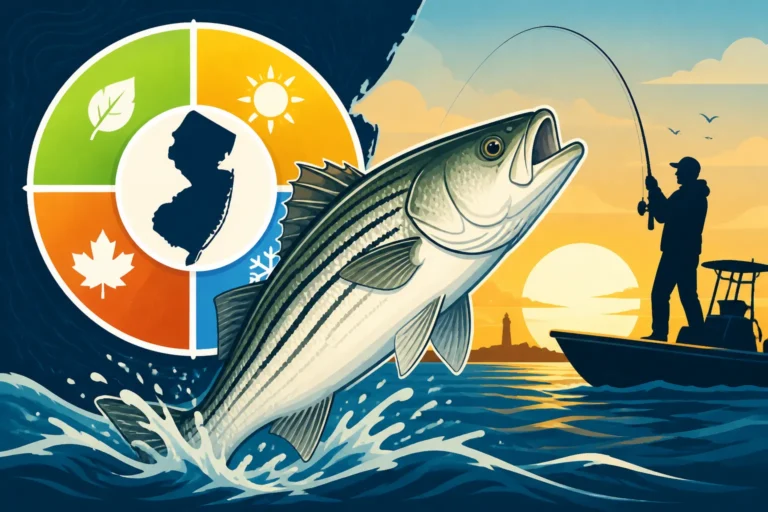
Striped bass are highly migratory creatures, and their presence in Great Egg Harbor Bay is largely dictated by the seasons and, crucially, water temperature. You won't find them here year-round in significant numbers, and trying to chase them during the wrong season can lead to a lot of frustration and empty coolers.
The prime time for striped bass in Great Egg Harbor Bay typically kicks off in the spring, usually from April into early June. This is when the water temperatures begin to climb, triggering the bass to move north along the coast after their wintering grounds. They push into the bay and its tributaries, often to spawn or to gorge on the abundant baitfish that are also moving in. During this period, you’ll find a mix of larger, migratory fish making their way through, as well as smaller "resident" fish that might stay in the back bays for longer. It's a fantastic time for action, as the stripers are often aggressive and actively feeding. Many anglers, myself included, eagerly await the spring run. If you're wondering about the broader picture, our guide on the Best Time of Year to Fish for Striped Bass in New Jersey provides even more context on their migratory patterns.
As summer heats up, especially in July and August, the bay waters can get quite warm. While some smaller resident stripers might hang around in deeper pockets or near cooler freshwater inputs, the larger migratory bass often move out to the cooler ocean waters. This doesn't mean the bay is completely devoid of stripers, but they become much harder to target consistently.
Then comes the glorious fall run, typically from September through November. This is another peak period, as the bass begin their southern migration, again feeding heavily to build up reserves for the winter. The baitfish are also migrating out of the bay and along the coast, creating spectacular feeding frenzies. The cooler water temperatures reignite their aggressive instincts, making for some truly memorable fishing. Being on the water during a fall blitz in Great Egg Harbor Bay is an experience every angler should have. Keep an eye on the New Jersey Fishing Season Dates and Closures to ensure you're always aligned with the regulations that govern these exciting seasons.
Top Spots for Striped Bass in Great Egg Harbor Bay
Knowing when to fish is only half the battle; knowing where is equally vital. Great Egg Harbor Bay has certain hotspots that consistently produce striped bass, thanks to their unique characteristics that attract both bait and predator.
Productive Channels and Inlets
The Great Egg Harbor Inlet itself is a major highway for striped bass. This is where the ocean meets the bay, creating strong currents, deep drop-offs, and plenty of opportunities for baitfish to funnel in and out. Fishing the inlet can be tricky due to heavy boat traffic and strong tides, but the rewards can be substantial. Anglers often target the eddies and current breaks along the jetties and channel edges. These areas provide current relief where stripers can sit and wait for food to be swept by. The area around Longport on the northern side and Ocean City on the southern side, specifically where the inlet flows, are prime locations.
Further inside the bay, the main channels leading from the inlet up towards Somers Point and Egg Harbor Township are also highly productive. These channels, often dredged for navigation, offer deeper water where stripers can hold, especially during strong tidal flows. Think about areas like the Intracoastal Waterway as it cuts through the bay. These aren't secret spots, but they are reliable. The key is to understand how the current affects these channels. When you're dealing with such strong movements of water, knowing How to Read Tide Charts for Better Fishing in New Jersey becomes absolutely indispensable.
Bridge Pilings and Artificial Structure
Bridges are magnets for striped bass. The pilings create current breaks and eddies, providing shelter for baitfish and ambush points for stripers. The Margate Causeway bridges (specifically the 9th Street Bridge from Somers Point to Ocean City, and the smaller bridges on the causeway itself) are legendary for this reason. The structure also creates excellent habitat for crabs and other crustaceans, which are a favorite food source for stripers. Fishing around these bridge pilings, especially during moving tides, can be incredibly effective.
Similarly, other artificial structures like submerged bulkheads, docks, and even abandoned pilings further into the back bay can hold fish. Any abrupt change in the bottom contour or structure that breaks the current is worth investigating. Always approach these spots with caution, as snags are common, but the presence of structure usually means the presence of fish.
Back Bay Creeks and Marsh Edges
Don't overlook the shallower, more protected back bay creeks and marsh edges, especially during the spring and fall runs. While you might not find the gargantuan "cows" here, these areas are often teeming with smaller schoolie stripers, especially those between 18 and 28 inches. Towns like Somers Point, Egg Harbor Township, and Mays Landing (which is further up the Great Egg Harbor River but still influenced by the bay) have numerous creek systems and marsh access points that can be fantastic.
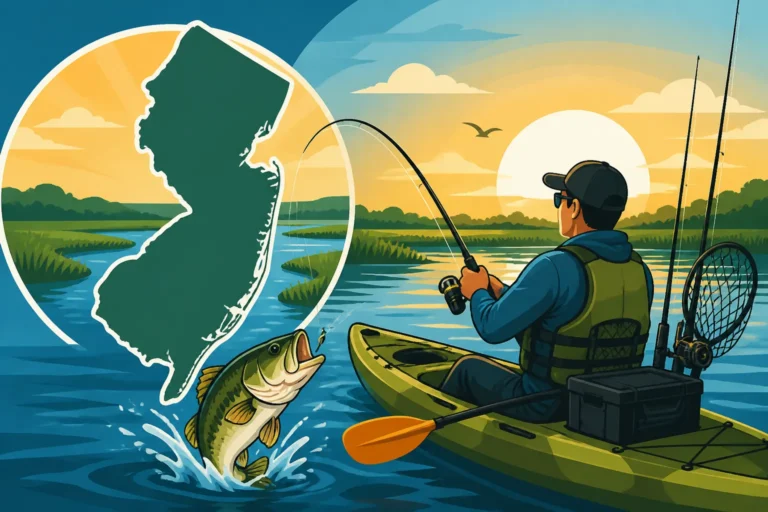
These areas are particularly good during high tide when the water pushes into the marsh grasses, allowing stripers to hunt for grass shrimp, small crabs, and baitfish seeking shelter. As the tide recedes, the fish often position themselves along the marsh edges or in the mouths of these creeks, waiting for the bait to be flushed out. Fishing these areas from a kayak or small boat can be incredibly rewarding, offering a more intimate connection with the environment. Even from shore, strategic points where creeks meet larger channels can be highly productive.
Effective Techniques and Baits for Great Egg Harbor Stripers
Once you've identified your target zones, the next step is presenting your offering in a way that striped bass can't resist. Whether you're a seasoned angler or just starting out, having a few go-to techniques and baits in your arsenal is crucial.
Live Bait and Cut Bait Strategies
When it comes to tempting a trophy striper, nothing beats natural bait. Live bunker (Atlantic menhaden) is perhaps the king of baits in these waters, especially during the spring and fall when they are abundant. Whether you snag them yourself or buy them, a live bunker drifted naturally or slow-trolled through a channel can be irresistible. Many anglers prefer to use a single circle hook through the nose or back, allowing the bunker to swim freely. We have a great piece on How to Rig Live Bait for Striped Bass that really dives into the specifics here.
Cut bait, especially chunks of fresh bunker, also works wonders, particularly when bottom fishing in deeper channels or around bridge pilings. The oily scent released by cut bunker travels far, attracting stripers from a distance. Eels are another highly effective live bait, especially at night or in areas with strong current. They're a favorite snack for larger stripers. During the late spring and early summer, shedder crabs (crabs that have recently molted and have soft shells) are absolutely deadly, although they can be harder to come by. And don't forget clams – they’re a classic for a reason, especially in the early spring before other baits become plentiful. Just remember, when using natural bait, especially bunker, regulations now often require specific hooks. Make sure you understand the New Jersey Circle Hook Requirements for Bait Fishing.
Artificial Lures and Trolling
For those who prefer a more active approach, artificial lures can be incredibly effective. Soft plastics, like large paddle tail shads (e.g., Keitech, Bass Assassin, Z-Man) rigged on jig heads, are versatile and can imitate a variety of baitfish. They're excellent for casting into current seams, around structure, or even jigging vertically. Bucktail jigs are another staple; tipped with a strip of pork rind or a soft plastic trailer, they can imitate anything from a squid to a small fish or crab. Many veteran anglers swear by bucktails for their effectiveness and versatility.
Plugs like lipped swimmers, darters, and pencil poppers are also highly productive. Poppers are exhilarating to fish, especially during a surface blitz, creating a commotion that often triggers aggressive strikes. During different phases of the day, or when fish are holding deeper, a weighted plug or jig might be more appropriate. For a deeper dive into what works best, check out our guide on Best Lures for Striped Bass Fishing.
If you're covering larger areas, especially in the deeper channels, trolling can be very efficient. Spoons, Mojos, and umbrella rigs are commonly trolled behind boats, mimicking schools of baitfish. This technique allows you to cover a lot of water and present multiple baits at different depths. For those less familiar with the bay, booking a local charter through a service like FishingBooker can give you a huge leg up. Their captains know the nuances of trolling these waters and often provide all the gear.
Tides, Currents, and Timing
In Great Egg Harbor Bay, the tide is king. More than almost any other factor, tidal movement dictates when and where striped bass will feed. A general rule of thumb is that moving water is good water. Both the incoming and outgoing tides can be productive, but often one will be more fruitful depending on the specific location and the bait's movement.
- Incoming Tide: As the tide pushes into the bay, it brings in fresh, often cooler, ocean water and baitfish. This can energize the stripers, particularly around the inlet, major channels, and the mouths of creeks as the water begins to flood the marshlands.
- Outgoing Tide: As the water recedes, it flushes baitfish out of the creeks and off the flats, concentrating them in channels and along drop-offs. This can create a feeding frenzy, especially at the mouths of smaller creeks where bait is being funneled into deeper water.
Understanding when a particular tide will be peaking or slacking at your chosen spot is crucial. Always consult a local tide chart and pay attention to moon phases, as they influence the strength of the tides. Our article on How to Fish a Rising Tide offers excellent foundational knowledge for these dynamic conditions. For navigating the intricacies of local tides and finding the best bite windows, especially if you're less familiar with the area, consider leveraging a local guide. Platforms like FishingBooker make it easy to find experienced captains who can teach you the subtle art of reading Great Egg Harbor Bay's currents.
Essential Gear and Regulations for Your Trip
Being prepared with the right equipment and knowledge of the rules can make all the difference between a frustrating trip and a fantastic one.
Recommended Rods, Reels, and Line
For general striped bass fishing in Great Egg Harbor Bay, a versatile setup is key.
- Rods: A medium-heavy to heavy action spinning or conventional rod, typically 7 to 8 feet in length, will cover most situations. This length provides good casting distance from shore or a boat, and enough backbone to handle larger stripers, especially when they're fighting the current. If you're primarily fishing the back creeks from a kayak, a shorter 6.5 to 7-foot medium action rod might be more manageable.
- Reels: A sturdy spinning reel in the 4000-6000 size range, or a conventional reel capable of holding at least 200 yards of line, is recommended. Look for reels with smooth drags, as stripers can make powerful runs. Brands like Penn, Shimano, and Daiwa offer excellent options that are robust enough for saltwater environments.
- Line: Braided line is highly popular for its sensitivity and strength-to-diameter ratio. A 20-40 lb test braided mainline is a good choice, often paired with a 30-50 lb fluorocarbon leader. The leader provides abrasion resistance against sharp structures (like bridge pilings or oyster beds) and is less visible to fish. If you're fishing bait for larger fish, you might bump up your mainline to 50 lb test.
Don't forget essentials like a good pair of pliers, a sharp knife, a ruler or measuring tape to check fish length, and a reliable headlamp if you plan on fishing at night.
Navigating New Jersey's Striped Bass Regulations
New Jersey has specific regulations for striped bass that change periodically, so staying informed is paramount. Ignorance of the law is never an excuse, and New Jersey Conservation Police Officers are out there ensuring compliance.
- Licenses and Registration: First and foremost, you need a New Jersey Fishing License if you're freshwater fishing, but for saltwater, you actually need to register with the New Jersey Saltwater Registry Explained. The good news is, the registry is free, but it is mandatory. Make sure you understand all the specifics, as well as the overarching New Jersey Fishing License Guide for 2026 if you plan to venture into any freshwater sections of the Great Egg Harbor River.
- Bag and Size Limits: Striped bass are managed under a strict slot limit. This means you can only keep fish within a certain size range, and usually, only one fish per person per day. The specifics of the slot limit can change, so always check the most current New Jersey Fish and Wildlife Digest or their website. Our detailed guide on the New Jersey Striped Bass Slot Limit Explained is an excellent resource, as is the broader discussion on How Bag and Size Limits Work in New Jersey. These regulations are in place to help conserve the striped bass population, and every angler plays a part in that effort.
- Circle Hook Requirements: As mentioned earlier, when fishing for striped bass with bait, circle hooks are often required. This is a critical regulation designed to reduce gut-hooking and increase the survival rate of released fish. Make sure your tackle box is stocked with appropriate circle hooks.
- Reporting Your Catch (Voluntary): Occasionally, you might be asked to participate in a recreational fishing survey by NOAA Fisheries. This is voluntary but helps biologists gather crucial data on fish populations.
If you’re unsure about any regulations or specific techniques, especially if you're new to the area, a charter trip can be an invaluable learning experience. Captains who list on platforms like FishingBooker are typically well-versed in local regulations and can ensure you're fishing legally while maximizing your chances of a catch.
| Location Type | Best Tides for Striped Bass | Recommended Baits/Lures | Notes |
|---|---|---|---|
| Great Egg Harbor Inlet | Strong incoming/outgoing | Live Bunker, Eels, Large Plugs, Bucktails | Strong currents, watch for eddies and current breaks. |
| Major Channels (ICW) | Moving tides (incoming/outgoing) | Live/Cut Bunker, Soft Plastics, Trolled Rigs | Deeper water, target channel edges and drop-offs. |
| Bridge Pilings | Moving tides (especially outgoing) | Eels, Cut Bait, Soft Plastics, Jigs | Fish close to structure, beware of snags. |
| Creek Mouths/Marsh Edges | High incoming, outgoing | Smaller Soft Plastics, Poppers, Live Minnows, Crabs | Good for schoolies, especially at tide changes. Kayak-friendly. |
| Shallow Flats | High incoming tide | Topwater Lures, Shallow-running Plugs | Best during early morning/late evening, sight fishing opportunities. |
Disclaimer
Please remember that fishing regulations, including bag limits, size limits, and open seasons, can change. Always consult the latest New Jersey Fish and Wildlife Digest or their official website before heading out on your fishing trip to ensure you are compliant with all current laws and regulations. This guide is for informational purposes only and does not constitute legal advice.