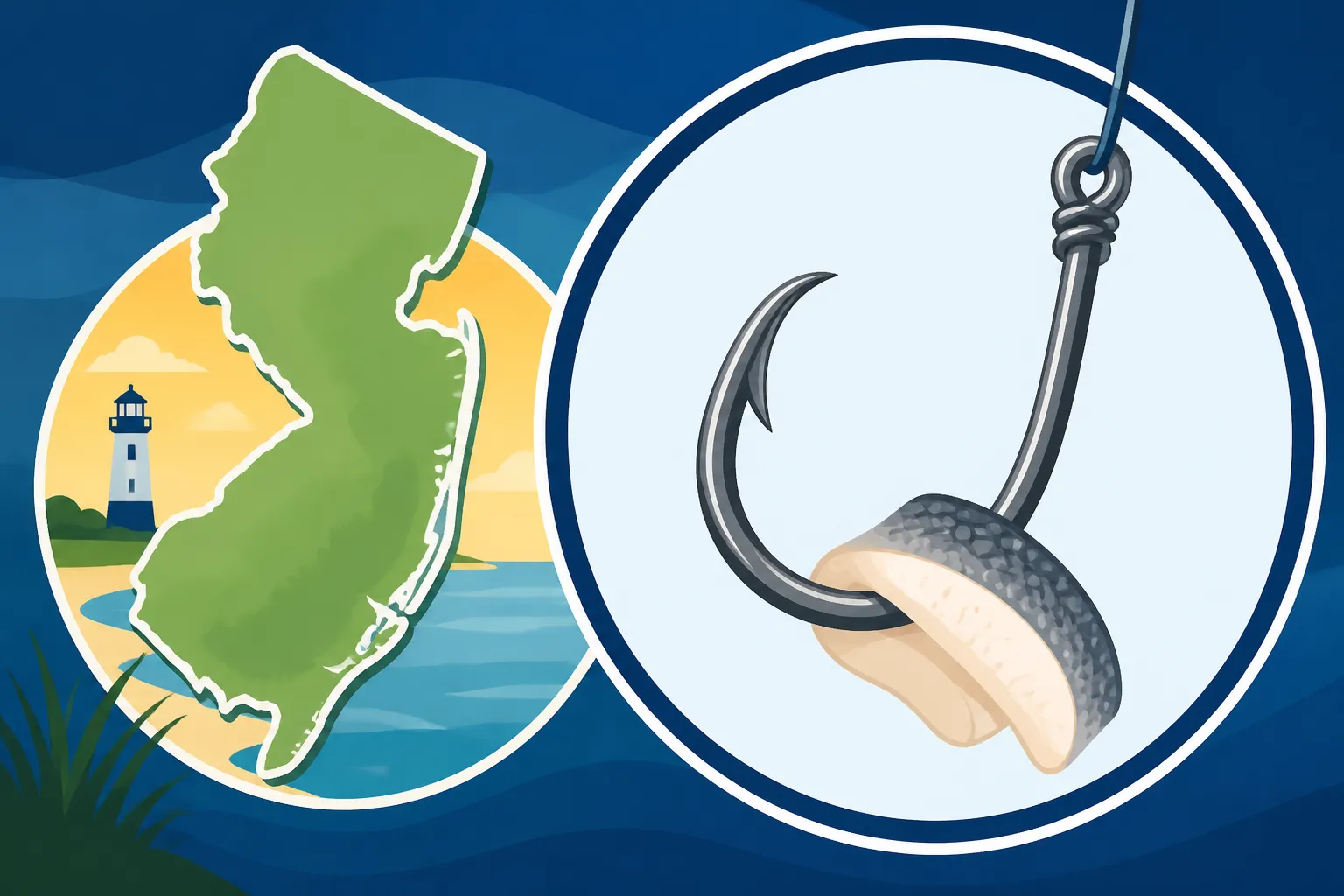
New Jersey Circle Hook Requirements for Bait Fishing
Navigating the ever-changing world of fishing regulations can feel like trying to untangle a particularly stubborn knot in your line, especially when it comes to specific gear requirements. Many anglers, used to traditional J-hooks, often find themselves scratching their heads over the nuances of circle hooks, particularly when bait fishing in New Jersey. This comprehensive guide is here to cut through the confusion, explaining exactly when and why you need to use circle hooks, how to rig them correctly, and what it means for your fishing experience in the Garden State.
Understanding New Jersey's Circle Hook Mandate for Bait Fishing
For years, many of us fished with whatever hook we felt comfortable with, often a J-hook, especially when soaking bait. But times have changed, and for a very good reason. New Jersey, like many other states along the East Coast, has implemented specific rules about circle hooks, primarily driven by a critical need to protect our precious fish stocks, especially the beloved striped bass. It’s not about making fishing harder; it’s about making it sustainable.
Why Circle Hooks Became Mandatory in New Jersey
The shift to mandatory circle hooks stems directly from a commitment to conservation, particularly concerning the striped bass population. Scientists and fisheries managers observed a concerning trend: when striped bass swallowed traditional J-hooks, they were often gut-hooked. This meant the hook penetrated deep into their throat or stomach, causing severe internal injuries. Even if released, many of these fish would not survive. The mortality rate for gut-hooked fish, especially those caught and released, was simply too high to ignore if we wanted to maintain a healthy fishery for future generations.
Circle hooks, by their very design, are a game-changer in this regard. Their unique shape, with the point curving inward towards the shank, dramatically reduces the chances of a fish being gut-hooked. Instead, when a fish takes the bait and attempts to swim away, the hook naturally slides to the corner of its mouth and sets itself. This means healthier releases, a higher survival rate for fish you don't intend to keep, and ultimately, a more robust striped bass population for all of us to enjoy. It's a small change in tackle that makes a monumental difference in conservation efforts, and New Jersey, understanding the urgency, moved to make it a requirement for specific fishing scenarios to support these vital fish.
When and Where You Must Use Circle Hooks
This is where the rubber meets the road, and it's crucial to pay close attention to the specifics to avoid any issues. In New Jersey, the primary mandate for circle hooks applies to recreational anglers targeting or possessing striped bass when using natural bait. Let's break that down further:
- Recreational Anglers: This rule applies to everyone fishing for fun, whether from shore, a private boat, or even on a New Jersey party boat. It does not typically apply to commercial fishermen, who operate under different regulations.
- Targeting or Possessing Striped Bass: If you are specifically trying to catch striped bass, or if you happen to catch one and intend to keep it (within the legal New Jersey Striped Bass Slot Limit Explained), and you are using natural bait, you must use a circle hook.
- Natural Bait: This is the key differentiator. "Natural bait" includes things like bunker, clam, worms, live baitfish (like herring or spearing), squid, crabs, or any other organic material that a fish would naturally eat. If you're using cut bait, chunk bait, or live bait, you're in the natural bait category.
- Specific Waters: While the rule broadly applies across New Jersey's waters where striped bass are found, it's particularly relevant in areas like Raritan Bay, Barnegat Bay, and along the entire Jersey Shore where striped bass are prevalent. This includes both the coastal waters and tidal rivers.
It's vital to remember that this regulation is specifically geared towards striped bass. While using circle hooks is generally a good conservation practice for many species, the mandate in New Jersey focuses on striped bass when natural bait is deployed. For example, if you're fishing for fluke with a Gulp! artificial bait and a jighead, a circle hook isn't required, but if you switch to a live minnow, you'd need one if a striped bass is a potential catch you might keep. Always double-check the latest New Jersey Fish and Wildlife Digest: Where to Find the Current Rules for the most current information, as regulations can sometimes be adjusted.
Types of Circle Hooks and How to Rig Them Effectively
Alright, so you know why you need them and when you need them. Now, let's talk about the hooks themselves and how to get your bait on them correctly. Not all hooks that look "circular" are created equal when it comes to meeting the New Jersey regulations for striped bass.
Identifying a True Circle Hook
When the regulations specify a "circle hook," they're not talking about just any hook that has a curved shank. There's a very particular design that makes a circle hook effective and compliant. The most important feature is the non-offset design.
- Inward-Pointing Point: The hallmark of a true circle hook is that the point of the hook is angled inward, almost parallel to the hook shank, rather than straight out. This unique geometry is what allows it to consistently hook fish in the corner of the mouth.
- Non-Offset: This is the critical detail for regulations. An "offset" circle hook has the point slightly turned out from the plane of the shank. While offset circle hooks can still be effective, the non-offset variety is generally considered to be even more effective at preventing gut-hooking and is often explicitly required by regulations to maximize conservation benefits. Always look for hooks labeled "non-offset circle hook" to be sure you're compliant. Brands like Gamakatsu, Owner, and Mustad all make excellent non-offset circle hooks. You can find a wide selection of these hooks on platforms like Amazon or at any well-stocked local tackle shop, such as those along the Jersey Shore.
- Size Matters: The size of the hook should match your bait and the size of the fish you're targeting. For most striped bass fishing in New Jersey with natural baits like bunker chunks or clams, hooks ranging from 5/0 to 8/0 are common, but always consider the specific bait you're using to ensure a natural presentation.
To summarize, here’s a quick comparison:
| Feature | Traditional J-Hook | Offset Circle Hook | Non-Offset Circle Hook (NJ Req.) |
|---|---|---|---|
| Hook Point Angle | Straight or slightly angled outward | Slightly angled outward from the shank | Straight in line with the shank |
| Point Orientation | Aims away from shank | Aims away from shank (slightly offset) | Aims inward, parallel to shank |
| Gut-Hook Risk | High | Moderate | Very Low (ideal for conservation) |
| Self-Setting | No (requires angler hookset) | Yes (but less reliably than non-offset) | Yes (most reliable) |
| NJ Regulation | Generally NOT allowed for bait | May not be compliant for bait-fishing | REQUIRED for bait-fishing striped bass |
| fishing striped bass | striped bass (check regulations carefully) |
Best Practices for Rigging Natural Bait with Circle Hooks
Rigging natural bait on a circle hook is a bit different than on a J-hook, and getting it right is key to the hook's effectiveness. The goal is to present the bait naturally while ensuring the hook's point remains exposed and clear to do its job.
- Bunker Chunks (Cut Bait): This is a staple for striped bass, especially in the bays and surf. When using a fresh chunk of bunker, thread the hook through the skin side once or twice, ensuring the entire bend of the hook and the point are exposed. You want the hook to hang freely within the chunk, not buried. Often, threading it through the tougher skin on one side, then out through the flesh, leaving the point entirely clear, works wonders.
- Clams: Clams are incredibly effective, particularly in areas like Raritan Bay. With clams, you want to thread the tougher foot of the clam onto the hook, leaving the soft belly to flutter. Again, ensure the hook point and barb are completely clear of any clam meat. A common mistake is to mush the clam around the hook, obscuring the point, which defeats the purpose of the circle hook.
- Live Baitfish (e.g., Herring, Bunker, Spearing): When using live bait, you'll want to hook them in a way that allows them to swim naturally while still exposing the circle hook. For larger baitfish like live bunker or herring, hooking them lightly through the nose or just behind the dorsal fin is common. For smaller baitfish like spearing, a single pass through the nose or eye socket works well. The goal is minimal injury to the bait to keep it lively, and a clear path for the hook to pivot and set.
- Worms (Bloodworms, Sandworms): These require a more delicate touch. Thread the worm onto the hook, leaving a good portion dangling. For longer worms, you might even thread a section up the leader. Again, the absolute priority is to ensure the hook point is fully exposed and not hidden by the worm's body. Some anglers will use a small section of worm, making sure the hook is well presented.
Remember, the critical element is not to bury the hook point. A circle hook needs to have its point completely exposed to properly slide into the corner of the fish's mouth. When setting up your leader, a simple How to Tie a Fluke Rig will give you a basic understanding of knots, but a snelled hook or a standard improved clinch knot to a swivel works perfectly. Using a fluorocarbon leader of appropriate strength (e.g., 30-50lb for striped bass) can also help with abrasion resistance, especially around structure.
Fishing Techniques and Common Mistakes with Circle Hooks
Making the switch to circle hooks isn't just about changing your tackle; it often requires a slight adjustment to your actual fishing technique. The biggest hurdle for many anglers is resisting the urge to "set the hook" as they would with a J-hook.
Adjusting Your Angling Style for Circle Hooks
This is probably the most counter-intuitive aspect of circle hook fishing, especially if you've been fishing for decades with traditional hooks. With a J-hook, you feel the bite, you rear back and set the hook with a strong upward or sideways sweep of the rod. Do that with a circle hook, and you'll likely pull the bait right out of the fish's mouth every time.
- No Hookset! Let the Fish Do the Work: The magic of the circle hook is its self-setting capability. When a fish takes the bait, don't react instantly. Instead, let the fish take the bait, turn, and swim away. As the line tightens and the fish moves, the hook will naturally slide to the corner of its mouth and rotate, setting itself perfectly without any effort from you.
- Keep Your Rod in the Holder (or Slowly Lift): Many seasoned circle hook users prefer to fish with their rod in a sturdy rod holder. When a fish bites, the rod tip will bend steadily. Wait for a consistent bend, or for line to start peeling off the reel. At that point, simply pick up the rod, reel down to remove any slack, and begin fighting the fish. If you're holding the rod, don't snap it back. Instead, feel the bite, let the fish take the bait, and when you feel steady pressure, slowly lift the rod tip or simply start reeling, letting the increasing tension do the work.
- Maintain Steady Pressure: Once the hook is set and the fish is on, maintain steady, consistent pressure. Fight the fish as you normally would, but avoid any sudden jerks that could dislodge the hook. Circle hooks, once properly set, tend to hold very securely in the tough corner of the fish's mouth.
This passive approach might feel strange at first, but once you get the hang of it, you'll appreciate how effective and conservation-friendly it is. It's truly a different way to fish, but one that yields excellent results and healthier fish. You can learn more about how to manage a catch once you've got them on the line by reading up on New Jersey Catch and Release Striped Bass Handling Rules.
Troubleshooting Common Issues
Even with the right gear and knowledge, you might encounter some common frustrations when first getting acquainted with circle hooks. Don't worry, it's part of the learning curve!
- Missing Bites or Pulling the Bait: This is almost always due to the angler trying to set the hook too early or too aggressively. Resist that natural instinct! If you feel a tap, pause, count to three, and let the fish fully commit before applying any pressure. If you're pulling back immediately, you're just yanking the bait out.
- Deep Hooking (Still Happening?): If you're consistently deep-hooking fish despite using circle hooks, first double-check that you are indeed using non-offset circle hooks as required. Offset hooks can still lead to gut hooks, though less frequently than J-hooks. Second, ensure your hook point is completely exposed. If it's buried in the bait, it can't pivot and set correctly. Re-examine your rigging technique. Lastly, if you are setting the hook, that can also lead to deep hooking, as you're forcing the hook deeper before it has a chance to slide to the corner of the mouth.
- Lost Fish: If fish are coming unbuttoned, it might not be the circle hook's fault. Check your drag settings; too much drag can lead to pulled hooks, while too little can make it difficult to get a solid set. Also, ensure your line is free of nicks and your knots are strong. A circle hook, once properly set, tends to hold extremely well, so frequent lost fish might point to other equipment or technique issues during the fight.
- Fish Not Getting Hooked at All: Sometimes, the fish just aren't feeding aggressively, or your bait presentation isn't quite right. Make sure your hook size matches your bait, allowing for a natural presentation. For example, a tiny hook on a huge bait chunk won't do you any favors. Similarly, a massive hook on delicate bait can be off-putting to fish. Experiment with bait size and how you rig it to ensure the fish can easily engulf the bait and the hook.
It takes a little practice to reprogram your brain from the traditional hookset, but once you trust the circle hook to do its job, you’ll find it incredibly efficient and rewarding. If you're looking for more general tips for targeting these fish, check out our guide on How to Fish for Striped Bass in New Jersey which includes seasonal advice and general bait preferences.
Exemptions, Penalties, and Staying Informed
Understanding the rules and knowing where to find the most current information is part of being a responsible angler. Not every fishing scenario demands a circle hook, but failing to use one when required can lead to unwanted consequences.
Specific Scenarios Where Circle Hooks Are Not Required
While New Jersey's circle hook rule is strict for natural bait and striped bass, it's important to know when it doesn't apply. This clarity helps anglers avoid unnecessary confusion and ensures they're compliant without overcomplicating things.
- Artificial Lures: If you are using artificial lures such as plugs, jigs, spoons, soft plastics, or flies, the circle hook requirement does not apply. The design and action of artificial lures are different, and fish typically strike them in a way that often results in a mouth hook-up without the deep-hooking risk associated with natural bait. So, if you're casting a Best Lures for Striped Bass Fishing or jigging with a bucktail for striped bass, you can use traditional J-hooks on your lures.
- Fly Fishing: Similarly, fly fishing is exempt. Fly anglers typically use specific hooks designed for flies, and the method of presentation and hookset is fundamentally different, rarely resulting in deep-hooked fish.
- Targeting Other Species (with Natural Bait): This is a nuanced point. The mandate for circle hooks is specifically when targeting or possessing striped bass with natural bait. If you are fishing solely for, say, bluefish, fluke, or black sea bass using natural bait, the circle hook is not legally required for those species. However, if there's a reasonable chance you might catch a striped bass and you intend to keep it (within the legal slot limit), then using a circle hook becomes prudent to ensure compliance. Many anglers choose to use circle hooks universally with natural bait as a good conservation practice, regardless of the target species, to minimize bycatch mortality. For instance, if you're fishing for New Jersey Fluke Size and Bag Limits Explained with a live killie, but a striper could also bite, it's smart to use a circle hook.
It's about the intent and the potential catch. Always consider the species you're after and the likelihood of catching a regulated fish like a striped bass when using natural bait.
What Happens If You Get Caught Without a Circle Hook
Being caught without the proper gear when regulations require it can lead to various penalties, and ignorance of the law is rarely an excuse. New Jersey takes its conservation efforts seriously, and its Conservation Police Officers (CPOs) are out there ensuring compliance.
- Fines and Penalties: If a CPO observes you fishing for striped bass with natural bait and a non-compliant hook, you could face significant fines. These fines vary depending on the severity and whether it's a first offense, but they can quickly add up. For example, penalties for fishing without a license or violating specific tackle regulations can range from hundreds to thousands of dollars. It's a costly mistake that's easily avoidable.
- Confiscation: In some cases, CPOs have the authority to confiscate illegal tackle, or even your catch, if it was taken unlawfully. This means not only losing money but potentially your fishing gear or the fish you worked hard to catch.
- Loss of Privileges: Repeated offenses could potentially lead to the suspension or revocation of your fishing privileges in New Jersey. This is a rare occurrence for a single hook violation but highlights the state's commitment to enforcement.
It's not uncommon to encounter a New Jersey Conservation Police and License Checks at popular fishing spots like the surf beaches of Island Beach State Park, or along the shores of Raritan Bay. They are there to protect the resource, and they are knowledgeable about the current rules. Always carry proof of your current New Jersey Fishing License Guide for 2026 and ensure all your gear meets the latest regulations.
Where to Find the Latest Regulations
The best way to avoid any issues is to stay informed. Fishing regulations are dynamic and can change seasonally or annually based on stock assessments and management goals.
- New Jersey Fish & Wildlife Digest: The official source for all current regulations is the New Jersey Fish & Wildlife Digest. This comprehensive guide is published annually and is available both online on the NJ Department of Environmental Protection (DEP) website and in print at many tackle shops, sporting goods stores, and license vendors. The digest covers everything from bag and size limits to season dates and specific gear requirements. You can also refer to our guide on Reading the New Jersey Fish and Wildlife Digest for tips on navigating this essential document.
- NJ DEP Website: The New Jersey Division of Fish & Wildlife website is regularly updated with emergency regulation changes or important announcements. It's a good practice to check this site before any significant fishing trip, especially if you haven't fished in a while.
- Local Tackle Shops: Your local tackle shop owners and staff are often incredibly knowledgeable about the immediate area's regulations and any recent changes. They deal with these rules daily and are a fantastic resource for practical advice. A quick chat can often clarify specific nuances that might not be immediately obvious in the official text.
- Online Forums and Social Media Groups: While not official sources, many reputable New Jersey fishing forums and social media groups are excellent places to hear about changes or ask questions. Just be sure to cross-reference any information with official sources.
Being a responsible angler means more than just catching fish; it means understanding and adhering to the rules designed to protect our natural resources. By understanding New Jersey's circle hook requirements and embracing the techniques that go along with them, you're contributing to a healthier fishery for generations to come.
Disclaimer
Please remember that fishing regulations, including specific hook requirements, can change. While every effort has been made to provide accurate and up-to-date information in this guide, it is ultimately the angler's responsibility to consult the latest official New Jersey Fish & Wildlife Digest or the New Jersey Department of Environmental Protection website for the most current rules and regulations before heading out to fish.