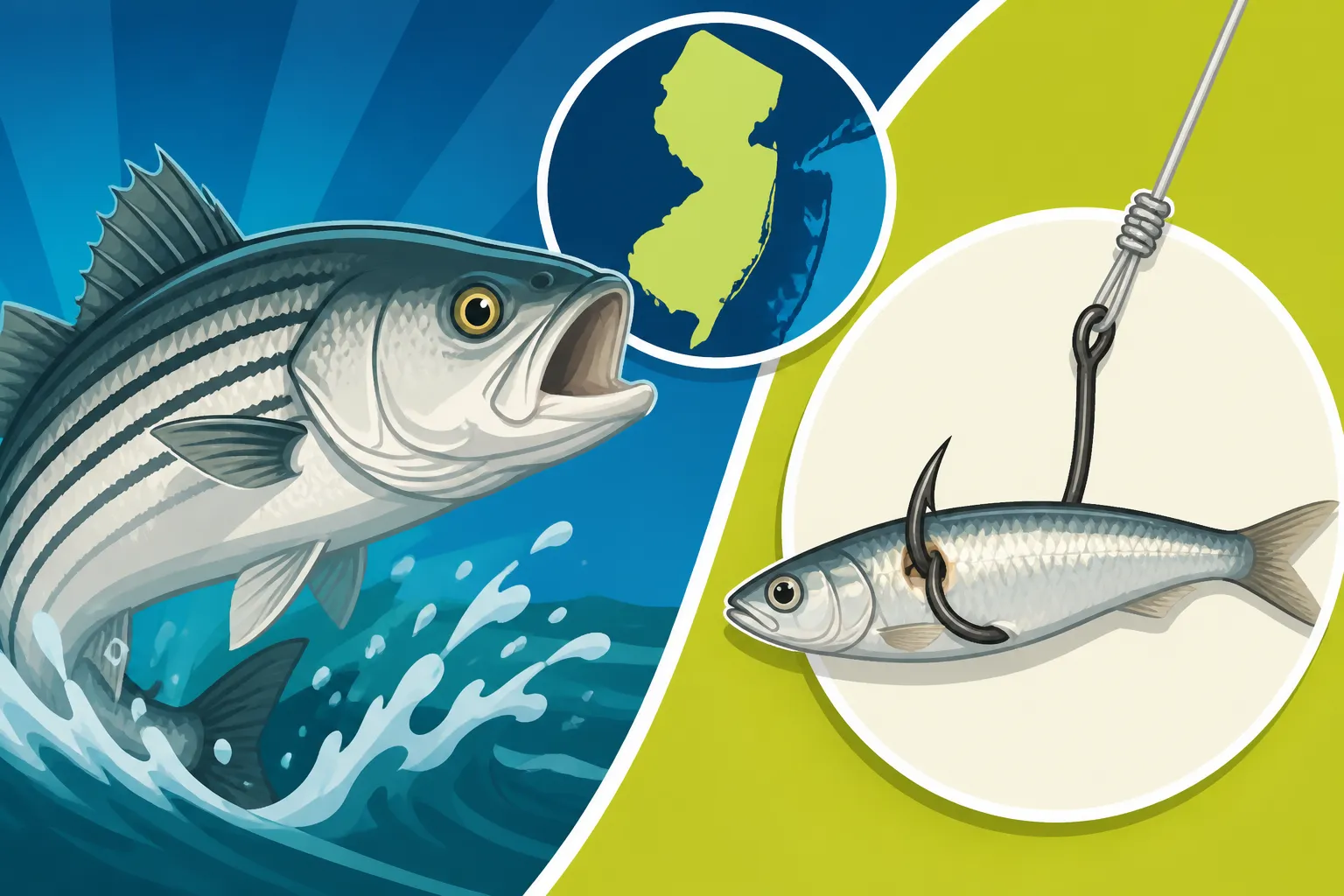
How to Rig Live Bait for Striped Bass
Landing a powerful striped bass in New Jersey is an exhilarating experience, but sometimes, artificial lures just aren't cutting it, leaving you frustrated and wondering what you're doing wrong. When the bite is tough or you're chasing truly trophy-sized fish, nothing beats the appeal of a frisky, live bait. This comprehensive guide will walk you through everything you need to know about effectively rigging and presenting live bait to entice those elusive New Jersey stripers, turning your fishing trips into memorable successes.
Why Choose Live Bait for Striped Bass in New Jersey?
Many anglers, especially those new to striper fishing, often rely heavily on artificial lures, and while they can be effective, there are times when live bait is simply superior. The biggest frustration often comes when you know the fish are there – you might see them on your sonar, or spot tell-tale signs of baitfish activity – but they refuse to hit anything you throw at them. This can be incredibly disheartening, making you question your technique or even your choice of fishing spot. Live bait, however, offers a level of natural appeal that artificials just can't replicate, making it an indispensable tool for serious striper anglers.
The Unmatched Appeal of a Natural Presentation
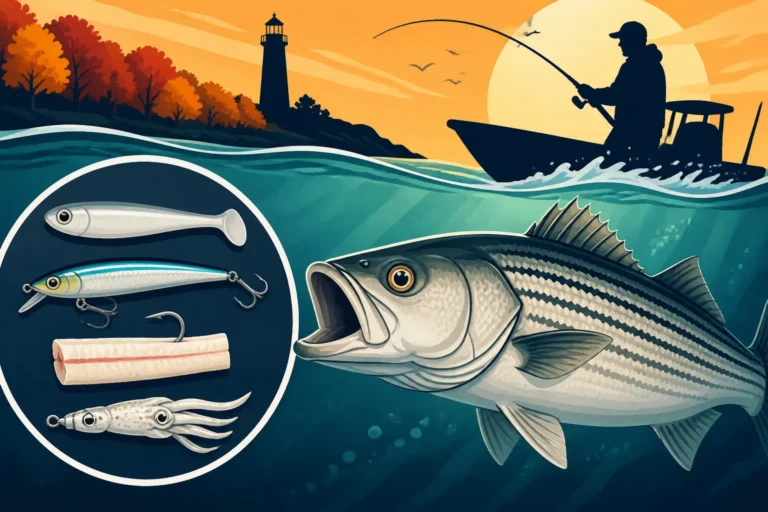
Imagine being a hungry striped bass. You're cruising along a sod bank or a drop-off, and suddenly, a perfectly alive, struggling bunker swims right past your nose. It's not a piece of plastic or wood; it's the real deal, complete with natural scent, movement, and vibration. This authentic presentation is almost irresistible to a predatory fish like a striper. Unlike a crankbait or a soft plastic, live bait moves erratically, reacts to its environment, and emits a distress signal that screams "easy meal." This is especially crucial when stripers are being particularly picky, perhaps due to heavy fishing pressure or an abundance of natural forage. They've seen every type of jig and plug imaginable, but a live, injured baitfish is a primal trigger they often can't ignore.
Targeting Larger, Warier Fish
Another common frustration is consistently catching smaller "schoolie" stripers while the real giants remain elusive. Trophy striped bass, often referred to as "cows," are usually older, smarter, and far warier than their smaller counterparts. They've learned to distinguish between natural food and angler offerings, and they've survived countless encounters with hooks and lines. For these seasoned predators, the risk-reward calculation changes, and they often prefer a substantial, easy meal. A large, live bunker or eel represents a significant caloric intake for minimal effort, making it the preferred target for a large striper. By offering a legitimate, healthy meal, you significantly increase your chances of hooking into that personal best. This is where mastering the art of rigging live bait for striped bass truly shines.
Selecting and Sourcing Your New Jersey Live Bait
The effectiveness of live bait fishing hinges entirely on the quality and type of bait you use. It's not just about having any live fish; it's about having the right live fish, kept in prime condition. Anglers in New Jersey have a few excellent options when it comes to striper candy, each with its own advantages and challenges in terms of sourcing and keeping them alive. Understanding these options is key to a successful trip, and getting it wrong can mean a day of frustration with no bites.
Menhaden (Bunker): The Striper's Favorite Meal
When most New Jersey anglers think of live bait for striped bass, the first fish that comes to mind is often the menhaden, or "bunker." These oily, schooling fish are a primary food source for stripers throughout their migratory journey along the East Coast, and especially during the spring and fall runs along the Jersey Shore. There's nothing quite like dropping a live bunker into a school of hungry stripers and feeling that immediate thud. The challenge, however, is often in acquiring them. You can sometimes snag them yourself using a large cast net in bays and harbors, but this requires skill and effort. Alternatively, many local bait and tackle shops, particularly those near prime fishing grounds like Barnegat Bay or Raritan Bay, will sell live bunker, often caught fresh that morning. When choosing bunker, look for active, healthy fish with no red sores or scales missing, as these indicate stress and a shorter lifespan in your livewell. Keeping them alive requires a well-aerated livewell with a good flow of fresh, cool saltwater.
Eels: Nighttime Assassins and Big Fish Bait
Eels might look intimidating, but they are absolutely deadly for striped bass, especially after dark. Their snake-like movement and fatty content are irresistible to stripers, particularly the larger ones. Eels are incredibly hardy and can survive for a long time in a cooler with just a little fresh saltwater and a change of water now and then. This makes them a fantastic choice for longer trips or when you're fishing areas where bait shops might be scarce. Sourcing eels usually means buying them from a tackle shop. While some anglers catch their own, it's generally easier and more reliable to purchase them. When picking out eels, look for lively ones that are actively trying to escape their container. Eels are often the go-to bait for targeting those trophy-sized bass in rocky areas, inlets, and around bridge pilings, particularly at night. If you're wondering How to Catch Striped Bass From the Beach at Night, eels are often a top recommendation.
Herring and Mackerel: Other Productive Options
While bunker and eels are king, other baitfish can also be incredibly effective depending on the season and location. River herring (alewives and bluebacks) are excellent choices, particularly in tidal rivers during their spawning runs, which coincide perfectly with the spring striper migration. However, herring can be highly regulated, and some areas have strict rules about their possession due to conservation efforts. Always check the latest New Jersey fishing regulations before attempting to catch or use them. Mackerel are another oily, energetic baitfish that stripers love, especially in cooler ocean waters. They are not as readily available in shore-based bait shops as bunker but can sometimes be caught on sabiki rigs by anglers fishing from boats or piers further offshore. Keeping both herring and mackerel alive requires a dedicated livewell with constant fresh water, as they are more delicate than eels or even bunker. For a broader perspective on striper forage, consider reading about What Bait Works Best for Striped Bass in the Fall Run?.
| Bait Type | Best For | Sourcing Difficulty | Hardiness (Live) | Notes |
|---|---|---|---|---|
| Menhaden (Bunker) | All-around, day & night, trophy fish | Medium (cast net/bait shop) | Moderate | Oily, primary forage, require good livewell |
| Eels | Night fishing, rocky areas, large stripers | Easy (bait shop) | High | Very hardy, excellent for selective fish |
| Herring | Spring river runs, active fish | High (regulated, difficult to keep) | Low | Excellent if legal and available |
| Mackerel | Cooler ocean waters, offshore | Medium (sabiki rigs offshore) | Moderate | Energetic, good alternative to bunker |
Essential Gear for Rigging Live Bait for Striped Bass
Successfully presenting live bait isn't just about the bait itself; it's about having the right tools for the job. Using inadequate gear will lead to lost fish, frustration, and potentially even injury. You need robust tackle that can handle the violent strikes and powerful runs of a large striped bass, combined with components specifically designed to keep your live bait active and your hook set solid. Don't skimp on quality here; a cheap swivel or hook can be the weak link that costs you the fish of a lifetime.
Rods, Reels, and Line: Matching Power to the Prey
For live bait fishing, especially when targeting larger stripers, you need a powerful setup. Forget your light freshwater gear; we're talking about robust, saltwater-grade rods and reels. A medium-heavy to heavy action conventional or spinning rod, typically 7 to 10 feet in length, is ideal. The longer rod provides better casting distance, especially from shore or a boat, and offers more leverage when fighting a strong fish. Pair this with a reliable, smooth-dragging reel capable of holding at least 250-300 yards of 30-50 pound braided line. Many anglers prefer conventional reels for their brute cranking power, but a high-quality spinning reel like a Penn Spinfisher or a Daiwa BG can certainly do the trick, offering easier casting for some. Braid is generally preferred for its sensitivity and lack of stretch, which helps detect subtle bites and provides direct hook-setting power. However, always use a fluorocarbon or monofilament leader of 40-80 pounds to absorb shock, prevent line visibility, and protect against abrasion from sharp scales or rocks. You can find excellent options for both reels and lines on Amazon, making it easy to gear up.
Hooks, Leaders, and Swivels: The Critical Connections
This is where the rubber meets the road. Your terminal tackle is the direct link to the fish, and any failure here means a lost opportunity.
- Hooks: When fishing with live bait for striped bass in New Jersey, you absolutely must use non-offset circle hooks. This isn't just a recommendation; it's often a legal requirement to protect striped bass from gut hooking, especially when using natural baits. Circle hooks are designed to hook fish in the corner of the mouth, greatly increasing survival rates for released fish. For bunker or large herring, choose hooks in sizes ranging from 6/0 to 9/0. For eels, a smaller, thinner wire circle hook, perhaps 5/0 to 7/0, might be more appropriate to avoid hindering the eel's natural movement. If you're unclear on the rules, check out our guide on New Jersey Circle Hook Requirements for Bait Fishing.
- Leaders: As mentioned, a strong leader is vital. Fluorocarbon is excellent for its invisibility and abrasion resistance. A 3-6 foot leader of 50-80 pound test is standard when targeting larger stripers. For smaller fish or clearer water, you might drop down to 40-pound.
- Swivels: High-quality barrel swivels or ball-bearing swivels (size 1/0 to 3/0) are essential to prevent line twist, especially when drifting live baits or when an eel is doing its "death roll." Tie your main line to one end of the swivel and your leader to the other.
Weights and Floats: Presenting Your Bait Effectively
The right weighting system ensures your live bait is presented exactly where the stripers are feeding.
- Weights: Depending on the current, depth, and presentation, you'll use various sinkers.
- Egg Sinkers: These are popular for Carolina rigs, allowing the line to run freely through the sinker, so the fish doesn't feel resistance when it picks up the bait. They range from 1/2 oz to several ounces.
- Pyramid or Sputnik Sinkers: Ideal for surf fishing or strong currents, as their shape helps them hold the bottom without rolling.
- Bank Sinkers: Versatile and commonly used for bottom fishing from boats.
- The weight you choose will depend heavily on the conditions. On a slow drift in a bay, a 1-2 oz egg sinker might be perfect. In a roaring inlet current, you might need 6-8 oz or more.
- Floats (Bobbers): While not always used, a float can be incredibly effective when fishing shallower water, over structure, or when you want to keep your bait suspended at a specific depth. Large, buoyant foam or cork floats are best for live bait, capable of supporting the bait and any necessary weight. Some anglers use specialized "popping floats" to create a disturbance on the surface, mimicking struggling baitfish, which can attract aggressive stripers from a distance.
Rigging Techniques for Different Live Baits
Now that you have your gear, let's get into the nitty-gritty of how to properly rig specific live baits. The goal is always the same: keep the bait alive and lively for as long as possible, allow for natural movement, and ensure a solid hook set. Each bait has its own nuances, and understanding them will drastically improve your success rate.
Rigging Live Bunker (Menhaden)
Bunker are robust baitfish, but proper rigging is crucial to keep them swimming naturally and to ensure a good hookup.
- Bridle Rig (Boat/Drifting): This is arguably the most effective and humane way to rig a large bunker, especially from a boat. It involves using a bait needle to pass a small piece of dental floss or a rubber band through the bridge of the bunker's nose (the bony part between its eyes). You then attach your circle hook to this bridle loop. This leaves the hook completely free to swing, ensuring maximum hook-setting efficiency and allowing the bunker to swim completely uninhibited. The fish will act naturally, making it extremely attractive to a striper. This rig is fantastic for drifting open water or along channel edges.
- Through-the-Nose (General): A simpler, very common method is to carefully pass a single circle hook directly through the upper jaw, just behind the nostrils. Be careful not to damage the brain or eyes, as this will quickly kill or stun the bait. The hook point should face forward, away from the fish's head. This rig allows the bunker to swim fairly freely and is effective for both casting from shore or drifting from a boat. It's a quick and reliable way to get a lively bunker in the water.
- Back Rig (Surf/Current): For casting into the surf or in strong currents, some anglers prefer to hook the bunker lightly through the back, just in front of the dorsal fin. Again, avoid the spine. This can make the bunker swim in a distressed manner, which can attract strikes. However, this method can sometimes be harder on the bait, and it's easier for the hook to tear out during a cast or a missed strike. Always use this rig with caution to preserve bait vitality. Remember, in New Jersey, it's illegal to "snag" or intentionally foul hook bunker for bait if you don't intend to keep them for consumption, so you must use a cast net or buy them.
Rigging Live Eels
Eels are notoriously tough and wriggly, which makes them excellent bait but can be a challenge to rig. The key is to handle them as little as possible and to use a method that allows them to swim naturally.
- Lip/Jaw Rig (Most Common): The most popular and effective way to rig an eel is to pass a single circle hook through both its upper and lower jaws, similar to how you'd rig a minnow for freshwater bass. The hook point should exit cleanly from the bottom jaw. This keeps the eel firmly attached and allows it to swim with a natural, undulating motion. For this, a smaller diameter, sharper circle hook (5/0-7/0) often works best, as it minimizes damage to the eel's mouth. This rig is suitable for casting, trolling slowly, or even drifting.
- Through-the-Eye Socket (For Difficult Eels): Some anglers will run the hook through one eye socket and out the other. While it sounds gruesome, it's very effective for securing an eel, especially if it's exceptionally active. This also tends to keep the eel alive for a very long time, as it's a relatively non-vital area. However, always check local regulations regarding this practice as some consider it less humane.
Rigging Live Herring and Mackerel
Herring and mackerel are more delicate than bunker or eels, so extra care is needed to ensure they stay alive and lively.
- Nose or Jaw Rig: Similar to bunker, the best way to rig herring or mackerel is through the nose or jaws. Pass a small circle hook (typically 4/0-6/0, depending on bait size) through the hard cartilage of the nose or through both jaws. This allows them to swim freely without being unduly stressed.
- Back Rig (Light Tackle/Trolling): If using lighter tackle or slow trolling, you can sometimes hook a herring or mackerel lightly through the top of the back, just above the lateral line and in front of the dorsal fin. This can make them swim in a more frantic, injured manner, which can be very attractive. However, these fish are delicate, and this rig can lead to them expiring quickly or tearing off the hook during a vigorous cast. Use this sparingly and always prioritize bait vitality. A well-rigged mackerel can be surprisingly effective, but keeping them alive is often the biggest hurdle.
Presenting Your Live Bait for Maximum Success
Having perfectly rigged live bait is only half the battle. The other half is presenting it effectively to where the striped bass are feeding. This involves understanding currents, tides, water depth, and the behavior of both your bait and your target species. Mastering presentation can turn an average day into an epic one. Remember that New Jersey Fishing Seasons Explained will give you a broader understanding of when specific techniques might be most effective.
Fishing from a Boat: Drifting and Trolling Techniques
From a boat, you have the advantage of mobility and the ability to cover more water, making it easier to find and present your live bait to schools of stripers.
- Drifting: This is one of the most popular and effective methods. Find areas where baitfish are congregating or where stripers are known to hold – along channel edges, over submerged structure, or near inlets. Position your boat upcurrent or upwind and let the current or wind naturally carry your boat (and your live bait) over the prime territory. Use just enough weight to keep your bait in the strike zone, whether that's near the bottom or suspended in the middle of the water column. For instance, in Barnegat Bay, drifting live bunker along the deeper channels during a strong tide change can be incredibly productive for fluke and stripers alike. Keep your reel in free spool with your thumb on the line, ready to engage the drag when a fish takes the bait. This allows the fish to run without feeling resistance.
- Slow Trolling: When stripers are spread out or actively chasing bait, slow trolling live bunker or eels can be very effective. Use just enough speed to keep your bait swimming naturally. Sometimes a small amount of weight is needed to get the bait down to the desired depth. Trolling skirts or small daisy chains in front of your live bait can also add attraction. This technique is especially useful in larger bodies of water like Raritan Bay or the open ocean when fish aren't holding in one specific spot. Always be mindful of boat traffic and other anglers when trolling. This is a common tactic during the Best Time of Year to Fish for Striped Bass in New Jersey when they are actively migrating.
Fishing from Shore: Surfcasting and Pier Strategies
Shore-based anglers can also be highly successful with live bait, though it requires different tactics and sometimes more specialized rigging.
- Surfcasting: When surfcasting live bunker, eels, or even live herring (if legal and available), the challenge is often casting a lively bait without tearing it off the hook or stunning it. This is where a sturdy rod and a smooth casting technique come into play. A "fish finder" rig, which uses an egg sinker sliding freely on your main line above a swivel and leader, is popular. This allows the striper to pick up the bait and run without feeling the resistance of the sinker. Cast your bait into productive areas such as sloughs, rips, or near structure like jetties and sandbars. Pay close attention to the Best Tide for Surf Fishing Striped Bass, as incoming and outgoing tides can drastically change fish behavior. Let your bait sit, but be ready to slowly reel in slack or make slight adjustments to cover more water.
- Pier and Jetty Fishing: Piers and jetties offer excellent access to deeper water and strong currents where stripers often ambush bait. Live eels are particularly effective here, especially at night. You can cast them out and let them swim naturally, or gently bounce them along the bottom. Some anglers use a balloon rig, attaching a balloon to their line a few feet above the bait, which helps carry the live bait further out with the current and keeps it suspended at a desired depth. Just be aware of other anglers and boat traffic around piers and jetties.
Understanding Tides and Structure for Bait Presentation
Striped bass are highly attuned to tides and structure, as these factors dictate where their food sources will be. Understanding this relationship is paramount to successful live bait fishing.
- Tidal Flow: Stripers use currents to their advantage, positioning themselves to ambush baitfish that are swept past them. Fishing the beginning of an outgoing or incoming tide often sees increased activity as baitfish become disoriented or concentrated by the moving water. Areas where currents accelerate or create eddies are prime ambush points. Learning How to Read Tide Charts for Better Fishing in New Jersey is an essential skill that will drastically improve your success. This knowledge, combined with understanding Seasonal Fish Migration Patterns Along the New Jersey Coast, will help you pinpoint when and where to present your live bait.
- Structure: Stripers love structure. This includes natural features like rocky bottom, oyster beds, and sod banks, as well as man-made structures like bridge pilings, jetties, wrecks, and artificial reefs. These features provide cover, create current breaks, and attract baitfish, making them ideal feeding grounds for stripers. Present your live bait as close to this structure as possible, but be prepared for snags. For example, drifting a live eel right along the pilings of the Manasquan Inlet bridge can often yield impressive results, especially around slack tide as the current begins to pick up.
Troubleshooting and Common Mistakes in Live Bait Fishing
Even experienced anglers make mistakes, and when you're dealing with live bait, there are unique challenges. Getting frustrated because your bait keeps dying or you're missing bites is common, but often these issues can be easily rectified. Understanding what can go wrong and how to fix it will save you a lot of headaches and help you land more stripers.
Keeping Your Bait Alive and Lively
The number one rule of live bait fishing is to keep your bait alive and lively. A sluggish, dying baitfish is far less appealing to a striper than a frisky, energetic one.
- Overcrowding Your Livewell: A common mistake is trying to cram too many baitfish into a small livewell. This depletes oxygen, raises ammonia levels, and stresses the fish, leading to quick demise. A good rule of thumb is to have at least one gallon of water per medium-sized bunker.
- Poor Water Quality: Ensure your livewell water is constantly circulating and aerated. A good pump system that draws fresh saltwater is essential. Consider adding a small amount of commercially available livewell additive to reduce stress and ammonia build-up. Changing out a portion of the water regularly, especially on hot days, also helps. You can find robust livewell pumps and accessories on Amazon.
- Temperature Fluctuations: Rapid changes in water temperature can shock and kill baitfish. Try to keep your livewell water temperature stable and similar to the water you collected the bait from. Using a few frozen water bottles (not ice directly, which dilutes salinity) can help keep water cool on hot summer days.
- Improper Handling: Every time you net or handle a baitfish, you stress it and remove its protective slime coat. Handle bait gently and as little as possible. Use a soft, rubberized net instead of a traditional knotty net which can scrape off scales.
Detecting Bites and Setting the Hook Properly
Live bait bites can be different from artificial lure strikes, and proper hook setting, especially with circle hooks, is crucial.
- Reading the Bite: With live bait, a striper often "mouths" or "runs" with the bait for a short period before fully committing. If your drag starts to scream immediately, it’s often a full commitment. If it's a slow, steady pull or just a slight tap, resist the urge to immediately reel or yank. Give the fish a few seconds to fully ingest the bait. Keep your rod tip slightly lowered and your thumb on the spool if using a conventional reel, or a light grip on the line if using a spinning reel with an open bail.
- Setting Circle Hooks: This is where many anglers new to circle hooks go wrong. Do not rear back and set the hook aggressively like you would with a J-hook. Instead, when you feel the fish taking the bait, simply engage your reel, point the rod tip towards the fish, and slowly reel until the line comes tight and the rod loads up. The circle hook will naturally rotate and find the corner of the fish's mouth. A slow, steady pull is all that's needed. Aggressive hook sets will often pull the bait right out of the fish's mouth. For more details on this crucial technique, review Do You Need a Circle Hook to Fish for Striped Bass in New Jersey?. This ensures you comply with regulations, especially with the New Jersey Striped Bass Slot Limit: 28 to 38 Inches being so important for conservation.
Avoiding Snags and Line Break-offs
Fishing around structure, which is where stripers often lurk, inevitably leads to snags. Losing tackle and fish is incredibly frustrating, but there are ways to minimize it.
- Know Your Bottom: Use a depth finder to identify bottom composition and structure if fishing from a boat. If fishing from shore, make a few exploratory casts with a heavy jig to "feel" the bottom before deploying live bait.
- Adjust Weight and Drift: If you're constantly snagging, you might be using too much weight or drifting too slowly. Adjust your sinker size or boat speed to keep your bait just above the snags. Sometimes a balloon rig can help keep your live bait away from the bottom.
- Check Your Line Regularly: After every fish or snag, thoroughly inspect your leader and main line for nicks, abrasions, or kinks. Re-tie if necessary. A weakened line is a guaranteed break-off when a large striper hits. Keep a variety of pre-tied leaders ready to quickly swap out damaged ones.
- Quality Components: Invest in high-quality swivels and hooks. Cheaper components are more prone to failure when put under stress. You can find robust options for all these necessities on platforms like Amazon, ensuring you're well-equipped for any striper encounter.
Rigging and presenting live bait for striped bass in New Jersey is a skill that takes practice, but the rewards are well worth the effort. There's a primal satisfaction that comes from outsmarting a wary striper with its natural forage, and often, it's the most reliable way to connect with those truly impressive fish. To learn more about this iconic species and how to target it, our comprehensive guide on How to Fish for Striped Bass in New Jersey is a fantastic resource.
Disclaimer
Fishing regulations can change frequently. Always consult the latest New Jersey Fish and Wildlife Digest or visit the official NJDEP website before heading out. This guide is for informational purposes only and does not supersede state fishing laws.