Best Time of Day to Surf Fish
Oh, the age-old question that keeps many of us surf anglers scratching our heads as we stare at the dark horizon or the fading light of day: "When is the absolute best time to surf fish?" It's a frustrating riddle, isn't it? You can spend hours out there, casting until your arm aches, only to come up empty-handed, all while wondering if you just missed the golden window. Well, you're not alone in that feeling. This guide is here to shed some light on the optimal times to hit the New Jersey beaches and increase your chances of a successful outing, by really digging into what makes fish bite.
The Dawn and Dusk Advantage: When Fish are Most Active
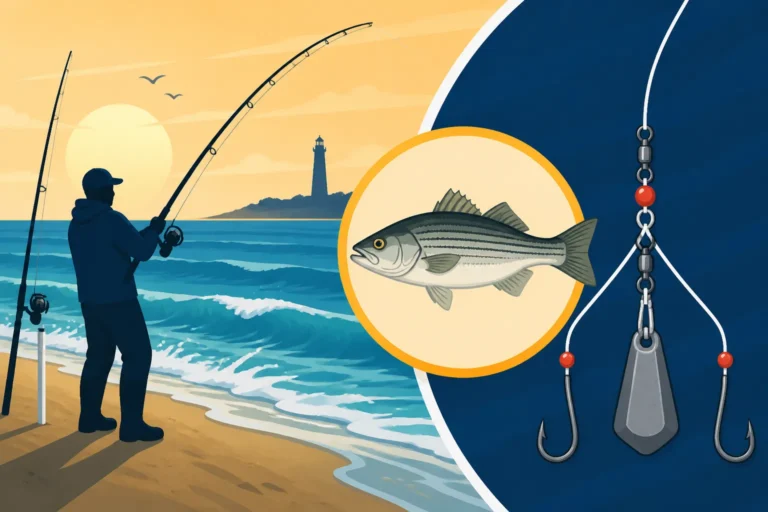
If you ask any seasoned surf angler along the Jersey Shore, many will point to the hours around sunrise and sunset as the absolute sweet spot. There's a reason these times are often called the "golden hours" or "magic hours" by those of us who live for the tug on the line. It's not just poetic; there are tangible, fish-driven reasons why these periods are so productive.
Embracing the Dawn Patrol
Dragging yourself out of bed before the sun even thinks about peeking over the Atlantic can feel like a monumental task, especially on a chilly morning. But trust me, the effort often pays off in spades. As the first light begins to paint the sky, the underwater world awakens in a very particular way. Prey fish, like baitfish and crabs, become more active, and with that activity comes the predators. Striped bass, bluefish, and even some fluke will cruise the shallows, looking for an easy meal.
The low light conditions give these predatory fish a significant advantage. Their eyes are often better adapted to low light than those of their prey, making them more confident hunters closer to shore. It also offers a layer of stealth, allowing them to ambush unsuspecting bait. Beyond the light, the water temperature is often at its coolest and most stable during these early morning hours, particularly in the summer. This can make fish more comfortable and willing to feed. Plus, let's be honest, there's a certain peaceful solitude to being the first one on the beach, with nothing but the sound of the waves and the anticipation of a bite. If you're wondering how to maximize your chances during these periods, check out our guide on How to Catch Striped Bass From the Beach at Night which delves into strategies for low-light conditions.
The Magic of Sunset and Evening
Just as the sun rises, so too does it set, bringing another period of heightened activity. The transition from day to night mirrors the dawn, but with its own unique charm. As the sun dips below the horizon, casting those vibrant hues across the sky, many of the same dynamics come into play. The light fades, offering cover to predators, and the cooler evening air starts to drop the water temperature, inviting fish back into shallower feeding zones.
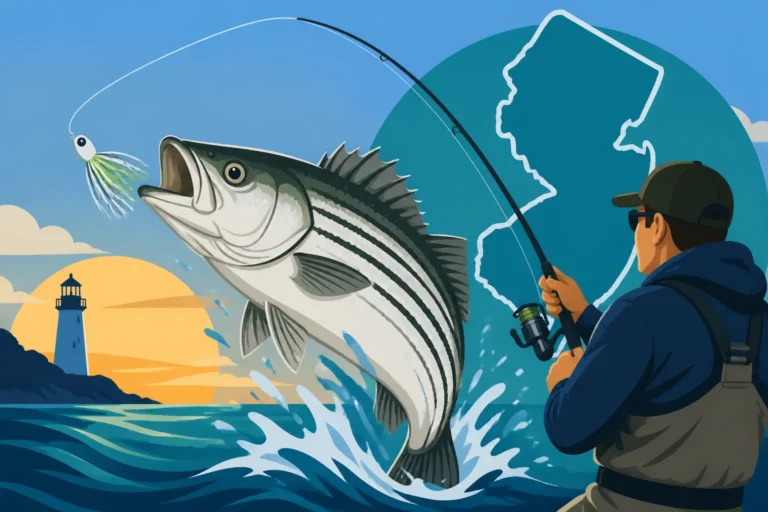
This is a fantastic time for targeting larger game fish that might be more hesitant to venture close to shore during the bright midday sun. Striped bass often become incredibly active as dusk settles, especially during their spring and fall migrations. Bluefish can also be found tearing through bait schools with aggressive strikes. For those of us who appreciate a beautiful view along with our fishing, watching a Jersey Shore sunset from the sand, rod in hand, is an experience in itself. Many anglers find that the bite can remain strong for a couple of hours after dark, especially on moonlit nights. This is also when nocturnal creatures, like certain crabs and eels, become more active, adding to the buffet for hungry fish.
Midday Fishing: Overcoming the Challenges
So, what about the middle of the day? Is it a complete write-off for surf fishing? Absolutely not! While it often presents more challenges than dawn or dusk, giving up on midday altogether means missing out on potential opportunities. It just requires a different mindset and, often, a different approach. The key here is understanding why midday can be tough and how to adapt.
The Sun's Glare and Warmth
The biggest hurdle during midday, especially in the warmer months, is the combination of intense sunlight and rising water temperatures. Bright sunlight penetrates deeper into the water, making fish more visible to predators from above (like birds of prey) and making them feel more exposed in shallow water. Many species will retreat to deeper troughs, around structure, or into areas with more shade to avoid the glare and the heat.
For anglers, this means your presentation needs to be more subtle, or you need to target areas where fish are likely to be hiding. Think about deeper cuts, the edges of sandbars that create a shadow, or even fishing near jetties and rocky outcrops where there's natural cover. The warmer water also affects fish metabolism; sometimes they're just less inclined to chase a meal vigorously when they're trying to conserve energy. This is a common frustration, casting into seemingly perfect water only to feel nothing. But a little persistence and tactical thinking can turn things around.
Adjusting Your Approach for Midday Success
To succeed during the brighter, warmer hours, you often need to think differently. One strategy is to switch to lures or baits that mimic the slower, less aggressive behavior of baitfish trying to hide. Soft plastics or slow-moving jigs can sometimes entice a bite when fast retrieves fail. Another approach is to fish with natural bait, such as fresh clam, bunker, or a live crab, allowing the scent to do the work and appeal to fish that might be less inclined to chase.
Your gear can also play a role. During bright conditions, fish can be more line-shy, so considering a lighter fluorocarbon leader might be beneficial. And don't forget about protecting yourself from the sun! A good pair of polarized sunglasses isn't just for spotting fish; it's crucial for reducing glare and eye strain. A wide-brimmed hat and sun-protective clothing are also a must. You can find excellent options for sun shirts and polarized fishing glasses on Amazon, for example, ensuring you're comfortable and protected for those longer midday stints. For more specific gear recommendations, our article on Best New Jersey Fishing Gear for Beginners might be helpful.
Tides and Currents: The Real Driving Force
Here's the kicker: while dawn and dusk are often phenomenal, the absolute "best time of day" for surf fishing is often dictated less by the clock and more by the tide. You can be on the beach at the crack of dawn, but if the tide isn't right, you might as well be fishing in a bathtub. Understanding the tides and how they interact with currents and the beach structure is arguably the most critical element to consistent success.
Deciphering the Tides for Surf Fishing
New Jersey's coastal waters experience two high tides and two low tides each day, roughly six hours apart. Fish, especially migratory species like striped bass and bluefish, use these tidal movements to their advantage. They know that moving water stirs up the bottom, dislodging crabs, worms, and baitfish, creating an easy feeding opportunity.
- Incoming Tide (Flood Tide): As the tide rises, it brings in cooler, cleaner water from offshore, pushing baitfish closer to the beach. This is often a fantastic time to fish, especially the last two hours before high tide. As the water fills in, it covers previously exposed structure, allowing fish to move into new feeding grounds. You'll find many anglers swear by the incoming tide for a hot bite. Learning how to identify and fish these phases is crucial; our guide on How to Read Tide Charts for Better Fishing in New Jersey is an invaluable resource.
- Outgoing Tide (Ebb Tide): The falling tide can also be incredibly productive, especially the first two hours after high tide. As the water recedes, it pulls baitfish and crabs out of the shallow guts and pockets, concentrating them in specific areas where predators lie in wait. River mouths and inlets, in particular, can be phenomenal on an outgoing tide as fresh and brackish water mixes, carrying nutrients and bait out to sea. Our article on How to Fish a Falling Tide offers detailed strategies for this specific scenario.
- Slack Tide: This is the period around high or low tide when the water movement is minimal. For many surf anglers, slack tide is often the slowest fishing, as the lack of current means less bait movement and less aggressive feeding from predators. However, there are exceptions; some species might prefer these calmer periods, or if you're targeting very specific, stationary structure, it can still produce.
| Tidal Phase | General Activity | Best for (Common) | Notes |
|---|---|---|---|
| Incoming Tide | High | Striped Bass, Bluefish, Fluke | Water pushes bait closer to shore, covers new structure. Often strongest bite in the last 2-3 hours before high tide. |
| Outgoing Tide | High | Striped Bass, Bluefish | Water pulls bait from flats and pockets, concentrating them. Often strong bite in the first 2-3 hours after high tide, especially near inlets. |
| Slack Tide | Low | Crabs, some bottom fish | Period of minimal water movement around high/low tide. Generally slower fishing for predatory species, as bait isn't being moved around as much. May be good for certain species that don't rely on current or for bait fishing in specific spots. |
Current Lines and Structure
It's not just about whether the tide is coming or going; it's about what that tide is doing to the water and the structure. Look for "current lines" – areas where two different currents meet, often indicated by a line of foam, debris, or a noticeable change in water texture. These are natural ambush points for predatory fish, as bait gets concentrated along these lines. Rips and eddies formed around sandbars, jetties, or submerged rocks are also prime locations.
Understanding the bathymetry of the beach you're fishing is vital. Deep troughs running parallel to the shore, sudden drop-offs, and "cuts" (deeper channels that run perpendicular to the beach) are highways for fish moving with the tide. A good pair of waders and a keen eye can help you identify these features. Often, a few casts at low tide can reveal the hidden contours of the beach you'll be fishing at high tide. Combine this knowledge with the principles of New Jersey Surf Fishing Techniques, and you'll be well on your way to consistent catches. For instance, when casting into a rip current, understanding its dynamics, as detailed in How to Read a Rip Current for Safer Surf Fishing, can significantly improve your bait presentation.
Weather, Seasons, and Other Factors
Beyond the time of day and the tide, a multitude of other factors influence when fish decide to feed. Experienced anglers know that Mother Nature often has the final say, and being able to read her signals can turn a slow day into a memorable one.
How Weather Changes the Game
Weather isn't just about comfort; it significantly impacts fish behavior.
- Cloud Cover: Overcast days often extend the "golden hours" effect, as the diffused light makes fish feel more comfortable in shallower water throughout the day. Don't let a cloudy midday deter you!
- Wind: Wind can be a double-edged sword. A strong offshore wind (blowing from land to sea) can flatten the waves, making for clear, calm conditions that some fish don't prefer. However, an onshore wind (blowing from sea to land) can create choppier water, stir up the bottom, and push bait closer to shore, often igniting a bite. The downside? It can be brutal to cast in. Investing in a good wind-resistant jacket is a must. If you struggle with casting in the wind, our guide on How to Cast Farther When Surf Fishing has some great tips.
- Storm Fronts: Fishing before a storm front moves in can often be phenomenal. The drop in barometric pressure often triggers an aggressive feeding spree as fish sense the impending change. However, once the storm hits or passes, fishing can be slow for a day or two. Always prioritize safety over fishing during actual storm conditions. For staying comfortable in varied weather, consider durable outerwear or rain gear found on Amazon, designed specifically for anglers.
Seasonal Influences on Prime Times
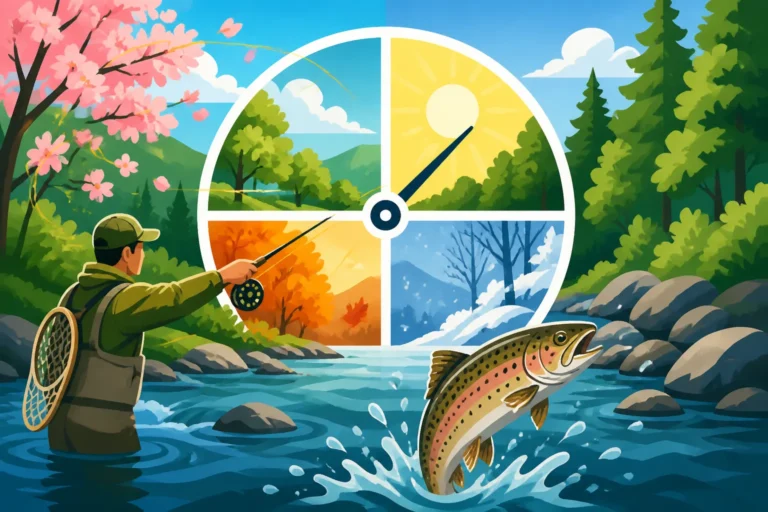
The "best time of day" also shifts dramatically with the seasons in New Jersey.
- Spring: As water temperatures rise, fish like striped bass begin their migratory journey along the coast. Early spring mornings and late afternoons are prime as they seek out warmer shallow waters to feed. This is also when winter flounder become more active. Learn more in New Jersey Fishing Season Dates and Closures.
- Summer: The hot summer sun often pushes fish into deeper, cooler waters during midday. This means dawn, dusk, and even night fishing become even more critical for species like fluke and striped bass. When it comes to Best Time of Year to Fish for Fluke in New Jersey, early mornings on an incoming tide are often key.
- Fall: Ah, the legendary "fall run" along the Jersey Shore! This is arguably the best time of year for surf fishing, with cooler temperatures and huge schools of baitfish migrating south, followed closely by striped bass, bluefish, and other predators. During the fall run, fish can be active almost all day, but the periods around tide changes and during low light remain exceptionally productive. Our guide on When Do Striped Bass Migrate Through New Jersey? offers detailed insights into this exciting season. Even the middle of the day can be red hot during a full-blown blitz.
- Winter: Surf fishing in winter is a different beast altogether. With very cold water, fish activity slows down significantly. Midday, when the sun is highest and can offer a slight warming effect, might actually become more productive than the frigid dawn or dusk for hardy species like tautog or black sea bass if they're close enough to shore.
Ultimately, there's no single "best" time that works every single day. It's a dynamic puzzle involving light, temperature, tide, and weather. The most successful surf anglers are those who pay attention to all these factors and adjust their strategies accordingly. Get out there, observe, learn, and enjoy the beautiful challenge of surf fishing in New Jersey!
Disclaimer
This article is for general informational purposes only and does not constitute professional advice. Laws, prices and regulations vary by location and change over time. Consult a qualified professional for guidance on your specific situation.