Smallmouth Bass Fishing in New Jersey
There's nothing quite like the electrifying fight of a smallmouth bass in New Jersey's waters. These feisty fish can be incredibly elusive, leading to frustrating days on the water for even seasoned anglers. This guide is dedicated to unlocking the secrets of New Jersey's smallmouth bass, offering you a comprehensive look at their habits, the best places to find them, and the techniques that will put more bronzebacks in your net.
Understanding New Jersey's Smallmouth Bass
Smallmouth bass are truly remarkable creatures, renowned for their aggressive strikes and acrobatic fights. Unlike their largemouth cousins, smallmouth prefer cooler, clearer water with rocky bottoms and plenty of current, making certain New Jersey waterways prime habitat. Knowing what makes them tick is the first step to consistently hooking up with these incredible game fish.
What Makes Smallmouth Bass Unique?
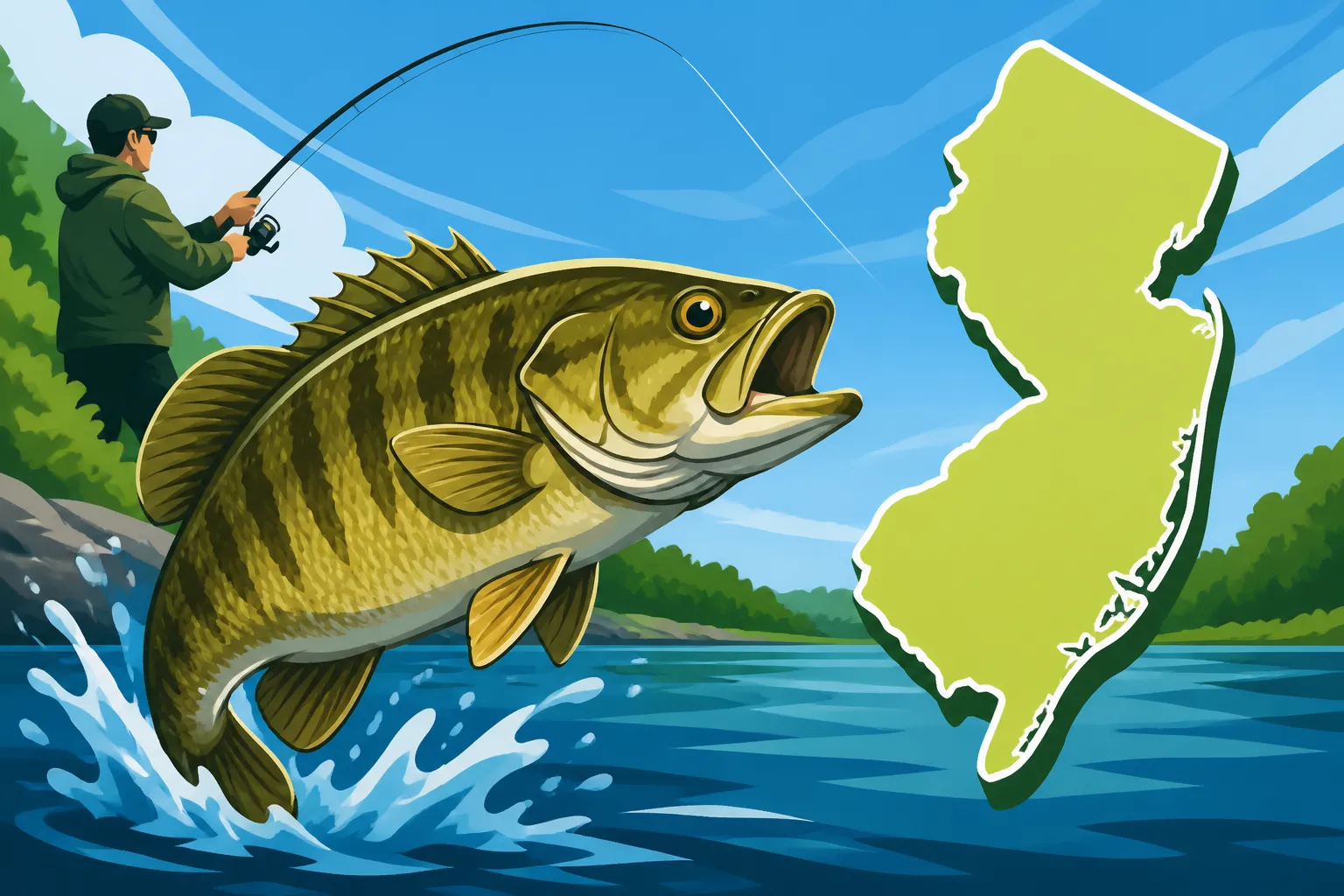
Smallmouth bass, often affectionately called "bronzebacks" due to their distinctive coloration, are easily distinguished from largemouth bass by several key features. Their upper jaw typically doesn't extend past the eye when the mouth is closed, unlike the largemouth where it goes well beyond. They also tend to have vertical bars or blotches on their sides rather than a horizontal stripe. But beyond appearance, it's their personality that truly sets them apart. Smallmouth are tenacious fighters; they'll leap, dive, and pull with surprising power, often making multiple runs that will test your tackle and your angling skills. They're often found in schools, meaning if you catch one, there are likely more nearby. This makes finding a good spot even more rewarding, as you might stumble upon a whole group of active fish. Their preference for certain habitats also dictates the types of lures and techniques that work best, focusing on mimicking the prey they target in rocky, moving water.
Where Do Smallmouth Bass Thrive in New Jersey?
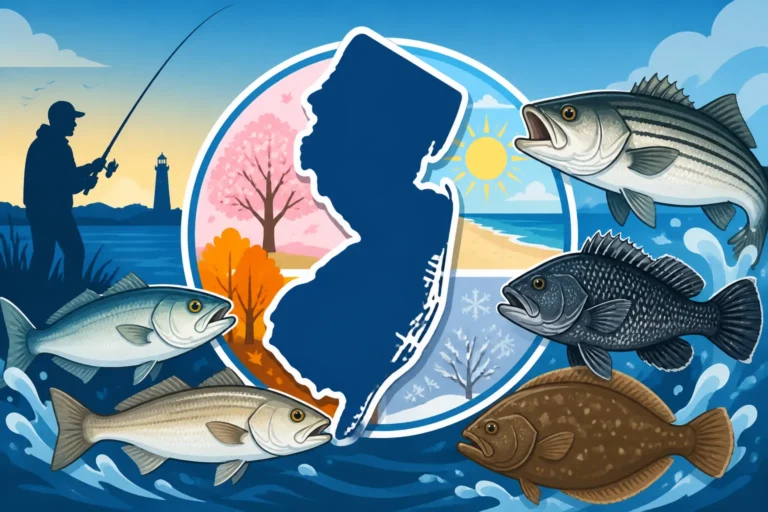
New Jersey might be famous for its striped bass and fluke fishing, but it holds some fantastic smallmouth opportunities if you know where to look. These fish crave cool, oxygen-rich water with plenty of rock structure, gravel beds, and moderate current. Think of rivers, large reservoirs, and deeper, clear lakes. They'll use rocks for ambush points, current breaks for resting, and gravel for spawning. Unlike largemouth that love dense weeds and submerged timber, smallmouth are structure-oriented, meaning they'll relate to boulders, ledges, drop-offs, and submerged humps. This preference is crucial for anglers, as pinpointing these underwater features is key to finding concentrations of fish. Areas with a mix of depths, from shallow feeding flats to deeper holding areas, are particularly productive. Look for places where tributary streams enter larger bodies of water, bringing in food and slightly cooler, more oxygenated flow.
Smallmouth Behavior Throughout the Seasons
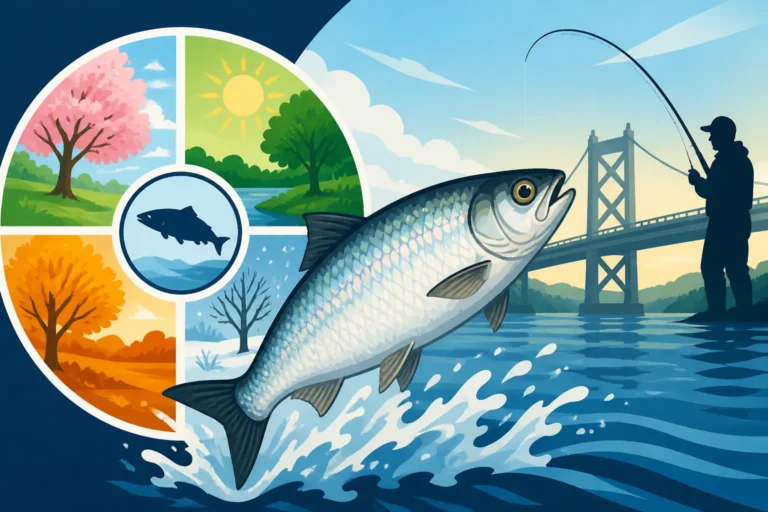
A smallmouth bass's behavior changes dramatically with the seasons, driven largely by water temperature and spawning cycles. In early spring, as water temperatures slowly climb from the high 40s into the 50s, smallmouth begin to shake off their winter lethargy. They move from deeper holding areas into shallower bays and flats, seeking warmer water and preparing for the spawn. This pre-spawn period can offer some of the most aggressive bites. During the spawn, typically when water temperatures are in the mid-50s to low 60s, males guard nests on gravel beds, becoming very territorial and protective. Post-spawn, fish disperse, with females recovering in slightly deeper water and males continuing to guard fry for a period.
Summer heat pushes smallmouth to seek refuge in deeper, cooler water, often relating to current breaks, thermoclines in lakes, or the cold inflow of feeder streams. They'll feed during low-light conditions or when baitfish are active. As fall arrives and water temperatures drop, smallmouth enter a crucial feeding period, gorging themselves on baitfish and crayfish in preparation for winter. This is another prime time for aggressive bites. In winter, they retreat to deep, stable water, becoming less active and feeding sparingly. Understanding these seasonal shifts is fundamental to successful smallmouth fishing, allowing you to adapt your approach to where the fish are and what they're willing to bite.
Top New Jersey Smallmouth Bass Fishing Spots
While New Jersey is often celebrated for its saltwater angling, the state offers some truly exceptional opportunities for smallmouth bass enthusiasts. Knowing where to focus your efforts can make all the difference, transforming a frustrating day into a memorable one filled with hard-fighting bronzebacks. From sprawling rivers to picturesque reservoirs, the Garden State has a diverse range of smallmouth havens waiting to be explored.
The Legendary Delaware River
Without a doubt, the Delaware River Smallmouth Bass Fishing is considered by many to be New Jersey's premier smallmouth fishery. This majestic river, forming the western border of the state, provides hundreds of miles of prime smallmouth habitat. Anglers can find excellent fishing from the upper reaches near Port Jervis, all the way down to the tidal sections, though the best smallmouth action is typically found above Trenton. The river's character—its mix of rocky rapids, deep pools, current seams, and submerged boulders—creates an ideal environment for these current-loving bass.
Fishing the Delaware often means navigating varying water levels and currents, so understanding the river's flow is crucial. Many anglers choose to float sections of the river in kayaks, canoes, or drift boats, allowing them to cover significant ground and target multiple types of structure. The smallmouth here are wild, strong, and plentiful, providing consistent action throughout the warmer months. Look for eddies behind large rocks, the seams where faster and slower water meet, and the heads and tails of pools. These areas concentrate baitfish and provide ambush points for hungry smallmouth. Exploring the Delaware can be an adventure in itself, revealing new spots and challenging conditions with every trip. For more specific insights, check out New Jersey Smallmouth Bass on the Delaware River.
North Jersey's Underrated Reservoirs
Beyond the mighty Delaware, North Jersey boasts several impressive reservoirs that hold healthy populations of smallmouth bass. These deeper, clearer bodies of water, often surrounded by scenic woodlands, offer a different kind of smallmouth challenge. Merrill Creek Reservoir, for instance, is a deep, clear impoundment known for its trophy smallmouth potential. Its rocky shores, deep drop-offs, and vast expanses of open water can be intimidating, but those who learn its secrets are often rewarded with truly magnificent fish. The smallmouth here often suspend over deep water or relate to subtle underwater structures, requiring different tactics than river fishing.
Monksville Reservoir is another fantastic option, offering a mix of depths and structure. While it also holds largemouth, the smallmouth tend to congregate in the deeper, rockier sections, especially near the dam or submerged humps. These reservoirs require a more patient approach, often involving electronics to locate fish and subtle presentations to entice a bite. They can be particularly good during the summer months when river temperatures might be too warm for comfortable smallmouth fishing. Always check local regulations for specific boating and access rules, as some reservoirs have restrictions on motor types or launch procedures. The reward, however, is the chance to tangle with some truly large smallmouth that have grown fat on the plentiful forage in these deep, clear waters.
Hidden Gems and Tributaries
While the big names like the Delaware and Merrill Creek get a lot of attention, New Jersey is dotted with countless smaller rivers, streams, and even some lesser-known lakes that hold fantastic smallmouth populations. These hidden gems often require a bit more exploration but can offer solitude and excellent fishing pressure. Rivers like the upper Raritan and its tributaries, or sections of the Musconetcong River, can provide exciting wade-fishing opportunities for smallmouth. These smaller waterways may not produce the giants found in the reservoirs, but they offer consistent action with aggressive, hard-fighting fish.
Often, these areas are perfect for light tackle and stealthy approaches, casting to visible structure or working pockets behind current breaks. Don't overlook the mouths of creeks and streams that feed into larger rivers or lakes; these can be hotspots, especially after a rain when fresh food washes into the main body of water. Some state park ponds and even some stretches of the Paulinskill River can surprise anglers with their smallmouth populations. The key is to look for that classic smallmouth habitat: clean water, rocky bottom, and some form of current or distinct structure. A good topographic map and some on-foot scouting can often lead to discovering your own secret smallmouth spot, a truly rewarding experience for any angler.
Essential Gear for New Jersey Smallmouth
Just like any specialized form of fishing, targeting smallmouth bass effectively in New Jersey requires the right tools for the job. While you don't need to break the bank, having appropriate rods, reels, line, and tackle will significantly improve your success rate and enhance your experience battling these feisty fish. Investing in quality gear designed for smallmouth will pay dividends in sensitivity, casting performance, and the ability to handle their powerful runs.
Rod and Reel Setups for Different Techniques
When it comes to smallmouth bass, versatility in your rod and reel setup is key. For finesse techniques, which are often crucial in clear New Jersey waters or when fish are pressured, a medium-light to medium power spinning rod, typically 6'6" to 7' long, with a fast or extra-fast action, is ideal. This setup provides the sensitivity needed to detect subtle bites and the backbone to handle unexpected surges. Pair this with a 2000-2500 series spinning reel spooled with light line, and you're ready for drop shots, small jigs, or tube baits. Many anglers find excellent quality spinning combos on online platforms like Amazon, offering a good balance of performance and price.
For more aggressive presentations like crankbaits, jerkbaits, or topwater lures, a baitcasting setup often provides better control and power. A medium to medium-heavy power baitcasting rod, also 6'6" to 7'3" in length, with a moderate-fast to fast action, will give you the casting distance and hook-setting power you need. Match this with a reliable baitcasting reel with a gear ratio appropriate for your chosen retrieve speed—a faster retrieve for topwater, a slower one for deep crankbaits. Having both spinning and baitcasting setups allows you to adapt to various conditions and lure types, maximizing your chances of success on the water.
Line Choices: Mono, Fluorocarbon, or Braid?
The choice of fishing line is critical for smallmouth bass, as each type offers distinct advantages and disadvantages. Monofilament (mono) is a good all-around choice, offering excellent knot strength, stretch (which can be forgiving with aggressive strikes), and affordability. It's often used for topwater lures due to its buoyancy. However, its stretch can reduce sensitivity, and it's more visible in clear water.
Fluorocarbon is widely popular for smallmouth due to its low visibility underwater, making it a great choice for clear-water finesse presentations. It also has less stretch than mono, providing better sensitivity, and it sinks, which can be beneficial for crankbaits and jigs. The downside is it can be more expensive and has a bit more memory. Many anglers use a fluorocarbon leader tied to a braided main line for the best of both worlds.
Braided line offers incredible strength-to-diameter ratio, no stretch for maximum sensitivity, and excellent casting distance. It's fantastic for detecting light bites and pulling fish from heavy cover. However, it's highly visible underwater, which is why it's often paired with a fluorocarbon leader, typically 6 to 10 feet long, especially in clear smallmouth waters. The choice often comes down to personal preference and the specific technique you're employing, but having a good understanding of each line type will make you a more versatile and effective smallmouth angler.
Tackle Box Staples for Smallmouth
A well-stocked tackle box for smallmouth bass fishing should contain a variety of lures and terminal tackle to adapt to different conditions. Hooks are fundamental, with a range of sizes and styles like EWG (Extra Wide Gap) hooks for soft plastics, straight shank hooks for tubes, and treble hooks for hard baits. You'll also need various weights, including bullet weights for Texas rigging, drop shot weights, and small jig heads. Different sizes of swivels and snaps can be useful for quick lure changes, especially when fishing active schools.
Don't forget leader material, typically fluorocarbon, in several strengths (e.g., 6lb, 8lb, 10lb test) to match different line strengths and conditions. A good pair of pliers or forceps for hook removal, a line cutter, and a measuring tape are also essential. Beyond the basics, consider adding a selection of smallmouth-specific baits, which we'll dive into next. Having a diverse array of options will ensure you're prepared for whatever mood the smallmouth are in, from aggressive feeders to finicky biters. Remember, every piece of terminal tackle, no matter how small, plays a role in presenting your lure effectively and successfully landing that hard-fighting bronzeback.
Best Lures and Baits for New Jersey Smallmouth Bass
Smallmouth bass are opportunistic feeders, but they can also be incredibly selective, especially in clear water or under heavy fishing pressure. Having a diverse arsenal of lures and baits is crucial for adapting to their mood and the conditions you face on New Jersey's rivers and reservoirs. From aggressive topwater explosions to subtle bottom presentations, matching the hatch and offering the right enticement is key to consistent success.
Hard Baits: Crankbaits, Jerkbaits, and Topwaters
Hard baits are fantastic for covering water and triggering aggressive reaction strikes from smallmouth. Crankbaits, especially those designed to imitate crayfish or baitfish, are excellent for probing different depths. Shallow-diving crankbaits work well over rocky flats or along submerged ledges, while medium and deep divers can be effective for targeting fish in deeper holes or reservoir humps. Colors like brown, red, or natural baitfish patterns often excel.
Jerkbaits are another smallmouth favorite, particularly in cooler water or when fish are suspended. Their erratic, darting action, followed by pauses, perfectly mimics a struggling baitfish. Transparent or silver/blue patterns are often highly effective. Twitching a jerkbait and letting it suspend can often draw strikes from wary smallmouth who might ignore a continuous retrieve.
For sheer excitement, nothing beats a topwater strike. Poppers, walk-the-dog baits, and prop baits can be deadly during low-light conditions (dawn, dusk) or on overcast days when smallmouth are actively feeding on the surface. The thrill of watching a bronzeback explode on a surface lure is unforgettable. Experiment with retrieve speeds and pauses; sometimes a slow, deliberate retrieve is best, while other times a frantic, erratic action will trigger a bite. You can find a vast selection of these hard baits, including various sizes and colors, on platforms like Amazon, making it easy to experiment and find what works best in your local waters.
Soft Plastics: Tubes, Grubs, and Worms
Soft plastics are arguably the most versatile and consistently effective category of lures for smallmouth bass. Tubes, which imitate crayfish and gobies, are an absolute staple. Rigged on an internal jig head or Texas rigged, they can be cast, dragged, hopped, or even jigged vertically. Colors like green pumpkin, watermelon, or brown variations are always reliable. Their spiraling fall and subtle action are irresistible to smallmouth.
Grubs, especially small single-tail or double-tail varieties, fished on light jig heads, are another classic. They mimic small baitfish or insect larvae and can be deadly when retrieved with a steady swim or a drag-and-pause motion. They are particularly effective in river currents. Small paddle-tail swimbaits are also gaining popularity, offering a realistic baitfish profile with a subtle tail kick.
Traditional worms, typically shorter and fatter than those used for largemouth, can also be very effective, especially on a drop shot rig or Ned rig. These finesse presentations allow for subtle movements and longer pauses, perfect for finicky fish or cold water. The beauty of soft plastics lies in their ability to be presented in countless ways, allowing you to fine-tune your approach to precisely what the smallmouth are responding to on any given day. Remember to experiment with different sizes and colors to match the forage in the specific New Jersey waters you're fishing.
Live Bait and Natural Presentations
While artificial lures are often preferred for their sport and efficiency, sometimes nothing beats a natural presentation, especially when targeting larger or particularly finicky smallmouth. Live bait can be incredibly effective, particularly minnows, shiners, and crayfish. Minnows and shiners, hooked lightly through the lip or back, can be fished under a float, on a Carolina rig, or simply drifted through current seams in rivers. Their natural swimming action is a powerful attractant.
Crayfish are a primary food source for smallmouth bass, especially in rocky riverine environments. Presenting a live crayfish, hooked through the tail, along the bottom or near rock structure can often entice strikes when artificials fail. You can find excellent advice on rigging and presenting live bait, along with gear like bait buckets, from various online fishing resources.
Another natural presentation involves nightcrawlers or garden worms. While more commonly associated with trout or panfish, a lively nightcrawler fished on a small hook with minimal weight can be deadly for smallmouth, especially in slower currents or when they're feeding on the bottom. The key with live bait is to present it as naturally as possible, allowing its inherent appeal to do the work. This method is particularly useful for beginners or when you're simply trying to guarantee some action on a tough day.
Mastering Smallmouth Bass Fishing Techniques
Catching smallmouth bass in New Jersey isn't just about having the right gear; it's about understanding how to use it effectively and how to read the water. Smallmouth are highly attuned to their environment, relying on current, structure, and changes in depth to ambush prey. Developing a keen sense of observation and mastering a few key techniques will dramatically increase your success rate.
Reading the Water: Structure and Current
Smallmouth bass are true structure and current fanatics. Unlike largemouth that love heavy cover, smallmouth prefer hard, defined structures like rocks, ledges, humps, and current breaks. When you're on the water, whether it's a river or a reservoir, your eyes should be constantly scanning for these key features. In rivers, look for obvious signs of current breaks: eddies behind large boulders, the slack water downstream of a fallen log (even if they don't hide in the log, they'll use the current break), or seams where faster water meets slower water. Smallmouth will often sit in the slower water, waiting for baitfish or crayfish to be swept by in the faster current.
In lakes and reservoirs, structure might be less obvious but no less important. Use your electronics to find submerged humps, rock piles, old roadbeds, or sharp drop-offs. These underwater features act as highways and holding areas for smallmouth. Pay attention to changes in bottom composition—a transition from mud to gravel or rock can indicate a prime feeding or spawning area. Understanding water flow is also critical; even in lakes, subtle currents caused by wind, thermoclines, or inflow from tributaries can position fish in predictable ways. Learning to "read the water" is an art that develops with practice, but it's the single most important skill for consistent smallmouth success.
Effective Casting and Retrieval Strategies
Once you've identified potential smallmouth holding areas, the next step is presenting your lure effectively. Accuracy is paramount, especially when targeting specific pieces of structure like a single boulder or a small current seam. Practice casting to hit your target consistently, whether it's a precise flip with a jig or a long cast with a crankbait. Over-casting past your target and retrieving through it is often more effective than landing directly on top of it, which can spook wary fish.
Retrieval strategies will vary greatly depending on the lure and conditions. For soft plastics like tubes or grubs, a drag-and-hop retrieve along the bottom is often deadly, mimicking a crayfish. With crankbaits, vary your retrieve speed until you find what the fish prefer, sometimes a slow, steady pull, other times a quick burn followed by a pause. Jerkbaits demand a specific "twitch, twitch, pause" retrieve to maximize their erratic action. Topwater lures are all about creating disturbance and enticing a surface strike; experiment with different popping or walking patterns. The key is to experiment, pay attention to what triggers bites, and adjust your retrieve until you crack the code. Remember, smallmouth are aggressive, but they're also smart, and a subtle change in your presentation can make all the difference.
Fighting and Landing Smallmouth
Fighting a smallmouth bass is an experience in itself. These fish are renowned for their strength, speed, and aerial acrobatics. When you feel that characteristic "thump" or sudden weight, set the hook firmly and be prepared for a fight! Smallmouth will often make powerful runs, especially towards cover or deeper water, and are famous for their leaps out of the water. Keeping tension on the line is critical during these jumps to prevent them from throwing the hook.
Use the flex of your rod to absorb their head shakes and runs, but don't be afraid to apply pressure to turn their head away from snags. Your drag setting should be smooth and just tight enough to prevent line from being peeled off too easily, but loose enough to prevent a snapped line during a sudden surge. As you bring the fish closer, be ready for one last ditch effort to escape. When landing a smallmouth, a rubberized landing net is ideal, as it's gentle on the fish and prevents hooks from tangling. If you're planning on releasing the fish, which is common for smallmouth, try to keep it in the water as much as possible, supporting its body. Handle them gently, remove the hook quickly, and allow them to recover before release. The goal is to get that picture-perfect shot, but more importantly, to ensure a healthy release.
Seasonal Strategies for Smallmouth Success
Smallmouth bass are creatures of habit, but their habits shift dramatically with the changing seasons in New Jersey. Understanding these seasonal patterns is like having a roadmap to where the fish are and what they're willing to eat. Tailoring your approach to the specific time of year will put you squarely in the strike zone more often, helping you anticipate their movements and feeding behaviors.
Spring: Pre-Spawn and Spawn Tactics
Spring is an exciting time for smallmouth anglers as the fish shake off their winter dormancy and begin to move. As water temperatures climb into the mid-40s and 50s, smallmouth will leave their deep wintering holes and migrate towards shallower areas with dark, rocky bottoms that absorb sunlight. These "staging" areas are often near future spawning grounds, like gravel flats in rivers or protected bays in reservoirs. This pre-spawn period, when temperatures are in the high 40s to low 50s, can offer some of the most aggressive bites of the year as fish feed heavily to bulk up for the spawn. Medium-diving crankbaits, jerkbaits, and tube jigs worked slowly can be incredibly effective during this time.
Once water temperatures consistently hit the mid-50s to low 60s, the smallmouth spawn begins. Males will fan out circular nests on gravel or rocky bottoms, usually in 2-10 feet of water. During this period, males are highly territorial and protective. Sight fishing for bedding bass can be effective, but remember to practice responsible angling. Soft plastics, like tubes or creature baits, cast beyond the nest and slowly dragged into it, often trigger a defensive strike. However, it's often better to target post-spawn fish that are recovering and feeding more actively, ensuring the spawning fish are left undisturbed to reproduce successfully. Respecting the spawn helps ensure healthy smallmouth populations for future generations of anglers.
Summer: Deep Water and Current Strategies
As New Jersey's summer heat sets in and water temperatures rise, smallmouth bass will typically retreat to cooler, more oxygenated water. In rivers, this means they'll often stack up in deeper pools, strong current seams, or near the mouths of cooler tributary streams. Look for areas with shade or faster-moving water which holds more dissolved oxygen. In reservoirs, smallmouth will often move to deeper offshore structures like submerged humps, points, or rocky ledges, sometimes suspending over deeper water. Locating the thermocline (the layer where water temperature changes rapidly) can be key in lakes, as smallmouth will often hold just above or within this cooler band.
During summer, early mornings, late evenings, and overcast days can be prime times for active feeding in shallower water, including topwater action. During the bright, hot midday, focus on those deeper areas with finesse presentations like drop shots or Ned rigs. Carolina rigs with soft plastics or live bait can also be very effective for targeting smallmouth holding tight to the bottom in deeper water. Small swimbaits or football jigs worked slowly along deep structure can also entice strikes. The key is to slow down your presentation, get your bait to the correct depth, and work those cooler, more comfortable zones where the smallmouth are seeking refuge from the heat.
Fall: Feeding Frenzy and Migration
Fall is a beloved season for many smallmouth anglers, and for good reason: the fish enter an intense feeding period, known as the "fall turnover" or "feeding frenzy," to put on weight for the coming winter. As water temperatures gradually drop from the 70s into the 50s, smallmouth become incredibly active and aggressive. They will often school up in large numbers, chasing baitfish in open water or along prominent structures. This is a fantastic time for covering water with moving baits.
Crankbaits, especially those with tight wobbles that imitate shad or herring, can be deadly in the fall. Jerkbaits are also incredibly effective as smallmouth often become very responsive to erratic, stop-and-go retrieves. Topwater can still produce, especially on warmer fall days, so don't be afraid to throw a popper or a walking bait. As temperatures continue to fall, smallmouth will start to move towards their wintering areas, which are often the deepest, most stable parts of a river or reservoir. Targeting these transition zones with a mix of aggressive and subtle presentations can lead to some incredible catches before the deep chill sets in. Paying attention to baitfish activity is paramount during the fall, as smallmouth will be following their food sources closely.
Winter: The Tough Bite
Winter smallmouth fishing in New Jersey can be challenging, but it's not impossible, especially for dedicated anglers willing to brave the cold. As water temperatures drop into the 30s and low 40s, smallmouth become much less active. They typically congregate in their deepest wintering holes, often in large schools, where water temperatures are most stable. Their metabolism slows down, and they feed sparingly, requiring very subtle presentations.
Ice fishing can offer unique opportunities on frozen lakes and reservoirs, targeting smallmouth with small spoons, jigging raps, or tiny soft plastics tipped with a minnow head or wax worm. In open water rivers or unfrozen reservoirs, the key is to fish very slowly and precisely. Finesse techniques like the drop shot rig, Ned rig, or small hair jigs are often the most productive. Present these baits right on the fish's nose and let them sit for extended periods. Bites will often be incredibly light, feeling more like a subtle pressure or a slight tick rather than a hard strike. A sensitive rod and light line are crucial for detecting these faint takes. While the action might be slower, catching a hard-fighting smallmouth in the dead of winter is a truly rewarding accomplishment.
Conservation and Responsible Angling
As passionate anglers, we have a responsibility to protect the resources we cherish. Smallmouth bass populations in New Jersey, while generally healthy, benefit immensely from responsible fishing practices and adherence to regulations. Ensuring the sustainability of this incredible fishery guarantees that future generations can experience the same thrill of battling a bronzeback.
Understanding New Jersey's Smallmouth Regulations
New Jersey, like most states, has specific regulations in place to manage its fish populations, and smallmouth bass are no exception. These rules are designed to protect the species during critical times, such as spawning, and to ensure sustainable harvest levels. While I can't give you the exact figures or dates, as they can change annually, it is absolutely crucial for every angler to familiarize themselves with the current New Jersey fishing regulations. You can usually find the most up-to-date information in the New Jersey Fish and Wildlife Digest, which is available online or at licensed sporting goods retailers.
Regulations typically cover aspects such as minimum size limits, daily bag limits (how many fish you can keep in a day), and sometimes specific seasons or catch-and-release only zones. For instance, New Jersey Freshwater Fishing Regulations Every Angler Should Know would be an excellent resource to consult. Penalties for not adhering to these rules can range from fines to loss of fishing privileges, but more importantly, disregarding regulations can have detrimental impacts on the fish population. Always check the digest before heading out, as rules for a specific body of water might differ from general state regulations. Being informed is a key part of being a responsible angler.
Catch and Release Best Practices
Smallmouth bass are highly valued sport fish, and many anglers choose to practice catch and release, especially for larger specimens or when fishing in areas with sensitive populations. Proper catch and release techniques are vital to ensure the fish's survival and minimize stress. Here are some best practices:
- Minimize Fight Time: While smallmouth are fighters, try to land the fish as quickly as possible to reduce exhaustion.
- Handle Gently: Use wet hands or a wet, rubberized net to handle the fish. Avoid touching their gills or eyes. Support their entire body weight, especially if holding them horizontally for a photo.
- Quick Hook Removal: Use needle-nose pliers or forceps to quickly and carefully remove the hook. If the fish is deeply hooked, it may be better to cut the line as close to the hook as possible, as the hook will often rust out.
- Limit Air Exposure: Keep the fish in the water as much as possible. If taking a photo, do it quickly and return the fish to the water immediately.
- Revive Properly: Hold the fish upright in the water, facing into the current (if present), and gently move it back and forth until it can swim away on its own. Don't simply toss it back; ensure it's strong enough to recover.
By following these guidelines, you greatly increase the chances of the smallmouth surviving to fight another day and contribute to the health of the fishery. It's a small effort that makes a huge difference.
Protecting Smallmouth Habitat
Beyond directly handling fish, protecting their habitat is fundamental to maintaining healthy smallmouth bass populations. Smallmouth rely on clean, clear, cool water with plenty of natural structure. This means actively supporting efforts to prevent pollution in New Jersey's rivers and reservoirs. Things like litter, chemical runoff, and erosion can degrade water quality and destroy essential spawning grounds and feeding areas.
Anglers can contribute by practicing "leave no trace" principles: packing out all trash, avoiding disturbing streambeds or shorelines unnecessarily, and reporting any pollution or illegal activity you observe. Advocating for responsible land use and supporting conservation organizations that work to protect aquatic ecosystems are also important ways to contribute. Healthy riparian zones (the vegetation along riverbanks) help filter runoff and provide shade, keeping water temperatures suitable for smallmouth. By being good stewards of the environment, we ensure that the beautiful, rocky habitats that smallmouth bass call home remain vibrant and productive for generations to come.
Here's a quick comparison of popular smallmouth lures and their ideal conditions:
| Lure Type | Best Conditions | Retrieval Style | Key Advantage |
|---|---|---|---|
| Crankbaits | Covering water, active fish, varying depths | Steady retrieve, stop-and-go | Covers water quickly, triggers reaction |
| Jerkbaits | Cooler water, suspended fish, clear water | Erratic twitch-pause, long pauses | Mimics dying baitfish, highly visual |
| Topwater Lures | Low light, calm water, aggressive fish | Popping, walking, chugging | Exciting surface strikes |
| Tube Jigs | Bottom fishing, imitating crayfish, finesse | Drag, hop, jig | Versatile, great crayfish imitation |
| Drop Shot Rigs | Deep water, finicky fish, clear water | Subtle shakes, minimal movement | Precise depth control, natural action |
| Ned Rigs | Tough bites, pressured fish, cold water | Drag-and-pause, stand-up jig | Minimalist, highly effective for weary fish |
Disclaimer
This article is for general informational purposes only and does not constitute professional advice. Laws, prices and regulations vary by location and change over time. Consult a qualified professional for guidance on your specific situation.