What Time of Year Do Shad Run on the Delaware River?
Ah, the American Shad run on the Delaware River! It's one of New Jersey's most anticipated freshwater events, and if you're like many anglers, you've probably found yourself wondering, "Exactly when does this incredible migration happen?" It's not always a straightforward answer, as nature has its own calendar, but understanding the general timeframe and the factors that influence it can make all the difference between a frustrating wait and a fantastic day on the water. This guide is here to shed some light on the subject, helping you pinpoint the best time to experience the magic of the shad run.
Understanding the American Shad Run on the Delaware River
There's something truly special about the American Shad. These aren't just any fish; they're anadromous marvels, meaning they spend most of their lives in the saltwater ocean but return to freshwater rivers to spawn. For many generations, the Delaware River has been their highway home, hosting one of the last remaining robust shad runs on the East Coast. It's a natural phenomenon that draws anglers from all over, eager to participate in this vibrant spring tradition.
The Life Cycle and Migration of American Shad
Imagine a fish that travels thousands of miles in the ocean, then, driven by an ancient instinct, navigates back to the very river—and sometimes even the very stream—where it was born. That's the American Shad. Their journey into the Delaware typically begins in late winter or early spring when the water temperatures start to nudge upward. These fish are powerful swimmers, pushing against the current, driven by the sole purpose of reproduction. They don't eat much once they enter the fresh water; their energy stores are for the arduous journey and the subsequent spawning.
Their migration is a testament to nature's resilience. From the vastness of the Atlantic Ocean, they funnel into the Delaware Bay, then continue upstream, bypassing cities, industrial areas, and natural obstacles. The sheer determination of these fish to complete their lifecycle is truly inspiring. Anglers who pursue them aren't just catching a fish; they're connecting with a primal force of nature, part of a centuries-old ritual.
Historical Significance of the Shad Run in New Jersey
The shad run isn't just a modern recreational pursuit; it's a vital part of New Jersey's history and cultural heritage, particularly along the Delaware River. For Native American tribes like the Lenape, and later for European settlers, shad were a critical food source, signaling the arrival of spring and providing sustenance after long winters. Entire communities would gather along the riverbanks to net, trap, and fish for these prized silver treasures. The abundance of shad was legendary, often described in historical accounts as so thick you could walk across the river on their backs.
However, the 19th and 20th centuries brought significant challenges. Industrial pollution, unregulated fishing practices, and the construction of dams severely impacted the shad populations and their ability to reach spawning grounds. The Delaware River, like many others, suffered. Thankfully, dedicated conservation efforts, improved water quality regulations, and dam removals have allowed the American Shad to make a remarkable comeback, restoring the run to a shadow of its former glory, but a glory nonetheless. Today, while commercial fishing is highly regulated or absent, recreational anglers help keep the tradition alive, cherishing the chance to intercept these migratory fish. To learn more about how fishing is managed, you might find Reading the New Jersey Fish and Wildlife Digest a helpful resource.
Pinpointing the Shad Run Season: When to Expect the Action
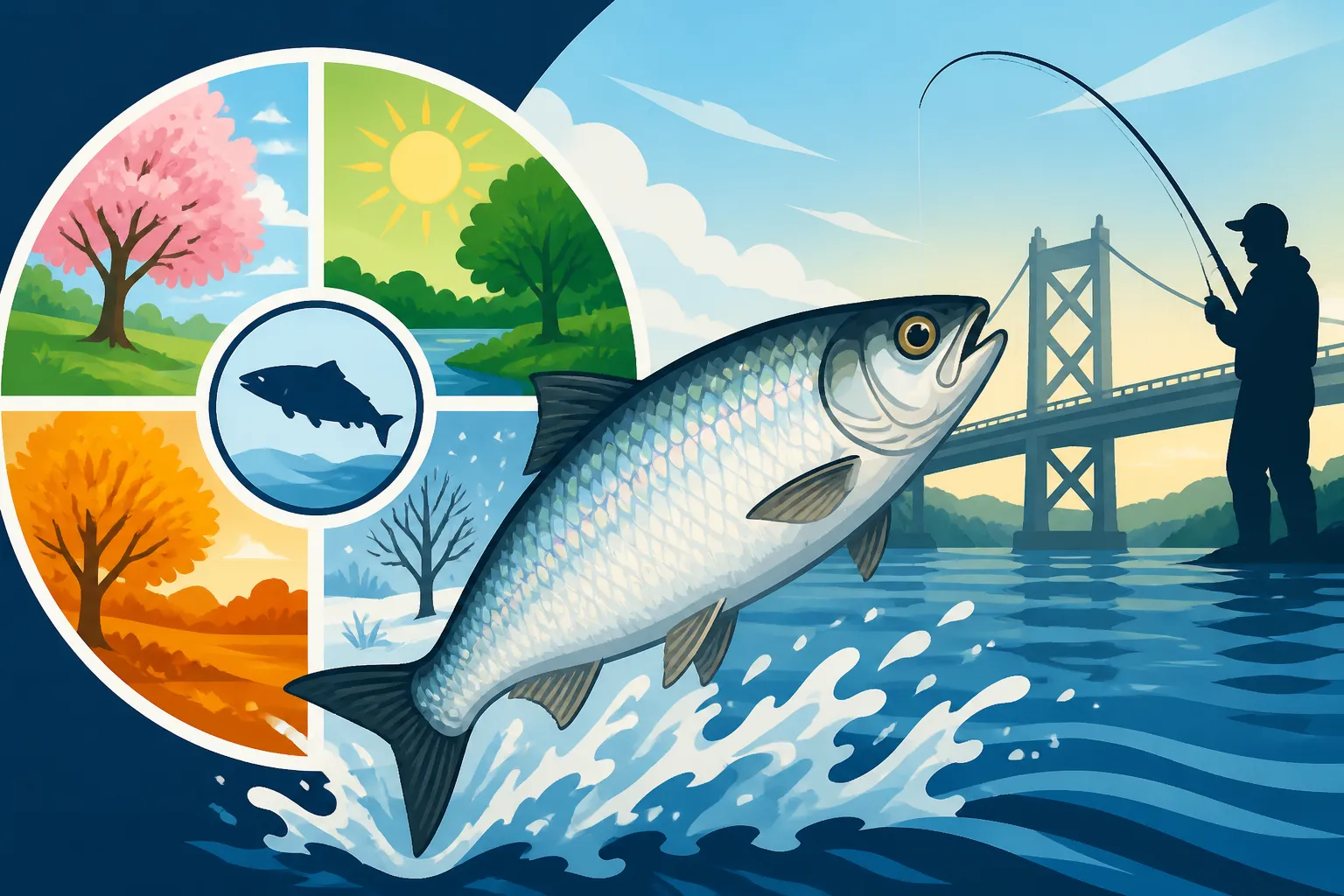
So, you want to know the million-dollar question: when do the shad actually run? The truth is, there's no single "start date" etched in stone. It's a dynamic period influenced by a cocktail of environmental factors, but we can talk about general trends and typical windows. Generally speaking, the American Shad migration up the Delaware River spans from late March through early June, with peak action usually concentrated in the heart of spring.
The Early Birds: Late Winter and Early Spring Arrivals
The first whispers of the shad run usually begin in late March. These are the vanguard fish, often larger "roe" shad (females laden with eggs) pushing hard from the saltwater of the Delaware Bay into the lower stretches of the river. During this early phase, the water is still quite cold, typically in the low to mid-40s Fahrenheit. Fishing can be sporadic, and the fish are often holding deeper in the water column, making them a bit more challenging to locate.
Anglers targeting these early arrivals often focus on areas below Trenton, sometimes even down near Philadelphia, where the river widens. Patience is key, as is monitoring local fishing reports. A warm spell in March can accelerate their arrival, while a prolonged cold snap can delay it. It's less about a grand entrance and more about a gradual trickle that builds anticipation for the main event.
Peak Season: Mid-Spring Excitement
The real party usually kicks off in mid-April and continues through May. This is the "peak" of the shad run, the time when water temperatures consistently climb into the sweet spot—typically the mid-50s to low 60s Fahrenheit. During these weeks, the river can be teeming with fish, and the action can be incredibly fast and furious. This is when you'll see many anglers lining the banks or anchoring their boats in prime spots from Trenton all the way up to the Delaware Water Gap.
The peak run offers consistent opportunities for both roe and buck (male) shad, which are often smaller but feisty fighters. Places like Lambertville, Frenchtown, and Easton become hubs of activity. Knowing how to fish for these hard-fighting fish can be an absolute blast. You can get more specific details about tactics in our guide on Delaware River Shad Run Fishing. These weeks are truly the highlight of the shad season, offering some of the most exciting freshwater fishing experiences in the state.
Winding Down: Late Spring and Early Summer
As May progresses and we move into early June, the shad run begins to taper off. Water temperatures continue to rise, often climbing into the upper 60s and even 70s Fahrenheit. Many of the fish have completed their spawning rituals and are starting their downstream journey back to the ocean, now known as "spent" shad or "downrunners." These fish are typically thinner and less energetic after their incredible effort, and while you can still catch them, the numbers and intensity usually decrease significantly.
During this late phase, you might still find some active fish, particularly in cooler pockets or further upstream, but the consistent, frenzied action of the peak season is generally behind us. Anglers might shift their focus to other species that become more active in the warmer water, but the memory of the spring shad run lingers, and plans for next year begin to form. For a broader overview of seasonal changes, check out New Jersey Fishing Season Dates and Closures.
Here's a quick overview of the typical phases:
| Season Phase | Typical Timing | Water Temperature (Fahrenheit) | River Flow Tendency | Key Characteristics |
|---|---|---|---|---|
| Early Season | Late March – Mid-April | 40s – Low 50s | Higher | First fish arrive in lower river, sporadic catches, fish holding deeper. Anglers often target lower river sections. |
| Peak Season | Mid-April – Late May | Mid-50s – Mid-60s | Moderate | Main migration, high numbers of fish, intense spawning, widespread angling success. The time for consistent action. |
| Late Season | Late May – Mid-June | Upper 60s – 70s | Lower | Post-spawn fish leaving, numbers decrease, fish become less active. Good for those still seeking a few stragglers. |
Factors Influencing the Delaware River Shad Run
As mentioned, the shad run isn't a fixed event; it's a dynamic ballet choreographed by nature. Several key environmental factors play a crucial role in dictating the exact timing, intensity, and duration of the migration. Understanding these can help you better predict the best times to hit the river and increase your chances of success.
Water Temperature as a Primary Trigger
Without a doubt, water temperature is the most critical factor influencing the American Shad run. These fish are highly sensitive to thermal changes, and specific temperature ranges act as triggers for different stages of their migration and spawning. Generally, the first significant push of shad into the lower river occurs when water temperatures consistently reach the low to mid-40s Fahrenheit.
As the water warms into the mid-50s and low 60s, the migration reaches its peak intensity, and spawning activity becomes widespread. A prolonged cold spell in spring can significantly delay the run, while an unusually warm spring can bring it on earlier than anticipated. Monitoring real-time river temperatures through various online resources or local fishing reports is one of the best ways to gauge the timing. It's often more reliable than just looking at the calendar.
River Flow and Water Levels
The flow rate and overall water level of the Delaware River also have a substantial impact on the shad run and the fishing experience. Heavy spring rains or significant snowmelt can lead to high, swift, and often muddy water conditions. While these high flows might actually aid the shad in their upstream migration, they can make fishing incredibly challenging for anglers. The fish might be harder to find, and your lures or flies might not get down to them effectively.
Conversely, periods of prolonged dry weather can result in lower, clearer water conditions. While this might concentrate the fish in certain areas, making them easier to spot, it can also make them more wary and spooky. Many experienced shad anglers prefer moderate flows and stable water levels, often referred to as the "Goldilocks" zone—not too high, not too low, but just right. These conditions typically offer the best balance for both fish movement and angling success.
Moon Phases and Their Potential Role
While not as universally agreed upon as water temperature and flow, many seasoned shad anglers and observers believe that moon phases, particularly the full and new moons, can influence the intensity of the run and spawning activity. The theory often suggests that these lunar phases, with their associated stronger tides in the lower river, might encourage larger pushes of fish upstream.
Additionally, some believe that shad tend to spawn more actively during the darker nights around the new moon or perhaps in conjunction with the brighter nights of a full moon. Whether it's a direct physiological effect or simply a correlation with other environmental factors like tides, it's a consideration many anglers factor into their planning. While you might not adjust your entire trip around the moon, it's certainly a piece of traditional wisdom worth considering alongside other more scientific indicators.
Gear, Techniques, and Etiquette for Shad Fishing
Once you have a handle on when the shad are likely to be running, the next step is to prepare for how to catch them. Shad are an absolute blast to catch, known for their powerful runs, acrobatic jumps, and strong fighting spirit. While the focus of this guide is on timing, a quick primer on responsible angling practices can ensure you're ready when the time comes.
Essential Gear for Shad Anglers
Shad fishing doesn't require a heavy-duty setup; in fact, lighter tackle often makes the fight even more exhilarating. Most anglers opt for a light to medium-light spinning rod, around 6 to 7 feet in length, paired with a small spinning reel spooled with 6 to 8-pound test monofilament or fluorocarbon line. This setup provides enough backbone to cast small lures yet is sensitive enough to feel the subtle taps of a shad bite.
When it comes to lures, the classic shad dart reigns supreme. These small, weighted jigs come in a rainbow of colors, with chartreuse, pink, white, and red often being top performers. Small spoon lures and inline spinners are also very effective. For fly anglers, specialized shad flies, often brightly colored and weighted, are the go-to. You can find many of these specific items at places like Amazon, or your local tackle shop. Having a good pair of polarized sunglasses is also crucial for spotting fish or reading the water. You can find more specific gear recommendations in our guide on How to Fish for Shad on the Delaware River.
Common Shad Fishing Techniques
The most common technique for shad fishing involves casting your lure or fly across the current and retrieving it at a steady pace, allowing it to swing downstream and flutter through the water column. Shad often strike aggressively as the lure swings. When fishing from shore or a boat, identifying areas where shad might hold—such as current seams, eddy lines, or deeper pockets—is key.
For those using spinning gear, varying your retrieve speed and adding a slight jigging motion can sometimes trigger a strike. Fly anglers often use a "swing" technique, casting upstream and across, letting the current carry the fly down and across the river, mimicking natural bait. The key is to cover water and present your offering where the shad are actively moving or holding. Keep in mind that different rules apply for freshwater versus saltwater, which you can learn about in Freshwater vs Saltwater Fishing Rules in New Jersey.
Practicing Responsible Shad Fishing
The American Shad population, while recovering, still needs our respect and stewardship. Many anglers on the Delaware River practice catch and release, especially for the larger roe shad, to ensure future generations of fish. If you do choose to keep fish, always be mindful of the daily bag limits and size regulations set by the New Jersey Division of Fish and Wildlife. These are detailed in the New Jersey Freshwater Fishing Regulations Every Angler Should Know.
Beyond regulations, practicing good etiquette on the water is essential. The Delaware River can get crowded during the peak shad run, so be respectful of other anglers, maintain a reasonable distance, and share prime spots. Avoid littering and always leave the riverbank cleaner than you found it. After all, we're all out there to enjoy this incredible natural resource. If you're ever unsure about rules or see violations, remember that New Jersey Conservation Police and License Checks are a part of ensuring the health of our fisheries. Also, if you plan to fish near the border, it's a good idea to understand Do You Need Two Licenses to Fish the Delaware River Between New Jersey and Pennsylvania?.
Disclaimer
This article is for general informational purposes only and does not constitute professional advice. Laws, prices and regulations vary by location and change over time. Consult a qualified professional for guidance on your specific situation.