Why Do Bluefish Blitzes Happen Near the Shore?
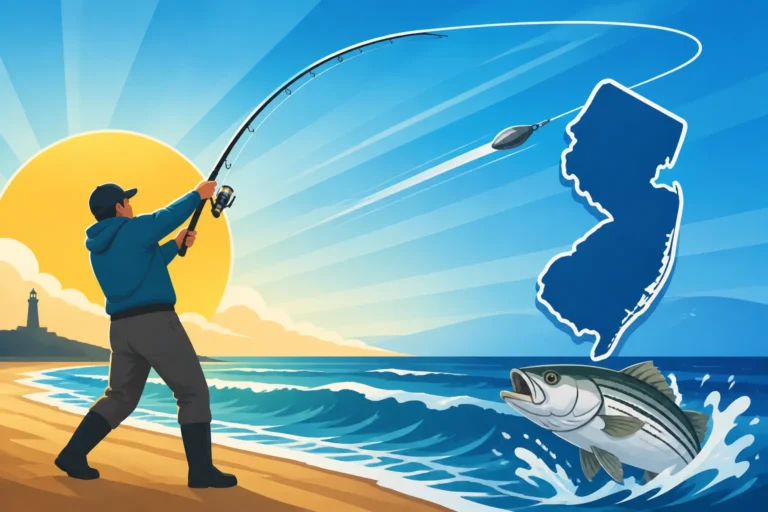
There’s nothing quite like witnessing the raw power and frenetic energy of a bluefish blitz along the New Jersey coastline. One moment, the water is calm, and the next, it’s a boiling cauldron of splashing fish, screaming gulls, and pure, unadulterated chaos. Many anglers, especially those new to saltwater fishing, often wonder why these incredible feeding frenzies happen so close to shore, making them such an accessible and thrilling experience. This guide will dive deep into the fascinating combination of biological and environmental factors that drive bluefish into these explosive near-shore feeding events.
Understanding the Bluefish Blitz Phenomenon
When you hear "bluefish blitz," it conjures images of chaotic, surface-feeding mayhem, and that's precisely what it is. It's not just a casual feeding session; it's a full-on, high-octane assault on baitfish, leaving the water churned and the air filled with the cries of opportunistic seabirds.
What Exactly is a Bluefish Blitz?
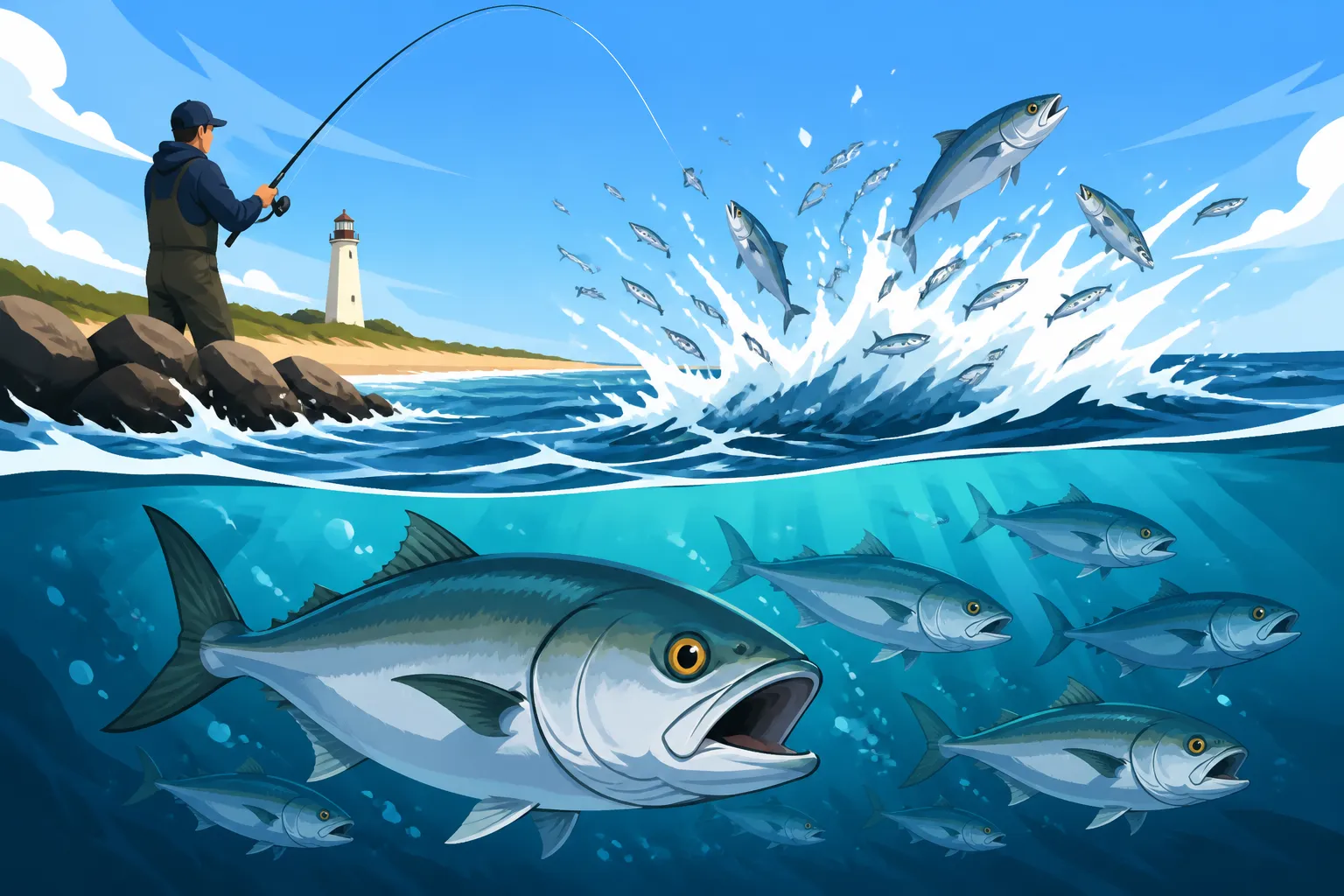
A bluefish blitz is essentially a coordinated, aggressive feeding event where large schools of bluefish corner and attack dense schools of baitfish. Imagine hundreds, sometimes thousands, of bluefish, often ranging from snapper blues to choppers, all converging on a school of bunker or spearing. They herd the baitfish into tight balls, pushing them towards the surface or into shallow water, and then unleash a relentless assault. The water literally boils with activity, often looking like rain hitting the surface, but it's actually the baitfish leaping out of the water in a desperate attempt to escape. Meanwhile, the bluefish are slashing and tearing through the school, often leaving behind a trail of mangled baitfish and oily slicks. For an angler, it's an unmistakable sign that action is imminent, and you might even see the distinctive dark shapes of the bluefish themselves churning just beneath the surface.
The Role of Forage Fish in a Blitz
You can't have a bluefish blitz without baitfish, and New Jersey's coastal waters are teeming with prime bluefish food. The species of baitfish present play a crucial role in dictating when and where these blitzes occur. Menhaden, commonly known as bunker, are a primary target. These oily, protein-rich fish often gather in massive schools close to shore, making them easy prey for hungry blues. Other common forage fish that trigger blitzes include spearing (silversides), mullet, anchovies, and even juvenile herring. The sheer abundance of these baitfish during certain times of the year, particularly during their migrations, is what draws bluefish in close to the coast. The more baitfish there are, and the more concentrated they become, the higher the likelihood of a full-blown blitz. Understanding what forage fish do saltwater gamefish feed on is key to predicting these events.
Key Environmental Factors Driving Near-Shore Blitzes
Bluefish aren't just randomly appearing near the shore; their movements are intrinsically linked to a complex interplay of environmental cues. These factors create the perfect storm, literally, for a feeding frenzy right at our doorstep.
Tidal Movements and Currents
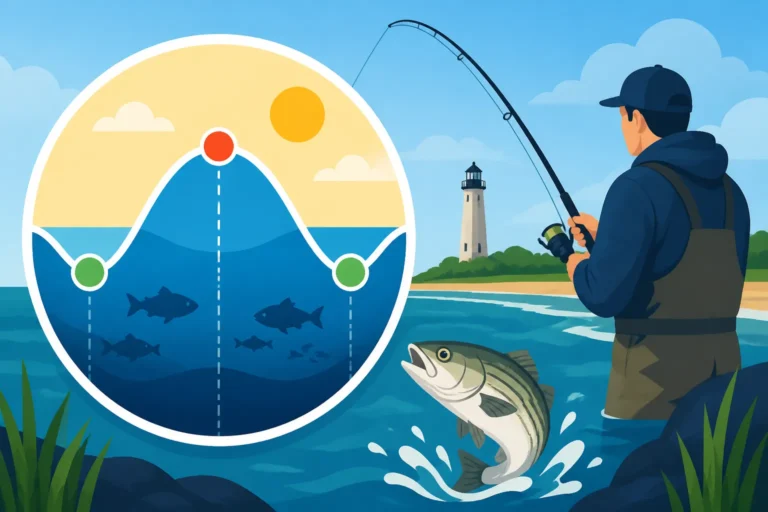
Tides are an angler's best friend when trying to understand fish behavior, and bluefish are no exception. Tidal movements and strong currents are huge contributors to why baitfish get pushed close to shore, making them easy targets. As tides flood into bays and inlets, or ebb out, they create current seams, eddies, and rips. Baitfish, often trying to conserve energy, will hold in these calmer areas or get swept along. Bluefish, being aggressive predators, use these natural flows to their advantage. They'll position themselves downcurrent from a school of bait, waiting for the current to push the unsuspecting fish directly into their path. A strong outgoing tide, for instance, can flush baitfish right out of an estuary and into the waiting mouths of blues concentrated at an inlet mouth or along a beach. Understanding how to read tide charts for better fishing in New Jersey can give you a significant advantage in predicting these feeding patterns.
Water Temperature and Seasonality
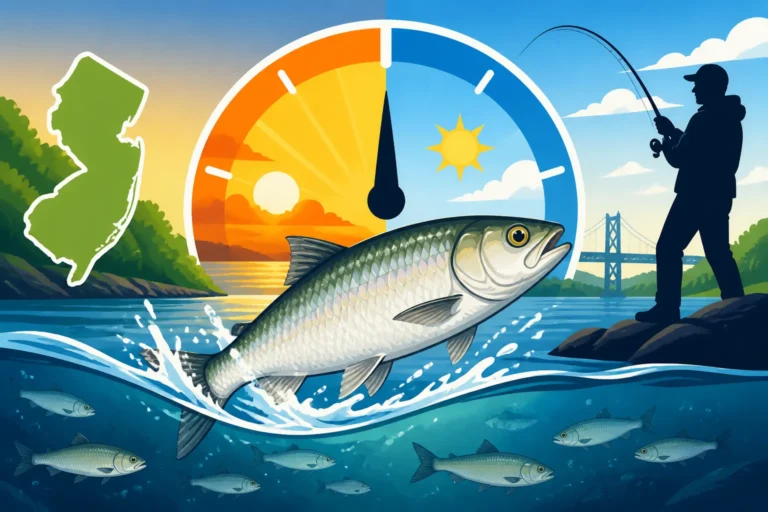
Bluefish are migratory creatures, and their presence in New Jersey's near-shore waters is highly dependent on water temperature. They generally prefer warmer waters, typically above 60 degrees Fahrenheit, which is why we see their peak activity during the late spring, summer, and fall. As the ocean waters warm up in spring, vast schools of bluefish move north along the coast, chasing the migrating baitfish. Similarly, in the fall, as water temperatures begin to drop, they move south. This seasonal migration is a huge driver for why bluefish blitzes happen near the shore during specific windows. The New Jersey bluefish season peak timing often coincides perfectly with these migrations and the abundance of baitfish. When cold fronts or upwellings bring slightly cooler, bait-rich water pockets closer to the beach during warmer months, it can also concentrate both predator and prey, leading to explosive action.
Structure and Geography of the New Jersey Coastline
Our diverse New Jersey coastline provides natural advantages for bluefish to ambush their prey. It's not just a flat, open ocean; we have inlets, jetties, sandbars, and shallow beaches, all of which act as natural barriers or funnels for baitfish.
Imagine a large school of bunker swimming parallel to the beach. If they encounter a jetty extending into the ocean, their path is blocked, and they're forced to either go around the jetty or turn back. This creates a bottleneck, concentrating the baitfish into a tighter area where bluefish can easily trap them. Inlets, like the Manasquan Inlet or Point Pleasant Canal, are particularly notorious hotspots, as they funnel immense amounts of water and baitfish in and out of the back bays. Similarly, troughs and sandbars just off the beach create deeper channels where baitfish seek refuge but can quickly become confined as bluefish push them into the shallows. The unique geography of the Jersey Shore makes it an ideal hunting ground, offering limited escape routes for bait. Many anglers enjoy New Jersey surf fishing techniques from these very structures during a blitz.
The Bluefish's Predatory Instincts and How They Hunt
To truly understand why bluefish blitzes happen, we need to look at the bluefish themselves – their biology, their behavior, and their insatiable hunger. These are not passive feeders; they are highly evolved, aggressive predators designed for destruction.
Coordinated Hunting Strategies
Bluefish are incredibly effective hunters because they operate as a team. While a single bluefish is formidable, a school of them working together is truly terrifying for baitfish. They don't just swim through a school; they actively herd their prey. They'll form a crescent shape, pushing the baitfish towards a natural barrier or the surface. This coordinated effort reduces the baitfish's escape options, creating a dense "bait ball" that is easy to pick off. This pack mentality allows them to be incredibly efficient, even if it means some collateral damage to the baitfish that are just injured and left to float away. It's an instinctive, almost primal, form of cooperative hunting that makes blitzes so effective and visually spectacular.
Speed, Agility, and Voracious Appetites
Bluefish are built for speed and aggression. Their streamlined, powerful bodies allow them to strike with incredible velocity, and their razor-sharp teeth are perfectly adapted for tearing through flesh. If you've ever unhooked a bluefish, you know why do bluefish have sharp teeth – they can easily cut through leader material and even a careless finger! Their appetites are legendary; they are often referred to as "choppers" or "gators" for good reason. They eat constantly and will often regurgitate their last meal just to make room for more. This voracious hunger, combined with their hunting prowess, means that when a large school of baitfish is present, they will exploit the opportunity with full force, leading to a blitz that continues until the baitfish are dispersed or consumed.
Why Near-Shore Offers an Advantage
From a bluefish's perspective, the near-shore environment is a perfect hunting ground. As mentioned, the physical structures like jetties, inlets, and even the shallow bottom contours can act as natural barriers, reducing the three-dimensional escape routes for baitfish. When baitfish are pushed against a solid wall of land or into shallow water, they have nowhere to go but into the waiting jaws of the bluefish. The concentrated schools of baitfish, often seeking warmer or more nutrient-rich waters near the coast, become easy targets. It's less effort for the bluefish to feed in these confined areas, maximizing their energy intake. It’s also often where the largest concentrations of baitfish can be found during migrations.
How Anglers Can Spot and Capitalize on a Bluefish Blitz
For anglers, a bluefish blitz is one of the most exciting and productive fishing opportunities. Knowing how to spot them and having the right gear can turn a quiet day into an unforgettable one.
Visual Cues: Birds, Boils, and Busts
The easiest way to spot a bluefish blitz, especially from a distance, is to look for the birds. Gulls, terns, and sometimes even pelicans will congregate and dive bomb into the water where bluefish are actively feeding. They're not just fishing; they're picking up the scraps and injured baitfish left behind by the blues. A massive flock of birds circling and diving is an almost guaranteed sign of a blitz. Beyond the birds, look for "boils" or "busts" on the surface – areas where the water is violently churning, almost as if it's boiling. You might see baitfish jumping out of the water en masse, fleeing from the predators below. Sometimes, you'll even see the backs and fins of the bluefish themselves as they thrash at the surface. Learning how to spot a bluefish blitz from the beach is a valuable skill for any shore angler.
Essential Gear for Blitz Fishing
When a bluefish blitz is happening, you need gear that can handle the aggressive strikes and the powerful fight of these fish. A medium to heavy action spinning rod paired with a durable spinning reel spooled with 20-30 lb braided line is a good starting point. You'll want a strong leader, at least 30-50 lb fluorocarbon or even a short wire leader, because of those sharp teeth. For lures, metal spoons, poppers, and subsurface swimming plugs in baitfish colors are incredibly effective. Brands like Cotton Cordell, Tsunami, and Gibbs make excellent bluefish lures. If you're stocking up, many anglers find great deals on a variety of suitable lures and heavy-duty tackle through retailers like Amazon. Don't forget a good pair of pliers or a dehooking tool to safely remove hooks, as getting a finger too close to a bluefish's mouth is a painful mistake. While bluefish aren't picky, knowing the best lure color for bluefish can sometimes make a difference in a competitive bite.
| Indicator | Description | What it means |
|---|---|---|
| Birds | Large flocks of gulls, terns, or pelicans actively diving and circling. | Bluefish are pushing bait to the surface, and birds are feasting on the scraps. |
| Boils | Patches of water violently churning, as if boiling, often with splashes. | Bluefish are actively attacking bait schools, creating surface disturbance. |
| Jumping Bait | Schools of small fish leaping out of the water in unison. | Baitfish are desperately trying to escape predators from below. |
| Oily Slicks | Visible sheen or oily film on the water's surface. | Bluefish are chopping up oily baitfish, releasing their oils into the water. |
| Fish Finning | Dark shapes of fish fins or backs breaking the water's surface. | Bluefish are actively feeding at or near the surface, sometimes in large numbers. |
Safety and Etiquette During a Blitz
Fishing a bluefish blitz can be exhilarating, but it's also important to be mindful of safety and other anglers. Blitzes often draw crowds, whether on the beach, a pier, or from boats. Always maintain a respectful distance from other anglers and cast in a manner that doesn't interfere with their lines. On a crowded beach, casting parallel to the shore is often a good strategy if permitted. Bluefish have incredibly sharp teeth, so handle them with extreme care. Use pliers to remove hooks, and if you plan to release them, do so quickly and gently. If you're on a boat, be aware of prop wash and avoid driving through schools of feeding fish, which can scatter them. Remember that while bluefish are fantastic fighters, they can be aggressive even after being landed. Always prioritize your safety.
Catching bluefish during a blitz is one of the most memorable experiences New Jersey fishing has to offer. With a little understanding of their behavior and the environmental factors at play, you'll be better equipped to find yourself in the middle of that thrilling, splashing action.
Disclaimer
The information provided in this guide is for general informational purposes only. Fishing regulations, season dates, and limits in New Jersey can change. Always consult the latest New Jersey Fish and Wildlife Digest or their official website before heading out to fish to ensure compliance with all current rules and regulations.