Best Time to Catch Shad on the Delaware River
For anglers in New Jersey, figuring out the absolute best time to catch American Shad on the Delaware River can feel like trying to hit a moving target. It’s not just a matter of showing up; the shad run is a dynamic event influenced by weather, water temperature, and river conditions, and missing that sweet spot can lead to frustratingly empty nets. This guide will walk you through understanding the nuances of the shad migration, helping you pinpoint the optimal windows for a successful and rewarding day on the water.
Understanding the Delaware River Shad Run
The annual American Shad run on the Delaware River is a truly spectacular natural phenomenon and a highlight for many anglers. These powerful, silvery fish migrate from the ocean upstream to spawn, bringing with them a burst of spring excitement. However, their timing isn't etched in stone, and a successful outing often hinges on understanding the factors that dictate their arrival and movement.
The Lifecycle and Migration of American Shad
American Shad are anadromous fish, meaning they spend most of their lives in saltwater but return to freshwater rivers to reproduce. For the Delaware River, this means a massive influx of fish moving north from the Atlantic Ocean. These fish are driven by an instinctual urge to spawn, and their journey is a race against time, making them eager to bite. The sheer volume of fish can be astounding when the run is in full swing, turning quiet stretches of river into a bustling fishery. It’s not just about catching them; it's about being part of this incredible migration.
Key Factors Influencing Shad Movement
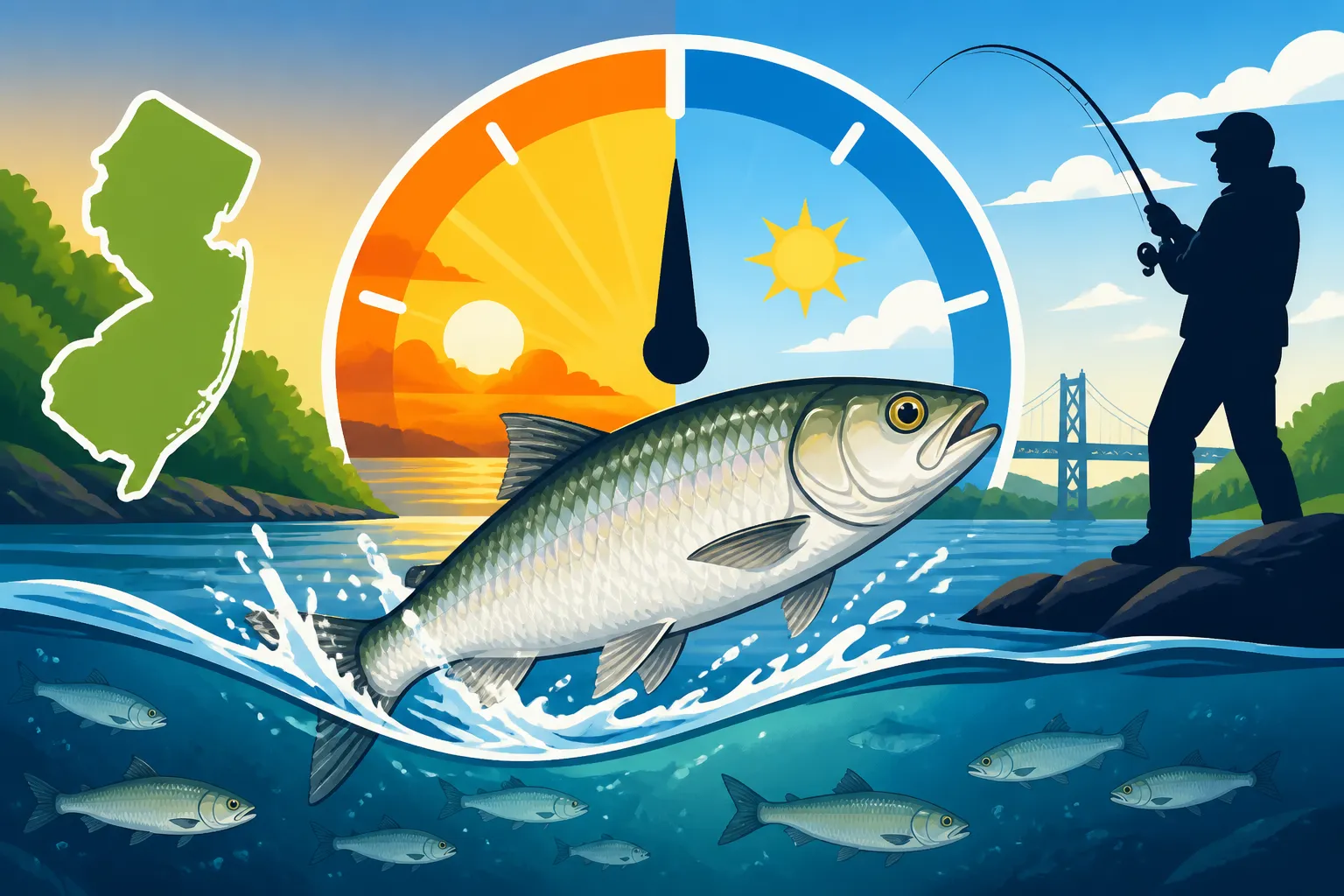
Several environmental cues trigger and guide the shad run. The most critical factor is water temperature. Generally, shad prefer water temperatures between 50 and 60 degrees Fahrenheit (10-15 degrees Celsius). When the river is too cold, the fish hold back in warmer, deeper pockets or delay their upstream journey. If it gets too warm too quickly, they might shoot through certain sections without lingering.
River flow is another major player. High, muddy water from heavy spring rains can make fishing tough, as the fish might hug the bottom or be harder to locate. Conversely, very low water can concentrate them, but also make them more wary. Clear, stable flows after a rain event are often ideal. Understanding how these factors interact is crucial to predicting their presence. You'll often see anglers glued to online river gauges and weather reports, trying to decipher the subtle signs that indicate when the run is truly on.
Prime Timing for American Shad
While the shad run spans several weeks, there are definitely peak periods within that window that offer the best chances for success. Thinking of the run in three distinct phases – early, mid, and late season – can help you strategize your trips.
Early Season: The First Arrivals
Typically, the first American Shad start showing up in the lower reaches of the Delaware River, around the Trenton area, in mid to late March. These early arrivals are often the larger "roe" shad (females laden with eggs) and "buck" shad (males). The water is usually cooler during this phase, and the fish tend to be more spread out.
Fishing during the early season requires patience and often a bit more searching. Anglers might focus on deeper holes or slower currents where the fish conserve energy in the colder water. While numbers might not be as high as the peak, catching one of these robust early-season shad is a real thrill. It’s a great time for those who enjoy the quiet solitude of the river before the crowds descend. You can find robust fishing gear suitable for these early season catches on online retailers like Amazon, ensuring you're ready when the first reports come in.
Peak Season: The Run in Full Swing
The peak of the American Shad run on the Delaware River usually occurs from mid-April through early May. This is when water temperatures hit that sweet spot, and the river is teeming with fish moving upstream. You'll find shad in abundance from Trenton all the way up to the Delaware Water Gap and beyond, with different sections peaking at slightly different times.
During the peak, shad can be found in a variety of water types: swift runs, eddies, and even shallower flats. This is the time when anglers often experience multiple hook-ups and can fill their coolers quickly (within legal limits, of course). The fishing pressure also tends to be at its highest, with popular access points buzzing with activity. If you're looking for consistent action and the best chance at high numbers, this is your window. Many experienced anglers will plan their vacation days around this specific timeframe. This is also when understanding Delaware River Shad Run Fishing becomes paramount for maximizing your catch.
Late Season: The Tail End of the Migration
By mid-May, and sometimes extending into early June, the shad run begins to wane. The water temperatures are typically warmer, and most of the actively spawning fish have already passed through. While there might still be some lingering fish, particularly "spent" shad that have already spawned and are heading back downstream, the numbers and activity drop significantly.
Fishing during the late season can be more challenging, as the fish are less concentrated and often less aggressive. However, it can still offer opportunities for anglers who enjoy a quieter experience and don't mind working a bit harder for their catch. Sometimes, a late cold front or a surge of cooler water can bring a renewed burst of activity, but these are exceptions rather than the norm. For those targeting other species, this period often overlaps with the beginning of the Delaware River Smallmouth Bass Fishing season, offering a different kind of freshwater challenge.
Daily Conditions and Tactics for Success
Beyond the seasonal timing, the daily conditions on the river can drastically impact your success. Being flexible and understanding how shad react to changing factors will put more fish in your net.
Best Time of Day and Tide
Unlike some saltwater species that are heavily tide-dependent, American Shad in the freshwater Delaware River are less influenced by lunar tides further upstream. However, in the lower tidal sections of the river, the last few hours of the incoming tide and the first few hours of the outgoing tide can concentrate fish as they push against or move with the current.
Further upstream, where the river flow is more dominant, the best time of day often correlates with light conditions and temperature stability. Early mornings and late afternoons are typically prime. The cooler water and lower light levels can make shad more active and willing to feed. Mid-day fishing can be productive if the weather is overcast or mild, but bright, sunny afternoons can sometimes slow the bite, especially in clearer water.
Water Temperature and Clarity
As mentioned earlier, water temperature is paramount. Aim for water that’s in that 50-60 degree Fahrenheit range. A sudden drop in temperature, say after a cold rain, can shut the bite down temporarily. Conversely, a gradual warm-up can really get the fish moving.
Water clarity is another key factor. Shad are sight feeders to a degree, and extremely muddy water makes it difficult for them to locate your lure. After a heavy rain, it’s often best to wait a day or two for the river to drop and clear slightly. A light stain in the water, however, can sometimes be a good thing, as it offers a bit of cover for the fish and makes them less wary. Many anglers keep a close eye on the How New Jersey Sets Its Fishing Regulations Each Year and various environmental reports to gauge these conditions.
Reading the River: Current and Structure
Shad are strong swimmers, but they prefer to move and hold in areas where they can conserve energy. Look for seams where faster currents meet slower water, behind large rocks or bridge pilings, or in eddies. These are prime ambush points or resting areas. They will also often follow the main channel of the river, but peel off into slightly slower areas to spawn or rest.
When fishing from shore, look for distinct current breaks or deeper pockets close to the bank. From a boat, use your fish finder to locate schools of fish in the water column, often suspended at various depths. Understanding New Jersey's Best Bank Fishing Spots for Beginners can give you a head start on finding these prime locations.
Gear and Tips for Maximizing Your Shad Catch
Having the right tackle and knowing a few tricks can significantly improve your shad fishing experience, turning a slow day into a memorable one.
Recommended Tackle for Shad Fishing
For American Shad, light to medium-light spinning gear is ideal. A 6 to 7-foot rod with a fast action provides enough backbone to fight these surprisingly strong fish, while still being sensitive enough to detect their often subtle bites. Pair this with a small to medium-sized spinning reel spooled with 6-8 pound test monofilament or fluorocarbon line. Some anglers prefer braided line for its sensitivity, but a mono or fluoro leader is usually recommended.
The main lures for shad are small, brightly colored darts and spoons. Shad darts come in various weights and colors, with chartreuse, pink, white, and yellow being popular choices. Small, silver or gold spoons, often tipped with a piece of colored tube or feather, are also highly effective. Many anglers swear by pairing a dart with a small spoon or another dart in tandem, sometimes called a "Christmas tree" rig, to increase visibility and attraction. You can easily stock up on a variety of shad darts and spoons from online retailers like Amazon before the season kicks off.
| Season Phase | Typical Dates (Approx.) | Water Temp (Fahrenheit) | Primary Fish Activity | Recommended Tactics |
|---|---|---|---|---|
| Early Season | Mid-March to Mid-April | 45-52 | First arrivals, larger fish, more spread out | Focus on deeper holes, slower currents, patient retrieves |
| Peak Season | Mid-April to Early May | 50-60 | Abundant fish, active spawning, widespread | Cover varied water types, active retrieve, try tandem rigs |
| Late Season | Mid-May to Early June | 58-65+ | Lingering fish, post-spawn, declining numbers | Target eddies, current breaks, experiment with colors |
Effective Techniques for Presenting Lures
The most common and effective technique for shad fishing is a steady retrieve with occasional twitches or pauses. Shad often strike as the lure sweeps through a current seam or drops slightly.
Drifting and Jigging: If you're fishing from a boat, drifting through known shad holding areas while jigging your lure can be very effective. Allow your dart or spoon to sink to the desired depth, then use a slow, steady retrieve with gentle lifts and drops of the rod tip.
Casting from Shore: From shore, cast upstream and across the current, allowing your lure to swing downstream as you retrieve. This natural presentation mimics baitfish struggling against the flow. Adjust your cast angle and retrieve speed until you find the "zone" where the fish are hitting. Sometimes a faster retrieve is key, other times a slower, more deliberate one.
Don't be afraid to experiment with different lure colors and weights until you find what the fish are responding to on a given day. Sometimes a subtle change in retrieve speed is all it takes to trigger a strike. It's also worth researching How to Jig for Striped Bass as some of the techniques can cross over, especially if you're targeting other species in the river.
Safety and Regulations on the Delaware River
Always prioritize safety when fishing the Delaware River. The current can be strong, especially during spring runoff, so wear a life vest if you're in a boat or wading. Be aware of changing weather conditions and water levels.
Before heading out, always consult the most current New Jersey Freshwater Fishing Regulations Every Angler Should Know or the Reading the New Jersey Fish and Wildlife Digest. Shad fishing is subject to specific bag and size limits, and these can change annually. You'll need a valid New Jersey fishing license to fish the New Jersey side of the river. For detailed information on licensing, refer to the New Jersey Fishing License Guide for 2026. Remember that Fishing License Reciprocity Between New Jersey and Neighboring States is important if you plan to fish from the Pennsylvania side or from a boat in the main channel.
Another crucial piece of advice: pack out everything you pack in. Leave no trace, and consider bringing an extra bag to pick up any litter you find. Protecting our natural resources ensures that the shad run remains a vibrant fishery for years to come. Don’t forget to bring essentials like polarized sunglasses, a hat, and appropriate rain gear – you can find excellent options for all these items on Amazon. A good pair of waterproof boots or waders will make your experience much more comfortable, too. And for carrying your catch or gear, a sturdy fishing backpack or cooler, many of which are available on Amazon, can be a real game-changer.
Ultimately, the best time to catch shad on the Delaware River is when you can be out there, observing the river, and adjusting your tactics. While the peak season offers the highest odds, early and late season fishing can provide unique challenges and rewards. By understanding the fish, the river, and the conditions, you'll be well on your way to a successful shad fishing adventure.
Disclaimer
This article is for general informational purposes only and does not constitute professional advice. Laws, prices and regulations vary by location and change over time. Consult a qualified professional for guidance on your specific situation.