Why Bloodworms Work So Well in Raritan Bay
Anyone who's spent a frustrating day staring at still water in Raritan Bay knows the struggle of finding bait that actually makes a difference. You try everything, hoping for that tell-tale tug, but sometimes it feels like the fish are just laughing at your efforts. The good news is, for anglers fishing the unique waters of Raritan Bay, there’s one bait that consistently cuts through the noise and delivers results: the humble bloodworm. This guide will dive deep into exactly why these wriggling wonders are such a powerhouse in the bay and how you can harness their effectiveness for a more successful fishing trip.
Understanding Raritan Bay's Unique Ecosystem
Raritan Bay isn't just any body of water; it's a dynamic estuary, a mixing pot of freshwater from rivers like the Raritan and saltwater from the Atlantic Ocean. This constant ebb and flow, combined with a diverse bottom structure, creates a distinct environment that certain fish species and their food sources absolutely thrive in. To truly appreciate why bloodworms are so effective here, we first need to understand the bay itself.
The Bay's Rich Bottom Composition
Imagine the bottom of Raritan Bay. It’s not uniformly sandy or rocky. Instead, you'll find a mosaic of muddy, silty, and sandy areas, often mixed with shell fragments and organic debris. This varied bottom composition is crucial because it’s a perfect habitat for a wide array of invertebrates, including various types of marine worms. These worms burrow into the soft substrate, feeding on detritus and microorganisms. Fish that live and feed in Raritan Bay are inherently tuned to forage in these conditions, routinely digging or sifting through the bottom sediment in search of a meal. A bloodworm, with its familiar appearance and behavior, perfectly mimics a natural prey item that fish are already accustomed to seeking out in their daily routine.
A Buffet of Natural Forage
Beyond just marine worms, Raritan Bay is an absolute smorgasbord of natural food sources for its resident and migratory fish populations. Think about it: crabs, shrimp, juvenile baitfish like spearing and silversides, and, of course, a variety of clams and other shellfish. Fish in the bay have evolved to recognize and consume these local delicacies. What makes bloodworms so special is how they fit into this existing diet. While they might not be the most prevalent large baitfish, their intense scent and lively action perfectly complement the overall profile of an enticing meal in the bay. When a bloodworm is presented, it’s not something foreign or unexpected; it's just another delicious item on the menu, signaling to a hungry fish that it's time to eat.
The Irresistible Allure of Bloodworms
So, what is it about these peculiar, sometimes intimidating, worms that makes them so irresistible to fish? It’s more than just their wiggling appearance. Bloodworms possess a multi-sensory appeal that truly sets them apart as a premier bait in places like Raritan Bay, triggering primal feeding instincts in predatory fish.
The Scent Trail That Drives Fish Wild
If you’ve ever handled a bloodworm, you know they have a distinct, almost earthy and slightly metallic scent. This isn't just a casual aroma; it's a powerful chemical signal that disperses through the water, creating an invisible trail directly to your hook. Unlike many other baits that rely more on visual appeal or a subtle scent, bloodworms broadcast their presence far and wide. This is incredibly effective in Raritan Bay, where currents can carry that scent for impressive distances, drawing in fish from surrounding areas that might not have even seen your bait yet. For bottom-dwelling species and cruising predators alike, that strong, natural odor is an undeniable invitation to investigate, often leading to a strike even in murky water or low light conditions where visual cues are limited.
Wriggling Motion and Visual Appeal
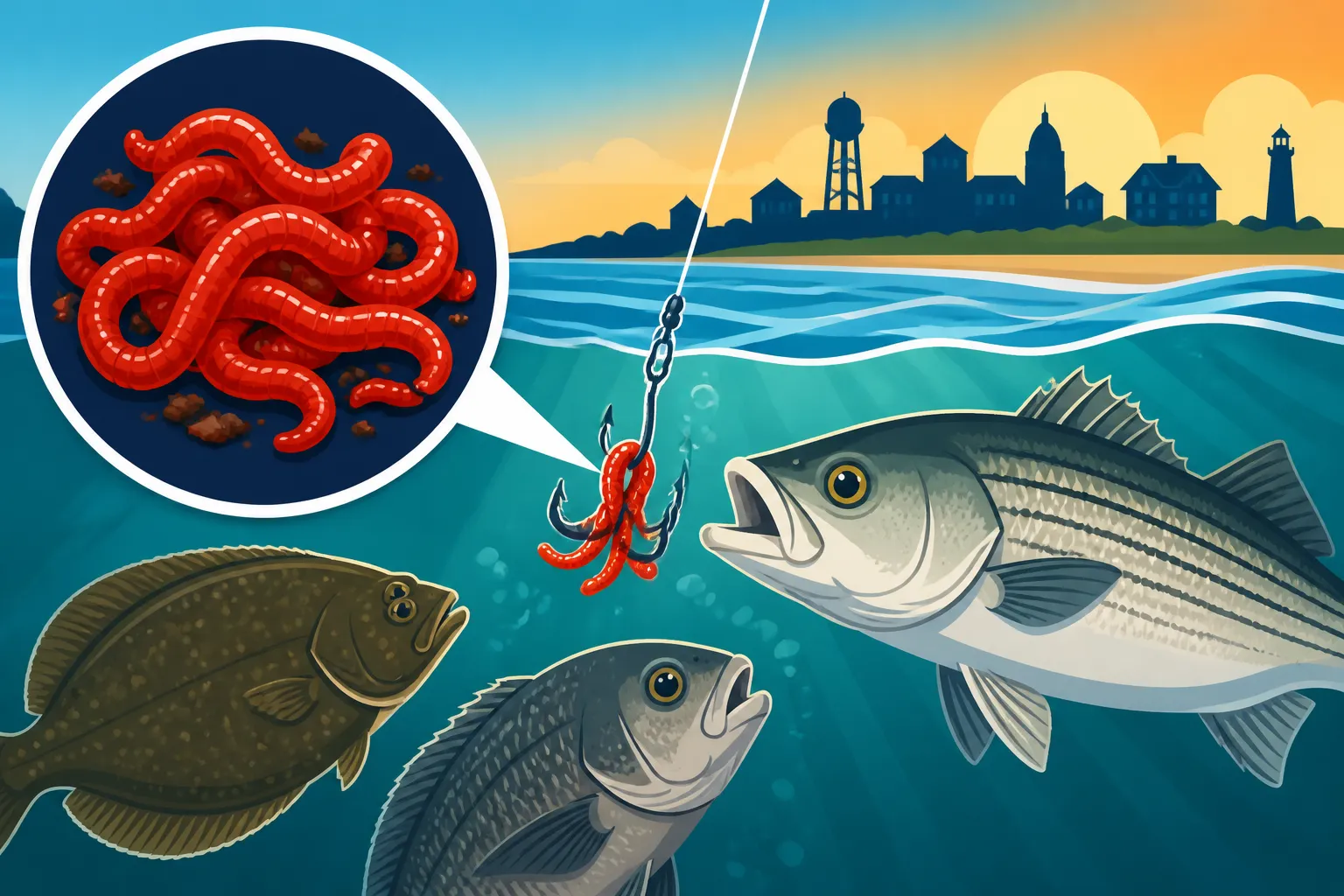
Beyond the potent scent, the live bloodworm’s wriggling, almost frantic motion is a huge draw. When threaded onto a hook, a bloodworm continues to squirm and stretch, mimicking a vulnerable prey item trying to escape. This natural movement is a powerful visual trigger for many fish species, signaling an easy meal. Furthermore, their reddish-brown color, which deepens to a vibrant red when they "bleed" their coelomic fluid (the "blood" they're famous for), is highly visible and stands out against the bay's bottom. This combination of an active, struggling profile and a high-contrast color makes them incredibly enticing, especially for sight feeders or those fish that get that final visual confirmation before committing to a strike. Many anglers find their live bait containers on Amazon, ensuring they have fresh, lively worms ready for action.
Nutritional Value and Energy Boost
It’s not just about scent and movement; fish are also driven by a need for nutrition. Bloodworms, despite their size, are packed with protein and other vital nutrients, making them a high-energy food source. Fish, especially those constantly expending energy migrating or hunting, instinctively recognize and seek out calorie-rich meals. When a fish in Raritan Bay encounters a bloodworm, it’s not just a tasty snack; it’s a substantial, easy-to-digest energy boost. This inherent nutritional value makes them a priority for hungry fish, further explaining their consistent effectiveness. They satisfy a fundamental need for sustenance, making them a prime target over less nutritious options.
Targeting Key Species with Bloodworms in Raritan Bay
The versatility of bloodworms is one of their greatest strengths. While they're a general magnet for many species, they truly shine when targeting some of Raritan Bay's most popular game fish. Knowing which species are particularly fond of bloodworms and how to present them effectively can significantly boost your success rate.
Striped Bass: The Bloodworm's Biggest Fan
Ask almost any New Jersey angler about bloodworms and Raritan Bay, and the first fish they'll mention is likely striped bass. Both the smaller "schoolie" stripers and the larger migratory fish have an undeniable weakness for bloodworms. During the spring run, when stripers are moving into the bay and its tributaries to feed after their long journey, bloodworms are often the top bait. The same goes for the fall run, when they're bulking up for winter. A simple high-low rig with a fresh bloodworm can be deadly, especially when fished near structure, channel edges, or sod banks. The scent plume draws them in, and the natural wriggle seals the deal. You can find more specific guidance on Best Bait for Raritan Bay Striped Bass.
Fluke and Winter Flounder: Bottom-Dwelling Delights
Fluke (or summer flounder, as they're also known) are ambush predators that lie flat on the bottom, camouflaged and waiting for prey to swim by. Given that bloodworms are natural bottom-dwellers, it's no surprise that fluke absolutely devour them. Drifting across the bay's flats or along channel edges with a bloodworm on a simple fluke rig is a highly effective method. The movement of the worm, combined with its scent, is an irresistible combination for these flatfish. Similarly, their colder-water cousins, winter flounder, are also huge fans of bloodworms. When the New Jersey Fluke Season Start Date arrives, make sure you have a good supply of bloodworms.
Other Species That Can't Resist
The appeal of bloodworms extends beyond just stripers and fluke. Raritan Bay is home to many other species that will readily take a bloodworm offering. Weakfish, with their delicate bite, often fall victim to a carefully presented bloodworm. Kingfish, found along sandy bottoms, are notorious for loving them. Even panfish like porgies and sometimes even blowfish will nip at smaller pieces. This makes bloodworms an excellent "universal" bait for a casual day of fishing, as you never quite know what might grab your line. The versatility is truly fantastic, making them a staple in any angler's tackle box for bay fishing. You might even surprise yourself with what you hook! Check out New Jersey Weakfish Bag Limit Explained for important regulations.
Practical Tips for Using Bloodworms Effectively in Raritan Bay
Having the right bait is only half the battle; knowing how to source, store, and present it properly is what truly maximizes your chances of success. Bloodworms require a little care, but the payoff in Raritan Bay fishing is absolutely worth the effort.
Sourcing and Storing Your Bloodworms
The fresher your bloodworms, the better they will perform. Ideally, purchase them from a reputable local tackle shop on the day you plan to fish, or the day before. They should be lively, firm, and have a healthy sheen. When you get them home, proper storage is paramount. Do not store them in tap water, which contains chlorine and will kill them. Instead, keep them in their original bedding (usually peat moss or seaweed) in a cool, dark place like a refrigerator, or a cooler with ice packs (but ensure the ice doesn't directly touch the worms or their bedding). Many anglers invest in specialized bait containers, often found on Amazon, that allow for better ventilation and moisture control, extending the life of their bait significantly. The goal is to keep them cool and slightly damp, but never waterlogged.
Rigging Techniques for Raritan Bay
For Raritan Bay, simplicity is often key. A classic high-low rig (also known as a top-and-bottom rig) is incredibly effective. This rig typically features two dropper loops for hooks and a sinker at the bottom, allowing you to present two baits at different depths off the bottom. A simple single hook bottom rig with a snelled hook and a sinker at the end is also very popular for targeting fluke. For hook sizes, think about your target species: a size 1 or 1/0 hook is often good for general bay fishing, while larger 2/0 or 3/0 hooks might be preferred for larger striped bass. Use a fluorocarbon leader for abrasion resistance and invisibility, typically between 20-30lb test. When in doubt, a local tackle shop can often provide pre-tied rigs perfect for the bay. For tying your own, understanding How to Tie a Fluke Rig is a great start.
Presenting Your Bait
Hooking a bloodworm properly can be a bit of an art. The goal is to thread the worm onto the hook so that it's secure but still has plenty of lively, wiggling action. Start by inserting the hook point into the head end of the worm, then gently push the worm up over the barb and onto the shank. You can either leave a long tail dangling for maximum movement or snip the worm into smaller pieces, especially if you're getting short bites or targeting smaller fish. For stripers and larger fluke, a whole bloodworm is often the ticket. When casting, avoid excessively forceful casts that might rip the worm off the hook. Once your bait is in the water, allow it to settle on the bottom. If drifting for fluke, let the boat's movement impart action. If fishing from shore or a anchored boat, an occasional slow retrieve or jig can sometimes trigger a strike by stirring up the scent trail.
| Feature | Bloodworm (for Raritan Bay) | Clam (e.g., Surf Clam, for Raritan Bay) |
|---|---|---|
| Scent Profile | Strong, unique, distinct | Milder, more general "ocean" scent |
| Action | Wriggling, lively | Static, soft, less movement |
| Durability | Can be fragile, easily stolen | Soft, easily picked off by bait stealers |
| Target Species | Striped Bass, Fluke, Weakfish, Kingfish | Striped Bass, Fluke, Drum, Perch |
| Cost | Generally higher | Generally lower |
| Availability | Tackle shops, some big box stores | Tackle shops, grocery stores, self-dug |
| Storage | Cool, damp, specific bedding | Refrigerated, in shell or drained |
| Overall Versatility | High for multiple species | Good for bottom feeders, general bait |
Disclaimer
This article is for general informational purposes only and does not constitute professional advice. Laws, prices and regulations vary by location and change over time. Consult a qualified professional for guidance on your specific situation.