New Jersey Smallmouth Bass on the Delaware River
One of the biggest joys of fishing in New Jersey is the sheer diversity of experiences available, but if you've ever found yourself staring at the vastness of the Delaware River, wondering where to even begin for smallmouth bass, you're not alone. It can feel like an overwhelming challenge, especially with its complex currents and varied terrain. This guide is here to demystify smallmouth bass fishing on the Delaware River, offering you the insights and strategies you need to find and successfully catch these feisty fighters.
The Delaware River: A Smallmouth Bass Paradise
The Delaware River, particularly its stretches that border New Jersey, is a truly special place for smallmouth bass. Unlike the calm, often murky waters of many lakes, the Delaware offers a dynamic, flowing environment that smallmouth absolutely thrive in. They're drawn to the river's abundant structure, its clear, oxygen-rich water, and the diverse forage base that keeps them well-fed and aggressive. For many anglers, the fight of a smallmouth bass in current is second to none, a truly exhilarating experience.
Why the Delaware is Ideal for Smallmouth
The Delaware River provides a unique blend of habitat features that cater perfectly to the smallmouth bass's preferences. We're talking about a river system that carves out incredible underwater landscapes: gravel bars, rocky ledges, submerged boulders, current breaks behind islands, and deep holes. These aren't just random spots; they are strategic ambush points where smallmouth lie in wait for unsuspecting baitfish, crayfish, and insects to drift by. The consistent flow of the river not only brings food but also keeps the water temperature stable and well-oxygenated, creating optimal conditions for these bronze-backed beauties. It's a living, breathing ecosystem that supports a healthy and vibrant smallmouth population, making it a prime destination for dedicated anglers.
Identifying Delaware River Smallmouth Bass
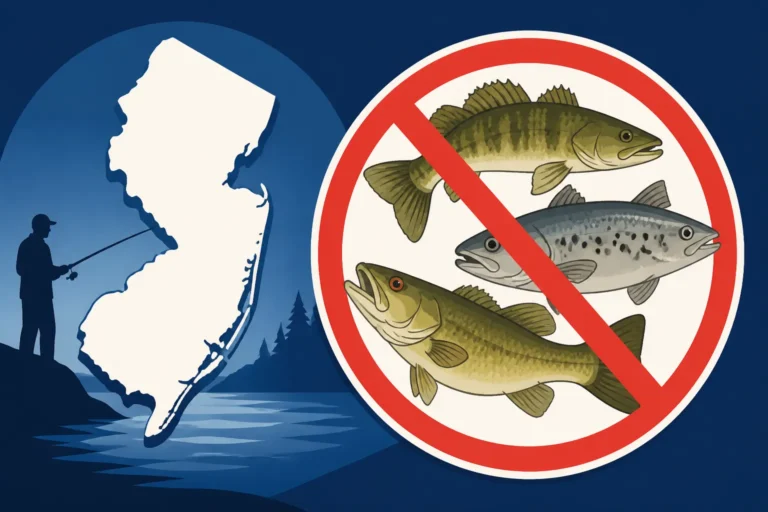
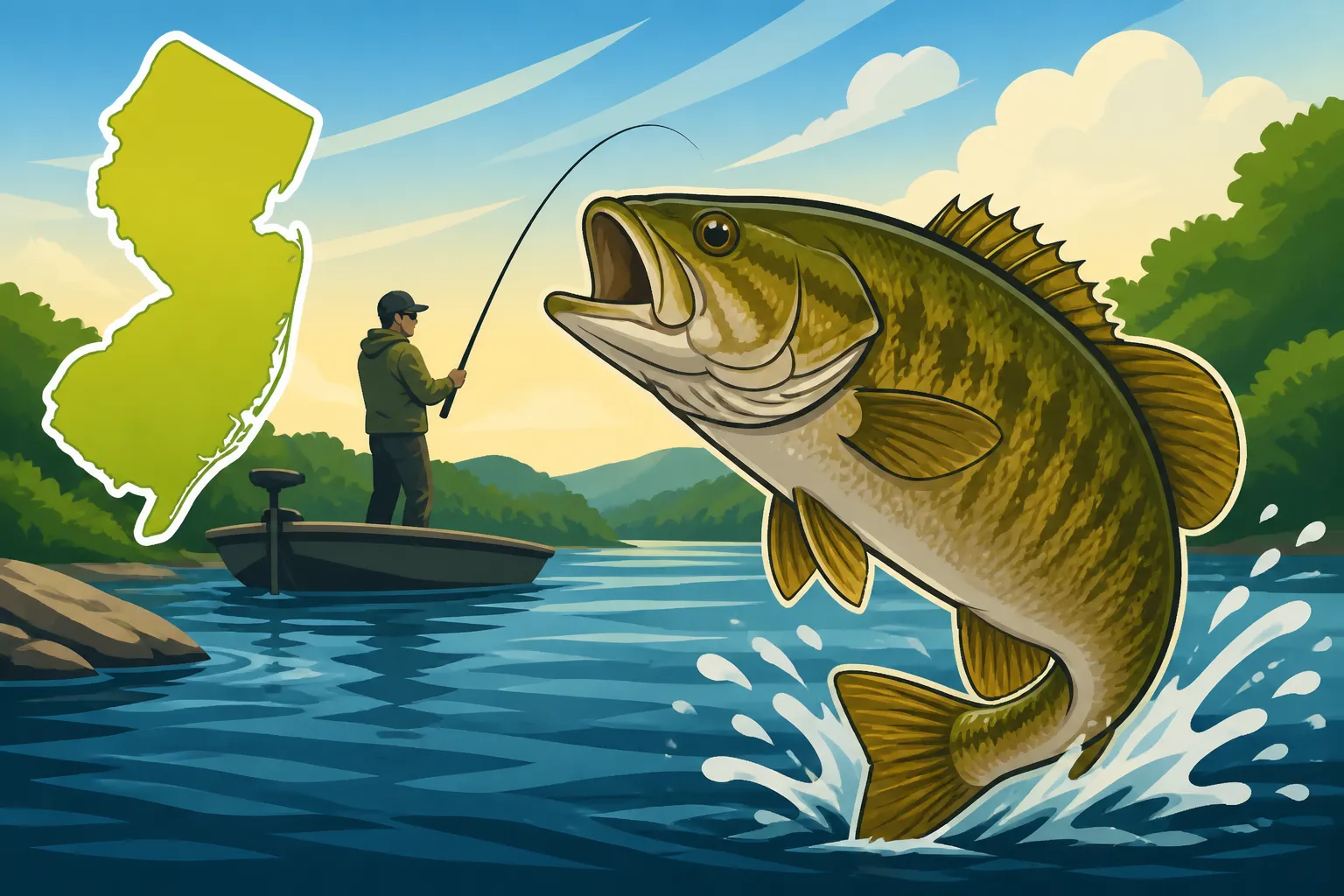
When you hook into a smallmouth on the Delaware, you'll immediately notice its distinctive features. They're typically bronze to olive-green on their backs, fading into a lighter, often yellowish-white belly. Their bodies are deep and compressed, giving them that powerful, football-like shape that translates into incredible fighting strength. Unlike their largemouth cousins, smallmouth have a mouth that doesn't extend past the eye. You'll also see vertical bars or blotches on their sides, though these can vary in prominence depending on the water clarity and the individual fish's mood. These characteristics, combined with their spirited fight, make them unmistakable once you've caught a few. How Do You Tell a Largemouth From a Smallmouth Bass? might be helpful if you're ever unsure about your catch.
Seasonal Strategies for Delaware River Smallmouth
Smallmouth bass fishing on the Delaware River is a year-round possibility for dedicated anglers, but your tactics will definitely need to shift with the seasons. Water temperature, river flow, and the availability of forage all play huge roles in how and where smallmouth behave. Understanding these seasonal shifts isn't just helpful; it's absolutely crucial for consistent success.
Spring Aggression and Spawning
Spring on the Delaware is a time of awakening, and as water temperatures begin to climb into the 50s and 60s, smallmouth bass become incredibly active. They move out of their deeper wintering holes and into shallower areas, driven by both hunger and the urge to spawn. This pre-spawn period is fantastic for catching aggressive fish. Look for them in slower-moving eddies, around structure like submerged logs or rock piles, and in shallow flats near deeper water. They'll be feeding heavily, bulking up for the energy-intensive spawning process. As the water warms further, typically when temperatures hit the mid-60s, they'll begin to spawn. During this time, they become very protective of their nests, making them susceptible to being caught. Many anglers choose to avoid targeting bedding fish to ensure a healthy population for the future, embracing the spirit of Catch and Release Rules in New Jersey.
Summer Prime Time
Summer on the Delaware River sees smallmouth bass settling into a more predictable pattern, especially as water temperatures consistently stay in the 70s. This is prime time for action! You'll often find them congregating around current breaks, beneath submerged boulders, along ledges, and in the faster-moving sections of the river where oxygen levels are highest. They are opportunistic feeders, ready to ambush anything that floats by. Early mornings and late evenings are often the most productive, as the cooler temperatures and lower light levels encourage them to feed more aggressively. Mid-day fishing can still be good, but you might need to target deeper, shadier pockets or faster currents to find active fish. Warm water fishing can be a challenge, so consider techniques that get your bait into those cooler, oxygen-rich zones. If you're wondering about the timing, check out Delaware River Smallmouth Bass Best Season for more details.
Fall Feeding Frenzy
As autumn arrives and water temperatures begin their slow descent, smallmouth bass enter a true feeding frenzy in preparation for winter. They'll aggressively chase down baitfish, putting on fat reserves to sustain them through the cold months. This means they can be found throughout the river, often moving into shallower flats during the day to feed and retreating to deeper pools at night. Look for schools of baitfish being pushed around by the current, as smallmouth won't be far behind. This is a fantastic time for throwing larger, more aggressive lures like crankbaits and spinnerbaits, as the fish are looking for substantial meals. The fall run is an exciting time, offering some of the biggest and most powerful smallmouth of the year.
| Season | Typical Water Temperature | Smallmouth Behavior | Best Locations | Recommended Lures/Bait |
|---|---|---|---|---|
| Spring | 50s – Mid 60s F | Pre-spawn feeding, spawning | Slower eddies, shallow flats, structure near deeper water | Jigs, soft plastics, suspending jerkbaits, live minnows |
| Summer | 70s F | Active feeding, seeking current breaks | Current seams, submerged boulders, ledges, faster riffles | Topwater lures, tubes, creature baits, small crankbaits |
| Fall | Low 70s – 50s F | Aggressive feeding, bulking up for winter | Flats, current breaks, confluence points, deeper pools | Spinnerbaits, larger crankbaits, swimbaits, jerkbaits |
| Winter | 30s – 40s F | Deep, lethargic, occasional feeding | Deep holes, slack water behind major structure | Slow-fished jigs, blade baits, small live bait |
Essential Gear for Delaware River Smallmouth
Equipping yourself correctly for smallmouth bass fishing on the Delaware River can make all the difference between a frustrating day and a fantastic one. The river's unique environment demands specific rod, reel, line, and lure choices that are different from what you might use in a calm lake. Investing in the right tools will not only improve your catch rate but also enhance your overall enjoyment of the experience.
Rod and Reel Combos
For the vast majority of Delaware River smallmouth fishing, a medium-light to medium power spinning rod, typically 6'6" to 7'6" in length, will be your best friend. This length offers a good balance of casting distance and accuracy, which is crucial when trying to hit specific pockets of current or structure. The moderate action allows for better shock absorption when a powerful smallmouth hits in current, preventing hooks from tearing out. Pair this with a 2000 or 2500 series spinning reel that has a smooth drag system. A reliable drag is non-negotiable when fighting a strong fish in fast water. Some anglers also prefer baitcasting setups for certain techniques, especially when throwing heavier lures or fishing in very heavy current, but spinning gear is generally more versatile for river smallmouth. You can find excellent quality rods and reels from brands like Penn, Shimano, or Daiwa on Amazon to suit various budgets.
Line Choices and Leader Setup
When it comes to line, a good all-around choice for Delaware River smallmouth is 8-10 pound test braided line as your main line. Braid offers incredible sensitivity, zero stretch for solid hooksets, and excellent casting distance. However, because braid is highly visible in the often clear waters of the Delaware, you'll want to tie on a fluorocarbon leader. A 6-8 pound test fluorocarbon leader, anywhere from 2 to 4 feet in length, provides invisibility and good abrasion resistance against rocky bottoms. Use a strong knot like the FG knot or Alberto knot to connect your braid to your fluorocarbon leader. Alternatively, some anglers prefer straight fluorocarbon or monofilament in the 8-10 pound range, especially if they are frequently fishing around heavy cover where re-tying leaders can be a hassle. Remember to check your line frequently for nicks and abrasions, as river fishing can be tough on your tackle.
Top Lures and Baits
Smallmouth bass are opportunistic predators, and a variety of lures and baits can be effective on the Delaware. Here’s a rundown of some consistent producers:
- Jigs: From hair jigs to football jigs tipped with soft plastic craws or tubes, jigs are incredibly versatile. They imitate crayfish and baitfish and are excellent for probing deeper holes and working around structure.
- Soft Plastics: Tubes, grubs, swimbaits, and creature baits rigged on jig heads or as Texas rigs can be deadly. Mimic crayfish or small baitfish. How to Drop Shot for Smallmouth Bass is a technique that uses soft plastics and is incredibly effective.
- Crankbaits: Both shallow-diving and medium-diving crankbaits are great for covering water and triggering strikes from aggressive fish. Choose natural colors like browns and greens, but don't shy away from brighter colors in stained water.
- Topwater Lures: Poppers, walk-the-dog baits, and prop baits can provide explosive strikes, especially during low-light conditions in summer. Nothing beats seeing a smallmouth smash a topwater!
- Spinnerbaits and Chatterbaits: These lures excel in stained water or when you need to cover a lot of ground quickly. The flash and vibration attract attention from a distance.
- Live Bait: While many prefer artificials, live minnows, shiners, or crayfish can be absolutely irresistible to smallmouth, particularly when the bite is tough. Always check New Jersey Freshwater Fishing Regulations Every Angler Should Know regarding the legality of using live bait and any possession limits.
Having a good selection of these in your tackle box, maybe even a compact tackle bag available on Amazon, will prepare you for varying conditions on the river.
Effective Techniques for Delaware River Smallmouth
Catching smallmouth bass on the Delaware River is as much about technique as it is about knowing where they live. The moving water presents a different challenge than stillwater, requiring anglers to adapt their presentations and approaches. Mastering a few key techniques will significantly boost your success rate.
Wading and Shore Fishing Strategies
Wading the Delaware River can be an incredibly immersive and productive way to fish for smallmouth. Always prioritize safety: wear sturdy wading boots, use a wading staff, and be aware of currents and slippery rocks. When wading, focus on working the edges of current seams, behind large boulders, and in the slower water of eddies. These are prime ambush points where smallmouth expend less energy waiting for food. Make accurate casts upstream and allow your lure or bait to drift naturally downstream, just faster than the current, mimicking an injured baitfish. Maintain contact with your lure so you can detect subtle bites. Shore fishing also offers opportunities, particularly where public access points allow you to cast into deeper runs or around bridge pilings. Look for spots where the bank drops off quickly or where there's visible current breaks.
Kayak and Boat Fishing Tactics
For those with a kayak or shallow-draft boat, the Delaware River opens up a whole new world of smallmouth possibilities. Being able to cover more water and access areas unreachable by foot is a huge advantage. When using a kayak, drift fishing is incredibly effective. Position your kayak slightly upstream of prime habitat and let the current carry you as you cast to promising spots. Use your paddle or a shallow anchor to control your drift speed. For boats, focus on running parallel to deeper channels, working the edges of flats, and systematically fishing around islands and bridge structures. Trolling shallow-diving crankbaits can be a great way to locate fish, especially when covering large stretches of water. Whether by kayak or boat, always be mindful of river traffic and current. For safety gear, including a PFD (personal flotation device), you can find many options on Amazon.
Lure Presentation in Current
Presenting lures effectively in current is the cornerstone of Delaware River smallmouth fishing. Unlike still water where a slow, steady retrieve often works, river smallmouth demand a different approach. The key is to make your lure look as natural as possible, like a struggling baitfish or a crayfish swept along by the flow.
- Upstream Casts and Controlled Drifts: Cast your lure upstream and slightly across the current. As it drifts downstream, reel in just enough slack to maintain contact, guiding the lure to specific targets like eddy lines or submerged rocks. This "swing" allows the lure to present itself naturally.
- Working Current Breaks: Smallmouth love current breaks because it allows them to conserve energy while waiting for food. Cast your lure so it lands just upstream of a current break and allow the current to carry it into the slack water, or work it directly along the seam where fast and slow water meet.
- Jigging and Bouncing: When using jigs or soft plastics, a subtle lift-and-drop or short hops along the bottom can imitate crayfish trying to escape. Let the current do some of the work, moving your lure slightly between each jig.
- Reading the Water: Pay close attention to subtle changes in the water's surface, like ripples, eddies, and seams, as these indicate underwater structure and current changes where fish will hold. Understanding How to Read Tide Charts for Better Fishing in New Jersey (though specifically for tidal areas, the principles of current breaks apply to rivers) can give you an edge.
Navigating the Delaware: Access and Safety
Fishing the Delaware River, especially for smallmouth bass, offers an incredible experience, but it's a dynamic environment that demands respect and preparation. Knowing where you can access the river and how to stay safe are just as important as knowing your fishing techniques.
Public Access Points and Boat Launches
The New Jersey side of the Delaware River offers numerous public access points, ranging from roadside pull-offs suitable for wading to developed boat launches. State parks and wildlife management areas often provide excellent river access. For example, areas near Frenchtown, Lambertville, and Washington Crossing State Park offer both shore access and launches for kayaks and smaller boats. Further south, nearer the confluence with other tributaries, access points become more diverse. Always look for designated parking areas and respect private property. The New Jersey Fish & Wildlife website is a valuable resource for maps and information on specific access points. While some sections might seem remote, you'll rarely be entirely alone, and it's always good to be aware of other anglers and recreational users. For heavier tackle bags or coolers, having a fishing cart that you can haul from your car to the river's edge, often found on Amazon, can save your back!
Essential Safety Considerations for River Angling
River fishing, particularly wading or navigating by boat, comes with inherent risks. The Delaware River is beautiful but powerful.
First and foremost, wear a PFD (Personal Flotation Device) if you're in a boat or kayak, and consider one even when wading in unfamiliar or fast-moving water.
Wading safety is paramount:
- Always wear sturdy, cleated wading boots to prevent slips on slick rocks.
- Use a wading staff to probe depths and maintain balance.
- Never wade alone, especially in strong currents or remote areas.
- Be aware of sudden drops, swift currents, and submerged hazards. A calm surface can hide a powerful undertow.
- Check river levels and forecasts before heading out; heavy rains upstream can quickly raise water levels and increase current strength.
Boating safety also has its unique considerations:
- Ensure your boat is properly equipped with all required safety gear, including spare paddles, first-aid kit, and emergency signaling devices.
- Be mindful of shallow areas, submerged rocks, and rapids. Familiarize yourself with river charts if available.
- Let someone know your float plan, including your put-in and take-out points and estimated return time.
- Always respect other river users, from other anglers to kayakers and swimmers.
Staying vigilant and prepared ensures a safe and enjoyable day on the water.
Conservation and Regulations for Delaware Smallmouth
As anglers, we have a responsibility to protect the resources we cherish. The smallmouth bass fishery on the Delaware River is a precious one, and adherence to regulations and responsible fishing practices ensures its health for future generations. Ignoring these guidelines not only impacts the fish but can also lead to hefty penalties. If you're new to fishing in the Garden State, getting acquainted with the rules is a must. A great starting point is New Jersey Fishing License Guide for 2026 to ensure you're properly licensed before you even wet a line.
Understanding New Jersey's Fishing Regulations
New Jersey's Division of Fish and Wildlife sets the regulations for freshwater fishing, including for smallmouth bass on the Delaware River. These regulations cover everything from license requirements and season dates to bag limits and minimum size restrictions. It's incredibly important to remember that the Delaware River is unique because it forms a border with Pennsylvania. This means that Fishing License Reciprocity Between New Jersey and Neighboring States can come into play. While specific regulations for striped bass, for instance, are meticulously outlined in New Jersey Striped Bass Slot Limit Explained, smallmouth bass will have their own rules. Always consult the most current New Jersey Fish and Wildlife Digest before you head out. These digests are updated annually and are the definitive source for legal limits and practices. Ignorance of the law is never an excuse, and game wardens do patrol the river.
Promoting Catch and Release
While New Jersey regulations may permit keeping a certain number of smallmouth bass, many dedicated Delaware River anglers practice catch and release, especially for larger, trophy-sized fish. Smallmouth bass grow slowly, and releasing them ensures that these prized fish can continue to spawn and contribute to the health of the population. When practicing catch and release, handling the fish properly is crucial. Minimize their time out of the water, use wet hands when handling them, and if possible, use a de-hooking tool to remove hooks quickly and cleanly. Avoid dragging fish onto rocks or rough surfaces. If a fish is deeply hooked, it's often best to cut the line as close to the hook as possible, as attempting to remove a deeply embedded hook can cause more harm. Watching a healthy smallmouth swim strongly away after a good fight is often more rewarding than taking it home.
Respecting the Ecosystem
Fishing is more than just catching fish; it's about connecting with nature and respecting the intricate balance of the ecosystem. When fishing the Delaware River, always strive to leave no trace. Pack out everything you pack in, including discarded fishing line, bait containers, and any other trash. Be mindful of bank erosion, especially when accessing the river in sensitive areas. Avoid disturbing wildlife, especially during nesting seasons. Understanding the full scope of your impact, from how you handle fish to how you dispose of waste, contributes to the long-term health of the river and ensures that future generations can enjoy the same incredible smallmouth bass fishing opportunities you do.
Disclaimer
This article is for general informational purposes only and does not constitute professional advice. Laws, prices and regulations vary by location and change over time. Consult a qualified professional for guidance on your specific situation.