New Jersey Winter Flounder Guide
For many New Jersey anglers, the winter flounder holds a special, almost nostalgic place in our hearts. These flatfish, with their delicate texture and subtle fight, were once a staple of spring fishing in our bays and estuaries. However, the truth is, winter flounder populations have faced significant challenges over the years, making them a more elusive and sometimes frustrating target today. This comprehensive guide is here to walk you through everything you need to know about pursuing these remarkable fish in New Jersey, from identification and habitat to the latest regulations and the gear that gives you the best chance of success.
Understanding New Jersey's Winter Flounder
Before you can hope to catch a winter flounder, it's really important to know what you're looking for, both in terms of the fish itself and where it likes to hang out. They're often mistaken for other flatfish, but once you know the key characteristics, they're quite distinct.
Identifying Winter Flounder
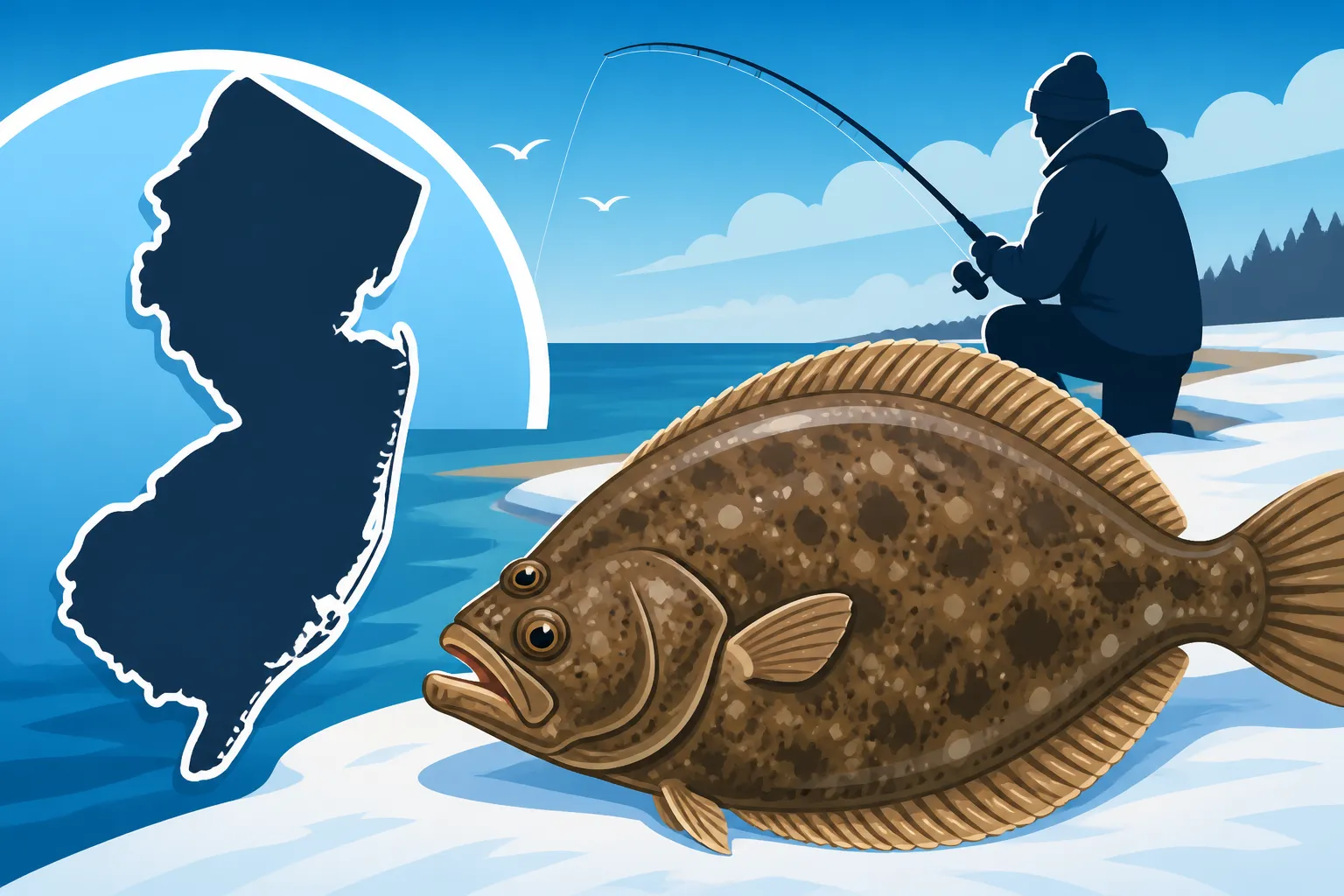
Winter flounder, also commonly known as blackbacks, are a fascinating species. Like all flounder, they are bottom dwellers, starting life with eyes on opposite sides of their head and then undergoing a remarkable metamorphosis where one eye migrates to the other side. For winter flounder, the unique identifier is that they are right-eyed, meaning if you lay the fish on its belly with its head pointing away from you, both eyes will be on the right side of its body. Their coloration is also distinct; the "eyed" side (the top) is typically a mottled olive green to dark brown, often with rusty red spots, providing excellent camouflage against the muddy or sandy bottom. The "blind" side (their underside) is usually white.
This might sound simple, but when you're out on the water, especially in a hurry, it's easy to confuse them with summer flounder, often called fluke. Fluke, on the other hand, are typically left-eyed and tend to have a lighter, more variable brown coloration with distinct spots or ocelli. The difference is crucial because regulations for these two species are often wildly different. Knowing which fish you've just caught can save you a lot of grief and ensure you're compliant with the law. Always take that extra second to check the eye orientation, especially as smaller fluke can sometimes look a lot like a blackback.
Winter Flounder Habitat and Behavior
The "winter" in their name isn't just for show; it's a direct clue to their preferred habits. Unlike summer flounder that head offshore to deeper, warmer waters in winter, winter flounder actually migrate into the shallower, protected bays, estuaries, and tidal rivers when water temperatures drop. They seek out these areas for spawning and feeding in the cooler months, generally from late fall through early spring. This makes them a prime target for early season anglers who are just itching to get a line wet after a long cold spell.
They are true bottom dwellers, preferring soft, muddy, or sandy bottoms where they can lie camouflaged, waiting to ambush small crustaceans, worms, and mollusks. Think of them as the vacuum cleaners of the bay floor. Their diet often includes marine worms, small clams, and even tiny crabs. This preference for bottom feeding heavily influences the best methods and baits for targeting them. They are not aggressive predators that chase down schools of baitfish like striped bass or bluefish. Instead, their approach is much more subtle, requiring a refined fishing technique from the angler. You'll often find them in channels, along mussel beds, and near dock pilings or bridge structures where food gathers and current is present but not overpowering.
The Evolving Landscape of Winter Flounder Fishing in New Jersey
It’s no secret that fishing for winter flounder isn't what it used to be. Many seasoned anglers will tell you tales of overflowing coolers from decades past, but the reality today is very different. Understanding why, and what's being done, is part of being a responsible and informed angler in New Jersey.
Current Regulations and Why They Matter
Navigating the regulations for winter flounder in New Jersey can feel a bit like reading a legal document, and for good reason. They are designed to protect a struggling population, and adhering to them is paramount for the species' recovery. You absolutely need to stay current on the specific size limits, bag limits, and seasons, as these can change. Generally, winter flounder seasons are fairly restricted, often opening in the spring for a limited time, and sometimes with a smaller fall season as well, and the daily bag limits are typically very low. The minimum size limit can also be surprisingly strict for a fish that doesn't grow to massive proportions.
Why are these rules so strict? It's largely due to scientific assessments indicating that the winter flounder population in the region has been in decline. Factors like habitat degradation in their estuarine spawning grounds, changing ocean temperatures, and historical overfishing have all played a role. These regulations aren't there to frustrate you; they are critical conservation measures. You can always check the New Jersey Daily Bag Limits by Species and the New Jersey Marine Fish Size Chart 2026 for the most current information. Always remember that conservation police officers do conduct New Jersey Conservation Police and License Checks, and ignorance of the law is never an excuse for non-compliance. These fish are a precious resource, and future generations of anglers depend on our responsible actions today.
Population Status and Conservation Efforts
The question many anglers ask is, "Why have the numbers dropped so much?" It's a complex issue. As mentioned, habitat loss from coastal development, pollution in estuaries, and climate change affecting water temperatures and food availability are all contributing factors. Winter flounder are particularly vulnerable because they rely heavily on specific inshore habitats for spawning. If these habitats are compromised, their ability to reproduce successfully is severely impacted.
Scientists and fishery managers are continuously monitoring the stock, implementing various strategies to help the population rebound. This includes strict regulations, but also efforts to restore degraded habitats, improve water quality, and conduct research to better understand the species' life cycle and vulnerabilities. When you hear about Why Have Winter Flounder Numbers Dropped in New Jersey?, it emphasizes the importance of everyone doing their part. This might mean practicing catch and release when appropriate, especially if you've already met your legal limit or caught undersized fish. Participating in surveys, like the New Jersey Recreational Fishing Survey: Why You Might Get a Call, also contributes valuable data to these conservation efforts. It's a long road, but with collective effort, we hope to see these beautiful flatfish thrive once again.
Prime Winter Flounder Fishing Spots and Seasons
Knowing the right gear and techniques is only half the battle; you also need to know where and when to deploy them. Winter flounder are creatures of habit, and understanding their movements is key to finding them.
Best Locations for Winter Flounder
When winter flounder move into their inshore spawning and feeding grounds, they're not just anywhere; they seek specific environments. You'll want to focus your efforts in shallow, muddy-bottomed bays, estuaries, and tidal rivers. Think about areas with a slow to moderate current, where food items like marine worms and small clams can be stirred up from the bottom.
Some classic New Jersey spots for winter flounder include areas of Barnegat Bay, such as the flats and channels near Island Beach State Park, and also up in the Raritan Bay and Sandy Hook Bay system. Further south, the backwaters around Cape May and Delaware Bay tributaries can also hold fish. Look for "guts" or deeper channels winding through shallower flats, especially those with soft, silty bottoms. Docks, bridge pilings, and mussel beds also act as natural structure and food sources, attracting these flatfish. Even some of the larger tidal rivers can hold winter flounder during their seasonal runs. If you're a shore angler, look for public access points along these bay and river systems, keeping in mind that the best fishing usually requires getting your bait into the deeper channels, which can sometimes be a challenge from land.
Timing Your Winter Flounder Trip
As their name suggests, winter flounder are most accessible during the cooler months. Their prime season in New Jersey typically kicks off in early spring, often around March or April, as water temperatures slowly begin to rise from their coldest points, but before it gets too warm. There can sometimes be a smaller, less productive run in late fall as well. The magic window often corresponds with water temperatures in the 40s to low 50s Fahrenheit. Once the water gets much warmer, say consistently into the mid-50s and beyond, they tend to move to deeper, cooler offshore waters.
Beyond the general season, timing your trip with the tides is absolutely critical. Winter flounder are opportunists that rely on currents to bring food to them or to stir up the bottom where they forage. A slow-moving tide, either incoming or outgoing, is often the most productive. The period just before and after slack tide can be particularly good, as the current lessens and flounder can settle into feeding lanes. How to Read Tide Charts for Better Fishing in New Jersey is an essential skill for any angler targeting bottom fish. Many experienced anglers will tell you that a sunny day following a few days of consistent cold weather can really get the flounder chewing, as the sun warms the shallow, dark mud flats, drawing the fish in.
Essential Gear and Techniques for Winter Flounder
Chasing winter flounder successfully requires a specific approach. This isn't about power fishing or fast retrieves; it's about finesse, sensitivity, and putting the right bait in the right place.
Rods, Reels, and Line for Flounder
When it comes to tackle, you want something light, sensitive, and capable of handling subtle bites. A medium-light to medium action spinning rod, typically 6 to 7 feet long, is ideal. Look for a rod with a sensitive tip that can detect those soft "thumps" or slight resistance that signify a flounder bite, but with enough backbone to lift a decent fish. Graphite rods are often preferred for their sensitivity. As for reels, a spinning reel in the 2500 to 3000 size range, spooled with 10 to 15-pound braided line, is a fantastic choice. Braid offers superior sensitivity and minimal stretch, which is invaluable for feeling those light flounder takes, especially when fishing in deeper channels or with a lot of line out.
You'll want to finish your setup with a fluorocarbon leader, usually 12 to 20-pound test, about 3 to 4 feet long. Fluorocarbon is nearly invisible in water and is more abrasion-resistant, which is helpful when fishing around shell beds or other bottom structures. You can find excellent quality braided lines, sensitive rods, and reliable reels on Amazon, often at competitive prices. Investing in good quality tackle makes a noticeable difference when targeting finicky fish like winter flounder.
Effective Rigs and Baits
For winter flounder, the classic high-low rig is king. This rig typically features two snelled hooks (usually size #4 to #1, depending on bait size) tied above a sinker, allowing your baits to sit just off the bottom or directly on it. The key is to keep your bait presented naturally and as close to the bottom as possible. You can buy pre-tied high-low rigs, or it's quite simple to tie your own using snelled hooks and a three-way swivel, or by tying dropper loops. Learning How to Tie a Fluke Rig can give you a good base for tying flounder rigs too, as the concepts are very similar.
When it comes to bait, fresh is always best. Marine worms like bloodworms or sandworms are undoubtedly the top choice for winter flounder. Their scent and natural movement are irresistible. Small pieces of fresh clam, especially the tender neck, are also incredibly effective. Some anglers have success with small pieces of squid or even synthetic baits designed to mimic worms or clams. Using a chum pot is another highly effective tactic. A mesh bag filled with crushed clam shells, ground clam, or even canned cat food (fish-flavored, of course!) lowered to the bottom near your baits will create a scent trail that draws flounder in from a wider area. This method can truly make a difference on slow days. Don't be afraid to experiment with your bait presentation – sometimes a smaller, more delicate offering is preferred. For a good selection of specialized clam rakes or chum pots, checking Amazon can often yield some great finds.
Mastering the Winter Flounder Retrieve
Unlike the aggressive jigging or rapid retrieves used for other species, winter flounder fishing is all about subtle movements and patience. Once your rig is on the bottom, the technique is generally a slow, gentle lift and drop, or a very gradual drift. The goal is to just barely lift your bait off the bottom, let it settle back down, and then retrieve a few inches of line. You want to make your bait look like a natural food item being uncovered by the current.
The bites can be incredibly subtle – sometimes just a slight tap, a feeling of extra weight, or your line simply going slack. It often feels more like you've snagged a piece of seaweed than hooked a fish. This is where your sensitive rod and braided line really shine. When you feel that subtle indication, resist the urge to set the hook hard immediately. Instead, slowly lift your rod tip or reel in a bit of slack until you feel solid weight, then set the hook with a gentle, sweeping motion. Too aggressive, and you might pull the bait right out of their mouth. Patience is a virtue, and often the best anglers are those who can sit and wait for that delicate nibble.
Common Challenges and Tips for Success
Winter flounder fishing can test your patience and your tolerance for cold. Being prepared for the elements and understanding how to handle your catch responsibly will enhance your experience.
Navigating Cold Weather and Bycatch
Fishing for winter flounder often means braving the elements. Early spring days can still be quite chilly, with biting winds, especially out on the water. Dressing in layers is absolutely crucial. Think thermal underwear, fleece, and a good waterproof and windproof outer shell. A warm hat, gloves, and waterproof boots are non-negotiable. There's nothing worse than having to pack up early because you're shivering uncontrollably. Consider checking out How to Layer Clothing for Late-Fall Surf Fishing for some excellent tips on staying warm. A thermos of hot coffee or soup can also be a real morale booster.
Another common "challenge" is bycatch. When targeting bottom-dwelling flounder, you're inevitably going to encounter other species that share the same habitat and diet. Sea robins are a frequent catch, often seen as a nuisance, but they can put up a surprisingly good fight. Skates and small dogfish are also common. While these aren't your target, it's important to handle them with care, especially if you intend to release them. Some of these species, like sea robins, are actually quite good to eat, though most anglers release them. Keep a disgorger or needle-nose pliers handy to safely remove hooks, minimizing harm to the fish.
Ethical Angling and Catch Preservation
Responsible angling is vital, particularly with species like winter flounder whose populations are precarious. Always respect the legal limits and seasons. If you’re unsure, measure every fish carefully before deciding to keep it. Many anglers carry a small, easily readable measuring device to ensure compliance. If a fish is undersized, handle it gently with wet hands, remove the hook quickly, and release it back into the water without delay. Avoid dropping it onto the boat deck or handling it by the eyes or gills. Every successfully released fish is a step towards a healthier future for the fishery. Remember, What New Jersey Fish Species Are Catch and Release Only? can offer a perspective on species that need extra care.
If you are lucky enough to catch a legal winter flounder and decide to keep it for the table, bleeding the fish immediately upon catching can significantly improve its taste and texture. Simply make a cut near the gills to sever the main artery and place the fish in an ice-filled cooler. This process removes blood from the flesh, resulting in cleaner, milder-tasting fillets. Keep your catch on ice to preserve its quality throughout your trip. Winter flounder offer a delicious, mild white meat, making the effort of pursuing them well worth it for many anglers.
Winter Flounder vs. Summer Flounder (Fluke)
It's common for new anglers, and even some experienced ones, to get these two flatfish confused, especially the smaller ones. But knowing the difference is crucial for legal compliance and understanding their distinct characteristics. Here's a quick comparison to help you tell them apart.
| Feature | Winter Flounder (Blackback) | Summer Flounder (Fluke) |
|---|---|---|
| Eye Orientation | Right-eyed (both eyes on the right side when fish is belly-down, head forward) | Left-eyed (both eyes on the left side when fish is belly-down, head forward) |
| Coloration | Mottled olive green to dark brown, often with rusty spots on eyed side; white blind side. | Variable brown, tan, or gray, with distinct spots or ocelli (eyespot patterns); white blind side. |
| Mouth Size | Small mouth, usually doesn't extend past the front of the eye. | Large mouth, extends well beyond the front of the eye, often with sharp teeth. |
| Typical Habitat | Primarily inshore bays, estuaries, tidal rivers, soft muddy/sandy bottoms. | Bays, ocean inlets, nearshore ocean, structure (wrecks, reefs, rocks), sandy bottoms. |
| Preferred Temp | Cooler water (40s-low 50s F). | Warmer water (mid-50s to 70s F). |
| Primary Diet | Worms, small clams, crustaceans. | Baitfish, squid, crustaceans. |
| Body Shape | Thicker, often a bit more oval or rounded in shape. | Thinner, more elongated, broader body. |
As you can see, while they're both flatfish that live on the bottom, they have some distinct differences. Knowing these will help you properly identify your catch and ensure you're following the correct regulations. For a deeper dive into fluke rules, you might want to check out New Jersey Fluke Size and Bag Limits Explained.
Final Thoughts on New Jersey Winter Flounder
Fishing for winter flounder in New Jersey today is certainly a different experience than it was for our parents and grandparents. It requires more patience, a keen understanding of their habits, and a strong commitment to conservation. While the populations may not be what they once were, the pursuit of these subtle, beautiful flatfish remains a rewarding challenge for many anglers.
There's a unique satisfaction in feeling that delicate tap, slowly reeling in a fish that has tested your skill, and then admiring its distinctive coloration. Whether you're fishing from a small boat in Barnegat Bay or trying your luck from a dock on a tidal river, remember to dress warmly, use the freshest bait, and always respect the regulations. By doing so, you're not just enjoying a day on the water; you're contributing to the ongoing effort to ensure that future generations of New Jersey anglers can also experience the quiet thrill of catching a winter flounder.
Disclaimer
This article is for general informational purposes only and does not constitute professional advice. Laws, prices and regulations vary by location and change over time. Consult a qualified professional for guidance on your specific situation.