What Fish Species Are Illegal to Possess in New Jersey?
Navigating the world of New Jersey fishing regulations can feel like trying to untangle a stubborn knot in your fishing line – frustrating, confusing, and with the potential for things to go wrong if you don't get it right. Many passionate anglers, myself included, worry about inadvertently breaking a rule, especially when it comes to what fish we're allowed to keep. It's not just about size or bag limits; sometimes, certain species are simply off-limits, no matter how tempting a catch they might seem. This guide is here to shed light on those specific fish species that are illegal to possess in New Jersey, helping you stay compliant and fish responsibly.
Understanding the "Illegal to Possess" Concept in New Jersey Fishing
When we talk about fish being "illegal to possess," it's not always a straightforward black-and-white situation. Sometimes it means a species is completely protected, and even accidentally catching it requires an immediate, careful release. Other times, it refers to invasive species that you must not release back into the water. And then there are the nuanced regulations around size, bag limits, and seasons that, if ignored, effectively make an otherwise legal fish "illegal" to keep. It's a spectrum, and understanding these distinctions is key to being a responsible angler in the Garden State.
Why Certain Fish Become Off-Limits
The reasons behind why a specific fish might be deemed illegal to possess are varied, but they all boil down to the health of our aquatic ecosystems and, sometimes, human safety. Conservation is often at the forefront. Many species face pressure from habitat loss, pollution, or historical overfishing, leading wildlife agencies to implement protective measures. Think of species that are listed as endangered or threatened; they are absolutely critical to the biodiversity of our waters, and their populations need every chance to recover. Keeping even one could have a disproportionate impact.
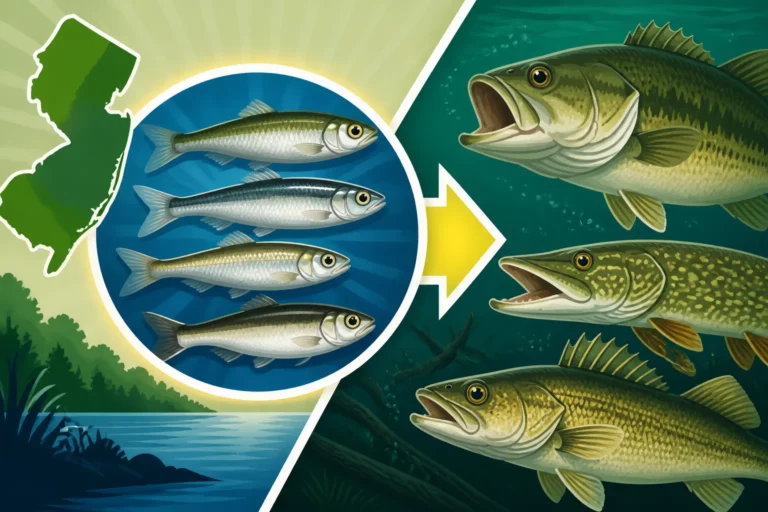
Another major factor is the control of invasive species. These are fish that aren't native to New Jersey waters and, if allowed to proliferate, can wreak havoc on local ecosystems. They might outcompete native fish for food, introduce diseases, or disrupt the natural balance in other ways. In these cases, the "illegal to possess" rule might come with the caveat of "do not release," emphasizing the need to remove them from the environment permanently. Lastly, sometimes fish can become unsafe for consumption due to environmental factors like pollution, leading to advisories or even outright bans on harvesting in certain areas for public health. It’s a complex tapestry woven from scientific data, ecological concerns, and public welfare.
The Role of Regulations and the Fish and Wildlife Digest
To avoid any missteps, knowing where to find the most current and official information is paramount. New Jersey's fishing regulations are dynamic, often changing seasonally or in response to biological assessments and scientific data. The primary source for all of this crucial information is the New Jersey Fish and Wildlife Digest. This comprehensive publication, updated annually, details everything from license requirements to specific species regulations, including those that are strictly protected or have special handling instructions.
Before every fishing trip, especially if you plan to target a new species or visit a new body of water, it's a good practice to consult the latest Digest. It's available online through the New Jersey Department of Environmental Protection (NJDEP) website, and many tackle shops and license vendors also carry printed copies. This resource outlines not just what's legal but also the reasoning behind some of the rules, giving you a better understanding of your role in conservation. Think of it as your ultimate fishing bible for New Jersey. Seriously, it's invaluable. For more on navigating this essential document, check out Reading the New Jersey Fish and Wildlife Digest.
Species That Are Strictly Illegal to Possess or Harvest
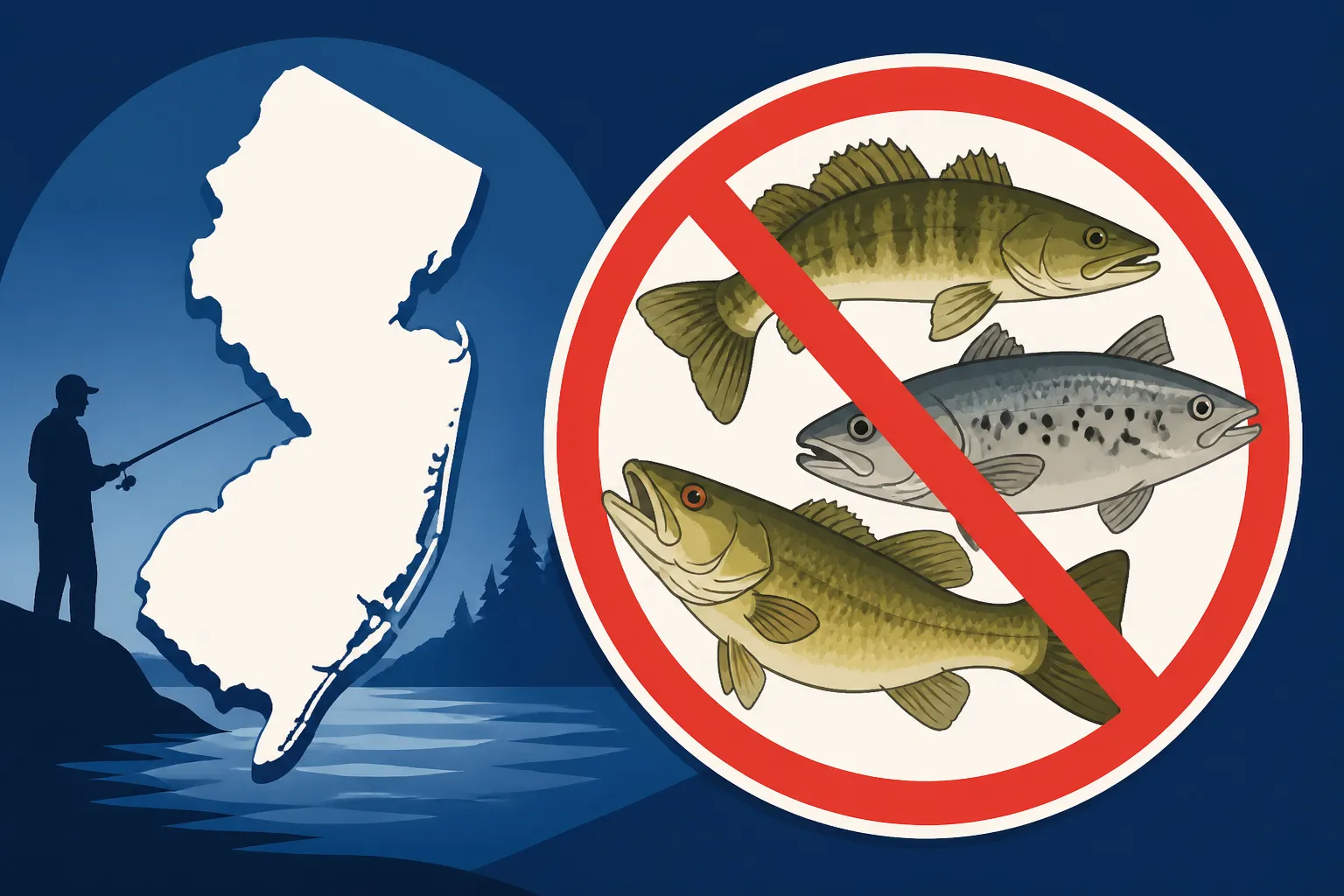
When we talk about truly "illegal to possess" fish, we're generally referring to species that are either highly protected due to their conservation status or are designated as invasive and harmful. These are the fish where there's no wiggle room for interpretation based on size or season – they are simply not allowed to be kept under any circumstances.
Federally and State-Protected Species
In New Jersey, as in many states, there are species that receive protection at both the state and federal levels due to their endangered or threatened status. Catching one of these fish, even by accident, requires immediate and careful release back into the water. The goal here is to minimize any harm to the individual fish and to give the species the best possible chance for survival and recovery.
A prime example often cited is the Atlantic Sturgeon or Shortnose Sturgeon. These ancient fish are highly protected, and their populations have suffered significantly over the years. If you happen to hook one, it's essential to handle it with extreme care, keep it in the water as much as possible, and release it quickly without causing undue stress. The idea is to avoid bringing it into your boat or onto shore if at all possible. This isn't just a suggestion; it's a critical component of conservation efforts. There are no size limits or seasons for these fish because any possession is prohibited. It's a reminder that sometimes, the biggest thrill is knowing you've helped a vulnerable species continue its journey.
Invasive Species: Catch and Do Not Release
On the complete opposite end of the spectrum from protected species are invasive fish. These are species that are non-native to New Jersey and pose a significant threat to our local aquatic ecosystems. They might outcompete native fish for food and habitat, introduce diseases, or simply disrupt the delicate balance that has evolved over millennia. For these species, the directive is often "catch and do not release." This means that if you hook one, you are actually required to remove it from the water and not return it to the habitat.
Perhaps the most well-known invasive species that fits this description in New Jersey is the Northern Snakehead. These predatory fish, native to Asia, are incredibly resilient and can survive for periods out of water, even "walking" short distances across land to new water bodies. Their presence can severely impact native fish populations. If you catch a snakehead, it is illegal to possess a live one for transport, and it is illegal to release it back into the water. The correct protocol is to humanely dispatch the fish and report the catch to the NJDEP Fish and Wildlife. This might sound harsh, but it's a crucial step in preventing these aggressive invaders from establishing stronger footholds in our waters. To learn more about where these fish might be lurking, read Are Snakehead Fish in New Jersey Waters?. If you ever find yourself with one on the end of your line, it's vital to know What Should You Do If You Catch a Snakehead in New Jersey?. This category also includes other non-native species that biologists are carefully monitoring. For a broader overview of the threats, check out Invasive Fish Species Found in New Jersey Waters.
Moratoriums and Severely Restricted Species
Beyond the strictly protected or invasive categories, there are sometimes species that fall under a full moratorium or have such severely restricted seasons or limits that possession becomes practically impossible for the average angler. A moratorium means a complete ban on harvesting or possessing a particular species for a specified period, usually due to critically low population numbers that require a complete halt to fishing pressure. These decisions are made by wildlife agencies after extensive scientific study, designed to allow populations to rebound.
While New Jersey strives to offer diverse fishing opportunities, there can be times when a species might fall into this category. The specific list can change based on annual stock assessments and management plans. It's not uncommon for certain marine species, particularly those with complex life cycles or migratory patterns, to experience periods of severe restriction or outright closure. The key takeaway here is that even if a fish used to be legal to keep, always double-check the current regulations before you head out. Don't rely on outdated information from a few seasons ago.
The Nuances of Size, Bag, and Season Limits: When "Legal" Becomes "Illegal"
Now, let's talk about the most common way anglers inadvertently find themselves in violation: by possessing fish that would normally be legal, but are outside of the established size, bag, or season limits. This isn't about endangered species or invasive threats, but rather about managing sustainable harvests for popular game fish. Ignoring these rules effectively makes your catch "illegal to possess," and it carries penalties just like any other violation.
Understanding the "Illegal" Aspect of Over-Limits
Imagine you're out on the bay, having a fantastic day fluke fishing. You're reeling in fish after fish, and you've got a cooler full. But then you get back to the dock and realize a few of your prized catches are just shy of the minimum length, or perhaps you've kept one too many beyond the daily creel limit. In that moment, those fish, despite being common and otherwise legal, become illegal to possess. This is a crucial distinction: the fish itself isn't inherently illegal, but your act of keeping it under those circumstances is.
New Jersey's How Bag and Size Limits Work in New Jersey are designed to protect younger fish, allowing them to mature and reproduce before being harvested, and to prevent overfishing of the breeding stock. Similarly, New Jersey Fishing Season Dates and Closures ensure that fish can spawn without disturbance and that fishing pressure is reduced during vulnerable periods. Failing to adhere to these specifics means you're breaking the law, plain and simple. It's often where conservation police officers find violations, not from anglers purposefully targeting protected species, but from those who are simply uninformed or careless about the rules for common game fish.
Common Missteps and How to Avoid Them
It's easy to make mistakes, especially when you're caught up in the excitement of a bite or the camaraderie of a fishing trip. However, ignorance of the law is never an excuse. Here are some common missteps that can lead to possessing fish illegally and how to prevent them:
- Lack of Current Knowledge: Regulations change. What was true last year, or even last month, might not be true today. This is especially prevalent with highly managed species like striped bass or fluke, where rules can be adjusted mid-season based on stock assessments. Always check the most recent New Jersey Fish and Wildlife Digest before you go.
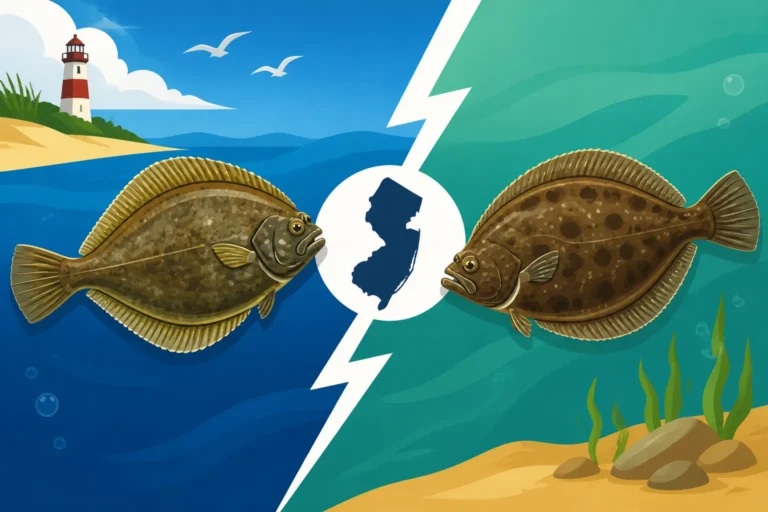
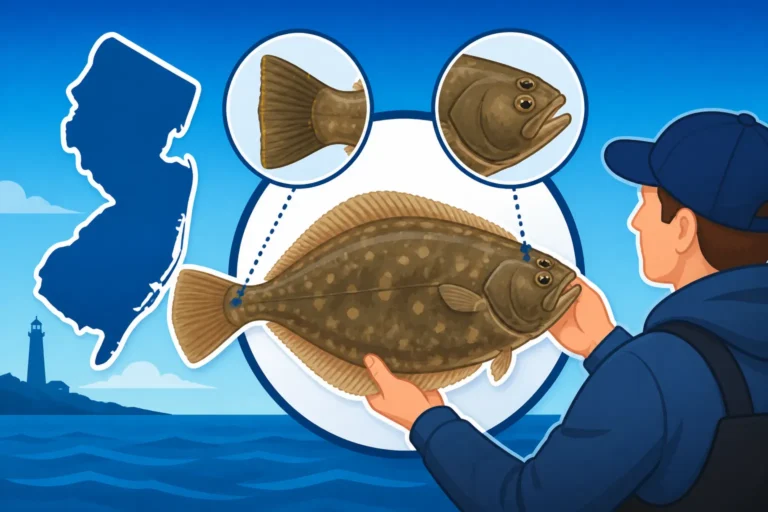
- Species Misidentification: Sometimes, fish look very similar, and a novice angler might mistake a protected species for a common one, or misidentify a fish with a strict limit. For instance, knowing the difference between a summer flounder (fluke) and a winter flounder is important as they often have different regulations. Keep a reliable fish identification guide handy, perhaps one you picked up from a local tackle shop or even one available on Amazon. Take clear photos if you're unsure, and always err on the side of caution.
- Inaccurate Measuring: You think your fluke is 18 inches, but your ruler is old, bent, or you're measuring incorrectly. Always use a rigid, accurate measuring device. Many anglers carry a dedicated fish ruler, often with markings for common species, which you can easily find on Amazon. Lay the fish flat, pinch the tail, and measure precisely. If it's borderline, it's safer to release it.
- Overlooking Daily or Vessel Limits: Some regulations apply per person, while others apply per boat. If you're fishing with friends, make sure everyone understands the combined limits. It's easy to get excited and keep one too many, especially if you're not actively counting.
To make it easier to keep track, here's a general idea of the categories where legal possession can quickly become illegal if you're not careful. Please note, these are examples of categories and not current limits, as those can change. Always consult the official Digest for precise, up-to-date information.
| Category of "Illegality" | Description | Example Scenario | Best Practice |
|---|---|---|---|
| Strictly Illegal | Species are federally or state-protected (endangered/threatened). ZERO possession allowed. | Accidentally catching a Shortnose Sturgeon. | Immediate, careful release without removing from water. |
| Illegal to Release | Invasive species. Must be removed from ecosystem. | Catching a Northern Snakehead. | Humanely dispatch, do NOT release, report to NJDEP. |
| Illegal Due to Size | Fish is shorter or longer than the legal minimum/maximum size limit. | Keeping a 16-inch fluke when the minimum is 18 inches. | Measure accurately, release undersized/oversized fish immediately. |
| Illegal Due to Bag Limit | Possessing more fish of a certain species than the daily or vessel limit allows. | Keeping 6 striped bass when the limit is 1 per person. | Count your catch, know your daily limits. |
| Illegal Due to Season | Catching and keeping a species outside of its designated open season. | Keeping a black sea bass when its season is closed. | Know the New Jersey Fishing Season Dates and Closures for all target species. |
| Illegal Without Proper Gear | Certain species require specific gear (e.g., circle hooks for bait fishing striped bass in some areas). | Bait fishing for striped bass without a circle hook where required. | Ensure your tackle complies with specific gear regulations. |
Consequences and Best Practices for Responsible Angling
The goal of any regulation is to foster responsible behavior and ensure the health of our natural resources. While it can feel overwhelming to keep track of everything, the consequences of not doing so can be significant, both for your wallet and for the fish populations we all cherish.
Penalties for Violating Fishing Regulations
Let's be realistic: getting caught with an illegal fish isn't a minor slap on the wrist. New Jersey takes its conservation laws seriously, and for good reason. Violations can range from fines that can quickly add up, to the confiscation of your fishing gear, and even the suspension or revocation of your fishing license. Repeat offenses, or those involving highly protected species, can lead to much more severe penalties.
Consider the time and money you invest in your passion: your rods, reels, tackle, boat, and the license itself. All of that can be jeopardized if you're found to be in violation. Enforcement is carried out by the New Jersey Conservation Police Officers, who are highly trained and dedicated to protecting our wildlife. They conduct routine checks on the water, at boat ramps, and even on shore. It's not about ruining your day; it's about upholding the rules that safeguard our fishing future. For a broader understanding of the repercussions, you can look at Penalties for Fishing Without a License in New Jersey, as many of these principles apply to illegal possession as well.
Proactive Steps for Responsible Anglers
Being a responsible angler is about more than just following the rules; it's about embracing a mindset of conservation and respect for the environment. Here are some proactive steps you can take:
- Always Check Current Regulations: Make this a ritual before every fishing trip. The official NJDEP Fish and Wildlife website is your best friend. Bookmark it on your phone!
- Invest in Good Identification Guides: Learn the common species in the waters you fish. Carry a waterproof fish ID card or a laminated chart. There are excellent, compact guides available on Amazon that can be a lifesaver when you're on the water and unsure.
- Measure Everything: Carry a reliable measuring device that's easy to use and clearly marked. If a fish is close to the minimum size, measure it multiple times to be absolutely sure. A good, rigid measuring board or tape is a small investment that can save you a big headache.
- Practice Catch-and-Release: For any fish you don't intend to keep, or those that don't meet legal requirements, practice proper catch-and-release techniques to maximize their survival. This means minimizing handling, keeping the fish in the water as much as possible, and using appropriate tools like dehookers or good quality fish grippers (you can find plenty of options on Amazon) to remove hooks quickly and gently. This is especially important for species like striped bass, where careful handling of released fish is emphasized. You can learn more about proper techniques at New Jersey Catch and Release Striped Bass Handling Rules.
- Know Your License Requirements: While this guide focuses on illegal fish species, ensure your own paperwork is in order. You need a valid New Jersey freshwater fishing license for freshwater angling, and often a saltwater registry for marine fishing. The Conservation Police will check for both. For more details on enforcement, see New Jersey Conservation Police and License Checks.
Reporting Violations and Conservation
Part of being a responsible angler also involves being a steward of the resource. If you witness someone openly violating fishing regulations, such as keeping clearly undersized fish, exceeding bag limits, or possessing a protected species, it's important to report it. These actions harm the overall health of our fisheries and undermine the efforts of countless other responsible anglers and conservation agencies.
The New Jersey Conservation Police are your primary contact for reporting violations. You can usually find their contact information on the NJDEP Fish and Wildlife website or in the annual Digest. Providing as much detail as possible—such as location, time, boat description, and the nature of the violation—can greatly assist their efforts. It can feel awkward, but protecting our shared natural resources is a collective responsibility. If you need to report something, this guide on How to Report a Fishing Violation in New Jersey can walk you through the process. By working together, we can ensure that New Jersey's waters remain vibrant and productive for generations of anglers to come.
Disclaimer
This article is for general informational purposes only and does not constitute professional advice. Laws, prices and regulations vary by location and change over time. Consult a qualified professional for guidance on your specific situation.