New Jersey Shad Runs on the Delaware River
There's nothing quite like the collective anticipation that grips anglers across New Jersey each spring as the waters of the mighty Delaware River begin to warm. For many, it's not just a sign of warmer weather to come, but a herald of one of the most exciting and historic fishing events of the year: the annual American shad run. This guide is here to walk you through everything you need to know to experience the thrilling New Jersey shad run on the Delaware, from understanding their incredible journey to mastering the techniques that will put these feisty fish on your line.
Understanding the Delaware River Shad Run Phenomenon
The annual migration of American shad up the Delaware River isn't just a fishing opportunity; it's a profound natural spectacle. These powerful, silvery fish embark on an epic journey from the ocean, returning to the freshwater rivers where they were born to spawn. For centuries, this event has been a cornerstone of both the ecosystem and the culture of the river communities.
What are American Shad and Their Migratory Journey?
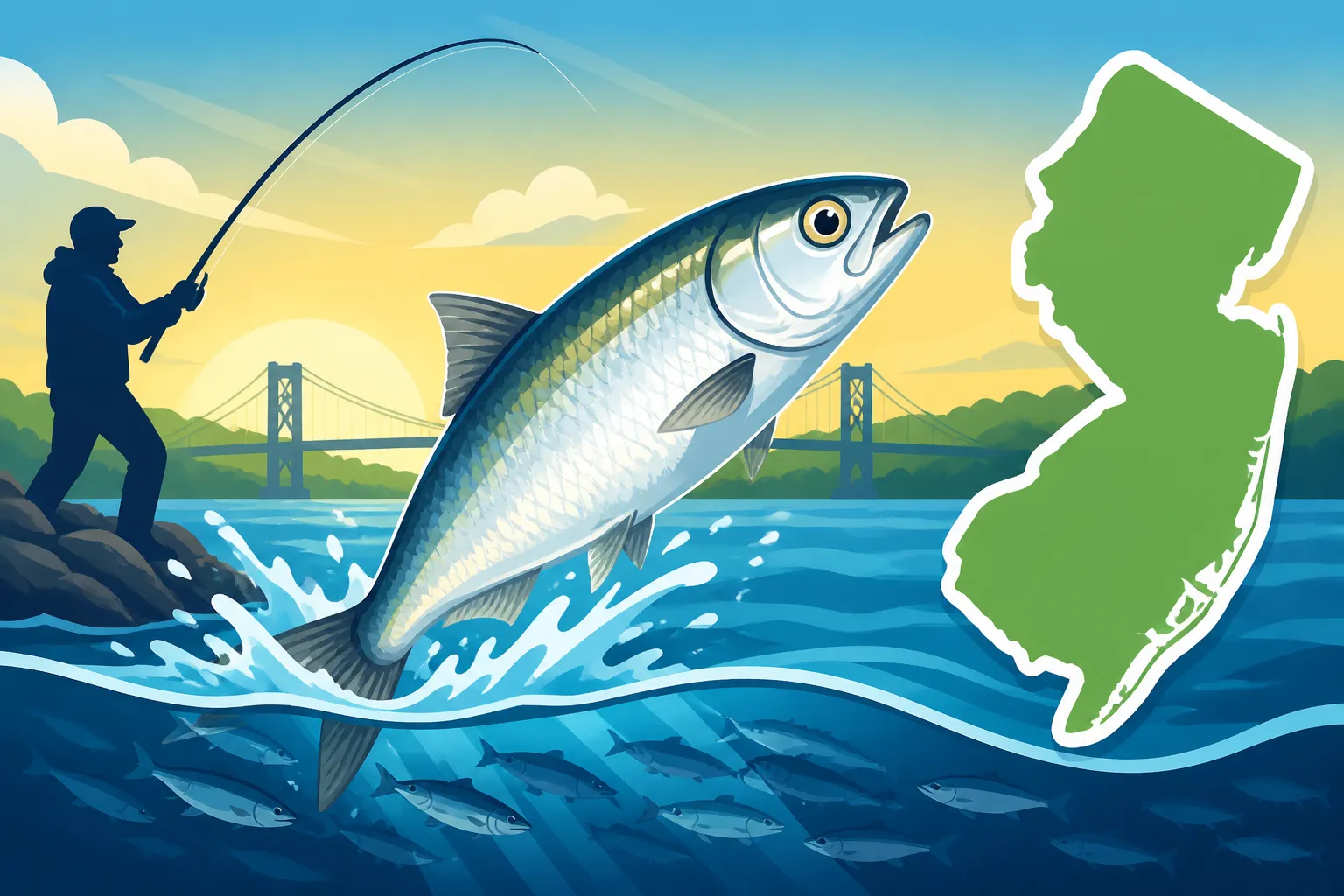
American shad (Alosa sapidissima) are an anadromous species, meaning they spend most of their lives in saltwater, growing and maturing in the Atlantic Ocean, only to return to freshwater to reproduce. Often called the "poor man's salmon" due to their fighting prowess and delicious flesh, they are actually the largest member of the herring family. Their bodies are streamlined and silvery, built for speed and endurance, allowing them to battle strong currents and cover vast distances during their spawning migration.
As winter loosens its grip and river temperatures climb into the low to mid-50s Fahrenheit, the urge to spawn becomes irresistible. Millions of shad begin to stage in the lower reaches of the Delaware Bay and then push upstream, following ancient migratory routes. They travel hundreds of miles, navigating past towns, cities, and natural obstacles, driven solely by the instinct to perpetuate their species. This journey is a testament to nature's resilience and provides an incredible opportunity for anglers to connect with a truly wild fish. The sheer volume of fish can be staggering, making it a unique experience to witness and participate in.
The Historical and Ecological Significance of Shad in New Jersey
For generations, the American shad run has played a vital role in the history and ecology of the Delaware River region. Native American tribes relied on shad as a crucial food source, and early European settlers quickly recognized their importance, establishing thriving commercial fisheries that lasted for centuries. Towns along the river, like Lambertville and Phillipsburg, historically bustled with activity as fishermen hauled in immense catches. The shad's journey marked the true beginning of spring and provided sustenance when other food sources were scarce.
Ecologically, shad are a keystone species. Their annual influx provides a massive pulse of biomass and nutrients into the freshwater ecosystem, feeding larger predatory fish, birds, and even mammals. When they complete their spawning and return to the ocean, or perish after spawning, their bodies further enrich the river system. Protecting these runs is not just about ensuring good fishing; it's about preserving the health and biodiversity of the entire river. Efforts to improve water quality and remove dams have been critical in allowing the Delaware River shad population to remain robust, a truly encouraging conservation success story.
Why the Delaware River is a Prime Location
When it comes to shad fishing on the East Coast, the Delaware River stands out as one of the premier destinations, particularly for anglers in New Jersey. Unlike many other major rivers that have suffered from pollution and damming, the main stem of the Delaware River remains largely free-flowing for hundreds of miles. This uninterrupted flow provides an ideal migratory corridor for the shad, allowing them to complete their journey relatively unimpeded, leading to consistently strong runs year after year.
The New Jersey side of the Delaware offers a fantastic mix of accessibility and diverse fishing opportunities. From the wide, tidal waters in the south to the narrower, rocky stretches in the north, there are spots suitable for every type of angler, whether you prefer fishing from shore, wading, or using a boat. The river's health and the dedicated management efforts by New Jersey Fish and Wildlife, often in collaboration with Pennsylvania, ensure that the shad population thrives. This makes the Delaware a reliable and rewarding destination for anyone looking to experience the thrill of a shad run. If you're looking for Delaware River Fishing in New Jersey, shad are definitely a highlight.
Timing Your Trip: When to Expect the Shad Run
One of the most critical aspects of successful shad fishing is timing. These anadromous fish are highly dependent on water temperature and flow conditions, meaning their arrival and peak activity can vary slightly from year to year. Knowing when to hit the river can make all the difference between a slow day and non-stop action.
Typical Start and Peak Times for the Run
Generally, the American shad run on the Delaware River kicks off in the lower, tidal sections around Trenton and Lambertville as early as late March or early April, once water temperatures consistently reach the low to mid-50s Fahrenheit. These initial waves are often referred to as the "early run" or "buck run" because male shad (bucks) typically arrive first. As the water warms further, usually into mid to late April, the larger female shad (roes) make their appearance, bringing the run to its peak.
The peak of the run, when the most fish are concentrated in the middle and upper sections of the river, usually occurs from late April through mid-May. During this period, areas from Lambertville north to places like Frenchtown, Milford, and even up to Phillipsburg can experience incredible fishing. By late May into early June, the run typically winds down as most fish have spawned and begin their journey back to the ocean, or perish. It's a relatively short but intense season, so keeping an eye on local conditions is paramount.
Factors Influencing the Annual Timing of the Run
While the general window is consistent, several environmental factors can influence the precise timing and intensity of the shad run in any given year. The most significant factor is water temperature. A prolonged cold spring can delay the run, pushing peak activity later into May. Conversely, a warm spring might see shad arriving earlier. Rainfall and river flow also play a crucial role. Heavy rains can cause the river to swell and become muddy, making fishing challenging, but a subsequent drop in water levels with stable temperatures often brings fish in with renewed vigor.
Moon phases can also have a subtle impact, with some anglers reporting better fishing around the new and full moons when tidal influences are stronger in the lower river sections. It's a complex interplay of natural forces, which is why staying informed through local bait shops, online fishing forums, or official sources is essential. Always remember that New Jersey Fishing Season Dates and Closures can sometimes be adjusted based on biological factors, so double-checking the latest regulations is always a good idea.
Early Season vs. Late Season Fishing Opportunities
The character of the shad run changes throughout the season, offering different experiences for anglers. The early season, usually late March and early April, sees smaller numbers of fish, primarily the feisty buck shad. These fish are often eager biters, and the fishing can be productive if you hit a fresh wave of migrants. The water is usually colder and clearer, and while numbers might not be as high, the excitement of catching the first shad of the year is unparalleled.
As the season progresses into late April and May, the river fills with larger numbers of both bucks and roes, marking the peak. This is when you'll find the most consistent action and have the best chance at catching some of the larger females, which can put up an incredible fight. The late season, heading into June, sees fewer fish overall, as many have spawned. However, these fish can still be caught, and the river is often less crowded. It's a time for patience, but can still yield rewarding catches for those willing to put in the effort. Regardless of when you go, make sure you have your New Jersey Resident Fishing License Requirements squared away.
Prime Spots and Access Points Along the New Jersey Delaware River
The New Jersey side of the Delaware River offers a wealth of access points, from bustling river towns to quiet, secluded stretches. Knowing where to go and how to access the water is key to maximizing your chances of success during the shad run.
Popular Bank Fishing Locations in New Jersey
For many anglers, especially those just starting out or without access to a boat, bank fishing is the most convenient and popular way to target shad. The Delaware River boasts numerous spots along its New Jersey shoreline that are well-known for their shad action. One of the most famous is the stretch around Lambertville. Here, you can find access points near the Lambertville-New Hope Bridge and along the Delaware and Raritan Canal State Park towpath, offering both shallow and deeper water options. The currents here can be strong, so be prepared.
Further north, Frenchtown and Milford also provide excellent bank fishing. In Frenchtown, access can be found near the bridge connecting to Uhlerstown, PA, and along public river access areas. The water here is often shallower and rockier, making it ideal for wading (with proper safety gear, of course!). Phillipsburg, at the confluence of the Delaware and Lehigh rivers, also has several public access points that can be very productive, particularly in the later stages of the run. These spots tend to get crowded during the peak, so arriving early is always a good strategy. Many anglers find quality gear for bank fishing on platforms like Amazon.
Boat Launch Access and Drift Fishing Sections
For those with a boat, the Delaware River truly opens up, offering the chance to cover more water and access prime drift fishing sections. Several public boat ramps along the New Jersey side provide excellent access. The Lambertville Public Boat Ramp is a popular choice, allowing quick access to the prime shad waters around the Lambertville-New Hope area. From here, many anglers drift downstream or upstream, working eddies and current breaks.
Further upriver, the Frenchtown Public Boat Ramp is another excellent option, providing access to shallower, rockier stretches that are ideal for smaller boats and canoes. In this area, careful navigation is key due to numerous submerged rocks. The beauty of boat fishing for shad is the ability to position yourself directly in the migratory path, often allowing for longer, more productive drifts. Remember to check local regulations for New Jersey Boat Registration Requirements for Anglers and always prioritize safety on the water, especially with strong currents.
Navigating Different River Sections for Optimal Success
The Delaware River changes considerably as it flows from north to south, and understanding these differences can significantly impact your fishing strategy. In the lower, tidal reaches south of Trenton, the river is wider and deeper, and shad tend to follow the main channel, often influenced by the tides. Fishing here might involve heavier tackle to get your lure down, and understanding tide charts is crucial. As you move upstream towards Lambertville and Frenchtown, the river becomes narrower, shallower, and rockier, with more defined rapids and pools.
These middle sections are classic shad waters, where fish often congregate in seams and eddies just below rapids. Wading and drift fishing from a boat are particularly effective here. Further north, the river continues its rocky character, and while shad numbers might thin out, larger individual fish can sometimes be found. Each section presents unique challenges and opportunities, requiring slight adjustments to your approach. Familiarizing yourself with the general character of a section before you go will help you decide on your chosen technique and optimal gear, available from retailers and online stores like Amazon.
Essential Techniques and Gear for Delaware River Shad
Shad are incredibly strong fighters for their size, and while they aren't overly picky, using the right techniques and gear will significantly increase your success rate. From the classic shad dart to specific fly patterns, there are several proven methods to entice these spirited fish. When it comes to Best New Jersey Fishing Gear for Beginners, shad tackle is fairly straightforward.
Shad Darts and Jigs: The Go-To Lures
Without a doubt, shad darts and small jigs are the bread and butter of Delaware River shad fishing. These compact, weighted lures are designed to sink quickly and work effectively in strong currents. Shad darts typically have a brightly colored lead head and a feathered or plastic tail, ranging in size from 1/8 to 1/4 ounce. Popular colors include chartreuse, pink, white, and red. Anglers often fish them in tandem rigs, with a heavier dart or jig on the bottom and a lighter one on a dropper loop above it. This allows for excellent coverage of the water column.
The technique usually involves casting upstream or slightly across the current and allowing the dart or jig to sink and drift naturally downstream. You want to maintain a tight line, feeling for the distinctive "thump" of a shad strike. A common approach is to slowly reel, imparting a subtle jigging motion as the lure drifts. Some days, a steady retrieve works best; other days, an erratic twitch and pause can be deadly. Experiment with colors and retrieve speeds until you find what the shad are hitting. Many anglers stock up on these versatile lures from online retailers or local tackle shops.
Fly Fishing for Shad: A Challenging but Rewarding Method
For the fly fishing enthusiast, targeting shad on the Delaware River offers a unique and incredibly rewarding challenge. While it requires a bit more skill and specialized gear, the thrill of battling a hard-fighting shad on a fly rod is second to none. Many of the same principles that apply to trout fishing in streams, such as in How to Fly Fish for Trout in New Jersey Streams, can be adapted for shad. You'll typically want a 6 to 8-weight fly rod with a matching reel and a fast-sinking or sink-tip line to get your flies down to where the shad are holding in the current.
The most effective flies for shad are brightly colored clousers, small weighted streamers, or custom shad flies in patterns of chartreuse, pink, white, or orange. These should be tied on strong hooks, as shad can bend lighter hooks. The presentation is similar to dart fishing: cast upstream and allow the fly to sink and drift naturally, mending your line to achieve a drag-free drift. A slow, subtle retrieve with small strips can often trigger a strike. It's a method that requires patience and practice but offers immense satisfaction when a chrome-sided shad slams your fly.
Setting Up Your Rod, Reel, and Line
For traditional spin fishing for shad, a medium-light to medium action spinning rod, typically 6 to 7 feet in length, is ideal. This provides enough backbone to cast darts and jigs effectively while still being sensitive enough to feel the subtle strikes and flexible enough to handle the powerful runs of a shad. Pair this with a reliable spinning reel in the 2000 to 3000 size range, spooled with 6 to 10-pound test monofilament or braided line. Braided line offers superior sensitivity and casting distance, but a short fluorocarbon or monofilament leader (around 2-4 feet of 8-10 lb test) is often recommended to provide some stretch and make your lure less visible.
When setting up your leader, many anglers use a double-dart rig. Tie a barrel swivel to your main line. Then, attach a 2-foot section of leader material to one end of the swivel and a 1-foot section to the other. Tie a heavier dart (e.g., 1/4 oz) to the longer leader and a lighter dart (e.g., 1/8 oz) to the shorter one. This staggered setup helps prevent tangles and covers more of the water column. Always check the knots and line for abrasions regularly, as the river's rocky bottom and powerful fish can take their toll.
Regulations, Conservation, and Responsible Shad Fishing
Fishing for American shad on the Delaware River is not just about the catch; it's also about respecting the resource and contributing to its sustainability. Understanding and adhering to regulations, practicing responsible angling, and supporting conservation efforts are vital to ensuring these incredible runs continue for future generations. For comprehensive details, always refer to the official Reading the New Jersey Fish and Wildlife Digest.
Key New Jersey Fishing Regulations for Shad
Like all fisheries in New Jersey, there are specific regulations governing American shad fishing on the Delaware River. These regulations are put in place to manage the population and ensure sustainable harvesting. You will need a valid New Jersey freshwater fishing license to fish for shad on the Delaware from the New Jersey bank or from a boat launched in New Jersey. Even if you're standing on the bank, make sure your New Jersey Freshwater Fishing Regulations Every Angler Should Know are up to date. The Delaware River has specific reciprocal agreements with Pennsylvania, but it's always safest to have the license for the state you are actively fishing from or within.
Shad also have specific daily bag limits and sometimes size limits, which can vary from year to year based on population assessments. These limits are subject to change, so it's crucial to consult the most current New Jersey Fish and Wildlife Digest or their website before you head out. These resources detail what counts as the possession limit and how to measure your catch. Non-compliance can lead to penalties, including fines, so it's worth taking a few minutes to be fully informed. New Jersey Conservation Police and License Checks are common, so always carry your license.
Catch and Release Practices for Sustainable Runs
While shad are a delicious table fare, many anglers choose to practice catch and release, especially for a portion of their catch, to help sustain the population. If you do plan to release shad, doing so responsibly is paramount. Shad are relatively hardy, but like any fish, proper handling increases their survival chances. Minimize the time the fish is out of the water, and handle it gently with wet hands or a wet net. Avoid squeezing the fish, especially around its belly.
If you're using flies or darts, consider crimping down the barbs on your hooks. Barbless hooks make it much easier to remove the hook quickly and cleanly, reducing stress and injury to the fish. When releasing a shad, hold it upright in the water, facing into a gentle current, until it regains its strength and swims away on its own. These small actions contribute significantly to the health of the shad run. Following general Catch and Release Rules in New Jersey is a good habit for all species.
Protecting the Shad Population for Future Generations
The health of the American shad population on the Delaware River is a success story, largely due to decades of concerted conservation efforts. This includes things like fish ladders at dams (though the main stem Delaware is mostly free-flowing, tributaries might have them), improved water quality, and science-based management. As anglers, we play a crucial role in continuing this legacy. Supporting organizations that advocate for river conservation and habitat restoration, and adhering to all fishing regulations, are direct ways to contribute.
Furthermore, being mindful of your impact on the river environment is part of responsible angling. Pack out all trash, avoid disturbing sensitive spawning areas, and educate fellow anglers on best practices. The shad run is a natural wonder that has rebounded significantly, and our collective actions ensure that future generations of New Jersey anglers will also have the opportunity to experience the exhilarating fight of an American shad on the Delaware River. The framework for these decisions involves complex processes, as seen in How New Jersey Sets Its Fishing Regulations Each Year.
| Season Phase | General Timing (Approx.) | Typical Water Temp | Primary Fish Activity | Recommended Tactics |
|---|---|---|---|---|
| Early Run | Late March – Early April | 45-52°F | First bucks arrive, staging in lower river. | Darts/jigs (heavier), deeper runs, slow retrieve. |
| Peak Run | Mid-April – Mid-May | 53-62°F | High numbers of bucks & roes, actively migrating. | Darts/jigs (various sizes/colors), flies, drift fishing, varying retrieves. |
| Late Run | Late May – Early June | 60-68°F | Post-spawn fish, fewer numbers, some larger roes. | Darts/jigs (lighter), flies, target holding pools, patient retrieves. |
Disclaimer
This article is for general informational purposes only and does not constitute professional advice. Laws, prices and regulations vary by location and change over time. Consult a qualified professional for guidance on your specific situation.