What Is the New Jersey Striped Bass State Record?
Oh, the elusive state record! Every angler who casts a line into New Jersey waters, whether it's the churning Atlantic or a peaceful freshwater lake, secretly dreams of hooking that one fish that shatters all expectations. It's the stuff of legends, the tale you'd tell for generations. But what is the New Jersey Striped Bass state record, and what does it take to claim such an honor? This guide is going to pull back the curtain on this monumental achievement, explaining not just the incredible fish that holds the title, but also the serious effort that goes into verifying a catch of such magnitude.
The New Jersey Striped Bass State Record: A Legendary Catch
There's nothing quite like the thrill of a big striped bass hitting your line. That initial jarring strike, the reel screaming, the fight that tests every ounce of your tackle and skill – it's pure adrenaline. But imagine that fish isn't just big; it's a true monster, a once-in-a-lifetime catch that could rewrite the history books. That's the dream, and for one angler, it became a reality that still stands as the benchmark for New Jersey's striped bass fishery.
The Unofficial King of the Jersey Shore
Striped bass, often affectionately called stripers or rockfish, are, without a doubt, the unofficial kings of the Jersey Shore. Their migratory patterns bring them close to our beaches, inlets, and bays for significant portions of the year, offering incredible opportunities for anglers from every walk of life. From the spring run that electrifies the coast to the epic fall migration, these powerful fish are pursued with passion and dedication. They are strong, cunning, and beautiful, making them a prime target for both recreational anglers and those chasing a true trophy. The sheer challenge of hooking and landing a truly massive striper is what keeps so many of us coming back, season after season. We're talking about fish that can test even the most experienced angler, pushing gear to its limits and demanding quick thinking. Even if you're not aiming for the record, just seeing one of these magnificent creatures in person is an experience you won't soon forget.
The Record-Holding Fish and Angler
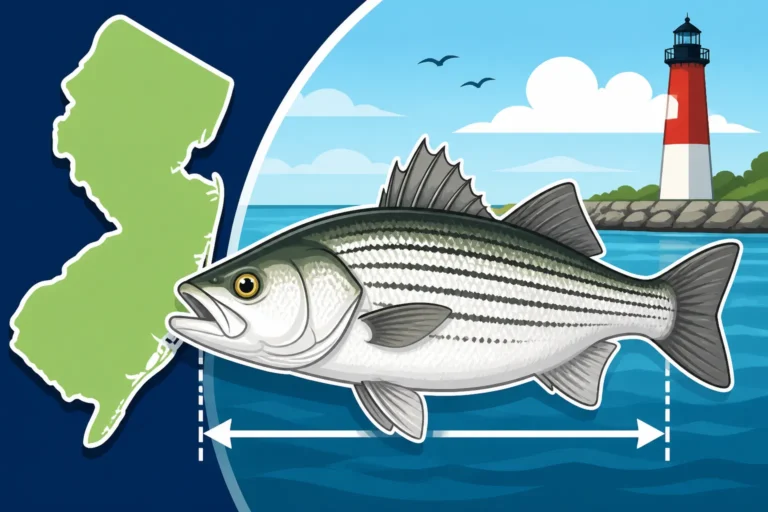
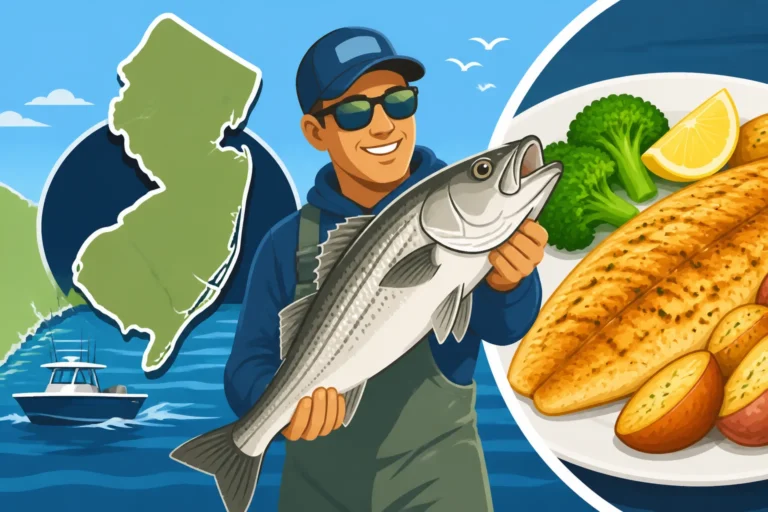
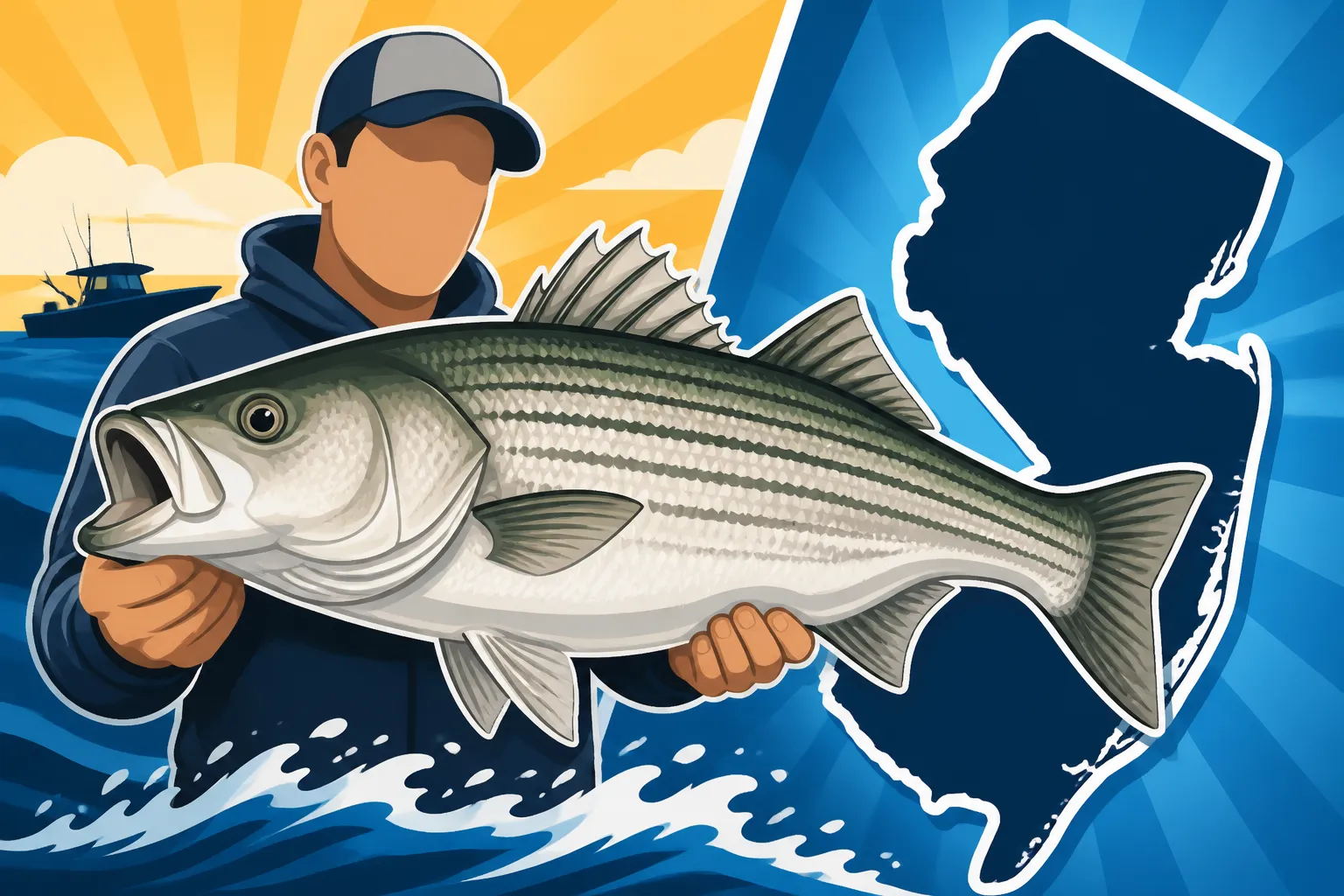
Now, for the big reveal! The current New Jersey state record for striped bass is an astonishing 78 pounds, 8 ounces. This monumental fish was caught by angler Tony Monica on September 21, 1982. Imagine the sheer power of that fish, the battle it must have put up! Monica landed this incredible striper in the Atlantic Ocean, just off the coast of Atlantic City. This catch has stood for many decades as a testament to the potential of New Jersey's waters and the skill of one dedicated fisherman.
This fish wasn't just big; it was a beast, and its capture immediately became legendary among local anglers. The sheer weight and dimensions of a fish that large are almost hard to comprehend until you see pictures or hear the stories firsthand. It reminds us all that out there, in the vastness of the ocean, truly enormous fish are still swimming, waiting for the right moment and the right angler. The record isn't just a number; it's a story, a moment frozen in time that continues to inspire and drive the passion of thousands of New Jersey anglers every year. It’s a symbol of what’s possible with persistence and a bit of luck.
Beyond the Record: Why Striped Bass Hold Such Significance in New Jersey Fishing
While the state record is certainly a pinnacle, the striped bass as a species holds a profound place in the hearts of New Jersey anglers for many reasons. They represent a blend of thrilling sport, a connection to the rich marine environment, and a commitment to conservation.
The Enduring Allure of Stripers
The allure of striped bass fishing in New Jersey is practically unmatched. These fish are renowned for their incredible fighting ability, their willingness to strike a variety of baits and lures, and their availability throughout much of the year during their epic coastal migrations. Whether you're tossing a plug from a beach, drifting live bunker from a boat, or jigging an inlet, the possibility of a hook-up with a powerful striper is always present. The anticipation alone is enough to get most anglers out of bed before dawn.
Many anglers follow the striper migrations with almost religious devotion, planning their fishing trips around the Best Time of Year to Fish for Striped Bass in New Jersey and seeking them out in iconic locations like Raritan Bay in the spring or the inlets and beaches during the fall run. It’s a tradition, a way of life for many. The sheer unpredictability of when and where these giants might show up only adds to the excitement. Sometimes you get skunked, other times you hit a "blitz" where the water explodes with feeding fish, and those are the days that keep you coming back for more.
Regulations and Conservation for Trophy Fish
With such a popular and important species, it’s absolutely critical that we, as anglers, are aware of and respect the regulations designed to protect striped bass populations. These rules are in place to ensure that future generations can also experience the thrill of chasing these magnificent fish, and perhaps even pursue their own record-breaking catch. The New Jersey Division of Fish and Wildlife works tirelessly to monitor populations and adjust regulations as needed.
Understanding How Bag and Size Limits Work in New Jersey is paramount. For striped bass, New Jersey often employs a "slot limit" (like the New Jersey Striped Bass Slot Limit Explained) which means you can only keep fish within a specific size range, not too small and not too large. This strategy helps protect the larger, more prolific breeding fish, allowing them to contribute to the next generation. Additionally, there are often specific rules, such as New Jersey Circle Hook Requirements for Bait Fishing, which are designed to reduce mortality for fish that are caught and released. These conservation measures are not just bureaucratic hurdles; they are vital tools to ensure the health and sustainability of our striped bass fishery. If you're serious about trophy hunting, you're serious about conservation, because without a healthy population, there are no trophy fish.
The Official Process: Validating a Potential State Record
So, you've done it. You've battled a true behemoth of a striped bass, and you have a strong suspicion it might be bigger than anything you've ever seen, maybe even state record worthy. Congratulations! Now what? This is where the real work begins, and it's a process that demands precision, honesty, and quick action. You can't just snap a photo and call it a day; there's a strict protocol to follow.
Immediate Steps at the Scene
The moment that potential record-breaker hits the deck or the sand, a clock starts ticking. First and foremost, if you intend to keep the fish for record purposes, you need to ensure it's handled properly to maintain its weight and condition. This means avoiding any unnecessary loss of bodily fluids or damage. Get good, clear photos with witnesses present. These initial images are crucial for documentation. You'll want to take measurements – length and girth – but remember these are often preliminary. The official weigh-in is what really counts.
It's a good idea to have a plan before you even hook a big one. Know where the certified scales are located, and whom to contact. Having a reliable cooler large enough to hold the fish, perhaps one you scoped out on Amazon, will be critical for transport. Time is of the essence to prevent weight loss due to dehydration. Having multiple witnesses, especially fellow anglers who understand the significance, can only strengthen your claim.
Official Weighing and Documentation
This is the most critical step. For a fish to be considered for a state record, it must be weighed on a scale certified by the state's Office of Weights and Measures. You usually find these at reputable bait and tackle shops, marinas, or sometimes even at certain fishing tournaments. Do not attempt to weigh it on an uncertified scale, as it will invalidate your claim. The weighing must be witnessed, ideally by multiple people, who are prepared to sign affidavits.
Next, the species needs to be positively identified by a qualified biologist from the New Jersey Division of Fish and Wildlife. They'll examine the fish to ensure it truly is a striped bass and not a hybrid or another species that might look similar. You'll also need to fill out official application forms provided by the state, detailing the catch, the conditions, and the witnesses. This is all part of the meticulous process to ensure the integrity of the record book. It might seem like a lot of paperwork, but it's essential. For comprehensive details on regulations and forms, always consult the Reading the New Jersey Fish and Wildlife Digest.
The Waiting Game and Certification
Once all the paperwork is submitted, the fish verified, and the witnesses contacted, comes the hardest part: the wait. The New Jersey Division of Fish and Wildlife will review all the documentation, cross-reference details, and ensure everything is in order. This isn't an overnight process; it can take some time. During this period, you’ll likely be on pins and needles, replaying the catch in your mind and imagining your name in the record books.
If all checks out, you'll receive official confirmation, and your name will be etched into New Jersey fishing history. It's a tremendous honor, recognizing not just the size of the fish but the angler's skill, dedication, and adherence to the rules. It's a moment of immense pride, knowing you've achieved something truly exceptional in the world of New Jersey fishing.
Here's a quick overview of the current New Jersey Striped Bass State Record:
| Record Category | Details |
|---|---|
| Species | Striped Bass (Morone saxatilis) |
| Record Weight | 78 pounds, 8 ounces |
| Angler | Tony Monica |
| Date | September 21, 1982 |
| Location | Atlantic Ocean, near Atlantic City |
| Status | Current New Jersey State Record (All Tackle) |
Strategies for Landing Your Own Giant Striper
While breaking the state record is a long shot, chasing monster stripers is a thrill in itself. To even have a chance at a fish of such legendary proportions, you need to be prepared with the right gear, knowledge, and a whole lot of patience.
Gear Up for Battle
You simply cannot go after truly massive striped bass with light tackle. These fish are powerful, and they will exploit any weakness in your setup. You need heavy-duty rods and reels capable of handling immense stress. Think sturdy conventional setups or powerful spinning combos designed for offshore or heavy surf fishing. Your reel should have a smooth, strong drag system and be spooled with high-test braided line, typically 50-80 pound test, paired with a robust leader. Don't skimp on hooks either; they need to be strong and sharp. Many anglers find quality gear, from heavy-duty rods to high-strength leaders and hooks, readily available on platforms like Amazon. Having the right tools for the job can make all the difference between landing a fish of a lifetime and watching your line snap in frustration. For more general advice, check out Best New Jersey Fishing Gear for Beginners, but for record-breakers, you'll want to step up to even beefier equipment.
Prime Locations and Techniques
Monster stripers often lurk in specific areas. Look for deep channels, strong current rips, around inlets, bridge pilings, and wrecks or reefs. During the spring and fall migrations, they can also be found in the surf, especially around deeper troughs and points. Popular spots include areas within Raritan Bay Striped Bass Spots and the deeper reaches of the Atlantic Ocean off the Jersey Shore.
As for techniques, live bait is often king for giant stripers. Live bunker (menhaden), eels, or herring are prime choices, either fished on a float, slow-trolled, or bottom-fished. Chunking – using cut pieces of fresh bunker – can also be incredibly effective, creating a scent trail that draws in big fish. For artificials, large swimming plugs, big bucktail jigs, and heavy poppers can entice a strike, especially during active feeding periods. Understanding How to Fish for Striped Bass in New Jersey and which Best Lures for Striped Bass Fishing work when and where is a continuous learning process, but a large, fresh live bait is hard for a monster striper to resist.
Patience, Persistence, and Preparation
Chasing trophy fish isn't about instant gratification; it's a game of patience and persistence. You might spend countless hours on the water, enduring frustrating blank trips, but that one epic strike makes it all worthwhile. Always be prepared: check the weather forecast, monitor tide charts, and understand the seasonal migration patterns. Knowing When Do Striped Bass Migrate Through New Jersey? is crucial for timing your efforts.
Preparation also extends to your boat or shore setup. If surf fishing, ensure you have appropriate gear for long casts and rough conditions, which is covered in New Jersey Surf Fishing Techniques. On a boat, have all your safety gear, a reliable fish finder, and ample space for a potential monster. And don't forget the essentials: plenty of water, snacks, sunscreen, and proper attire. The right mindset, combined with thorough planning and the best gear you can get (perhaps a specialized cooler or robust tackle from Amazon), will put you in the best position to encounter and land a true New Jersey giant.
Disclaimer
This article is for general informational purposes only and does not constitute professional advice. Laws, prices and regulations vary by location and change over time. Consult a qualified professional for guidance on your specific situation.