What Is the New Jersey Pike State Record?
Every angler in New Jersey dreams of that monster catch, the one that makes your heart pound and your arms ache. For many, that dream centers around the formidable northern pike, a toothy predator that challenges even the most seasoned fisher. There's nothing quite like the pursuit of a true trophy, and knowing the current state record for northern pike can fuel that ambition, helping you understand the benchmark you're up against. This guide will not only reveal the impressive New Jersey state record for pike but also delve into where these giants lurk and how you might just land one yourself.
The Elusive New Jersey Northern Pike State Record
Chasing a state record is a journey many anglers undertake, often spending years, if not a lifetime, pursuing that one exceptional fish. For northern pike in New Jersey, that record stands as a testament to the incredible fish swimming in our waters and the skill and perseverance of the angler who landed it. It's more than just a number; it's a piece of fishing history.
Unveiling the Current Record Holder
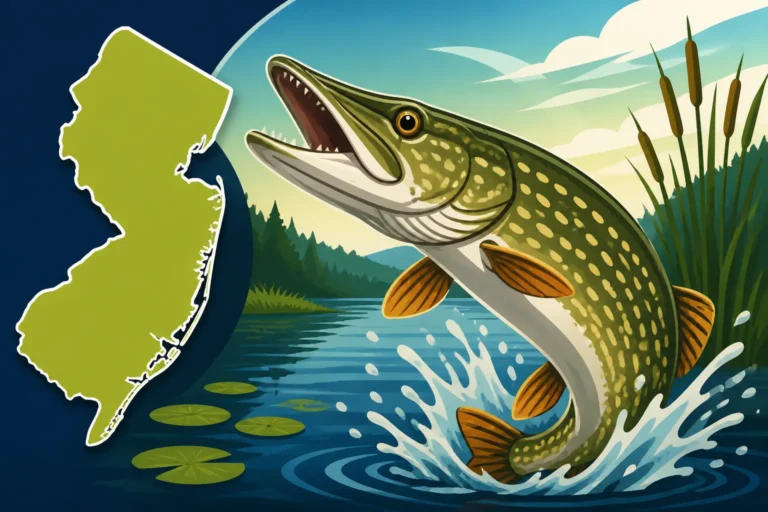
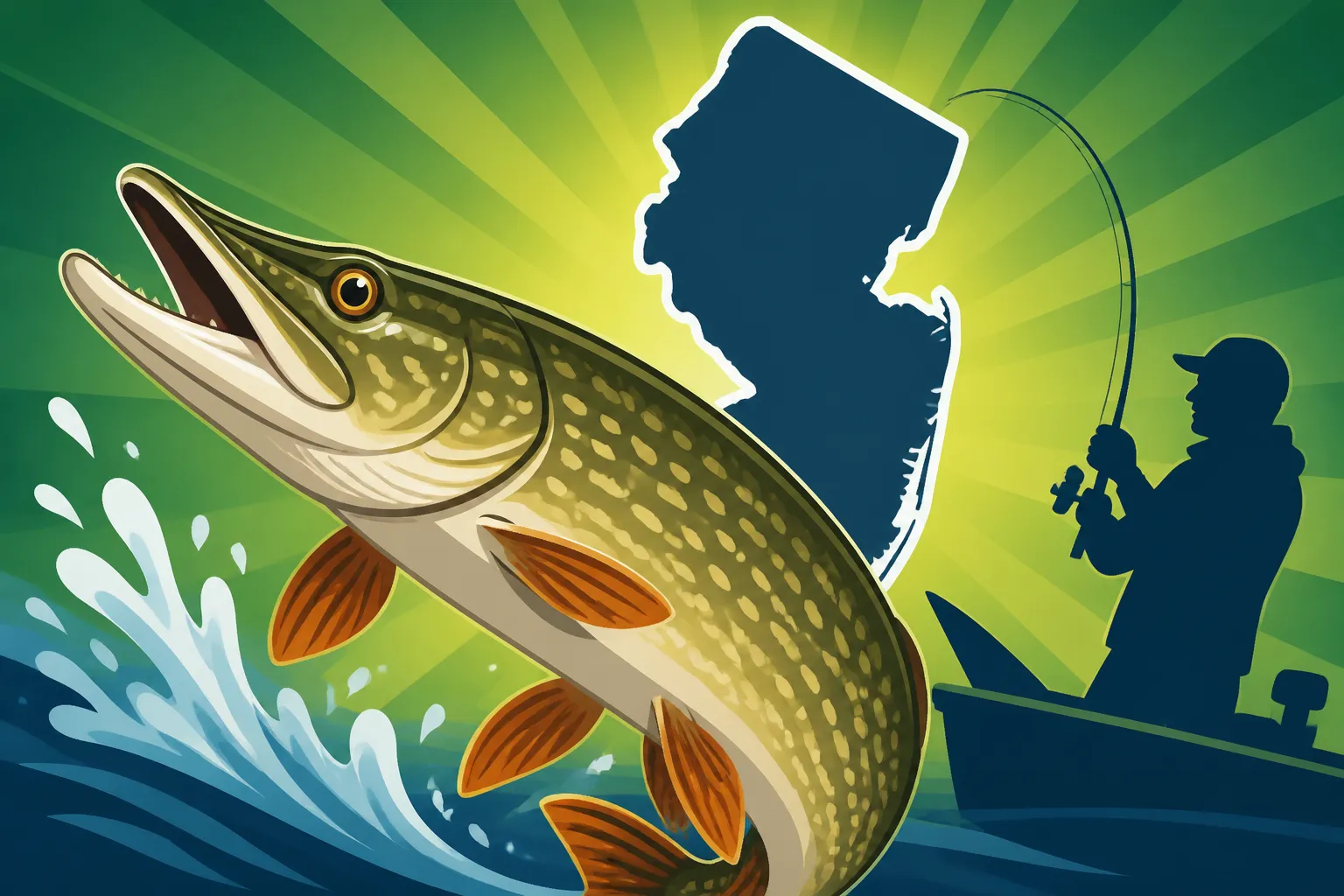
New Jersey's northern pike state record is a truly impressive specimen, a fish that demonstrates the potential for these powerful predators in our state. The current record for northern pike in New Jersey stands at an astounding 46 pounds, 2 ounces. This magnificent fish was caught by an angler named Bobby Kromer, and it measured an incredible 44 inches in length! Imagine the fight that fish must have put up, the sheer power and determination it took to bring such a beast to the boat or shore. This record-setting catch came from the frigid, pristine waters of Monksville Reservoir, a known big fish haven in the northern part of the state. It's a testament to the fact that New Jersey truly holds some exceptional pike.
This kind of record isn't just a point of pride; it's a benchmark that every aspiring pike angler looks toward. It proves that these massive fish are indeed out there, swimming in our local lakes and reservoirs, waiting for the right presentation. While many anglers are simply thrilled to catch any pike, the thought of besting a 46-pounder keeps many of us casting through all sorts of weather.
The Significance of a State Record
Why do these state records matter so much to us as anglers? Well, it's not just about bragging rights, although those are certainly a perk! A state record embodies the pinnacle of a species' growth and health within a specific region. It tells us about the rich ecosystems that support such large fish and serves as inspiration for others. For many, catching a personal best is a huge accomplishment, but the idea that a fish nearly five times larger than your personal best could be swimming in the same waters is truly awe-inspiring.
These records also play a subtle but important role in conservation. When anglers see the potential for such large fish, it often encourages them to practice catch-and-release, especially with larger breeding females. We want these genes to continue in the population, ensuring future generations of trophy pike for New Jersey anglers. The pursuit of a record also sharpens our skills, pushing us to learn more about fish behavior, habitat, and the most effective techniques. It turns fishing into a quest, making every cast a little more exciting.
Where New Jersey's Trophy Pike Lurk
If you're dreaming of a record-breaking northern pike, you first need to know where to find them. These cunning predators aren't just anywhere; they prefer specific environments that offer both ample forage and plenty of ambush points. New Jersey has several renowned bodies of water that consistently produce large pike, and understanding their characteristics is key to your success.
Prime Pike Waters in the Garden State
When it comes to New Jersey Northern Pike Waters, a few locations consistently stand out as hotspots for trophy-sized fish. Monksville Reservoir, where the state record was caught, is naturally at the top of the list. This deep, clear lake in northern New Jersey offers excellent forage and plenty of structure for pike to thrive. It’s a challenging lake to fish, but the rewards can be enormous. Another fantastic option is Lake Hopatcong, the state's largest lake. Lake Hopatcong is teeming with baitfish, and its diverse structure, including weed beds, rock piles, and submerged timber, provides perfect ambush points for big pike. You might even find yourself bumping into some large muskie in these same waters.
Greenwood Lake, straddling the New Jersey-New York border, is another excellent destination. Its extensive weed beds and varying depths make it ideal for pike, and it's known for producing some truly massive fish each year. Spruce Run Reservoir, though often known for its hybrid stripers, also holds a healthy population of northern pike that can grow to impressive sizes. These lakes typically feature cooler, often deeper waters compared to some of our smaller ponds, which allows pike to grow larger and live longer. The common thread among these prime locations is a combination of healthy baitfish populations, complex underwater structure, and enough size to support a top-tier predator like the northern pike.
Understanding Pike Behavior and Habitat
Northern pike are the ultimate ambush predators. They are masters of disguise and patience, often lying perfectly still in dense cover, waiting for an unsuspecting meal to swim by. This behavior dictates where you should focus your efforts. Look for areas with dense weed beds, especially along transition lines where weeds meet open water or drop-offs. Submerged timber, fallen trees, and rocky points are also prime spots where pike will stage their attacks. They love to hide where they can quickly dart out and engulf their prey.
Their behavior changes with the seasons. In spring, after the ice melts, pike will often be found in shallower, warmer waters, particularly near spawning grounds of baitfish. As summer heats up, they'll retreat to deeper, cooler waters, often suspending over structure or hunkering down in the coolest parts of dense weed beds. Fall sees a resurgence of activity as pike feed heavily in preparation for winter, making them more aggressive and accessible. Understanding these seasonal shifts is critical for knowing where to cast your line. Remember, pike are intelligent, and observing the water for signs of baitfish or subtle changes in structure can give you a significant advantage. New Jersey Fishing Season Dates and Closures will give you a good idea of when different species are most active.
Tactics for Catching a Record-Sized Northern Pike
Catching a northern pike, especially one of state record caliber, requires not just knowing where they live, but also having the right tools and techniques. These fish are powerful, have sharp teeth, and demand respect. Being prepared means having the proper gear and understanding how to present your offerings effectively.
Gear Up for Big Pike
When targeting a potential record-breaking northern pike, you absolutely cannot skimp on your tackle. You'll need a stout, heavy-action rod—something in the 7 to 8-foot range is ideal for casting large lures and handling powerful runs. Pair that with a high-quality spinning or baitcasting reel spooled with 30-50 pound braided line. Braided line offers superior sensitivity and strength, which is crucial for detecting subtle bites and muscling a big fish out of cover.
However, the most critical piece of gear for pike is a strong, bite-proof leader. Pike have incredibly sharp teeth that will sever monofilament or fluorocarbon line instantly. A steel or heavy fluorocarbon (80-100 lb test) leader, at least 12-18 inches long, is non-negotiable. For lures, think big and flashy. Large spoons, like those you might see for salmon, are classic pike getters. Jerkbaits, swimbaits, and large inline spinners are also highly effective. Many anglers find great success with muskie lures, which are often larger and more durable. If you're looking to stock up, you can find a wide variety of these items on platforms like Amazon. For those who prefer live bait, large shiners or suckers, fished under a bobber or slowly trolled, can be irresistible to a hungry pike. Just remember to use a big hook!
Seasonal Strategies and Best Practices
Your approach to pike fishing needs to adapt to the season. In spring, post-spawn pike are often hungry and aggressive. Target shallow flats and weed lines with medium-sized jerkbaits or spoons. As summer arrives, the fish move deeper. Consider trolling larger crankbaits or deep-diving swimbaits along drop-offs and main lake points. Early morning and late evening bites are often best in the heat of summer. When fall rolls around, it's prime time for trophy pike. They're in full-on feeding mode, bulking up for winter. This is when larger lures and live baits can be particularly effective. Concentrate on the edges of weed beds and rocky structures.
And then there's ice fishing. New Jersey offers fantastic opportunities for How to Catch Pike Through the Ice. Set up tip-ups with large shiners or suckers near known weed beds or submerged structures. Drilled holes in patterns can cover a wider area, increasing your chances.
Regardless of the season, always practice responsible angling. Large pike, especially those of record potential, are often older, slower-growing fish vital to the ecosystem. If you're fortunate enough to hook a trophy, handle it with extreme care. Use a large landing net, keep the fish in the water as much as possible, and use long-nosed pliers to remove hooks quickly. Snapping a quick photo and releasing the fish unharmed ensures it can continue to contribute to the population and maybe even be caught by another angler down the line.
Regulations and Responsible Pike Fishing in New Jersey
Fishing for northern pike in New Jersey, particularly when you're targeting those potential record-breakers, means you're operating within a system of rules designed to protect the resource. It’s absolutely essential to be familiar with these regulations and to practice ethical angling at all times.
Navigating New Jersey's Pike Regulations
The New Jersey Division of Fish and Wildlife sets specific regulations for northern pike, including bag and size limits. These rules can change from year to year, so it's always critical to consult the most current version of the New Jersey Fish and Wildlife Digest before you head out. Generally, you'll find a minimum size limit and a daily creel (bag) limit to ensure the sustainability of the population. For instance, sometimes there might be a limit of two pike per day, with a minimum size of 24 inches. However, these are just examples, and the specific rules can and do vary. New Jersey Freshwater Fishing Regulations Every Angler Should Know outlines the general framework for all freshwater species.
It's also important to remember that some specific water bodies might have unique regulations beyond the statewide rules. Always double-check any special regulations for the lake or reservoir you plan to fish, especially renowned trophy waters like Monksville Reservoir or Lake Hopatcong. These local rules are put in place to manage specific populations more effectively. And, of course, ensure you have your New Jersey Fishing License Guide for 2026 in order before you cast your first line!
Conservation and Ethical Angling
Beyond simply following the rules, conservation and ethical angling are about respecting the fish and the environment. Northern pike are a valuable sportfish, and we want to ensure healthy populations for future generations of anglers. This is especially true for large, mature pike, which are the backbone of the breeding population. If you catch a truly massive pike, even if it's within the legal limits to keep, strongly consider a careful release.
When handling these toothy predators, safety for both you and the fish is paramount. Always have a large rubberized landing net on hand, as it's much gentler on the fish's protective slime coat than traditional nylon nets. If possible, keep the fish in the water while you remove the hook. Use long-nosed pliers or a hook remover tool to minimize contact with its sharp teeth and to ensure a quick release. Never hold a large pike vertically by its jaw, as this can cause serious internal injury. Support its body horizontally. A quick measurement and a photograph are fine, but get the fish back into the water as soon as possible. Observing catch and release rules in New Jersey is a cornerstone of responsible fishing.
By understanding the What Is the Difference Between a Muskie and a Pike? and their unique needs, you contribute to the health of our fisheries. And if you ever witness a fishing violation, knowing How to Report a Fishing Violation in New Jersey is another important aspect of protecting our shared natural resources.
| Characteristic | Northern Pike | Muskellunge |
|---|---|---|
| Markings | Light spots on a dark body | Dark spots or bars on a light body |
| Scales on Cheek | Fully scaled | Upper half scaled, lower half bare |
| Scales on Opercle | Fully scaled | Upper half scaled, lower half bare |
| Pores on Underside of Jaw | Usually 5 or fewer on each side | Usually 6 or more on each side |
| Tail Fin | More rounded or slightly forked | More distinctly forked |
| General Build | More slender, "duck-billed" snout | More robust, broader "paddle-shaped" snout |
| Typical Size | Smaller on average, but can reach trophy sizes | Generally larger, often referred to as "fish of 10,000 casts" |
| New Jersey Record | 46 lbs, 2 oz (44 inches) | 42 lbs, 13 oz (48 inches) |
Disclaimer:
This article is for general informational purposes only and does not constitute professional advice. Laws, prices and regulations vary by location and change over time. Consult a qualified professional for guidance on your specific situation.