What Is the New Jersey Tautog State Record?
It's a common frustration for anglers to hear whispers of legendary catches and then struggle to find concrete details about the true giants of New Jersey's waters. When it comes to species like the tautog, known for their incredible fighting spirit and structure-loving habits, the state record isn't just a number; it's a testament to skill, patience, and a bit of luck. This guide will dive deep into the specific details of the New Jersey state record for tautog, explore what makes these fish such a prized catch, and offer insights for those hoping to etch their own names into the record books.
The Elusive New Jersey Tautog State Record
For many New Jersey anglers, the tautog, or "blackfish" as they're affectionately known, represents the ultimate challenge. They're powerful, cagey, and reside in some of the most unforgiving environments imaginable. Setting a state record for such a formidable opponent is an incredible feat, a moment of triumph against a true underwater brawler.
A Legacy of Giants: The Record Holder
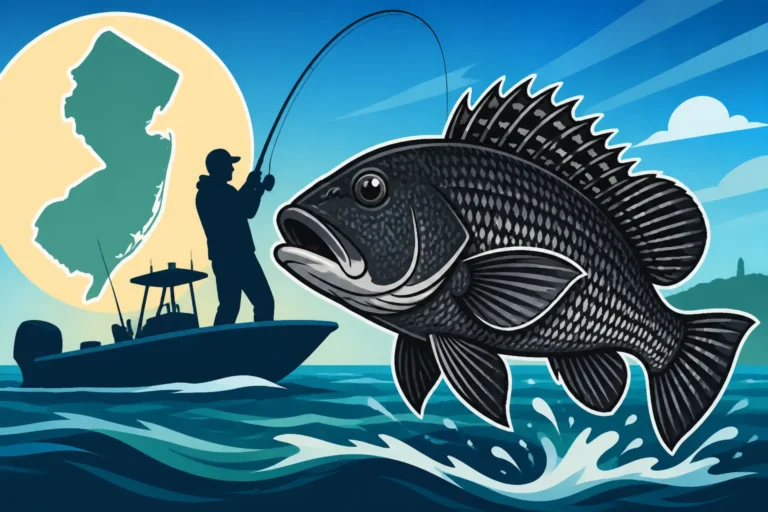
The current New Jersey state record for tautog stands at a staggering 25 pounds, caught by Anthony Monica. This monumental fish was landed on January 16, 1998, a cold winter's day that forever cemented Monica's name in New Jersey fishing lore. The sheer size of this tautog speaks volumes about the potential that lies beneath our waters, even after decades of angling pressure. Imagine the fight, the intense tug-of-war against a fish built for pure power, as it tried to dive back into the craggy depths it called home. It's the kind of story that fuels a thousand fishing dreams and keeps anglers heading out onto the water, regardless of the weather. This record isn't just about weight; it’s about a fish that lived long enough, evaded enough hooks, and ate enough crabs to become a true legend.
Why the Tautog Record is So Impressive
Catching a 25-pound tautog isn't just a matter of being in the right place at the right time; it's a monumental achievement that underscores the unique challenges of targeting this species. Tautog are notoriously difficult to catch for several reasons. Firstly, they are masters of their environment. They inhabit rocky bottoms, wrecks, reefs, and mussel beds, using the jagged structures to their advantage, often cutting lines on barnacles or rocks. Their powerful jaws, designed to crush shellfish, mean they can often snatch bait off a hook with surgical precision, leaving anglers frustrated.
Secondly, tautog are slow-growing fish. A 25-pound tautog has likely seen many seasons and dodged countless anglers over its long life. This makes landing such a fish a testament to both the angler's skill and the resilience of the species itself. They don't just swim into the boat; they fight with every ounce of their being, often making multiple strong runs for cover. The intense, head-shaking battle in tight quarters demands not only heavy tackle but also quick reflexes and a deep understanding of how these fish behave. It's not uncommon for an angler to lose several big tautog to snags or break-offs before finally landing one, making a record-breaker all the more a testament to perseverance.
Understanding Tautog: The "Blackfish" of New Jersey Waters
Before you can hope to break a record, you truly need to understand the fish you're after. Tautog are fascinating creatures, perfectly adapted to their rugged habitat, which is precisely what makes them so challenging and rewarding to pursue.
Tautog Identification and Habitat
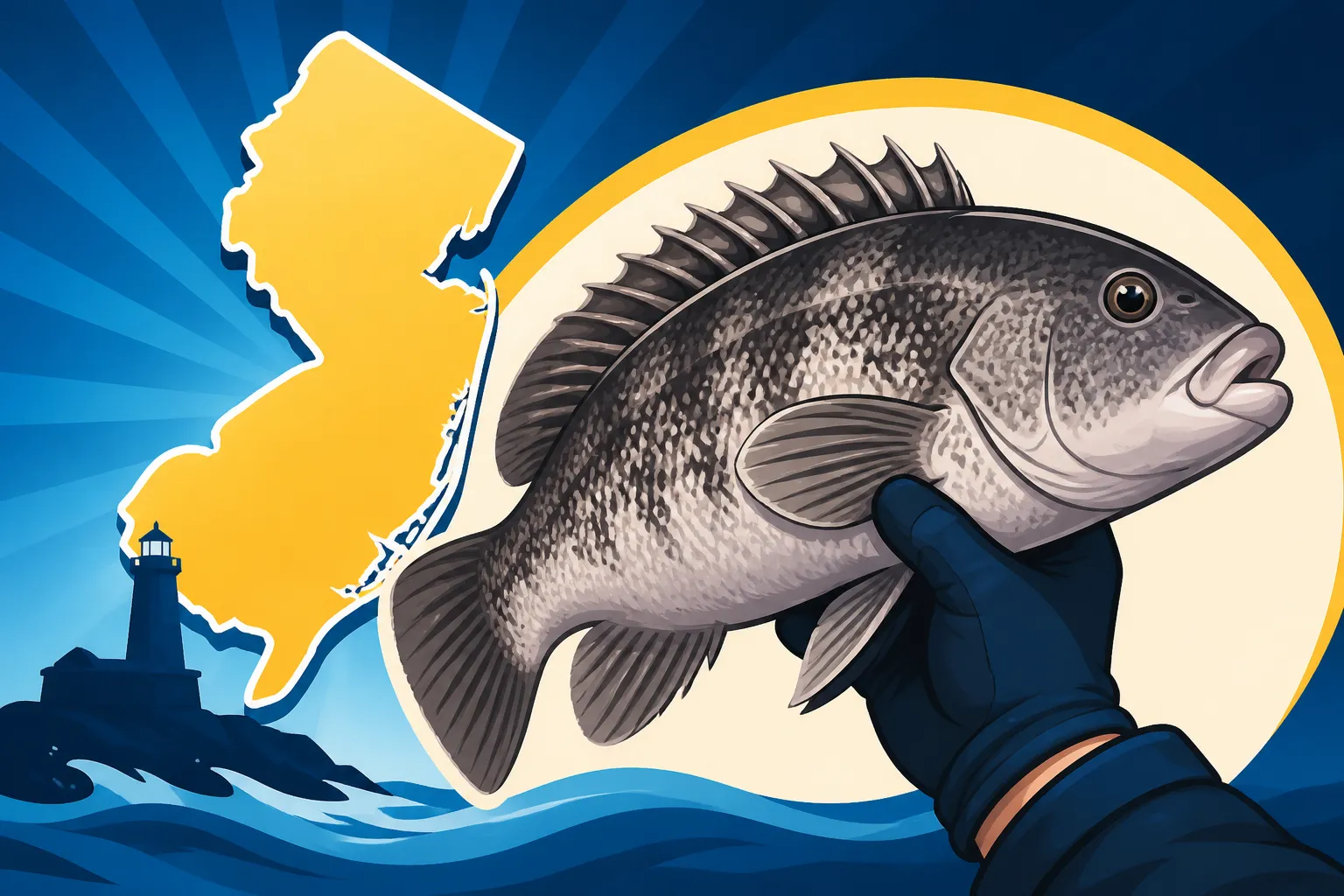
Tautog, often called "blackfish" due to their dark coloration, are a distinct species that stand out from other bottom dwellers. They typically have a mottled greenish-brown to black body, which provides excellent camouflage against rocky bottoms and structures. Their most striking features are their thick, rubbery lips and prominent teeth, including strong canines and molars designed for crushing crabs, mussels, and barnacles – their primary food source. They possess a thick, powerful body, a single dorsal fin with strong spines, and large pectoral fins that allow them to maneuver effortlessly around underwater obstacles.
These fish are almost exclusively found around structure. Think rocky jetties, bridge pilings, submerged wrecks, artificial reefs, mussel beds, and natural rock outcroppings. If there's a hard, complex bottom, there's a good chance tautog are lurking there. This preference for structure is both their strength and the angler's challenge, as it provides them with ample places to ambush prey and quickly escape danger. In New Jersey, you can find them from the bays and inlets to offshore wrecks. Understanding New Jersey Tautog Season Dates is crucial for planning your trips, as these seasons dictate when you can legally target them.
Tautog Biology and Behavior
Tautog are long-lived and slow-growing fish. This biological characteristic means that a truly massive, record-setting tautog is an old fish, one that has managed to survive countless fishing seasons and natural predators. They can live for over 30 years, and their growth rates are much slower than many other popular game fish. This slow growth is a key reason why conservation efforts, including strict size and bag limits, are so important for the species.
Their diet consists almost entirely of invertebrates that they pry from rocks and structures. Crabs, particularly green crabs and fiddler crabs, are their absolute favorite, but they'll also munch on mussels, clams, and barnacles. This specialized diet directly influences the best bait choices for tautog fishing. They are also known for their incredible sense of smell and their somewhat finicky eating habits. They won't just inhale any bait; they'll often "mouth" it, testing it out before committing. This is where the angler's feel and quick reflexes come into play. Missing a bite is incredibly easy, as a tautog can pick a crab clean off your hook in an instant if you're not paying attention. Their behavior is highly influenced by water temperature, with their metabolism slowing down in colder months, but they remain active enough for winter wreck fishing to be a prized pursuit for dedicated anglers.
Chasing Your Own Tautog Trophy: Tips for Anglers
The prospect of catching a state record tautog is a daunting one, but the right approach and a deep understanding of the species can significantly increase your chances of landing a truly impressive fish. It requires specific gear, honed techniques, and a keen eye for finding their haunts.
Essential Gear for Targeting Tautog
Targeting big tautog isn't a job for your light freshwater bass setup. You need gear designed to withstand brutal fights in unforgiving environments. Here’s a breakdown of what you’ll typically need:
- Rods: Look for a heavy-action rod, typically 7 to 8 feet long, with a strong backbone but a sensitive tip. The sensitive tip allows you to feel those subtle "taps" that indicate a tautog is mouthing your bait, while the powerful backbone is crucial for prying them out of structure. Many anglers prefer conventional rods for the direct feel and power they offer.
- Reels: A robust conventional reel, capable of holding 50-80 pound braided line, is ideal. It needs a smooth, powerful drag system that can be locked down when a big blackfish tries to dive into a wreck. Models known for their cranking power and durability are key. You can find excellent options on Amazon or at your local tackle shop.
- Line: Braided line in the 50-80 lb test range is almost universally preferred for tautog. Its lack of stretch provides incredible sensitivity, allowing you to feel every bump and nibble, and its strength is vital for pulling fish away from snags. Many anglers add a fluorocarbon leader (30-60 lb test) for abrasion resistance and stealth.
- Hooks: Strong, sharp hooks are non-negotiable. Octopus or Virginia style hooks, in sizes from 3/0 to 6/0, are popular. The size will depend on your bait and the size of the fish you're targeting. Gamakatsu and Owner are popular brands you can find on Amazon.
- Sinkers: You'll need a variety of lead sinkers, often bank or pyramid sinkers, ranging from 4 to 12 ounces, depending on the current and depth. Expect to lose a few to snags, so always carry plenty.
| Gear Category | Key Characteristics | Why It's Important for Tautog |
|---|---|---|
| Rod | Heavy action, 7-8 ft, sensitive tip, strong backbone | Feel subtle bites, powerful leverage to pull fish from structure |
| Reel | Robust conventional, high retrieve power, strong drag | Withstand brutal fights, lock down drag to prevent snagging |
| Line | 50-80 lb braided mainline, 30-60 lb fluorocarbon leader | Max sensitivity, extreme strength, abrasion resistance |
| Hooks | Strong, sharp, 3/0-6/0 octopus or Virginia style | Penetrate tough mouth, secure hold |
| Sinkers | 4-12 oz bank or pyramid sinkers | Hold bottom in strong currents, essential for bottom fishing |
For those just starting out, getting a Best Beginner Rod and Reel Combo for Saltwater Fishing that can handle the rigors of tautog fishing is a great first step. While some combos might be too light for big blackfish, others can provide a solid foundation for targeting this species.
The Best Baits and Techniques
Tautog are picky eaters, and their preferred diet dictates the best baits. Hands down, crabs are king.
The most effective bait for tautog is almost always some form of crab. Best Bait for Tautog: Green Crab or White Leg Crab? explains this in detail, but here’s a quick rundown:
- Green Crabs: These are the most common and widely used tautog bait. They’re readily available at bait shops and are extremely effective. You’ll want to cut them into pieces, exposing the meat and guts for maximum scent.
- Fiddler Crabs: Smaller than green crabs, fiddler crabs are excellent for finicky tautog, especially in shallower water or when the bite is slow.
- Hermit Crabs: When you can find them, hermit crabs, cracked open to reveal the soft body, are absolute tautog magnets.
- Clams and Mussels: While not as durable as crabs, fresh clam or mussel pieces can sometimes entice a bite, especially if tautog are feeding on them naturally in the area.
As for techniques, bottom fishing around structure is the name of the game.
- Tight Line Fishing: This is the most popular method. Drop your bait directly to the bottom, keeping just enough tension on your line to feel bites. When you feel that subtle "tap, tap, thud," it's time to set the hook hard. Tautog will often test the bait, so distinguishing between a "test bite" and a "take" is crucial. This is where the sensitive rod tip comes in.
- Jigging: While less common for tautog, specialized jigs tipped with a piece of crab can be effective, especially in areas with lighter current or when you want to feel the bite more directly. It allows for a more active presentation, but requires precise boat positioning.
Boat positioning is vital; you want to be right over the structure where the tautog are hiding. Using your boat's electronics to identify wrecks, rock piles, or ledges, and then anchoring or using a spot-lock trolling motor to hold your position, is critical.
Locating Tautog Hotspots in New Jersey
Tautog don't just hang out anywhere; they are intimately tied to specific types of underwater structure. Knowing where to look is half the battle.
- Wrecks and Artificial Reefs: New Jersey's coast is dotted with numerous wrecks and artificial reef sites, deliberately placed to create habitat. These are prime tautog territory. The structure provides shelter, food, and breeding grounds. Charter captains and experienced local anglers often guard their secret spots on these wrecks, as the fish can be plentiful.
- Jetties and Inlets: Coastal jetties, rock walls at inlets, and bridge pilings are easily accessible spots for shore anglers and boaters alike. The rocks provide the perfect environment for crabs and mussels to thrive, attracting tautog close to shore. Examples include the Manasquan Inlet or Barnegat Inlet.
- Rock Piles and Ledges: Natural rock formations on the bottom, often overlooked by those without good electronics, can hold impressive numbers of tautog. These areas are harder to find but can offer incredible fishing if you locate them.
- Mussel Beds: Submerged mussel beds offer a banquet for tautog. If you can locate these "sticky" areas on your fish finder, you're likely to find blackfish nearby.
For a comprehensive guide on specific locations, be sure to check out Where to Catch Tautog Around New Jersey Wrecks and Reefs. Local bait shops are also invaluable resources; the folks behind the counter often have up-to-the-minute information on where the bite is hot and what baits are working best. Don't be shy about asking for advice – many seasoned anglers love to share their knowledge, especially if you're buying their bait!
The Thrill of the Hunt and Conservation
Chasing a state record, or even just a personal best, for a fish like the tautog is an experience unlike any other. It’s a pursuit that combines strategy, skill, and an appreciation for the wildness of New Jersey’s waters. But with that pursuit comes a responsibility to protect these incredible fish for future generations.
Patience and Persistence: The Keys to Tautog Success
If there's one thing tautog fishing teaches you, it's patience. These fish are not always eager to bite, and when they do, their subtle nudges can be maddeningly difficult to detect. You might sit for an hour without a sniff, then suddenly get a flurry of intense action. It takes persistence to stay focused, even when the wind is blowing, the current is ripping, and your fingers are numb.
You'll inevitably lose fish to snags, break-offs, or missed bites. That's just part of the game when targeting tautog in their rocky domain. Don't get discouraged! Every lost fish is a learning opportunity. Pay attention to how the bite felt, how you were positioned, and what adjustments you might make next time. The reward of finally feeling that solid thump and setting the hook into a powerful tautog, then successfully pulling it from the structure, is an exhilarating feeling that makes all the patience and persistence worthwhile. It’s a true test of an angler’s resolve, and landing a big one feels like you’ve outsmarted one of the craftiest fish in the sea.
Reporting a Potential State Record
Imagine the moment: you've landed a tautog that looks absolutely massive, certainly bigger than anything you've ever seen, and possibly even larger than the state record. What do you do? There's a specific process for reporting a potential state record fish in New Jersey, and acting quickly and correctly is paramount.
- Verify the Species: First, be absolutely certain it's a tautog. While they are distinct, misidentification can happen.
- Keep the Fish Alive (if possible): If you suspect it's a record, try to keep the fish alive in a livewell or cooler with fresh seawater. This isn't always feasible for massive fish or from specific fishing situations, but it's ideal.
- Find a Certified Weigh Station: You cannot weigh a potential record fish on any old scale. It must be weighed on a certified scale, typically found at marinas, bait and tackle shops, or official weigh stations. These scales are regularly calibrated and approved for official record submissions.
- Contact NJ Fish & Wildlife: As soon as possible, contact the New Jersey Division of Fish and Wildlife to report your catch. They will guide you through the official process, which often includes having a biologist inspect the fish, confirming its species, and verifying the weight.
- Photographs: Take clear photographs of the fish, especially with a recognizable object for scale, from multiple angles. While not the primary proof, they are helpful for documentation.
- Angler Information: Be prepared to provide detailed information about when, where, and how the fish was caught, including tackle used.
It's a stringent process, but it ensures the integrity of the state record books. Remember that How Bag and Size Limits Work in New Jersey and specific species regulations must always be followed, even if you believe you've caught a record. It's best to be familiar with the regulations before you head out.
Tautog Conservation in New Jersey
Given their slow growth rate and reliance on specific habitats, tautog populations are particularly vulnerable to overfishing. This is why conservation efforts are incredibly important in New Jersey and throughout their range. The New Jersey Division of Fish and Wildlife, in conjunction with regional fisheries management councils, sets regulations to protect the species. These regulations include:
- Size Limits: Minimum size limits ensure that fish have a chance to mature and reproduce before they can be harvested. A larger fish has contributed more to the gene pool.
- Bag Limits: Daily bag limits restrict the number of fish an individual angler can keep, preventing excessive harvest.
- Seasonal Closures: New Jersey Tautog Season Dates often include specific closed periods to protect spawning aggregations or to manage fishing pressure during vulnerable times.
- Gear Restrictions: In some areas, specific gear types or hook rules might be in place to reduce mortality rates.
Responsible angling means not just following these rules, but also practicing good catch-and-release techniques for any fish you don't intend to keep or that don't meet the legal requirements. Handle fish gently, minimize their time out of water, and use proper tools for hook removal. Every angler plays a role in ensuring that future generations can also experience the thrill of battling a New Jersey tautog. When you purchase fishing gear, whether it's specialized tackle or general supplies from Amazon, remember that a portion of the funds from fishing licenses and related excise taxes often goes directly back into conservation efforts, making your contribution essential.
Why Are Tautog Called Blackfish?
It's one of those charming quirks of fishing culture that many species have common names that differ from their scientific ones, and often from one region to another. For tautog, "blackfish" is a widely used moniker, especially in the Mid-Atlantic and Northeast. The reason is pretty straightforward: their coloration.
While tautog can vary in hue, from a mottled greenish-brown to a darker gray, many specimens, particularly larger ones or those from deeper, darker waters, exhibit a very dark, almost black, appearance. This natural camouflage helps them blend in perfectly with the dark rocks, mussel beds, and shadowy wrecks they call home. Anglers, seeing these dark fish pulled from the depths, simply started calling them "blackfish," and the name stuck. It's a testament to their visual characteristic and their ability to blend into the complex, often dim, environments they inhabit. So, while their official name is tautog, don't be surprised if you hear local anglers predominantly referring to them by their descriptive nickname.
Disclaimer
This article is for general informational purposes only and does not constitute professional advice. Laws, prices and regulations vary by location and change over time. Consult a qualified professional for guidance on your specific situation.