What Is the New Jersey Walleye State Record?
There's nothing quite like the thrill of feeling a strong tug on your line, the kind that makes your heart race and your mind immediately jump to: "Is this the one?" For many New Jersey anglers, that "one" is a monster walleye, a fish known for its elusive nature and delicious fillets. If you've ever found yourself wondering about the pinnacle of walleye fishing in our state, specifically what leviathan holds the official title, then you're in the right place. This guide will dive deep into the New Jersey walleye state record, exploring not just the impressive benchmark, but also where these elusive giants lurk, how you might catch one, and what it takes to etch your name into the record books yourself.
The Allure of the Walleye State Record in New Jersey
Every angler, deep down, has that dream: the fish of a lifetime, the one that not only tells a great story but also sets a new standard. For walleye enthusiasts in New Jersey, that dream revolves around breaking the existing state record. It's more than just a number on a scale; it's a testament to skill, patience, and a bit of good old-fashioned luck.
Chasing the Dream: What It Means to Anglers
The pursuit of a state record isn't just about bragging rights, though those are certainly a nice bonus! It's about pushing your limits, understanding the fish and its habitat on a deeper level, and dedicating yourself to a challenging goal. For many, it's a lifelong quest that brings them closer to nature and the waters they love. Imagine the meticulous planning: studying weather patterns, pouring over bathymetric maps, experimenting with different baits, and spending countless hours on the water. It’s an immersion into the sport that few other pursuits can match. When someone finally achieves that monumental catch, it inspires the entire community, proving that those elusive giants truly exist in our local waters and encouraging others to keep casting.
The Current Benchmark: Officially Documented Records
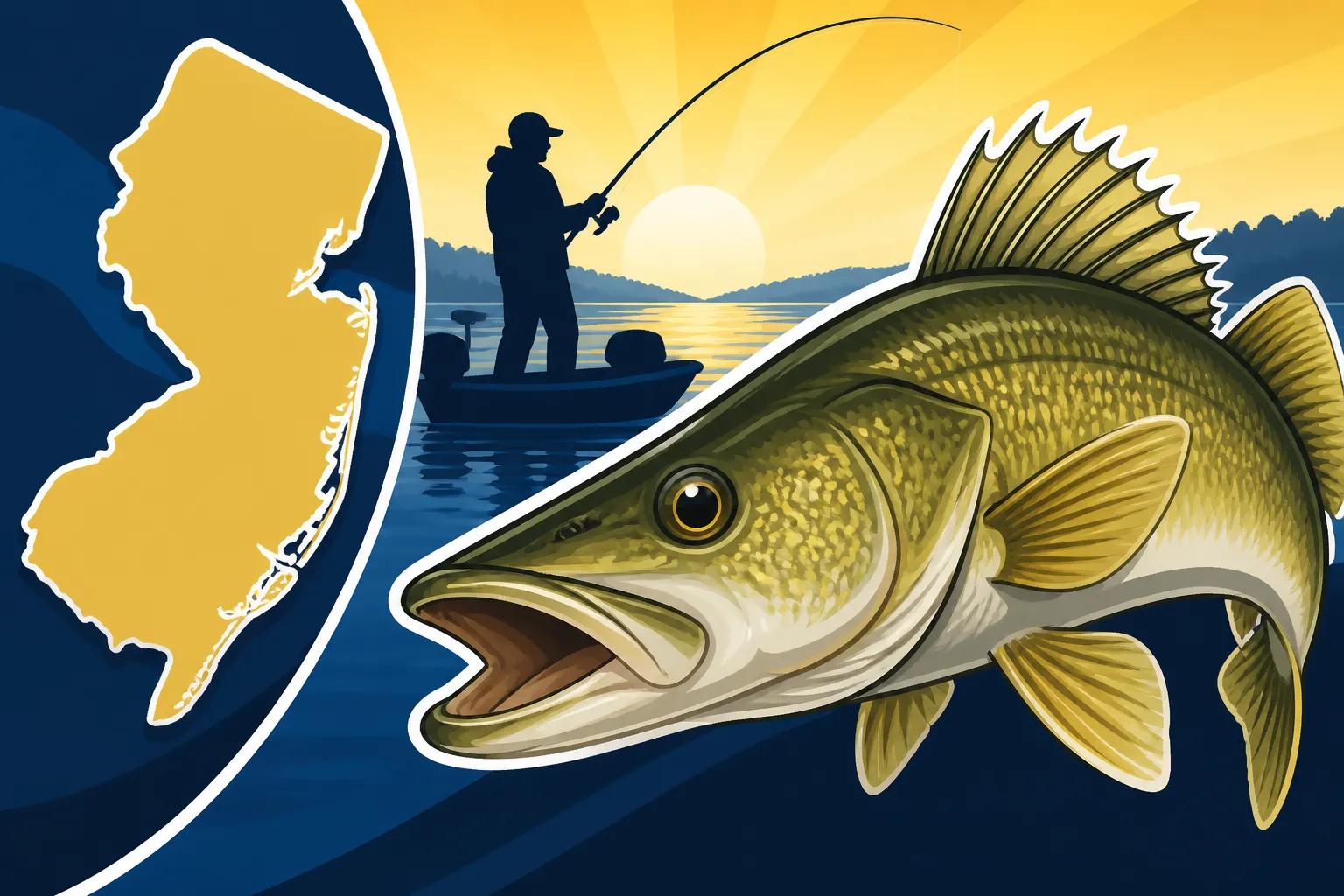
So, what's the magic number? The current New Jersey State Record Walleye stands at a remarkable 13 pounds, 12 ounces. This incredible fish was caught in Monksville Reservoir, a true testament to the trophy potential of that northern New Jersey gem. Think about that for a moment: almost 14 pounds of sleek, toothy predator. This isn't just a big fish; it's a phenomenal catch that signifies an exceptional specimen from our waters. It sets a high bar, one that anglers across the state aspire to surpass. Knowing this record helps you calibrate your expectations and understand the sheer size and weight required to claim the top spot. It also gives you a tangible goal to work towards, fueling those early morning wake-up calls and late-night fishing expeditions.
Where to Find Trophy Walleye in New Jersey
If you're going to chase a record walleye, you need to know where these impressive fish actually live. New Jersey might not be the first state that comes to mind for colossal walleye, but we certainly have our hidden gems where these fish can grow to substantial sizes. It’s all about understanding their preferred habitats and seasonal movements.
Prime Walleye Waters: Exploring New Jersey's Hotspots
While the state record came from Monksville Reservoir, this isn't the only place to find impressive walleye. Monksville is certainly a well-known spot, celebrated for its clear, deep waters and excellent forage base, which allows walleye to thrive and reach trophy proportions. It's often high on the list for anyone serious about targeting this species. But don't overlook other significant bodies of water. The Delaware River, especially its upper stretches, also holds a healthy population of walleye, with many anglers reporting respectable catches. It's a vast system, offering plenty of varied structure for walleye to ambush prey. Further north, lakes like Lake Hopatcong, while more famous for bass, also have a population of walleye, particularly in its deeper sections. Smaller, often overlooked reservoirs and rivers, sometimes stocked or benefiting from natural reproduction, can also yield surprise catches for the dedicated angler. These bodies of water provide the essential elements for walleye: cool, oxygenated water, ample baitfish, and plenty of structure like rocky drop-offs, submerged timber, and deep points. Check out our Monksville Reservoir Fishing Guide for more details on that particular hotspot, or explore our Lake Hopatcong Fishing: New Jersey's Largest Lake and Delaware River Fishing in New Jersey guides. Each of these locations offers distinct challenges and rewards, making them excellent choices for your next walleye adventure. You can find more comprehensive information on these and other locations in our guide to New Jersey Walleye Fishing Waters.
Seasonal Strategies for Big Walleye
Walleye behavior is heavily influenced by water temperature and light conditions, which means your strategy needs to adapt with the seasons. Spring, right after ice-out, can be fantastic as walleye move into shallower areas to spawn. They're often aggressive then, making them vulnerable to casting jigs or slow-trolling crankbaits near rocky points and river mouths. As summer heats up, walleye retreat to deeper, cooler waters. This is when a good fish finder becomes your best friend, helping you locate schools holding near thermoclines or deep structure. Jigging spoons, vertical jigging with live bait like shiners or nightcrawlers, or slow-trolling deep-diving crankbaits are effective tactics. Don't forget the low-light periods; walleye have excellent vision in dim conditions, making dawn, dusk, and even night fishing incredibly productive. Many big walleye are caught after the sun goes down, especially in clear lakes. Our How to Catch Walleye at Night article delves into this further. Fall sees walleye becoming more active again as water temperatures drop and they feed heavily in preparation for winter. They'll often move back into shallower areas or patrol distinct break lines. Ice fishing can also produce impressive results for those brave enough to venture out onto the hard water, often targeting deep humps and points with jigging spoons or tip-ups rigged with live minnows.
Techniques and Tackle for Record Walleye
Landing a state-record walleye isn't just about being in the right place at the right time; it also demands the right gear and a solid understanding of effective techniques. Walleye are often subtle biters, and you need to be prepared for their finicky nature, especially when targeting larger, more experienced fish.
Essential Gear for Targeting Walleye
When it comes to tackle, precision and sensitivity are key for walleye. You'll want a medium-light to medium-action spinning rod, typically 6'6" to 7'6" long, paired with a reliable spinning reel spooled with 6 to 10-pound test braided line. The braid offers incredible sensitivity for detecting those light bites and excellent hook-setting power over longer distances. It’s also incredibly strong for its diameter, which is a huge plus when you're battling a potential record. Many anglers will add a fluorocarbon leader of 8-12 pounds to the end of their braid. Fluorocarbon is nearly invisible underwater and abrasion-resistant, providing that extra stealth and protection against sharp rocks or the walleye's own teeth. For those who prefer baitcasting setups, a similar rod action and line strength would be appropriate. Don't forget a sturdy landing net with a rubberized mesh – it's crucial for safely scooping up a big walleye without damaging its delicate fins or scales, and it protects you from its sharp gill plates and teeth. Having a good pair of fishing pliers to safely remove hooks is also indispensable. You can find many of these items, from rods and reels to specialty lines, on platforms like Amazon, often with a wide selection to fit different budgets and preferences. If you're just starting out, taking a look at Best New Jersey Fishing Gear for Beginners can help you build your foundational kit before specializing.
Baits and Lures That Attract Big Fish
Walleye are opportunistic feeders, but they do have preferences, especially the larger ones. Live bait is often king when targeting trophy fish. Large shiners, fathead minnows, nightcrawlers, and leeches are all incredibly effective. You can present them on a slip-sinker rig, a floating jig head, or beneath a bobber. When it comes to artificials, jigs are hard to beat. Quarter-ounce to half-ounce jigs, tipped with a soft plastic grub, a swimbait, or even a piece of live bait, are versatile and can be fished in various depths. Popular colors often include chartreuse, white, pink, and various shades of green or brown, mimicking forage fish or crustaceans. Crankbaits are another go-to, especially for trolling or casting over expansive flats or along break lines. Deep-diving models that reach the fish's depth are essential. Rattling crankbaits can also draw attention in stained water. Blade baits and jigging spoons are excellent for vertical presentations when fish are schooled up tight to structure, especially during colder months or through the ice. Experimentation is often key, as what works one day might not the next, and local forage can dictate the most effective presentations.
The Art of the Walleye Hookset and Fight
Walleye bites can be incredibly subtle, often feeling like a light "tap" or just extra weight on your line. This is where the sensitivity of your braided line really shines. When you feel that tell-tale tap or unusual resistance, resist the urge for an immediate, sweeping hookset like you might use for bass. Instead, reel down until you feel solid pressure, then use a firm, upward sweep of the rod to drive the hook home. Walleye have fairly hard mouths, so a strong, deliberate set is necessary. Once hooked, they don't typically make long, drag-screaming runs, but they are powerful fighters, especially the larger ones. They'll often try to "head shake" and use their broad, muscular bodies to pull against your line. Keep steady pressure on the fish, avoiding slack, and let your rod's flex and your reel's drag do the work. Remember to pump and reel, gaining line slowly but surely. Bring the fish to the net carefully, making sure it's fully subdued before attempting to scoop it. A big walleye can make a last-ditch surge right at the boat, so be ready. Patience and a calm demeanor are crucial to bringing a record-contender to the boat.
The Official Process for Submitting a State Record
So, you've landed what you believe is a state-record walleye. Congratulations! That's a monumental achievement in itself. But the journey isn't over yet if you want it officially recognized. There’s a specific process to follow, ensuring the integrity and accuracy of state records.
Understanding the Rules: What You Need to Know
The New Jersey Division of Fish and Wildlife has a clear set of guidelines for submitting a state record. The first and most critical rule is that the fish must be caught legally, in compliance with all current New Jersey fishing regulations, including season dates and tackle restrictions. No snagging, no illegal methods. The fish must be weighed on a certified scale, usually found at reputable bait and tackle shops, post offices, or butcher shops. It’s imperative that the scale is certified for trade, meaning it's regularly inspected for accuracy. This isn't something you can do at home with your bathroom scale. You'll also need a witness, ideally someone unrelated to you, to attest to the catch and the weighing process. Clear, high-quality photographs of the fish are also required, showing it from different angles, and ideally next to a ruler or a known object for size reference. You'll typically need to preserve the fish, often by keeping it on ice, until it can be verified. The exact species identification is also critical. While walleye are distinctive, having an expert confirm it can avoid any issues. Pay close attention to New Jersey Fishing Season Dates and Closures before you even head out, as timing is everything.
The Documentation Journey: From Catch to Certification
Once you’ve caught your potential record fish, the clock starts ticking. Your immediate steps should be:
- Preserve the Catch: Keep the fish alive in a livewell if possible, or immediately place it on ice in a cooler to maintain its weight and condition until it can be officially weighed and inspected.
- Locate a Certified Scale: Head directly to a location with a certified scale. Many tackle shops are familiar with this process and can guide you. Ensure the scale operator records the weight accurately.
- Find a Witness: Have an impartial witness observe the weighing process and sign off on the documentation.
- Take Comprehensive Photos: Get multiple photos of the fish: a clear side profile, one with you holding it, and one on the scale with the weight clearly visible. Include a ruler or tape measure if possible to show its length.
- Contact NJ Fish & Wildlife: Get in touch with the New Jersey Division of Fish and Wildlife as soon as possible after the catch. They will guide you through the submission process, provide the necessary forms, and arrange for official inspection and species verification. They may require you to bring the fish to one of their regional offices.
- Complete the Paperwork: Fill out all required forms meticulously, providing all requested details about the catch, location, date, time, and tackle used.
This entire process ensures that only legitimate, well-documented catches earn the prestigious state record title. It might seem like a lot of steps, but it’s a small price to pay for eternal bragging rights and a place in New Jersey's angling history! For more general information on the rules that govern all our waters, refer to New Jersey Freshwater Fishing Regulations Every Angler Should Know.
Here’s a quick overview of some prime New Jersey waters for walleye fishing:
| Location | Primary Species Targeted | Key Characteristics | Best Seasons | Typical Bait/Lures Recommended | Notes |
|---|---|---|---|---|---|
| Monksville Reservoir | Walleye, Smallmouth Bass | Deep, clear water, rocky structure, good forage base | Spring, Fall, Winter (Ice Fishing) | Live minnows, jigs (chartreuse, white), crankbaits, blade baits | State record holder, known for trophy potential. Requires deep water tactics. |
| Delaware River (Upper) | Walleye, Smallmouth Bass | Varied flows, rocky bottom, deep pools, current breaks | Spring, Fall, Summer (night fishing) | Live minnows, crawlers, jigs, crankbaits, swimbaits | Offers diverse fishing opportunities, often requires navigating currents. |
| Lake Hopatcong | Walleye, Largemouth Bass | Large, diverse lake with deep sections and structure | Spring, Fall, Summer (deep water, night) | Live minnows, jigs, trolling with crankbaits | Walleye can be found, but often requires specific targeting in deeper areas. |
| Merrill Creek Reservoir | Walleye, Lake Trout | Very deep, clear, often windy, limited shoreline access | Spring, Fall | Trolling with crankbaits, jigging spoons | Excellent for deep-water trolling, can be challenging due to depth and wind. |
Chasing a state record is an incredible journey, and while the 13-pound, 12-ounce walleye from Monksville Reservoir sets a high bar, it's not an impossible one to clear. New Jersey's waters hold true giants for those willing to put in the time and effort. Whether you're targeting Monksville, exploring the depths of the Delaware River, or trying your luck in another one of our promising lakes, remember that knowledge, preparation, and persistence are your greatest assets. Stay informed on regulations, refine your techniques, keep an eye on weather and water conditions, and who knows? The next time you feel that distinctive walleye tug, it just might be the fish that redefines the New Jersey state record. Good luck out there, anglers, and tight lines!
Disclaimer
This article is for general informational purposes only and does not constitute professional advice. Laws, prices and regulations vary by location and change over time. Consult a qualified professional for guidance on your specific situation.