What Is the State Fish of New Jersey?
It's easy to get lost in the sheer diversity of New Jersey's waters, wondering which fish truly represents our amazing state. With so many iconic species, from the hard-fighting striped bass along our coast to the elusive largemouth in our tranquil lakes, pinning down a single "state fish" can feel like picking a favorite child. This guide is here to clear up any confusion and celebrate the official aquatic emblem of the Garden State, diving deep into its history, habitat, and why it holds such a special place in our hearts.
Unveiling New Jersey's Official State Fish
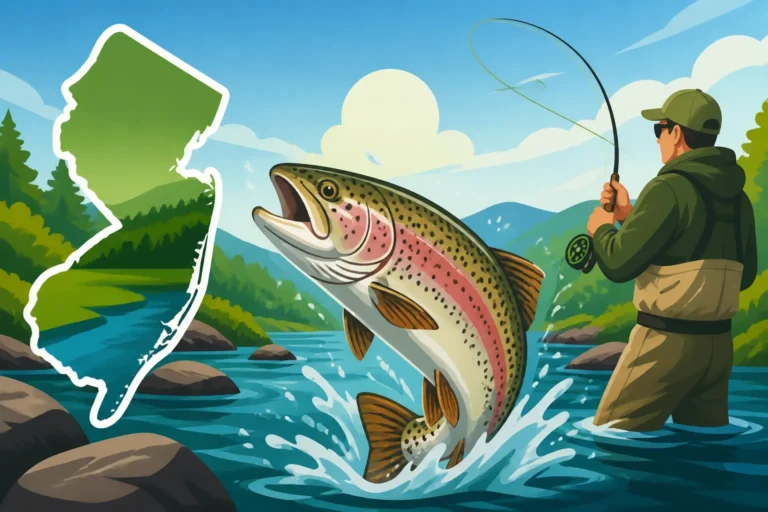
For many New Jersey anglers, the question of which fish holds the esteemed title of our state fish often leads to a moment of pause. Is it the powerful striped bass, famous for its thrilling runs along the coast? Or perhaps the common largemouth bass, a staple of freshwater fishing tournaments? The answer, however, takes us to the clear, cold streams and rivers of northern New Jersey, home to a truly special native species: the brook trout. Officially designated in 1991, the brook trout ( Salvelinus fontinalis) embodies the natural beauty and ecological health of our inland waters. It's a testament to the wild, untamed corners of New Jersey that still exist, even amidst our bustling landscape.
The Journey to State Fish Status
The process of designating a state fish isn't just about picking the biggest or most popular catch; it's often a reflection of a species' historical significance, its connection to the state's natural heritage, and its ecological importance. For the brook trout, its journey to becoming New Jersey's state fish was rooted deeply in its status as the only trout species native to our state. While rainbow and brown trout are regularly stocked and thrive in many New Jersey waters, the brook trout is a true original, a living relic of the state's pristine aquatic past. This distinction helped it stand out among other strong contenders.
School children and conservation groups often play a vital role in these designations, raising awareness and advocating for species they feel best represent their home. The brook trout's vibrant colors, its preference for clean, healthy water, and its historical presence throughout much of New Jersey's freshwater systems made it an ideal candidate. It symbolizes the need for environmental stewardship and the preservation of our natural resources, especially as many of its native habitats face ongoing challenges. Its official recognition underscored its importance not just to anglers, but to the overall ecological balance of New Jersey's watersheds.
Why the Brook Trout?
So, what makes the brook trout such a fitting emblem for New Jersey? Beyond its native status, the brook trout is an incredibly beautiful fish, often described as having jewel-like colors. Its olive-green back, speckled with worm-like patterns (known as vermiculations), transitions to lighter sides adorned with red spots ringed in blue (halos) and small yellow spots. Its lower fins, particularly the pectoral, pelvic, and anal fins, are typically orange-red with a distinctive white leading edge, followed by a black stripe. These vivid markings are truly captivating when you see one darting through a clear stream.
Moreover, the brook trout is a crucial indicator species. Its presence in a stream or river is a strong sign of excellent water quality—cold, clean, and well-oxygenated. These fish are highly sensitive to pollution, siltation, and changes in water temperature, meaning that where brook trout thrive, the ecosystem is generally healthy. They represent a wildness that many people don't associate with a densely populated state like New Jersey, reminding us of the hidden natural gems we have. For many, catching a wild brook trout, often smaller and more elusive than their stocked cousins, is a truly special experience that connects them directly to the state's natural legacy. You can read more about what these fish need in New Jersey Rainbow Trout vs Brown Trout vs Brook Trout.
Understanding the Brook Trout in New Jersey
To truly appreciate New Jersey's state fish, it helps to understand its life and the specific conditions it needs to flourish. The brook trout is not just a pretty face; it's a fascinating creature perfectly adapted to its environment, and a testament to the delicate balance of nature in our state. These fish are often smaller than the stocked trout you might encounter, rarely growing beyond 12-14 inches in New Jersey's wild streams, but their fighting spirit and vibrant beauty are unmatched.
Habitat and Preferred Conditions
Brook trout are quintessential cold-water fish. They absolutely demand pristine conditions, which is why finding them often means venturing into the most unspoiled parts of New Jersey's freshwater systems. Their ideal habitat consists of clear, cold, well-oxygenated water, typically found in headwater streams, mountain brooks, and the upper reaches of rivers. They thrive where water temperatures remain consistently low, generally below 68°F (20°C), even in the peak of summer. This means you'll find them predominantly in the northern counties of New Jersey, where elevation provides cooler temperatures and springs feed into streams, offering thermal refugia during warmer months.
They also require plenty of cover. Think fallen trees, submerged rocks, undercut banks, and overhanging vegetation that provide shade and protection from predators. A healthy brook trout stream isn't just a flow of water; it's a complex ecosystem with varying depths, riffles, pools, and plenty of natural structure. These features not only offer hiding spots but also create diverse microhabitats that support the invertebrates and smaller fish that brook trout feed on. If you're exploring areas for brook trout, look for these tell-tale signs of a healthy, undisturbed stream environment. New Jersey Trout Fishing Techniques delves into these aspects further.
Physical Characteristics and Identification
Identifying a brook trout can be a real treat because of its striking coloration. Let's break down those beautiful features that set it apart:
- Body Shape and Color: They have a relatively slender, torpedo-shaped body, perfectly suited for navigating swift currents. Their back and upper sides are typically olive-green, adorned with a pattern of wavy, light-colored lines and spots known as "vermiculations" (like worm tracks).
- Spots: This is where they truly shine! Their sides boast vibrant red spots, often encircled by a pale blue "halo," interspersed with smaller yellow spots. These spots are a key identifier, distinguishing them from other trout species.
- Fins: The lower fins (pelvic, pectoral, and anal) are usually a reddish-orange hue, tipped with a distinctive white leading edge, often followed by a thin black stripe. This "white-edged fin" characteristic is another reliable way to identify a brook trout.
- Tail: The tail fin is typically square or slightly forked, and usually darker than the body.
Remember, brook trout are often smaller than the rainbow or brown trout you might catch in New Jersey's stocked waters, but their intense colors more than make up for their size. If you're looking to brush up on your fish identification skills, a good field guide, perhaps found on Amazon, can be an invaluable tool.
Diet and Lifecycle
Brook trout are opportunistic feeders, meaning they'll eat whatever is available and easy to catch in their cold-water homes. Their diet largely consists of aquatic insects (like caddisflies, mayflies, and stoneflies in their larval and adult stages), small crustaceans, and even tiny fish or amphibians when the opportunity arises. Terrestrial insects that fall into the water, such as ants, grasshoppers, and beetles, also become easy meals, especially during warmer months. They're not particularly picky, but they are efficient predators within their ecosystem.
Their lifecycle is fascinating and tied directly to the health of their stream environment. Brook trout typically spawn in the fall, from late September through November, when water temperatures begin to drop. Females will construct shallow nests called "redds" in gravelly stream bottoms, often in areas with good water flow to ensure proper oxygenation of the eggs. After fertilization, the eggs incubate over winter, hatching into "alevins" (tiny trout with yolk sacs for nourishment) in early spring. As they grow, they become "fry" and then "fingerlings," gradually developing into juvenile trout.
Brook trout in New Jersey typically live for about 3-5 years, though some individuals in ideal conditions might live a bit longer. Their survival rate is highly dependent on consistent access to clean, cold water and a healthy invertebrate population. Their relatively short lifespan and specific habitat needs make conservation efforts incredibly important to maintain their populations.
Conservation Efforts and Angling for Brook Trout
Protecting the brook trout is about more than just preserving a single fish species; it's about safeguarding the pristine aquatic environments that define a vital part of New Jersey's natural heritage. As anglers and outdoor enthusiasts, we all have a role to play in ensuring these beautiful native fish continue to thrive for generations to come.
Protecting New Jersey's Native Trout
Unfortunately, wild brook trout populations have faced significant challenges over the years. Habitat degradation, primarily from deforestation, agricultural runoff, urbanization, and stream channelization, has severely impacted their numbers. Siltation can smother their spawning beds, and warmer water temperatures from climate change or lack of riparian (streamside) vegetation can stress or kill them. Non-native species, like brown trout, can also outcompete them for food and habitat.
Because of these pressures, conservation efforts are crucial. Organizations and state agencies work tirelessly to protect and restore brook trout habitats. This often involves:
- Riparian Zone Restoration: Planting trees and shrubs along stream banks to provide shade, which keeps water temperatures cool, and to stabilize soil, reducing erosion and siltation.
- Stream Barrier Removal: Removing old dams or culverts that prevent trout from moving freely to access spawning grounds or thermal refugia.
- Water Quality Monitoring: Regularly testing water to ensure it meets the high standards brook trout require.
- Public Education: Informing the public about the importance of clean water and responsible land use to protect these sensitive fish.
For those passionate about the outdoors, supporting these conservation efforts, perhaps even by volunteering for stream cleanups or habitat restoration projects, is a fantastic way to give back to the environment. Even small actions, like being mindful of what goes down storm drains, can have a collective impact on New Jersey Freshwater Fishing Regulations Every Angler Should Know.
Ethical Angling for Brook Trout
Fishing for brook trout is a truly rewarding experience, but it comes with a responsibility to practice ethical angling, especially since many of the brook trout you encounter in New Jersey are wild, native fish. The goal isn't just to catch them, but to ensure they survive and thrive after release.
- Catch and Release: Many dedicated brook trout anglers practice catch and release exclusively. This ensures that these valuable native fish can continue to reproduce and sustain their populations. If you do choose to keep a brook trout, be sure to check the current How Bag and Size Limits Work in New Jersey and specific stream regulations, as some areas may have special limits or be designated catch-and-release only for brook trout.
- Proper Handling: When practicing catch and release, quick and gentle handling is paramount. Wet your hands before touching the fish to protect its delicate slime coat, which is vital for disease resistance. Use needle-nose pliers or a hemostat to quickly remove the hook. If the hook is deeply embedded, cut the line and leave the hook rather than trying to tear it out. Hold the fish gently in the water, facing upstream, until it swims away on its own.
- Appropriate Gear: Using lighter tackle, like ultralight spinning gear or a lightweight fly rod, enhances the experience and is less stressful for smaller brook trout. Fly fishing is particularly popular for brook trout, mimicking the insects they naturally feed on. For those interested, a good starter fly fishing kit can be found on Amazon. Using single, barbless hooks can also make hook removal easier and minimize harm.
Responsible angling practices ensure that the joy of catching a native brook trout is a sustainable one, allowing these beautiful fish to continue gracing our streams for years to come.
Where to Find Brook Trout in New Jersey
While I can't give you exact GPS coordinates to secret spots, I can certainly point you in the general direction of where you'll find these elusive beauties in New Jersey. Remember, finding wild brook trout often requires a bit of adventurous spirit and a willingness to explore smaller, less accessible waterways.
The best places to look for brook trout are typically the headwaters and upper reaches of streams in the northern counties of New Jersey. Areas like Sussex, Warren, Morris, Passaic, and even parts of Bergen and Hunterdon counties have the cold, clean water necessary for brook trout survival. Look for streams that originate in higher elevations, often within state forests, wildlife management areas, or undeveloped parkland. These areas are usually less impacted by development and maintain better water quality.
When researching potential spots, look for references to "native trout streams" or "wild trout management areas" in official state fishing digests or conservation reports. These designations usually mean efforts are in place to protect populations of brook trout. Be prepared for some hiking, as the most productive spots are often a bit off the beaten path, away from easy road access. Always respect private property and check local regulations before venturing out. The thrill of finding an untouched stretch of water teeming with native brook trout is one of the most rewarding experiences New Jersey fishing has to offer. For general trout fishing, you might also be interested in New Jersey Trout Stamp Requirement for Stocked Lakes or New Jersey Trout Season Preseason Closure Explained.
Other Iconic Fish Species in New Jersey
While the brook trout holds the official title, it's worth acknowledging the incredible array of other fish species that make New Jersey a truly diverse angling destination. Many of these fish are far more widely known and targeted by anglers across the state, and each plays a significant role in our aquatic ecosystems and fishing culture. Understanding why the brook trout was chosen over these popular species helps highlight its unique significance.
Freshwater Contenders
If popularity were the only metric, a few freshwater species might have easily claimed the state fish title.
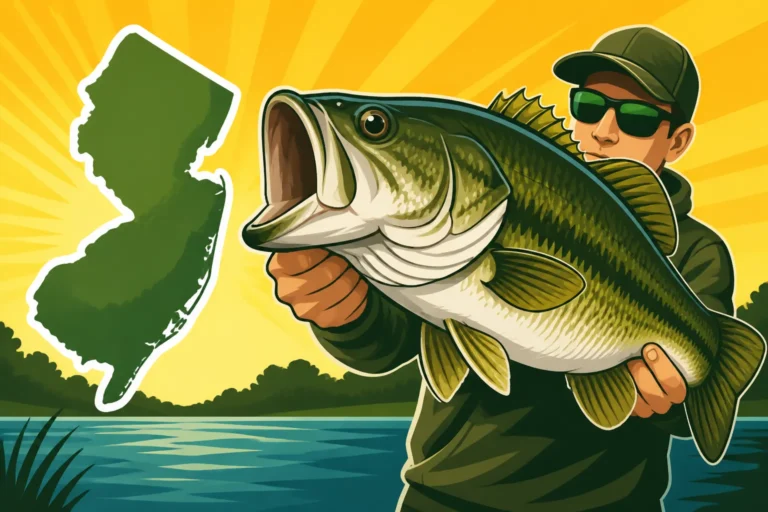
- Largemouth Bass: This aggressive predator is arguably one of the most popular game fish in New Jersey's lakes and ponds. Known for its powerful fight and willingness to strike a variety of lures, the largemouth bass offers thrilling action to anglers of all skill levels. You can find robust populations in almost every substantial freshwater body, from Lake Hopatcong to smaller farm ponds. While incredibly popular, the largemouth is not native to all of New Jersey's waters, and its widespread presence is partly due to extensive stocking programs over the years. New Jersey Largemouth Bass State Record speaks to its prominence.
- Walleye: While not as widespread as bass or trout, walleye are highly prized for their delicious taste and challenging nature. Found in larger reservoirs like Monksville and portions of the Delaware River, they offer a different kind of angling challenge, often requiring finesse and nocturnal expeditions. Again, not a universally native fish.
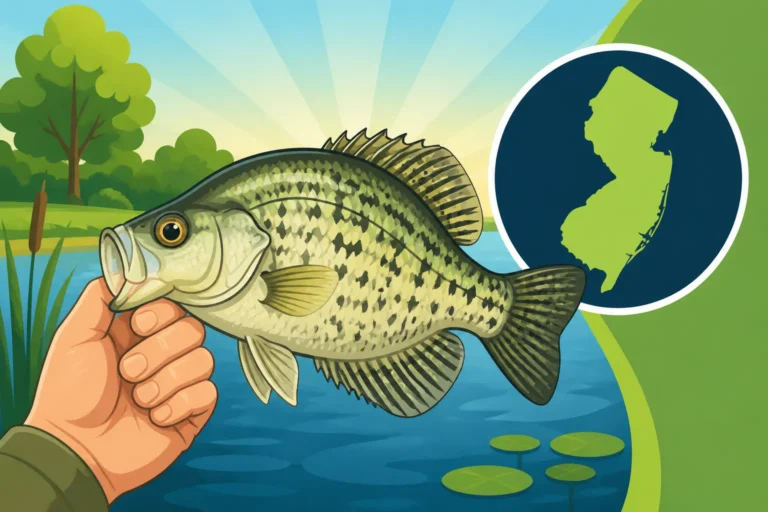
- Panfish (Crappie, Bluegill, Perch): These smaller, abundant fish are often the first species new anglers or children catch, making them foundational to many fishing memories. They provide consistent action and are found in nearly every freshwater system. However, their smaller size and commonality often mean they don't carry the symbolic weight desired for a state emblem.
These species are vital to New Jersey's freshwater fishing scene, providing countless hours of enjoyment, but they lack the unique "native-only" status and environmental indicator role that elevated the brook trout.
Saltwater Stars
New Jersey is synonymous with its coastline, and naturally, some truly legendary saltwater fish are iconic figures in their own right.
- Striped Bass: If you ask a non-angler from New Jersey about a famous fish, the striped bass would likely be the top answer. This magnificent migratory fish draws anglers from all over during its spring and fall runs along the Jersey Shore. Known for its size, strength, and delectable flesh, the "striper" is a true game fish, caught from boats, kayaks, and the surf. Its popularity is immense, but it's a coastal, migratory species, distinct from the freshwater, stream-dwelling nature often associated with a state's "native" symbol. How to Fish for Striped Bass in New Jersey is a popular guide for good reason.
- Fluke (Summer Flounder): Another seasonal favorite, fluke are a prime target for bay and ocean anglers throughout the summer. Their unique camouflage and tasty fillets make them a highly sought-after species. Drift fishing for fluke is a summertime tradition for many families. Like striped bass, they are a saltwater, seasonal species, a different kind of icon than a freshwater native. Learn more about them in Fluke and Summer Flounder Fishing in New Jersey.
- Bluefish: The "chopper" of the sea, bluefish are aggressive, hard-fighting, and can create thrilling blitzes along the coast. While sometimes seen as a nuisance by those targeting other species due to their voracious appetites, they offer fast-paced action. Again, a saltwater, migratory species.
These saltwater species are incredibly important to New Jersey's identity and economy, supporting a massive charter fishing industry and providing incredible recreational opportunities. They represent the vibrant marine ecosystem of our coastline, but the state fish designation often leans towards a more geographically central or historically pure representation of the state's natural resources. Why Does New Jersey Require Saltwater Registration Separately From a License? explains more about how we manage our saltwater fisheries.
The Unique Appeal of the Brook Trout
So, despite the immense popularity and economic importance of species like the striped bass or largemouth bass, the brook trout ultimately secured the title. Its appeal lies in its authenticity and its role as a natural barometer. It is the only trout species truly native to New Jersey, an indigenous inhabitant that has graced our streams for millennia. Its presence signifies clean, cold water—a symbol of environmental health and natural heritage that transcends mere angling popularity.
The brook trout represents the wild spirit of New Jersey, the hidden pockets of wilderness where nature thrives untouched. It calls us to protect these precious places, reminding us that even in a highly developed state, there are delicate ecosystems that need our care. For many, catching a wild brook trout isn't just about the fight, but about connecting with a living piece of New Jersey's past and future, a vibrant jewel in the crown of our state's diverse aquatic life.
Disclaimer
This article is for general informational purposes only and does not constitute professional advice. Laws, prices and regulations vary by location and change over time. Consult a qualified professional for guidance on your specific situation.