What Do Channel Catfish Eat?
One of the biggest mysteries for any angler, especially when targeting a specific species, is figuring out what's on the menu for our finned friends. When it comes to channel catfish in New Jersey, people often get stumped, thinking these whiskered bottom-dwellers only eat "stinky stuff." But the truth is, channel cats are incredibly opportunistic eaters with a surprisingly varied diet, and understanding their preferences is key to filling your cooler. This guide is here to unravel the feeding habits of channel catfish, from what they naturally forage for to the best baits and techniques to use right here in our New Jersey waters.
The Opportunistic Eater: Understanding Channel Catfish Foraging Habits
Channel catfish aren't picky eaters, and that's precisely what makes them so much fun to fish for! They're survivors, thriving in a huge range of environments, from the slow, muddy rivers of South Jersey to the deeper, clearer lakes up north. Their adaptability extends directly to their diet, which shifts based on what's readily available and easy to catch. They are true generalists, which means they'll gobble down almost anything that fits in their mouth and looks remotely edible. This isn't just about being hungry; it's a survival strategy that has made them one of New Jersey's most widespread and successful freshwater fish.
Natural Diet in New Jersey Waters
In their natural New Jersey habitats, channel catfish are essentially the clean-up crew of the aquatic world. They're omnivores, meaning they consume both plant and animal matter, and they're not above scavenging. You'll find them rooting around on the bottom, using those sensitive barbels (whiskers) to detect food by touch and smell in murky waters or at night.
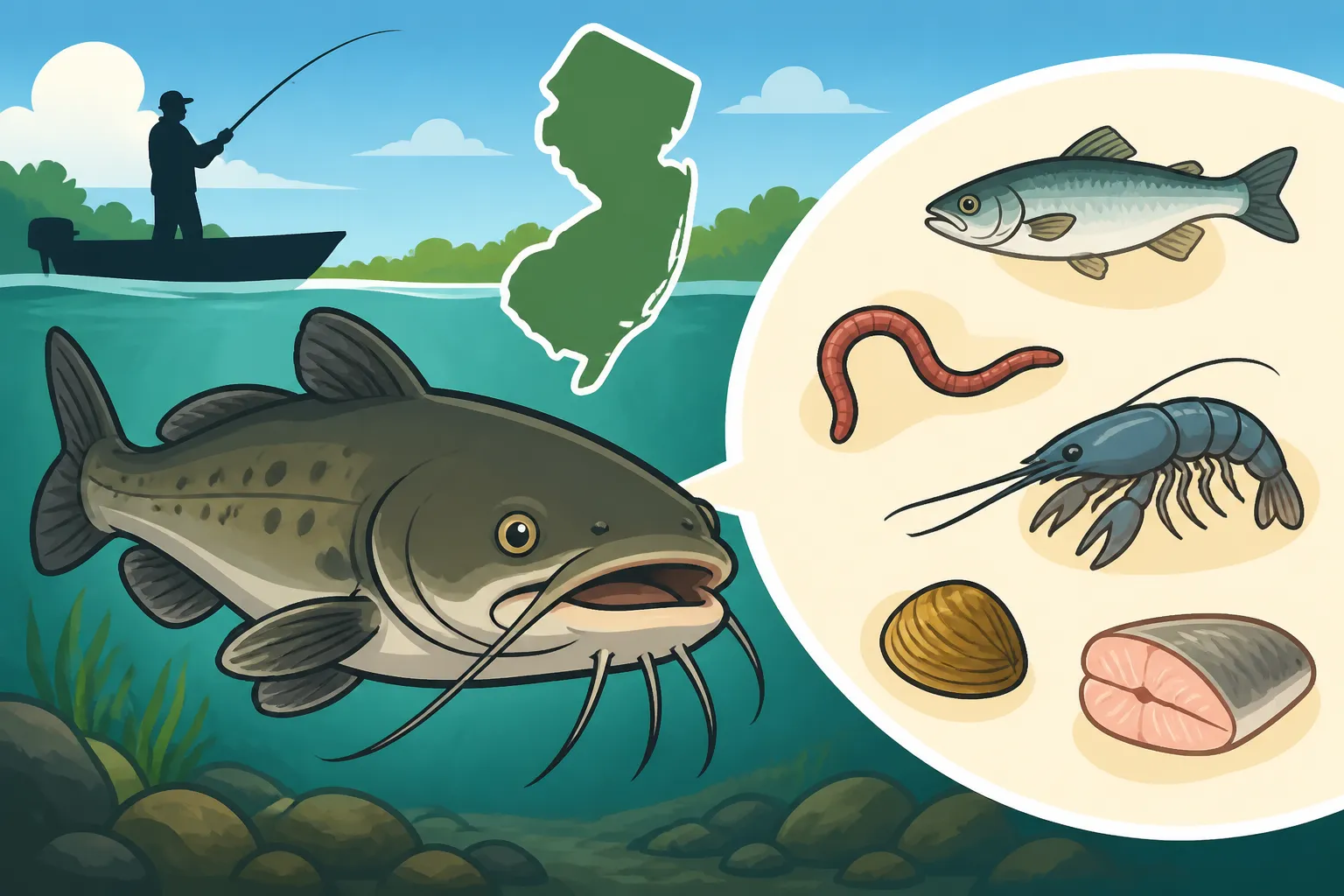
Their diet can include a wide array of items. Small fish, like juvenile sunfish, shiners, or even slower-moving baitfish, are a common meal. They'll actively hunt these, especially in low light conditions. Insects, both aquatic larvae and those that fall into the water from overhanging branches, are also on the menu. Crayfish and other small crustaceans are a particular favorite, offering a crunchy, protein-rich snack. But it doesn't stop there. Channel cats will readily consume decaying organic matter, such as dead fish or insects, which is why "stink baits" are so effective. They'll also graze on plant material, algae, and even seeds or berries that drop into the water. In essence, if it's in the water and edible, a channel catfish has probably tried it. For a broader understanding of the species, check out our New Jersey Catfish Species Guide.
Environmental Factors Affecting Diet
Just like us, channel catfish don't eat the same thing, or the same amount, every single day. Their feeding habits are heavily influenced by environmental factors unique to New Jersey's varied waterways. Water temperature is a huge one. In the warmer months of summer, when their metabolism is soaring, they're much more active and need a lot of food. This is when they'll aggressively chase baitfish and really go after scent-heavy offerings.
Conversely, as the water cools down in the fall and especially into winter, their metabolism slows significantly. They become less active, their digestion becomes sluggish, and they don't need to eat as much. They might still feed, but it's often more sporadic and less energetic. The availability of food also plays a massive role. In a lake teeming with baitfish, they might lean more towards a piscivorous (fish-eating) diet. In a river with abundant insect hatches, insects might become a primary food source. Heavy rains can wash terrestrial insects and worms into the water, providing a temporary buffet. Understanding these shifts helps you choose the right bait at the right time. For example, knowing How Many Fishing Rods Can You Use at Once in New Jersey? can help you maximize your chances by deploying different baits.
Popular Baits and Lures for Channel Catfish in New Jersey
Given their diverse natural diet, it's no surprise that channel catfish respond to a wide array of baits. Anglers often experiment, but there are some tried-and-true favorites that consistently produce results across New Jersey. The key is to appeal to their strong sense of smell and their opportunistic nature. They aren't generally sight-feeders, especially in murky water or at night, so scent is paramount.
The Best Natural Baits
When it comes to natural baits, you've got a fantastic selection for channel catfish. These are often the most effective because they mimic something a catfish would naturally encounter or are packed with the pungent smells catfish love.
- Worms (Nightcrawlers, Red Worms): A classic for a reason! Worms are universally appealing and readily available. They wiggle, create scent, and are a natural food source for many freshwater species, including channel cats. A big ball of nightcrawlers on a hook is tough for any catfish to resist.
- Cut Bait (Bunker, Herring, Shad): This is a top-tier choice, especially for larger channel catfish. Cut bait, particularly oily fish like bunker (menhaden), herring, or shad, releases a powerful scent trail that catfish can detect from a considerable distance. Fresh cut bait is always best. Just slice a baitfish into chunks, leaving the skin on for durability. You can find excellent bait knives and tackle organizers for your cut bait endeavors on Amazon.
- Chicken Liver: Perhaps the quintessential catfish bait! Chicken liver is incredibly soft, bloody, and pungent – everything a channel cat loves. It’s cheap and easy to find, but it can be a challenge to keep on the hook. Many anglers will wrap it in a small piece of nylon stocking or mesh to help it stay put.
- Shrimp: Raw shrimp, especially those that are slightly older and have developed a stronger odor, can be very effective. It’s packed with scent and protein. You can use whole peeled shrimp or cut larger ones into pieces.
- Corn: Surprisingly, corn works! While not a primary natural food, channel catfish are opportunistic, and corn is a sweet, easily digestible snack. It’s often used in conjunction with other baits or as part of a chumming strategy. It's particularly popular in pressured waters where fish might be wary of traditional baits.
- Hot Dogs: Yes, you read that right. Cut-up hot dogs, particularly those with a stronger scent, can attract channel cats. They're soft, easy to bait, and release a decent scent profile. It's a convenient option if you're in a pinch.
- Marshmallows: Another unexpected but effective bait, especially if you're targeting catfish that are accustomed to human interference or you want something that floats a bit. They absorb scents well and can be soaked in various flavored oils.
Choosing the right bait can make all the difference. For more ideas on what tempts these fish, check out Best Bait for Channel Catfish.
Artificial Lures and Prepared Baits
While natural baits often reign supreme, there's a huge market for prepared baits and even some artificial lures that can trick a channel cat. These are designed to maximize scent dispersal and sometimes convenience.
- Stink Baits: These are specially formulated dough baits or dip baits designed to have an incredibly strong, often foul, odor. They come in various consistencies, from soft doughs that you mold around a treble hook or specialized "worm" to thick liquids that you "dip" a sponge or tube bait into. Popular brands focus on ingredients like cheese, blood, and decaying meat to create an irresistible aroma. A quick search on Amazon will show you a vast array of options from different manufacturers.
- Dough Baits/Punch Baits: Similar to stink baits but sometimes less aggressively scented, these are often dense, sticky mixtures that adhere well to a hook. They can be homemade with ingredients like flour, cheese, garlic, and even Kool-Aid, or purchased pre-made.
- Pellet Baits: Some catfish farms use pellet feeds, and wild catfish can become accustomed to them. These often contain fish meal and other high-protein ingredients. They are usually fished by soaking them briefly to soften them or by using a "hair rig" to present them.
- Soft Plastics (Scented): While not traditional catfish lures, heavily scented soft plastics (like those used for bass fishing) that resemble worms or small creatures can sometimes entice a bite, especially if they are fished slowly along the bottom and in waters where catfish might be actively hunting. The key is the scent and the slow, bottom-bouncing action.
It's worth noting that while artificial lures that mimic baitfish can work if a channel cat is actively hunting, they are generally less effective than scent-based natural or prepared baits. Catfish rely heavily on their chemoreceptors to find food, making smell and taste far more important than visual appeal.
Here's a quick comparison of some popular baits:
| Bait Type | Pros | Cons | Ideal Conditions |
|---|---|---|---|
| Nightcrawlers | Readily available, natural scent, versatile | Can be picked off by smaller fish, soft | Most conditions, especially rivers/lakes |
| Cut Bait | Strong scent, attracts larger fish | Can be messy, requires fresh baitfish | Warmer water, low light, targeting bigger cats |
| Chicken Liver | Inexpensive, powerful scent | Very soft, difficult to keep on hook, messy | Warm water, murky conditions |
| Stink Baits | Extreme scent, designed for catfish | Can be very messy, specific application (treble/tube) | Warm water, still or slow-moving water |
| Hot Dogs | Convenient, cheap, easy to use | Less potent scent than other baits | Casual fishing, family outings |
| Shrimp | Good natural scent, firm texture | Can be pricey, attracts other species | All conditions, especially for a varied catch |
Seasonal Changes in Channel Catfish Diet
The calendar in New Jersey plays a crucial role in how channel catfish feed. Their metabolism, activity levels, and ultimately, their diet preferences, fluctuate with the changing seasons. Understanding these shifts can give you a significant edge in your angling pursuits.
Spring and Summer Feeding Frenzy
As New Jersey waters begin to warm in the spring, channel catfish emerge from their winter lethargy. Their metabolism kicks into high gear, and they become far more active. This is often when they'll undertake their spawning rituals, which requires a lot of energy. Throughout late spring and all of summer, they enter what can only be described as a feeding frenzy. They need to consume a lot of calories to support their increased activity and growth.
During these warmer months, they are much more likely to actively hunt small fish, crayfish, and any large insects that fall into the water. This is when cut bait, live baitfish (if permitted and legal), and large wads of nightcrawlers are particularly effective. Stink baits also shine in warm water because the higher temperatures help disperse the scent more effectively. You'll find them holding in deeper holes during the heat of the day, but venturing into shallower flats, current breaks, and creek mouths during dawn, dusk, and even overnight. If you're planning a trip during this time, consider How to Catch Catfish After Dark for even better success, as catfish are primarily nocturnal feeders.
Fall and Winter Slowdown
As the vibrant New Jersey foliage gives way to colder temperatures, the aquatic environment undergoes a dramatic change, and so do the catfish. Their metabolism gradually slows down. They become less active, conserving energy for the long, cold winter ahead. While they won't stop eating entirely, their feeding becomes less frequent and often less aggressive.
In the fall, before the water gets truly cold, they might still be putting on weight for winter, and cut bait or large natural offerings can still work well, especially during periods of stable weather. As winter sets in and water temperatures drop significantly, channel catfish retreat to deeper, more stable water, often congregating in holes or near other structure. They might pick at smaller, less energetically demanding meals. Worms or even corn might tempt a lethargic catfish, but generally, the bites will be fewer and far between. Ice fishing for catfish in New Jersey is possible, but it requires patience and a good understanding of where these fish will hold. When targeting these deeper holding areas, you might also find other species. For instance, Fishing Mercer Lake for Bass and Catfish is a great spot to try for both.
Locating Catfish and Presenting Baits for Success
Knowing what channel catfish eat is only half the battle; the other half is knowing where to find them and how to present your chosen bait effectively. Channel cats are bottom-dwellers by nature, but they aren't glued to the deepest part of the lake or river. They actively seek out areas where food is abundant and they feel secure.
Prime Catfish Hangouts in New Jersey
When you're out fishing in New Jersey, keep an eye out for these key features that often attract channel catfish:
- Deep Holes and Channels: In rivers and lakes, these are natural holding areas, especially during the day or in colder months. Catfish will retreat to these deeper pockets to escape bright light and find stable temperatures.
- Current Breaks: In rivers, any feature that breaks the current, like fallen trees, large rocks, bridge pilings, or bends in the river, creates slack water where catfish can rest out of the main flow and ambush food that drifts by.
- Structure: Submerged logs, rock piles, brush, and old tires (unfortunately!) provide cover and attract baitfish, which in turn attracts catfish. They love to hide in and around these features.
- Inflows and Outflows: Areas where smaller creeks or streams enter a larger body of water can be excellent, as these inflows often carry natural food sources like insects and worms into the main waterway.
- Weed Edges: While not typically found in dense weeds, catfish will cruise the edges of weed lines, especially at night, looking for baitfish or crustaceans hiding within.
- Muddy Bottoms: Catfish use their barbels to "taste" the bottom for food, and muddy or soft bottoms are often rich in organic matter and insect larvae, making them prime foraging grounds.
Specific locations across New Jersey are known for their catfish populations. For example, Fishing Assunpink Lake for Bass and Catfish and Union Lake Catfish Fishing Conditions are well-known spots where you might have success.
Rigging and Presentation Techniques
Presenting your bait correctly is crucial. You want to keep your bait near the bottom where catfish primarily feed, and ensure it's accessible and appealing.
-
Bottom Rigs: The most common setup is a simple bottom rig.
- Carolina Rig: This involves a sliding sinker (egg sinker or bullet sinker) above a swivel, followed by a leader (1-3 feet of monofilament or fluorocarbon) and then your hook. The sliding sinker allows the fish to pick up the bait without feeling the weight, making it a very natural presentation.
- Santee Cooper Rig: A variation of the Carolina rig, this adds a small float on the leader, just above the hook. This lifts your bait slightly off the bottom, keeping it visible above weeds or debris and making it more appealing. You can find components for these rigs readily on Amazon.
- Three-Way Swivel Rig: This rig uses a three-way swivel, with one eye for your main line, one for a short leader to a sinker (often a pyramid or bell sinker), and one for a leader to your hook. It's great for keeping your bait stationary in current.
-
Hook Choice: Circle hooks are highly recommended for catfish. They are designed to hook the fish in the corner of its mouth, significantly reducing gut-hooking and making catch-and-release much safer for the fish. Sizes 2/0 to 8/0 are common, depending on the size of your bait and target fish.
-
Casting and Waiting: Once your rig is set, cast it out to a promising area. The key with catfish is patience. Let the bait sit for a good while, allowing the scent to disperse. Catfish often mouth the bait before fully committing, so don't be too quick to set the hook on every tap. With circle hooks, you typically just reel down until the line tightens, and the hook will set itself.
-
Chumming: For a truly enhanced fishing experience, consider chumming. This involves introducing small amounts of attractive food into the water to draw catfish to your area. Chopped up bunker, a mix of oats and corn, or commercial catfish chum can work wonders. Just be sure to check New Jersey's regulations on chumming, as rules can vary.
Remember, adapting your approach based on the conditions and the specific New Jersey waterway you're fishing is always the best strategy for success. Understanding what motivates these whiskered bottom-feeders will undoubtedly lead to more bent rods and memorable days on the water.
Disclaimer
This article is for general informational purposes only and does not constitute professional advice. Laws, prices and regulations vary by location and change over time. Consult a qualified professional for guidance on your specific situation.