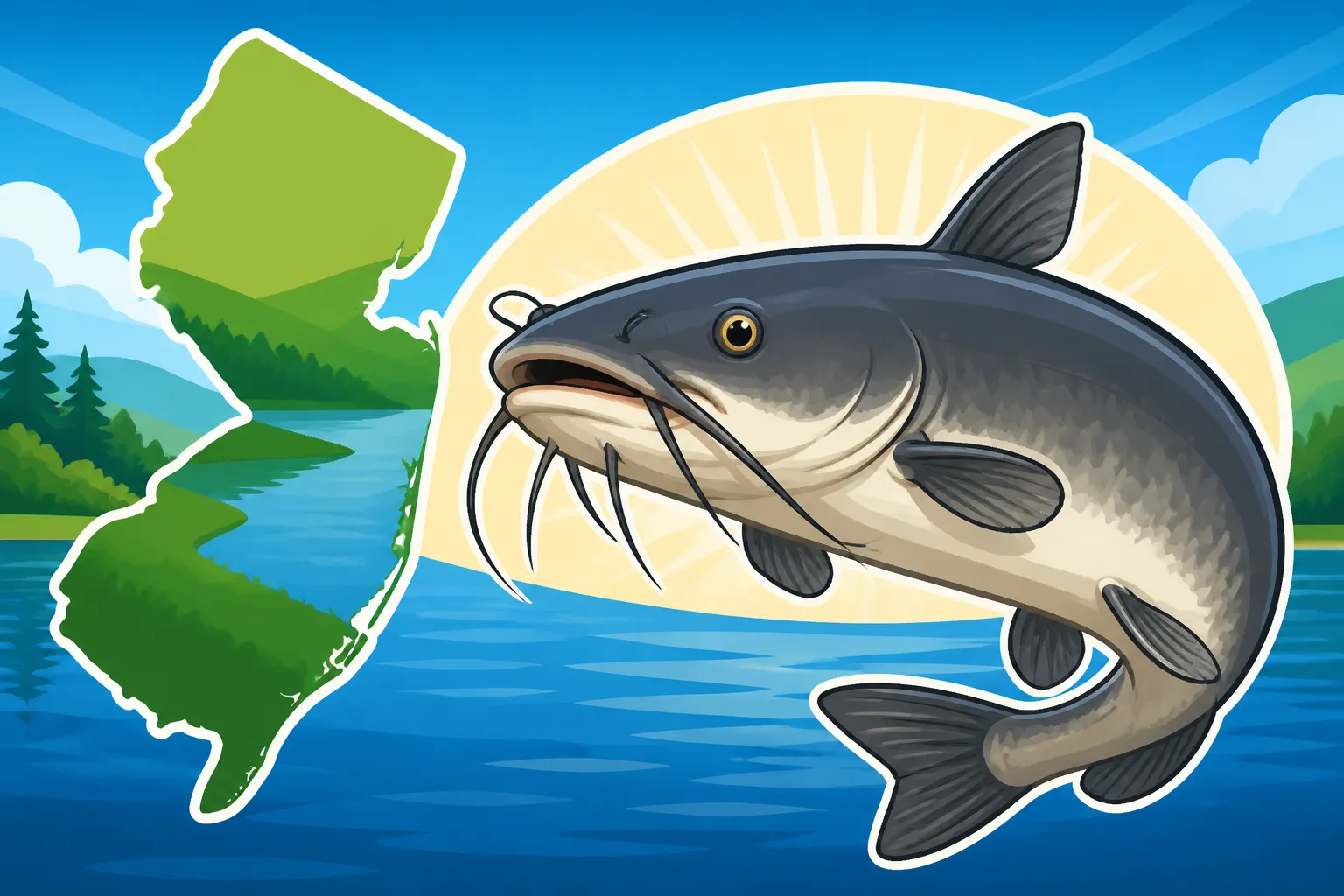
Typical Size of a Channel Catfish in New Jersey Lakes
One of the most satisfying parts of fishing in New Jersey's freshwater lakes and ponds is the anticipation of what's on the end of your line, especially when targeting robust species like channel catfish. Many anglers, myself included, often wonder what a "typical" channel catfish looks like in our local waters – what length and weight should you expect, and what makes some waters produce bigger fish than others? This guide aims to shed light on the average sizes you can expect and what factors contribute to a channel catfish's growth in the Garden State.
What Influences Channel Catfish Size in New Jersey?
Channel catfish are resilient and adaptable fish, thriving in a variety of freshwater environments across New Jersey. However, not all catfish grow to the same impressive dimensions. Their size is a complex puzzle influenced by a combination of biological and environmental factors. Understanding these elements can not only help you manage your expectations but also guide you to waters where you might encounter bigger fish.
Age and Genetics
Just like any living creature, a channel catfish's potential for growth is fundamentally tied to its age and genetic makeup. A younger fish, no matter how healthy, simply hasn't had the time to pack on significant weight or length. Most channel catfish in New Jersey waters will show a steady growth pattern for their first few years, becoming respectable fighting fish within 3-5 years. The truly large, "trophy" sized catfish are often much older, sometimes reaching 10-15 years or more in age. Their genes also play a role; some catfish simply have the genetic predisposition to grow larger and faster than others, even under identical conditions. This is why you might find a particular lake consistently produces larger fish—it could be a combination of good genetics in the population and excellent growing conditions.
Food Availability and Quality
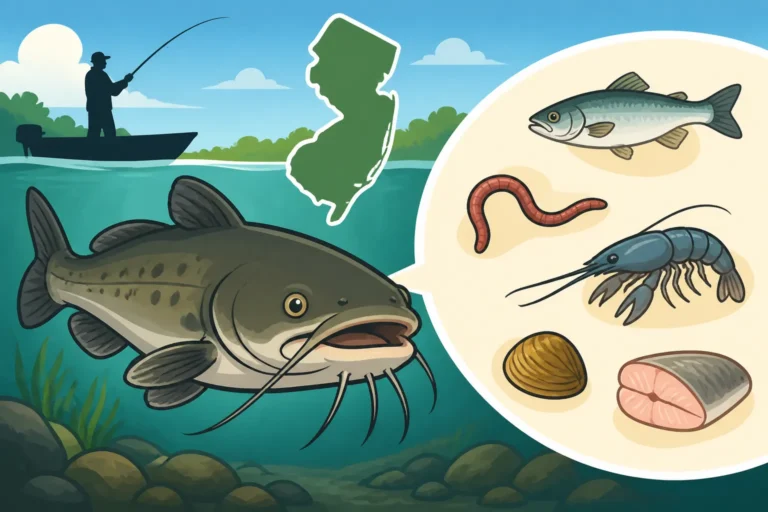
A catfish's diet is paramount to its growth. Channel catfish are opportunistic feeders, meaning they'll eat just about anything they can get their mouths around, from insects and small fish to crayfish, mollusks, and even plant matter. Lakes or rivers with an abundant and diverse food supply will naturally support larger, healthier catfish populations. If a water body has a thriving population of baitfish like shad or sunfish, or plenty of bottom-dwelling invertebrates, the catfish living there will have a better chance of reaching impressive sizes. Conversely, in waters where food is scarce or of poor nutritional quality, even older catfish might appear stunted or leaner. Anglers often notice this difference when fishing two seemingly similar lakes; one might yield fat, robust catfish, while the other consistently produces thinner fish of the same length.
Water Quality and Habitat
The health of a channel catfish is directly linked to the health of its environment. Good water quality, characterized by appropriate oxygen levels, stable temperatures, and minimal pollution, is crucial for fish to thrive and grow. New Jersey's diverse waterways, from the clean reservoirs of the north to the slower-moving rivers and lakes in the south, offer varying conditions. Catfish also need suitable habitat—areas with deeper holes, submerged cover like logs or weed beds, and soft, muddy bottoms where they can scavenge for food and seek refuge. Lakes with diverse structure and ample cover tend to hold more catfish, and often bigger ones, because they provide both protection and prime feeding grounds. A well-oxygenated, structurally complex lake provides the perfect nursery and feeding ground for catfish to mature.
Fishing Pressure and Regulation
Fishing pressure can also impact the average size of fish in a particular lake. In heavily fished waters, larger, older fish are often removed from the population more frequently. This can leave a younger, smaller average size class in their place. While channel catfish aren't typically subjected to strict size or bag limits like some game fish in New Jersey, heavy catch-and-keep practices, especially in smaller ponds, can reduce the number of individuals that live long enough to become true giants. Conversely, waters that are less accessible or less popular among anglers might retain more of their older, larger fish, offering a better chance at a trophy catch.
The "Typical" Channel Catfish in New Jersey Waters
When we talk about the "typical" size of a channel catfish in New Jersey, we're really looking at what an average angler is most likely to encounter on a regular fishing trip, rather than the absolute largest specimens or the smallest juveniles. It's about setting realistic expectations and understanding the general range of what you might pull from our lakes and ponds.
Average Length and Weight Ranges
For most of New Jersey's publicly accessible lakes, ponds, and slower-moving rivers, a "typical" channel catfish you'll catch will likely fall into the 16 to 24-inch range. Fish in this range generally weigh anywhere from 2 to 6 pounds. These are healthy, strong fighting fish that offer a fantastic angling experience. You might occasionally hook into something a little smaller, especially if you're targeting specific areas with younger populations, or sometimes a bit larger, pushing closer to the 8-10 pound mark. These aren't just statistics; they represent the majority of the channel catfish population you'll encounter on a normal outing. They're big enough to put a good bend in your rod and require a decent fight, making them a favorite among many anglers.
What Anglers Most Often Encounter
Most anglers targeting channel catfish in New Jersey will find themselves catching fish that fit squarely within that 2 to 6-pound bracket. These are the workhorse catfish of our waters, abundant and willing to bite. They're often found in community ponds, larger state park lakes like Mercer Lake, or even some sections of the Delaware River. While everyone dreams of landing a monster, the reality is that the vast majority of your catches will be these solid, mid-sized fish. This is actually a good thing! It means the population is healthy and there are plenty of fish to go around. When you're gearing up, you'll want tackle that can handle these robust fighters – think a medium to medium-heavy spinning or baitcasting combo with 10-20 pound test line. You can find reliable options for heavier lines on Amazon to ensure you're ready for whatever bites.
Factors Affecting "Typical" Size by Water Body
It's important to remember that "typical" can vary significantly from one New Jersey water body to another. A small, heavily fished community pond might have a "typical" catfish that's closer to 1-3 pounds, simply because the larger, older fish have been caught out, or the limited food resources prevent extensive growth. Conversely, a large reservoir like Assunpink Lake or Union Lake, with expansive areas, abundant food, and potentially less consistent pressure, could have a "typical" size that leans towards the upper end of that 6-pound scale, or even higher. It really pays to do a little research on the specific lake you plan to fish. Often, speaking to local bait shop owners or checking online fishing forums can give you a better idea of what to expect from a particular spot. For more general information on where to find them, check out our guide on Where to Catch Catfish in New Jersey.
Here's a quick comparison of what you might expect in different types of New Jersey waters:
| Water Body Type | Typical Length Range (inches) | Typical Weight Range (pounds) | Factors Influencing Size |
|---|---|---|---|
| Small Community Ponds | 12-20 | 1-3 | High fishing pressure, limited food, smaller habitat |
| Medium Lakes | 16-24 | 2-6 | Moderate pressure, good food, decent habitat diversity |
| Large Reservoirs/Rivers | 20-30+ | 4-10+ | Lower pressure, abundant food, diverse, deep habitat |
Where the Big Ones Hide: New Jersey's Trophy Catfish Potential
While most of your channel catfish catches in New Jersey will fall within that solid "typical" range, the thrill of landing a truly colossal catfish is what keeps many anglers coming back. New Jersey definitely has the potential for trophy-sized channel catfish, fish that push the double-digit mark in weight and can test the limits of your tackle.
Lakes Known for Larger Specimens
Certain lakes in New Jersey have a reputation for producing bigger channel catfish. These are often larger bodies of water with deep areas, extensive forage bases, and sometimes less direct fishing pressure or specific management strategies that allow fish to grow older and larger. Some notable examples include:
- Union Lake (Millville, Cumberland County): This expansive lake is often mentioned when discussing large catfish. Its size and diverse habitat support a healthy population, with many anglers reporting catches in the 8-15 pound range.
- Assunpink Lake (Robbinsville, Mercer County): Part of the Assunpink Wildlife Management Area, this lake is known for its robust bass and catfish populations. The availability of diverse forage helps these catfish grow to impressive sizes.
- Mercer Lake (West Windsor Township, Mercer County): A popular spot for various species, Mercer Lake can yield some substantial channel catfish, particularly for those who fish the deeper channels.
- Delaware River: While technically a river, sections of the Delaware bordering New Jersey are prime catfish territory, with an endless food supply and deep pockets where large channels can thrive.
These locations, among others, offer a real chance to tangle with a channel catfish that goes well beyond the "typical" size. Just remember, patience and persistence are key when targeting these larger, more elusive fish. You might also find some great info in our New Jersey Catfish Species Guide if you're looking for more details on these whiskered giants.
Understanding the State Record
The New Jersey state record for channel catfish stands as a testament to the immense potential of our waters. While I can't give you the exact, current record weight or the year it was caught (you'd need to check the New Jersey Fish and Wildlife website for the most up-to-date official figures!), it's important to understand that such a fish is truly exceptional. The record fish represents a unique combination of ideal genetics, optimal environmental conditions, abundant food, and a long lifespan—plus a very lucky angler! It serves as a benchmark, inspiring others to keep casting, knowing that a true giant might be out there. Every angler hopes to break the state record, and while it's a long shot, understanding the factors that lead to such a massive fish can help you in your own pursuit of larger catfish. For the official numbers, always refer to the New Jersey Division of Fish and Wildlife website or the current Reading the New Jersey Fish and Wildlife Digest.
Tips for Targeting Bigger Catfish
If you're specifically aiming for those bigger, trophy-sized channel catfish in New Jersey, you'll need to adjust your approach a bit. These older, wiser fish didn't get big by being careless.
- Go Big on Bait: Forget the small worms. Large channel catfish are looking for a substantial meal. Think whole or cut baitfish (like bunker or herring), large pieces of chicken liver, substantial chunks of nightcrawlers, or even prepared stink baits designed for big cats. You can find a wide variety of effective catfishing baits on Amazon.
- Fish Deeper and Near Structure: Big catfish often prefer deeper holes, submerged logs, rock piles, or dense weed beds where they can ambush prey and feel secure. Use a fish finder if you have one, or simply look for abrupt changes in depth or visible cover.
- Night Fishing is Key: Catfish are often more active feeders during low light conditions or at night. The cover of darkness gives them confidence to move into shallower areas to feed. Our guide on How to Catch Catfish After Dark has some great tips for this.
- Heavy Tackle is a Must: You'll need a stout rod, a reel with a smooth drag, and stronger line (20-30 pound test monofilament or braided line) to handle the fight and potential snags. A heavy-duty circle hook is also crucial for better hookups and fish safety.
- Patience and Persistence: Trophy fishing isn't about constant action; it's about waiting for that one big bite. Be prepared to sit for extended periods, especially at prime times.
Catching and Releasing Channel Catfish Responsibly
Whether you're after a meal or just the thrill of the fight, responsible angling practices are essential for the health of New Jersey's channel catfish populations. Even if you plan to keep your catch, knowing how to handle fish properly benefits everyone and ensures these whiskered fighters remain abundant for years to come.
Safe Handling Practices
Channel catfish, especially larger ones, can be quite feisty. Their dorsal and pectoral fins have sharp, serrated spines that can inflict a painful poke if you're not careful. When handling a catfish, especially for a photo or release:
- Use a Net: A rubberized landing net is ideal. It helps subdue the fish without removing its protective slime coat.
- Gripping the Fish: The safest way to hold a channel catfish is by gripping it firmly behind the pectoral spines, with your thumb and forefinger pressing down on the top of the head behind the dorsal fin spine. Be mindful of their mouths, as larger ones can have a surprising bite, though not typically sharp teeth.
- Minimize Out-of-Water Time: If you plan to release the fish, get your photos quickly and return it to the water as soon as possible. Prolonged exposure to air is stressful for fish.
- Wet Hands: Always wet your hands before touching any fish to minimize removing their protective slime layer, which defends against disease.
- Remove Hooks Carefully: Use a de-hooking tool or needle-nose pliers to quickly remove the hook. If the fish is deeply hooked, it's often best to cut the line as close to the hook as possible.
These practices contribute to the survival rate of released fish, aligning with general Catch and Release Rules in New Jersey.
Equipment Considerations
Having the right gear isn't just about catching fish; it's also about handling them responsibly.
- Stronger Rod and Reel: As mentioned, a medium-heavy to heavy rod with a matching reel is necessary for larger catfish. This allows you to land the fish quickly, minimizing its stress and exhaustion.
- Appropriate Line: Don't skimp on line strength. A heavier mono or braid (20-30 lb test) helps prevent break-offs, which can leave hooks and line in the water, potentially harming other wildlife.
- Circle Hooks: Circle hooks are highly recommended for channel catfish. They are designed to hook in the corner of the fish's mouth, rather than deep in the gullet, significantly reducing gut-hooking and improving the survival rate of released fish. This is especially important if you're practicing catch and release. You can find various sizes of quality circle hooks on Amazon suitable for catfish.
- Landing Net: A good-sized net is invaluable, not just for landing but also for containing the fish momentarily while you prepare for release or measurement.
- Pliers/De-hooker: Essential for quick and safe hook removal.
The Role of Conservation
Every angler plays a role in conservation. By understanding the typical size of channel catfish in New Jersey and practicing responsible angling, we contribute to the long-term health of our fisheries. Whether you're targeting big cats in Union Lake or enjoying a relaxing afternoon at a local pond, remember that proper handling, adhering to regulations (even if they're minimal for catfish), and reporting any unusual observations helps protect these valuable resources. New Jersey's waters are a gift, and it's up to all of us to ensure they remain vibrant for generations of anglers to come. Always consult the most current New Jersey Freshwater Fishing Regulations Every Angler Should Know before heading out.
Disclaimer
This article is for general informational purposes only and does not constitute professional advice. Laws, prices and regulations vary by location and change over time. Consult a qualified professional for guidance on your specific situation.