What Is the New Jersey Smallmouth Bass State Record?
For many New Jersey anglers, the quest for a trophy smallmouth bass is a lifelong pursuit, filled with exhilarating battles and the hope of landing a true giant. There's nothing quite like the powerful fight of a smallmouth, especially when you think you might have a state record contender on the end of your line. This guide will dive deep into the legendary New Jersey Smallmouth Bass State Record, exploring the details of this magnificent catch and what it takes to pursue such a formidable fish in our local waters.
The Legendary New Jersey Smallmouth Bass State Record
Let's get right to it – the smallmouth bass state record in New Jersey is an impressive one, a testament to the robust fisheries we have. This record stands as a benchmark for every angler dreaming of that once-in-a-lifetime catch. It represents a fish of truly remarkable size, showcasing the potential for smallmouth to grow into absolute monsters in the right conditions.
The Record-Holding Catch
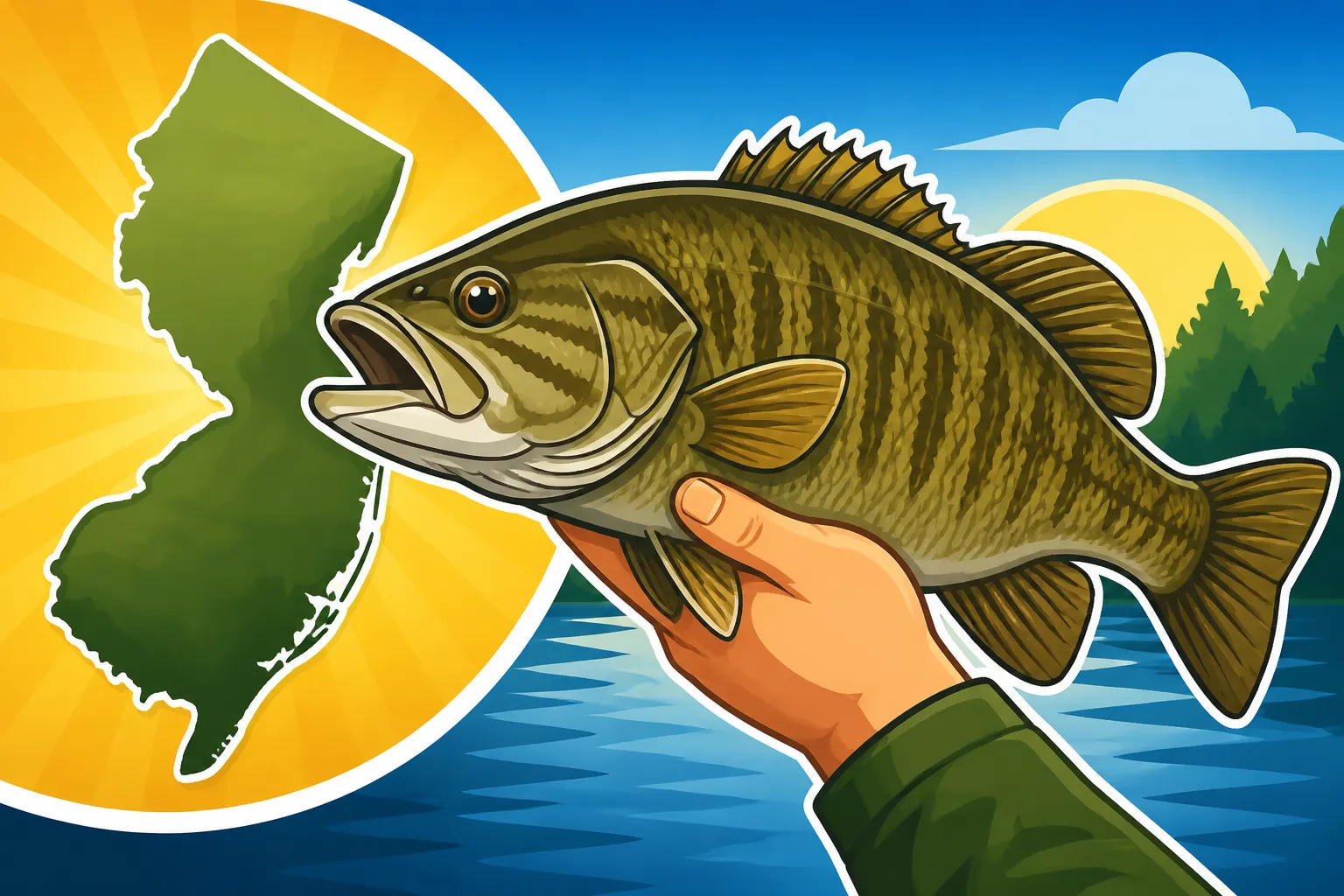
The official New Jersey Smallmouth Bass State Record is held by a fish weighing 7 pounds, 2 ounces. This magnificent specimen was caught by angler Mike Zisa, and it's a catch that resonates with smallmouth enthusiasts across the state. Landing a fish of this caliber requires skill, patience, and a bit of luck, proving that New Jersey's waters can indeed produce world-class smallmouth. It wasn't just about the weight; the fish’s sheer power and size would have been unforgettable. Anglers often dream of breaking a record, and Mike Zisa certainly lived that dream, etching his name into the annals of New Jersey fishing history with this incredible smallmouth. It's a true inspiration for anyone who loves chasing these bronzeback beauties.
Where Record Smallmouth Bass Lurk
While the specific location of the record catch is often kept somewhat hush-hush by anglers (and understandably so!), it's widely known that New Jersey offers prime habitat for big smallmouth bass. The kind of water that produces a state record is typically rich in forage, has ample structure for ambush points, and often boasts cooler, clearer conditions. Think about large reservoirs, deep lakes, and significant river systems with rocky bottoms and swift currents. These environments provide the perfect blend of food, cover, and oxygenation for smallmouth to thrive and grow to exceptional sizes. Many anglers will spend years exploring these types of waters, honing their craft, all in the hopes of one day tying into a similar caliber fish. The excitement of fishing these areas, knowing a record could be lurking, is what keeps many of us coming back.
Characteristics of a Trophy Smallmouth Bass
What makes a smallmouth bass a true trophy, beyond just its weight? It’s a combination of factors, from its physical attributes to the sheer challenge it presents to anglers. Understanding these characteristics can help you appreciate the state record even more and give you an edge in your own pursuit of big bronzebacks.
Identifying a Large Smallmouth
Trophy smallmouth bass are instantly recognizable. They typically have a more streamlined, torpedo-shaped body compared to their largemouth cousins, designed for power and agility in current. Their coloration can vary, from a bronze-green to dark brown on the back, fading to a creamy white belly, often with vertical bars or mottling along their sides that act as camouflage. The key identifier, of course, is the mouth: when closed, the upper jaw of a smallmouth does not extend beyond the back of the eye, unlike a largemouth. A 7-pound smallmouth, like the state record, would have an incredibly thick body, a broad tail, and a powerful demeanor. Their dorsal and anal fins would be prominent, and their eyes often appear larger, giving them an almost aggressive look.
| Feature | Smallmouth Bass | Largemouth Bass |
|---|---|---|
| Upper Jaw | Does not extend beyond back of eye when closed | Extends beyond back of eye when closed |
| Body Shape | More streamlined, torpedo-shaped | More stout, oval-shaped |
| Coloration | Bronze to brown, vertical bars, mottled | Green to olive, distinct dark horizontal stripe |
| Habitat | Cooler, clearer, rocky lakes and rivers, currents | Warmer, often weedy lakes and ponds, still water |
| Dorsal Fins | Joined, but appear nearly separate | Deep notch, almost two separate fins |
| Fight Style | Jumps, strong runs, deep dives | Strong initial pull, often dives into cover |
Habitat Preferences of Giant Smallmouth
Big smallmouth bass thrive in very specific environments within New Jersey. They prefer cooler, clear water with plenty of oxygen and a rocky substrate. Think about areas with large boulders, submerged ledges, gravel beds, and scattered woody debris. These features offer excellent ambush points for feeding and protection from predators. Rivers like sections of the Delaware are classic smallmouth havens, where current breaks, riffles, and deep pools create ideal conditions. In lakes and reservoirs, you'll find them concentrating around rocky points, humps, deep drop-offs, and main lake basins, especially where there's current or wind creating baitfish movement. Understanding these preferences is crucial. If you're targeting big smallmouth, you need to be fishing these types of structures and seeking out these pristine water conditions. It’s not just about casting anywhere; it’s about understanding their world. Delaware River Smallmouth Bass Fishing provides more insights into these prime locations.
Chasing Your Own New Jersey Smallmouth Bass Record
While breaking a state record might feel like an insurmountable goal, the pursuit itself is incredibly rewarding. Every time you cast a line in New Jersey's prime smallmouth waters, you have a chance to connect with a fish of a lifetime. The key is to understand their behavior, choose the right gear, and fish the right spots at the right time.
Top Spots for Trophy Smallmouth in New Jersey
New Jersey boasts several locations renowned for producing larger-than-average smallmouth bass. The Delaware River, especially sections with significant current and rocky features, is arguably the state's premier smallmouth destination. Here, anglers frequently encounter strong, healthy bronzebacks. Large, deep reservoirs like Round Valley Reservoir and Merrill Creek Reservoir also hold impressive populations of big smallmouth, often congregating around their extensive rocky structures and deep contours. Even some of the larger northern New Jersey lakes, with their cool, clear waters and ample forage, can yield fantastic smallmouth catches. Researching these bodies of water and studying their underwater topography on charts can significantly increase your chances of finding those elusive trophy fish. It’s all about putting in the time on the water and learning the nuances of each specific fishery. Round Valley Reservoir Smallmouth Bass Fishing and Merrill Creek Reservoir Lake Trout Fishing (which also often holds smallmouth) are great resources to check out.
Gear and Techniques for Big Bronzebacks
To target trophy smallmouth, you need a nuanced approach. For lures, crayfish imitations like jigs with soft plastic trailers or crankbaits that mimic their primary food source are incredibly effective. Tubes, drop shots, and Ned rigs are also deadly, especially when fishing deeper structure or when the bite is tough. For tackle, a sensitive medium-light to medium-heavy spinning rod with a fast action is often preferred, allowing you to feel subtle bites and handle powerful runs. Pairing this with a quality spinning reel spooled with fluorocarbon or braided line with a fluorocarbon leader will give you the sensitivity and strength needed. When it comes to finding the right gear, many anglers find a wide selection of rods, reels, and specialized lures on platforms like Amazon, where reviews can often guide you to proven performers. Always match your lure size to the typical forage in the water you're fishing. Best Lures for Largemouth Bass in Summer Heat might offer some crossover tips for bass in general, though smallmouth often prefer specific presentations.
When it comes to technique, precision casting is paramount. Target current seams, eddy lines, submerged logs, and any significant rock formations. Smallmouth are structure-oriented, so present your lure accurately and work it slowly, allowing it to bump and crawl along the bottom, mimicking a crayfish. Don't be afraid to experiment with retrieve speeds until you find what triggers a strike. In rivers, learning to "read the water" – identifying changes in current and depth – is a skill that will pay dividends. For deeper lakes, using electronics to locate rock piles and humps before dropping a lure can be a game-changer. The challenge and reward of figuring out what these intelligent fish want is what makes smallmouth fishing so addictive.
The Significance of State Records and Validation
State fishing records aren't just about bragging rights; they're an important part of conservation and understanding the health of our fisheries. They provide valuable data on fish growth potential and highlight the success of management efforts. For anglers, breaking a record is the ultimate achievement, a moment that solidifies their place in fishing lore.
How State Records Are Verified
Catching a potential state record isn't enough; it has to go through a rigorous verification process. Typically, the fish must be weighed on a certified scale, like those found at a local butcher shop or post office, to ensure accuracy. The measurement of length and girth is also crucial. The catch often needs to be witnessed by credible individuals, and photographs are usually required to document the catch thoroughly. A representative from the state's fish and wildlife agency will then examine the fish to confirm species identification and verify all documentation. It's a meticulous process designed to maintain the integrity of the record books, ensuring that every record is legitimate. This system ensures fairness and validates the angler's achievement.
The Impact of Record Catches on Conservation
Each state record, whether it's a smallmouth bass or another species, contributes to our collective knowledge of New Jersey's aquatic ecosystems. These catches can prompt biologists to study the specific conditions that allowed a fish to grow so large, potentially leading to better management practices. They also generate excitement and interest in fishing, which in turn can lead to more support for conservation initiatives through license sales and advocacy. The smallmouth bass record serves as a powerful reminder of the incredible natural resources we have in New Jersey and the importance of protecting them for future generations. When you consider the effort, the planning, and the sheer environmental health required to produce such a magnificent fish, you appreciate how truly special it is. Investing in quality gear for your own record pursuit, whether it's a new rod or a specialized reel, can be done efficiently through retailers like Amazon, directly supporting the angling economy that often contributes to conservation funds.
Disclaimer
This article is for general informational purposes only and does not constitute professional advice. Laws, prices and regulations vary by location and change over time. Consult a qualified professional for guidance on your specific situation.