Typical Size of a Yellow Perch
It’s a common experience for anglers in New Jersey, especially those new to freshwater fishing or just starting out with panfish, to wonder about the size of their catch. You hook into something, feel a decent tug, and then pull up a yellow perch that, while pretty, isn't quite the "slab" you might have been dreaming of. This guide is here to set realistic expectations, delve into what influences the typical size of yellow perch across our state's varied waters, and offer tips for those days you really want to chase a bigger one.
What to Expect When Catching Yellow Perch in New Jersey
Yellow perch are a beloved panfish across New Jersey, cherished for their beautiful stripes, feisty fight on light tackle, and delicious flaky meat. But like all fish, their size can vary wildly depending on where you're casting your line. You might pull up a handful of small bait-stealers in one spot, and then hit a honey hole teeming with dinner-plate-sized specimens in another.
The "Average" Yellow Perch in New Jersey
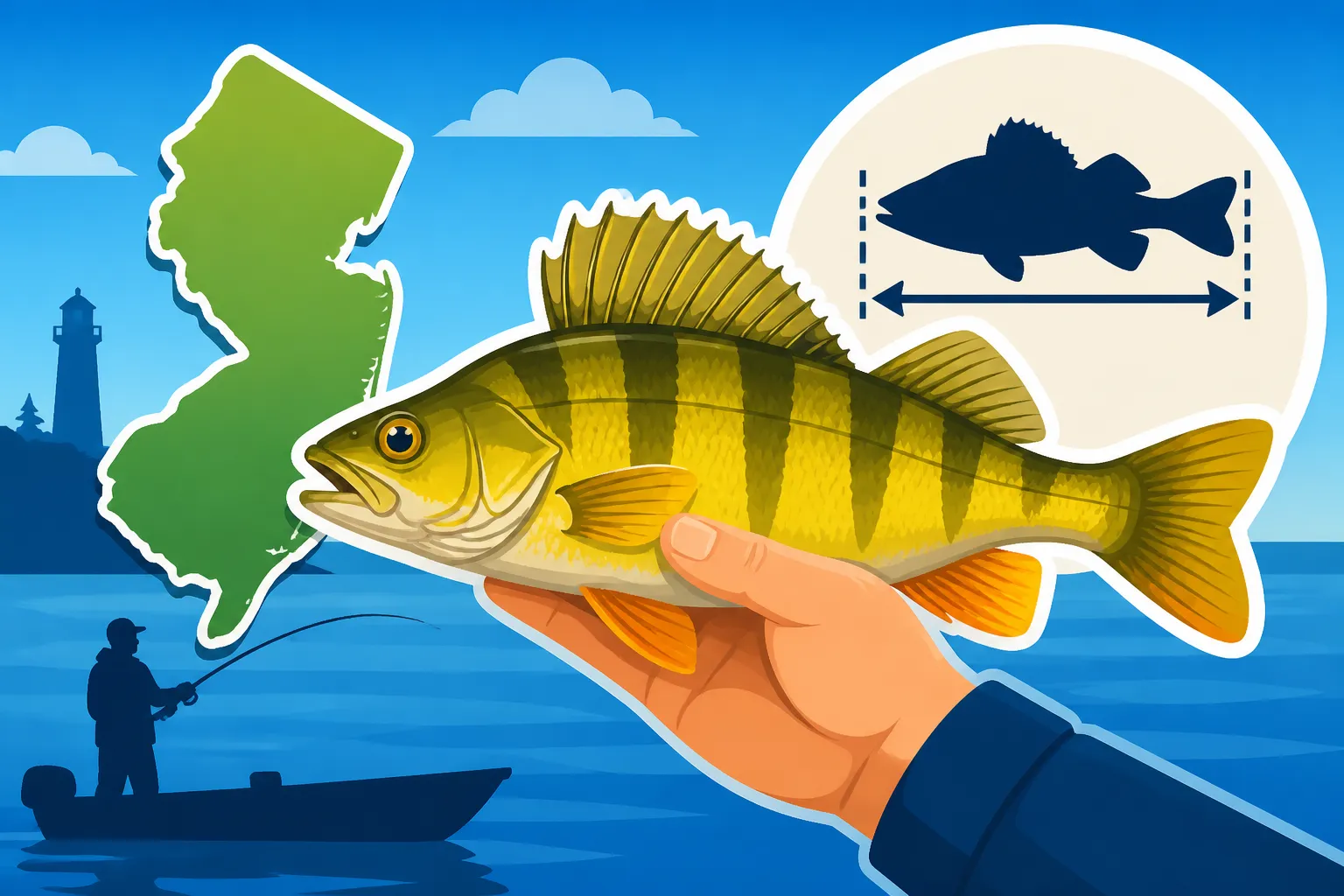
When you're out fishing in many of New Jersey's lakes, ponds, and slower-moving rivers, the "average" yellow perch you're likely to encounter will typically fall into the 6 to 9-inch range. These are the workhorses of the perch world, plentiful and always willing to bite. They're perfect for younger anglers, or for anyone simply looking to bend a rod and enjoy a relaxing day on the water. While they might not set any records, a cooler full of these average-sized perch can still make for a fantastic fish fry, provided you’re within the New Jersey Daily Bag Limits by Species.
Think of it like this: if you're fishing a popular local pond that gets a lot of pressure, or one with an abundance of perch but perhaps not as much prime forage, these 6-9 inchers are your bread and butter. They're robust, active, and a joy to catch on ultralight spinning gear. Don't let their smaller stature fool you; they'll still put up a respectable fight and often bite with an eagerness that can make for a fast-paced day.
When a Perch Feels Like a "Slab"
Now, if you're an experienced perch angler, or you've just been lucky enough to stumble upon a prime population, you know the thrill of hooking into what many call a "slab." These are the yellow perch that stretch the tape to 10 inches and beyond, sometimes even pushing 12 to 14 inches. Catching one of these substantial perch is a truly rewarding experience, offering a much more significant fight and a satisfying amount of meat for the pan.
These larger perch aren't as common as their smaller brethren, but they are certainly out there in various waters across the Garden State. Targeting them often means knowing specific spots, understanding seasonal patterns, and perhaps even adapting your gear or presentation. Many anglers consider a 10-inch perch a "keeper" for dinner, and anything over that size is truly exceptional. It's these "slabs" that really get the adrenaline pumping and make for memorable fishing stories.
The State Record: What's Possible
While most of us will never come close, it's inspiring to know the potential of yellow perch in New Jersey. The state record yellow perch stands at an impressive 2 pounds, 8 ounces. While the exact length isn't always recorded for state records focusing on weight, a fish of that heft would certainly be well over 15 inches, possibly approaching 16 or 17 inches, with a considerable girth.
This record-setting fish reminds us that giants do exist, even among the seemingly humble panfish. It also speaks to the rich biodiversity and potential of New Jersey's freshwater systems. While you might not be chasing a state record on your next outing, knowing it's out there adds an extra layer of excitement and possibility to every cast. It encourages anglers to explore different New Jersey's Best Freshwater Lakes for Fishing and to learn more about the specific conditions that allow fish to grow to such impressive sizes.
Factors Influencing Yellow Perch Size in New Jersey
It’s not just random luck that dictates whether you catch a small perch or a trophy-sized slab. There's a whole ecosystem at play, with several key factors influencing how big a yellow perch can grow in any given New Jersey waterway. Understanding these elements can significantly improve your chances of finding those bigger fish.
Habitat and Water Quality
Just like us, fish thrive in healthy environments. Yellow perch prefer clear, cool waters with plenty of aquatic vegetation, submerged timber, or rocky structures where they can find cover from predators and ambush prey. Lakes and ponds that consistently maintain good water quality – meaning appropriate oxygen levels, minimal pollution, and stable temperatures – are far more likely to produce larger, healthier perch.
In contrast, waters that are shallower, prone to extreme temperature swings, or suffer from poor oxygen levels (especially during hot summer months or under thick winter ice) will typically host smaller, slower-growing perch. These environmental stressors limit their growth potential. Knowing the general health and characteristics of a particular lake or pond, perhaps by consulting local resources or fishing reports, can give you a real edge in predicting the size of the perch there. Exploring diverse habitats is key, from small local ponds to larger bodies of water like Fishing Lake Hopatcong: New Jersey's Largest Lake.
Food Availability and Competition
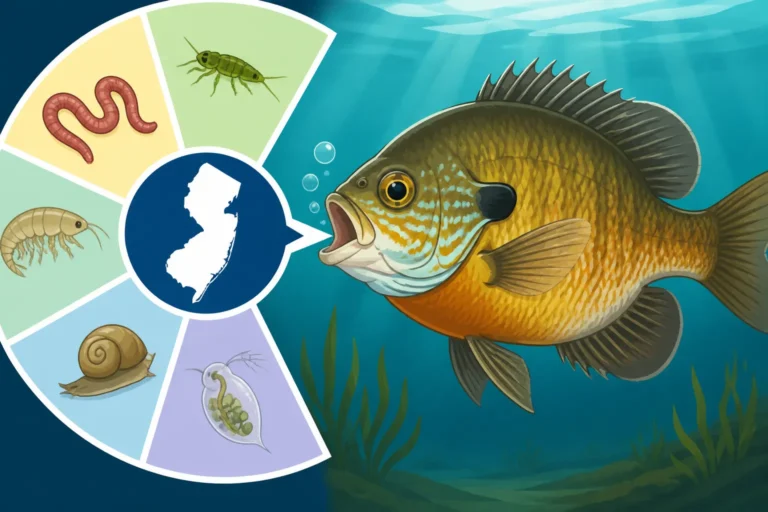
This is perhaps the most critical factor. Yellow perch are opportunistic feeders, munching on everything from aquatic insects and crustaceans to smaller baitfish. If a body of water has an abundant and diverse food supply, perch will grow faster and larger. Think about it: a perch in a lake teeming with shiners, alewives, or even young of the year panfish will have a much easier time packing on pounds than one in a system where food is scarce or heavily competed for.
Competition also plays a huge role. If a lake is overpopulated with yellow perch, or if there's a dense population of other panfish species like crappies or sunfish competing for the same food sources, growth rates will naturally be stunted. Anglers often observe this in ponds where you catch dozens of small fish – it's a sign that there are simply too many mouths to feed, leading to an abundance of smaller individuals. Conversely, waters where yellow perch are part of a balanced predator-prey system, perhaps alongside largemouth bass or pickerel, might see fewer overall perch, but the ones present will often be larger.
Genetics and Age
While not something an angler can directly control, genetics certainly play a part in a fish's ultimate size. Just like people, some fish are simply predisposed to grow larger and faster than others. However, age is a more universal factor. Like most fish species, yellow perch grow throughout their lives, albeit at a slower rate as they get older. A 12-inch perch isn't just a well-fed fish; it's also an older fish that has survived many seasons.
Understanding the typical lifespan of yellow perch in New Jersey, which can be anywhere from 5 to 10 years in good conditions, helps us appreciate the "slabs" even more. These larger, older fish are survivors, having evaded predators and anglers for years. They've earned their size! New Jersey Fishing Season Dates and Closures can impact how long a fish has to grow undisturbed.
Fishing Pressure and Management
The intensity of fishing pressure on a particular body of water can significantly impact the average size of yellow perch. In heavily fished lakes and ponds, larger, easier-to-catch fish are often removed from the population more quickly, leaving behind a higher proportion of smaller fish. This is why some well-known, easily accessible spots might only yield smaller perch.
Conversely, waters that are less accessible, or that have specific management strategies in place (such as harvest limits, though not common for perch specifically, or overall conservation efforts), might retain larger fish populations. State agencies, like the New Jersey Fish and Wildlife, continually monitor fish populations and set regulations, such as How Bag and Size Limits Work in New Jersey, to promote healthy fisheries. Responsible angling, including practicing catch and release for some of the larger breeding fish, can also contribute to sustaining a population of "slab" perch.
Targeting Larger Yellow Perch in New Jersey
So, you're tired of the tiny ones and ready to chase some genuine yellow perch slabs? It's definitely doable, but it often requires a bit more intentionality than just tossing a worm into any old pond. By understanding their habits and preferences, you can significantly increase your chances of finding those bigger, more rewarding fish.
Best Times and Locations
Timing and location are absolutely critical when targeting larger yellow perch. Generally speaking, the cooler months of the year, particularly late fall, winter (through the ice), and early spring, are prime times. In these seasons, perch tend to school up more tightly and actively feed in deeper water or along prominent structures, making them easier to locate.
During the warmer summer months, larger perch often retreat to deeper, cooler water, or seek out dense cover like thick weed beds, fallen trees, or shaded areas. Locating these specific features with a good fish finder, or by carefully exploring areas you know have such structure, is key. Lakes and reservoirs with varying depths and complex bottom contours, like New Jersey's Round Valley Reservoir Fishing Guide, often hold larger perch. Don't be afraid to venture slightly off the beaten path – sometimes the best spots for bigger fish are the ones that require a little more effort to reach.
Effective Baits and Lures
While yellow perch aren't typically picky eaters, using the right bait or lure can make a big difference when trying to single out those larger specimens. For bait, live minnows are often irresistible to bigger perch. Shiners, fathead minnows, or even small killifish, presented on a light wire hook under a bobber or on a simple split-shot rig, can be deadly. Small worms, like red wigglers or pieces of nightcrawlers, also work well, especially for finicky fish.
When it comes to lures, think small but impactful. Tiny jigging spoons, micro-jigs tipped with a small plastic grub or a piece of bait, and small spinnerbaits are all excellent choices. Colors like chartreuse, white, yellow, and silver often perform exceptionally well, mimicking the natural forage. I've found some great selections for these specialized lures on Amazon, and having a good variety in your tackle box is never a bad idea. Remember, larger perch often prefer a slightly more substantial meal, so don't be afraid to size up your bait or lure just a touch if you're consistently catching smaller fish.
Gear Considerations for "Slabs"
You don't need heavy-duty gear to catch big yellow perch, but having the right light tackle can enhance the experience and give you a better feel for subtle bites. An ultralight or light action spinning rod, around 5 to 6 feet in length, paired with a small spinning reel spooled with 4-6 pound test monofilament or fluorocarbon line, is ideal. This setup allows for sensitive feel, good casting control, and plenty of fight when you hook into a true slab.
A good selection of small, sharp hooks (size 6-10), a variety of small split shot weights, and some light bobbers (if you prefer that style of fishing) are essential. Don't forget a small pair of pliers or forceps for hook removal, as perch can sometimes swallow baits deeply. Investing in a good tackle box, perhaps one you found on Amazon, that keeps your small items organized will save you a lot of frustration when you're out on the water.
| Size Category | Typical Length (inches) | Typical Weight (pounds) | Description | Fishing Strategy |
|---|---|---|---|---|
| Small/Juvenile | 4-6 | 0.1-0.2 | Common, active, great for beginners. | Any small bait/lure, focus on quantity. |
| Average | 6-9 | 0.2-0.5 | Most frequent catch, good for a meal. | Standard panfish tackle, explore various depths. |
| "Slab" | 10-12 | 0.6-1.0 | Desirable size, provides a stronger fight. | Focus on deeper water, live minnows, slightly larger jigs. |
| Trophy/Rare | 13+ | 1.0-2.0+ | Exceptional, often older fish, potential state record. | Target specific deep structures, specific times of year, patience. |
| State Record | (Length not recorded) | 2 pounds, 8 ounces | Historical benchmark for New Jersey. | Extreme luck and dedication! |
Beyond Size: The Joys of Yellow Perch Fishing
While chasing those "slab" yellow perch can be a thrilling endeavor, it’s important to remember that yellow perch fishing offers so much more than just the pursuit of size. They are an accessible, fun, and delicious fish that embody much of what makes freshwater fishing in New Jersey so enjoyable.
Culinary Delights of Yellow Perch
Let's be honest, a big part of the appeal of yellow perch is how fantastic they taste. Their meat is white, flaky, and has a delicate, sweet flavor that holds up wonderfully to various cooking methods. Whether you pan-fry them with a crispy coating, bake them with herbs, or even use them in a fish taco recipe, yellow perch are a culinary treat. Even the smaller, average-sized perch, though a bit more work to clean, provide excellent fillets.
There's a real satisfaction that comes from catching your dinner, and yellow perch are a prime candidate for that experience. It's a connection to the bounty of New Jersey's waters and a simple pleasure that many anglers cherish. Just be sure you're familiar with New Jersey Freshwater Fishing Regulations Every Angler Should Know regarding possession limits before you start filling your cooler.
Accessibility and Family Fun
One of the greatest attributes of yellow perch is their accessibility. You don't need a fancy boat or expensive gear to catch them. Many public lakes, ponds, and even slow-moving sections of rivers offer excellent bank fishing opportunities for perch. This makes them a fantastic target for beginners, families with young children, or anyone looking for a low-key day by the water.
Imagine spending a sunny afternoon at a local park pond, teaching a child how to cast a line and the pure joy on their face when they feel that first perch tug. These moments are priceless, and yellow perch are often the perfect fish to create those lasting memories. They are generally cooperative biters, which keeps engagement high, and their vibrant colors are always a delight. It's truly a species that brings people together and introduces new generations to the wonders of fishing in New Jersey. They might even spark an interest in exploring other species, like those covered in New Jersey Crappie Fishing Guide.
Disclaimer
This article is for general informational purposes only and does not constitute professional advice. Laws, prices and regulations vary by location and change over time. Consult a qualified professional for guidance on your specific situation.