Are Bluegill Good to Eat?
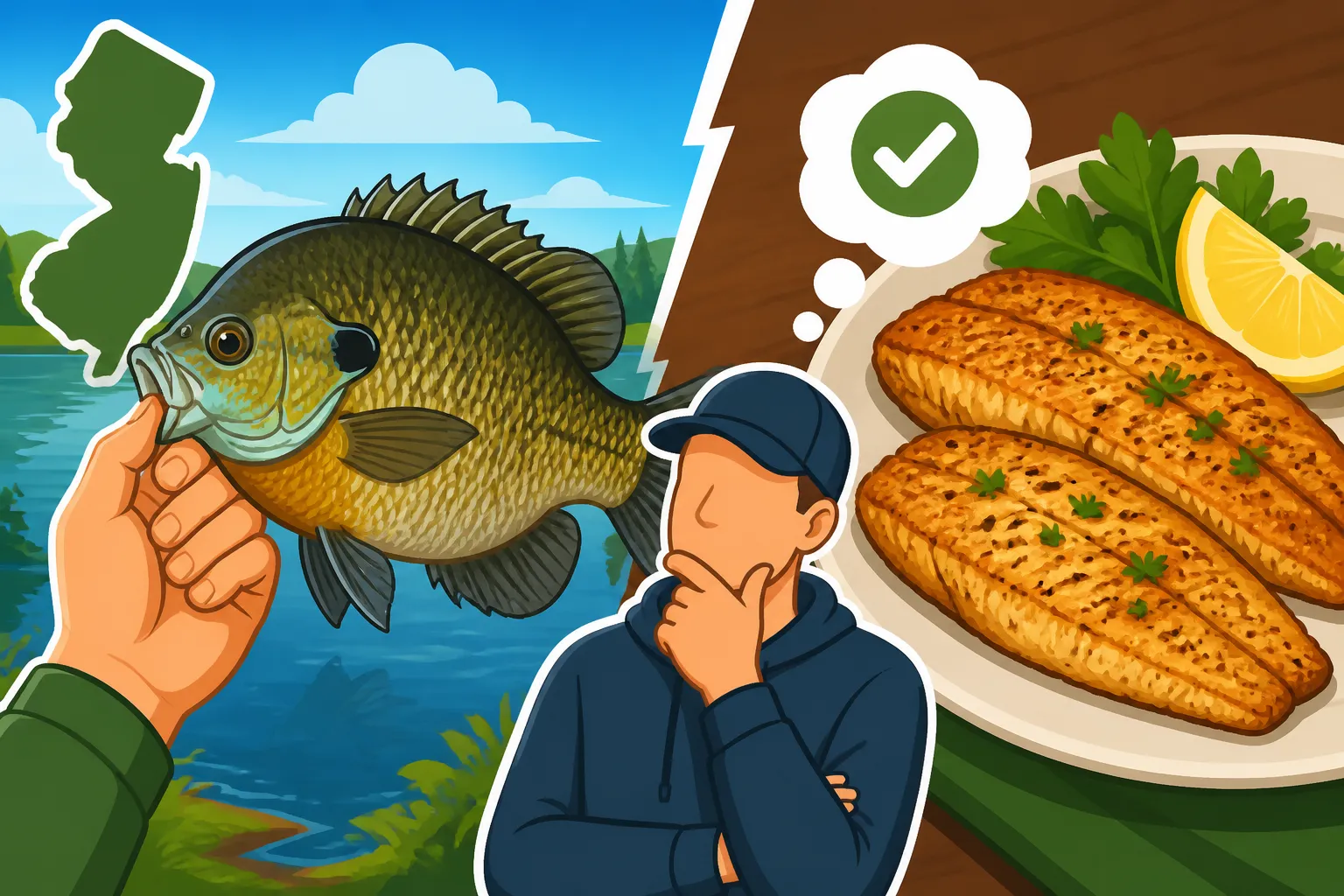
It's a common scene: you've cast a line into a quiet New Jersey pond, maybe with the kids or just for some peaceful solitude, and you've pulled in a beautiful, feisty bluegill. As it glistens in the sunlight, you might find yourself asking the age-old question, "Is this little guy actually good to eat, or should it go back to grow bigger?" This guide is here to tell you that while opinions vary, bluegill can absolutely be a delicious addition to your dinner plate, provided you know a few tricks.
The Bluegill's Reputation on the Dinner Plate
Bluegill, often affectionately called 'bream' or 'sunnies,' are one of the most common and recognizable freshwater fish in New Jersey's lakes and ponds. They're abundant, easy to catch, and put up a surprisingly fun fight for their size. But when it comes to eating them, there's a definite split among anglers. Some swear by them, while others scoff at the idea, preferring larger game fish.
Why Some Anglers Overlook Bluegill
Let's be honest, cleaning a small fish can feel like more work than it's worth. Many anglers, especially those accustomed to the generous fillets from a large striped bass or a good-sized fluke, look at a palm-sized bluegill and see nothing but bones and minimal meat. The sheer volume of bluegill you might need to catch to make a substantial meal can also deter some. It's a valid frustration; standing at the cleaning station, knife in hand, and realizing you have a dozen small fish to process can feel daunting, particularly if you're new to filleting or lack the right tools.
The perception that bluegill are "trash fish" or only for kids to catch also plays a role. This couldn't be further from the truth. While they are indeed fantastic for introducing youngsters to fishing due to their willingness to bite and spirited fight, their culinary value is often underestimated by those who haven't given them a fair chance. It's easy to get caught up in the pursuit of trophy fish, forgetting the simple pleasure and delicious reward smaller species can offer.
The Undeniable Appeal for Others
On the flip side, many seasoned anglers and culinary enthusiasts sing the praises of bluegill, and for good reason. They are often referred to as "panfish" because they are ideally sized for frying whole in a skillet. For those who appreciate a mild, sweet, and flaky white fish, bluegill truly deliver. They don't have a strong, "fishy" taste that turns some people off, making them incredibly versatile in the kitchen.
Beyond their taste, bluegill offer the joy of abundance and accessibility. You don't need a fancy boat or expensive gear to catch a cooler full of bluegill in many New Jersey waters. A simple rod and reel, some worms, and a quiet spot on the bank are often all it takes. This makes them a fantastic choice for a family fishing outing where the goal is to actually bring some dinner home. When you've had a successful day filling a cooler with these little gems, the effort of cleaning them suddenly feels a lot more rewarding, especially once you get the hang of it. You can almost always find a healthy population in ponds and lakes throughout the state, making them a reliable option. For general freshwater fishing regulations, it's always wise to consult New Jersey Freshwater Fishing Regulations Every Angler Should Know.
What Makes Bluegill Good (or Not So Good) to Eat?
To truly appreciate bluegill, we need to understand what they bring to the table, both literally and figuratively. Like any fish, their environment and diet play a significant role in their quality as table fare.
Taste Profile and Texture
Bluegill boast a wonderfully mild, sweet flavor that is hard to beat. The flesh is typically white, firm, and flaky when cooked, akin to other popular panfish like crappie or yellow perch. It’s not oily or strongly flavored, making it a favorite for those who prefer lighter fish. You won't find the robust, almost gamey taste that some species possess. Instead, it's a clean, delicate flavor that easily absorbs seasonings and batters without being overpowered.
However, the taste can vary depending on where the bluegill was caught. Fish from clean, cool waters with plenty of natural forage tend to have the best flavor. Those caught in muddy, stagnant, or warm waters might sometimes have a slightly "muddy" or "weedy" taste. This isn't unique to bluegill; most freshwater fish can be affected by their habitat. Generally, in New Jersey, if you're fishing in well-maintained public lakes or ponds, you can expect excellent quality bluegill. Places like New Jersey State Park Ponds for Family Fishing are often excellent spots to find good-tasting bluegill.
The Cleaning Conundrum: Bones and Filleting
This is where the debate often heats up. Bluegill are undeniably small, and they have a fair amount of small bones. For someone who isn't practiced, filleting a bluegill can seem like an exercise in futility, yielding tiny strips of meat and leaving a lot of what feels like wasted fish. This can be a real barrier for newcomers, leading them to simply release their catch or stick to larger species.
But here's the secret: with the right technique and a sharp knife, filleting bluegill becomes much more manageable, even enjoyable. Many anglers choose to fillet bluegill, yielding two small, boneless pieces of meat per fish. If you don't mind a few bones and prefer speed, simply gutting and scaling them, then frying them whole until crispy, makes the bones so brittle you can often eat right through them or easily pick them out. The key is to commit to the cleaning process. A good, sharp fillet knife (you can find excellent options on Amazon) makes all the difference. Investing in a quality knife specifically designed for filleting small fish will dramatically improve your experience.
Nutritional Value
Beyond taste, bluegill offer excellent nutritional benefits. They are a lean source of protein, low in fat, and provide essential vitamins and minerals. For those looking for a healthy meal, bluegill fit the bill perfectly. They're a fantastic alternative to commercially farmed fish and offer the satisfaction of a meal caught by your own hand.
Here's a quick look at some general pros and cons of eating bluegill:
| Feature | Pro | Con |
|---|---|---|
| Taste | Mild, sweet, flaky white meat | Can be slightly muddy if from poor water |
| Availability | Abundant in many New Jersey freshwater | Not a "trophy" fish for size |
| Effort to Catch | Easy to catch, great for all ages | Small size, might need many for a meal |
| Cleaning | Simple to gut and scale whole | Filleting small fish can be tedious for some |
| Bones | Fine bones, easily removed or eaten | Can be perceived as bony if not filleted |
| Versatility | Excellent for pan-frying, deep-frying | Limited for larger cooking methods (e.g., baking a whole fish) |
| Nutrition | Lean protein, low fat, good minerals | None significant |
Preparing and Cooking Bluegill for the Best Experience
Once you've decided to bring your bluegill bounty home, the real fun begins. Preparation is key to transforming these humble fish into a delicious meal.
Essential Cleaning Steps for Bluegill
First things first: cleaning. If you plan to fry them whole, you'll need to gut and scale them. This isn't difficult but takes practice.
- Scaling: Use a fish scaler or the back of a knife to scrape against the grain of the scales, from tail to head, under running water. Be thorough!
- Gutting: Make a shallow cut from the vent to the gills along the belly. Open the cavity and remove all the entrails. Rinse the cavity thoroughly.
- Head (Optional): Many people remove the head for whole pan-frying, as it makes them easier to fit in the pan and some prefer not to see it. Just cut behind the gills.
If you opt to fillet them (which I highly recommend for a boneless experience), here's a simplified approach for small fish:
- Initial Cut: Lay the fish flat. Make a cut behind the gill plate, down to the backbone, but don't cut through.
- Along the Spine: Turn the knife flat and carefully slice along the backbone towards the tail. Wiggle the knife a bit to help separate the meat from the bones.
- Rib Cage: Once you get to the rib cage, you can either cut over the top of the ribs or cut through them. Many find it easier to cut through the ribs and then trim them off the fillet later.
- Skinning (Optional but Recommended): Place the fillet skin-side down. Hold the tail end firmly, and with your knife at a slight angle, slide it between the skin and the meat, working from tail to head. A flexible, sharp fillet knife (like many great options available on Amazon) will make this process much smoother.
- Rinse: Give your fillets a quick rinse and pat them dry with paper towels.
It might seem like a lot of work for a small piece of fish, but once you develop the muscle memory, you'll be zipping through a pile of bluegill in no time. For successful bluegill expeditions, make sure you're aware of the New Jersey Daily Bag Limits by Species to ensure you're harvesting legally.
Popular Cooking Methods
Bluegill are incredibly versatile, but certain methods truly bring out their best.
- Pan-Frying (Classic): This is the quintessential bluegill cooking method. Whether whole (scaled and gutted) or filleted, a hot pan with a good amount of oil or butter will yield crispy skin and tender, flaky meat. A simple dredge in seasoned flour, cornmeal, or a mixture of both is all you need.
- Deep-Frying: For an even crispier exterior, deep-frying is a fantastic option, especially for a larger batch of fillets. A light batter or seasoned breading will create that perfect golden-brown crust. This method is particularly forgiving with small bones if you choose to fry them whole, as the heat renders them very brittle.
- Grilling: While you can grill bluegill, it’s a bit trickier due to their small size and delicate flesh. Whole fish might stick to the grates, and fillets can easily fall through. If you want to grill, use a fish basket or wrap them in foil with some herbs and butter to create a steamy, flavorful packet.
- Baking/Broiling: For a healthier option, baking or broiling fillets can be delicious. Place fillets on a baking sheet, drizzle with olive oil, lemon juice, and your favorite herbs. Bake until flaky. This method emphasizes the natural sweetness of the fish.
Flavor Enhancements and Recipes
Bluegill's mild flavor means it's a blank canvas for various seasonings.
- Simple Seasoning: A classic approach is just salt, black pepper, and garlic powder. Sometimes, less is more.
- Cornmeal Crust: For pan-frying, a mix of cornmeal, flour, and your favorite spices (paprika, cayenne, onion powder) creates an irresistible crunchy coating. This is a staple in many Southern fish fries.
- Beer Batter: For a truly indulgent experience, a light, crispy beer batter is fantastic for deep-frying bluegill fillets.
- Lemon and Herbs: Fresh lemon wedges, dill, parsley, or chives complement the delicate flavor beautifully.
- Spicy Kick: A dash of Cajun seasoning or a sprinkle of red pepper flakes can add a nice zing without overpowering the fish.
Don't forget the sides! Bluegill pair wonderfully with coleslaw, french fries, hushpuppies, or even a fresh green salad. You can find many recipes online or in classic cookbooks devoted to panfish. Sometimes, you just can't beat a simple meal of freshly caught bluegill after a fun day on the water.
Catching Bluegill for the Table in New Jersey
To enjoy bluegill on your dinner plate, you first need to catch them! Luckily, New Jersey offers a plethora of opportunities, and these feisty fish are usually quite cooperative.
Where to Find Abundant Bluegill in New Jersey
Bluegill are widespread throughout New Jersey's freshwater systems. They thrive in calm, shallow waters with plenty of aquatic vegetation, which provides both food and cover. Think ponds, smaller lakes, and slow-moving rivers or creek sections. They love to congregate around docks, fallen trees, lily pads, and other submerged structures.
You'll find them in almost any pond or lake across the state, from the smallest farm ponds to larger recreational lakes. Many of New Jersey's state parks and wildlife management areas have ponds that are teeming with bluegill, making them ideal for a productive day of fishing. While we often think of trout in certain waters, many of those same waters also hold healthy populations of panfish. To learn more about where to target panfish, you might check out resources like New Jersey Sunfish and Bluegill Fishing Guide, New Jersey Crappie Fishing Guide, or New Jersey Yellow Perch Fishing Guide. These guides often highlight waters where bluegill and their cousins are plentiful.
When fishing for bluegill, simple bait like worms, crickets, or even small pieces of bread or corn will usually do the trick. A small hook (size 8 or 10), a bobber, and a split shot are all you really need. This accessible style of fishing is part of their charm, making them a perfect target for beginners or anyone looking for a relaxed day of high-volume action.
Best Practices for Keeping and Transporting
Once you've decided to keep your bluegill for the table, proper handling is essential to maintain their quality and flavor.
- Keep Them Cool: The best practice is to immediately place your caught bluegill on ice or in a cooler filled with an ice-water slurry. This cools them down quickly, slowing bacterial growth and preserving the quality of the meat. A stringer can work if the water is very cool, but in warmer months, ice is non-negotiable.
- Clean Promptly: Ideally, you should clean your fish as soon as possible after catching them. If you're going home right after fishing, that's perfect. If you're camping or staying out for an extended period, try to clean them at the water's edge and then place the fillets or cleaned whole fish back on ice in sealed bags. This is where a portable cutting board and a good fillet knife (perhaps another great find on Amazon, along with a sharpening stone!) become invaluable.
- Check Regulations: Always, always double-check the current New Jersey Freshwater Fishing Regulations Every Angler Should Know before heading out. While bluegill typically have generous bag limits, it's crucial to be aware of any specific rules for the body of water you're fishing. This is part of responsible angling and ensures these great eating fish remain abundant for everyone.
The journey from catching a bluegill to enjoying a delicious meal is a rewarding one. Don't let their small size intimidate you. With a little practice in cleaning and a simple cooking method, you'll discover why so many New Jersey anglers consider bluegill to be among the finest eating fish in our freshwater systems. They truly are a testament to the idea that good things come in small, feisty packages. So next time you hook one, consider bringing it home – your taste buds will thank you!
Disclaimer
This article is for general informational purposes only and does not constitute professional advice. Laws, prices and regulations vary by location and change over time. Consult a qualified professional for guidance on your specific situation.