Why Do Some New Jersey Species Have Slot Limits Instead of Minimum Sizes?
It’s a common scenario that can leave even seasoned anglers scratching their heads: you’re out on the water, you hook a beautiful fish, and then you remember—wait, what are the rules for this species? Is it a simple "must be at least this big," or one of those tricky "slot limits" where both too small and too large means back in the water? The confusion is real, and it can be frustrating trying to keep all the specific regulations straight. This guide is here to untangle that mystery, explaining precisely why some New Jersey fish species are managed with slot limits instead of traditional minimum sizes, and what it means for your next fishing trip.
Understanding the Basics: Minimum Size vs. Slot Limits
Before we dive into the "why," let's clarify the fundamental differences between these two types of fishing regulations. Many anglers are familiar with one, but the other can seem counter-intuitive at first glance. It’s not just about setting arbitrary numbers; each approach serves a very distinct purpose in fisheries management.
The Traditional Minimum Size Limit
For years, the most common regulation anglers encountered was the minimum size limit. This rule is pretty straightforward: any fish you catch must be equal to or greater than a specified length to be legally kept. If it’s shorter than that length, it goes back into the water, no questions asked.
The primary goal of a minimum size limit is to protect juvenile fish. By allowing these younger fish to grow to a certain size, we give them the chance to mature and reproduce at least once, sometimes several times, before they become part of the harvestable population. This ensures that there are always new generations entering the fishery, theoretically sustaining the population. Think about many common species where you often hear a simple "X inches or longer" rule. This approach works well for species where the main conservation concern is ensuring enough young fish survive to reproduce. It's a relatively easy rule for anglers to remember and enforce in their own practices.
Introducing the Slot Limit Concept
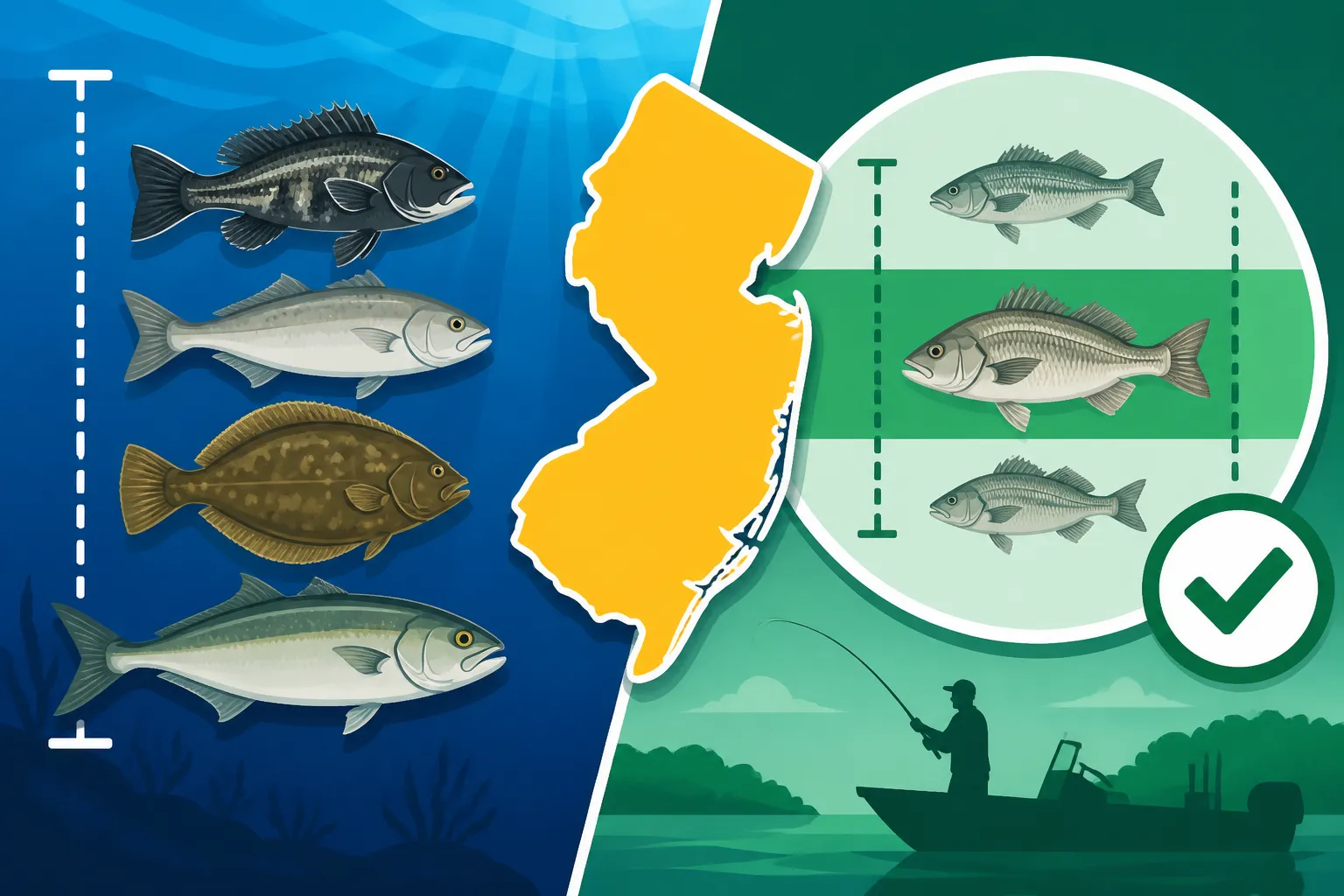
Now, a slot limit is a bit more nuanced. Instead of just a minimum, it imposes both a minimum and a maximum length. This means that only fish within that specified size range, or "slot," can be legally kept. Fish that are too short (below the minimum) must be released, just like with a minimum size limit. However, here's the kicker: fish that are too long (above the maximum) also must be released. They are considered "out of the slot" and are protected.
This concept might seem odd at first. Why would you release a really big fish? Isn't catching a trophy-sized specimen the goal for many? This is where the specific biological and conservation reasons for slot limits come into play, and it’s critical for understanding New Jersey's regulations for key species. The intention is not to deny anglers a large catch, but rather to ensure the long-term health and vitality of the entire fish population.
Why the Confusion for Anglers?
Let's be honest, wrapping your head around a slot limit can be a bit more challenging than a simple minimum. It requires a slightly different mindset and often a more diligent approach to measuring your catch. Anglers might feel frustrated, especially when they land a truly impressive specimen only to realize they have to let it go. You've worked hard, you've battled a strong fish, and now you have to say goodbye. It feels counter-intuitive to the idea of a "trophy catch."
This confusion often stems from not fully understanding the scientific reasoning behind these regulations. Many people assume bigger fish are always better to keep, or that all regulations are designed solely to prevent overfishing of young fish. But with slot limits, the goals are broader and more complex, aiming to protect the genetic future of a species rather than just its immediate numbers. This is why it's so important to understand the biological logic, which we'll explore next.
The Biological Rationale Behind Slot Limits
Fisheries management isn't just about counting fish; it's about understanding complex ecosystems and population dynamics. Slot limits are a sophisticated tool designed to address specific biological needs that minimum size limits alone might not adequately cover. They are often implemented when a species faces particular vulnerabilities or when managers aim to cultivate a specific population structure.
Protecting Spawners and Genetic Diversity
Perhaps the most critical reason for implementing slot limits, especially the upper end of the slot, is to protect the largest and most reproductively valuable fish in the population. In many species, particularly long-lived ones, the largest and oldest individuals, especially females, are often the most prolific spawners. These "trophy" sized fish aren't just big; they produce a disproportionately higher number of eggs, and those eggs are often of higher quality, leading to more viable offspring.
Consider a large female striped bass, for example. She might lay millions of eggs in a single spawning season, far more than several smaller, younger females combined. Furthermore, these older, larger fish have survived numerous challenges – predators, environmental changes, fishing pressure – suggesting they possess superior genes that have allowed them to thrive. By protecting these "super spawners" through an upper slot limit, managers aim to ensure the genetic health and robust reproductive capacity of the entire stock. This helps build a stronger, more resilient population for the future. Without these big breeders, the recruitment of new fish into the population could significantly decline over time.
Managing Population Structure
Another key objective of slot limits is to manage the overall structure of a fish population. Imagine a healthy fish population as a pyramid, with many small fish at the bottom, a good number of medium-sized fish in the middle, and a respectable number of large, mature fish at the top. Sometimes, traditional minimum size limits, combined with angler preferences, can inadvertently distort this structure. For instance, if anglers only keep fish above a certain size, and there's a strong preference for large fish, the largest breeding stock can be depleted.
Slot limits aim to maintain a more balanced age and size distribution. By encouraging the harvest of medium-sized fish (those within the slot) and protecting both the very small and very large, managers can prevent any single age or size class from becoming over-pressured. This strategy fosters a more natural and resilient population. For example, if there’s an abundance of medium-sized fish, allowing their harvest can reduce competition for food and space, potentially leading to faster growth rates for the remaining fish, and ensuring that those protected large fish continue to contribute to the gene pool.
Targeting Overabundant Medium-Sized Fish
In some cases, a fish population might experience a boom in a particular age class, leading to an overabundance of medium-sized fish. This can happen if a few highly successful spawning years occur, or if environmental conditions favor survival for a specific period. While more fish might sound good, an overabundance of medium-sized fish can lead to intense competition for food resources, ultimately stunting growth across the entire population. The fish might not reach their full potential, and the overall health of the fishery could suffer.
A slot limit can be strategically used to encourage anglers to harvest these abundant, medium-sized fish. By doing so, the pressure on the food supply is reduced, allowing the remaining fish (both those growing into the slot and the protected large spawners) to grow larger and healthier. This kind of targeted harvest can act as a crucial management tool to optimize growth rates and ensure the long-term vigor of the stock. It's about maintaining balance, not just numbers.
New Jersey's Approach to Slot Limits: Key Species and Examples
New Jersey, like many coastal states, carefully manages its fisheries using a variety of regulations, including slot limits, to ensure sustainable fishing for generations to come. These decisions are rarely made in a vacuum; they involve extensive scientific research, input from various stakeholders, and coordination with regional and federal management bodies.
The Striped Bass Example: A Prime Case
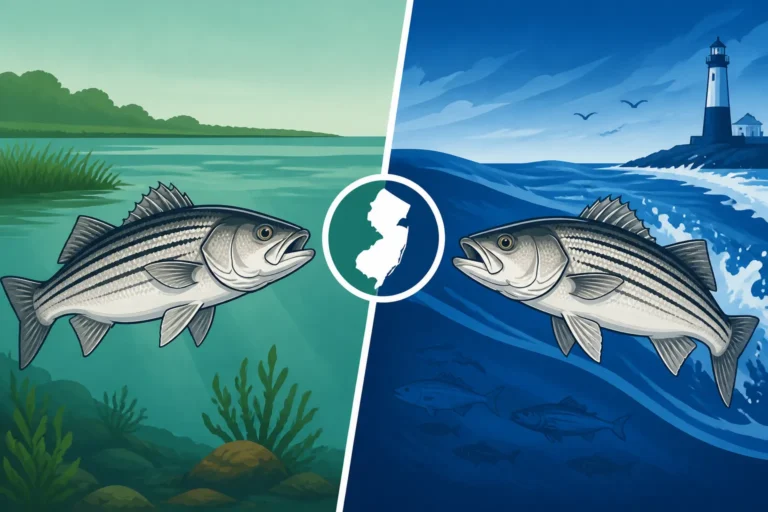
When we talk about slot limits in New Jersey, the species that immediately comes to most anglers' minds is the striped bass. This iconic fish, beloved by surfcasters, boat anglers, and fly fishers alike, is a prime example of a species managed with a slot limit, and for very good reason. For years, the striped bass population faced significant challenges, prompting strict management actions to rebuild the stock.
The current New Jersey Striped Bass Slot Limit Explained is designed to protect both the immature fish and, crucially, the large, mature breeding stock. Specifically, fish smaller than the minimum length are too young to have contributed significantly to reproduction, so releasing them allows them to grow and spawn. On the other hand, the largest striped bass, particularly the big females, are incredibly important for the species' future. These huge fish are the most prolific egg-layers, often producing millions of eggs in a single season. By imposing an upper slot limit, New Jersey (and other states along the Atlantic coast) ensures that these vital "broodstock" fish remain in the water to continue their crucial reproductive role. This strategy directly impacts the recruitment of new striped bass into the population for years to come. Anglers frequently discuss the New Jersey Striped Bass Slot Limit: 28 to 38 Inches, which is a perfect illustration of how this management tool is applied to protect critical age classes.
Other Species and Potential for Slot Limits
While striped bass are perhaps the most prominent example of a species managed with a slot limit in New Jersey's marine waters, the concept isn't limited to just one fish. Other species, both freshwater and saltwater, might be considered for or have had slot limits in the past, depending on their population dynamics and conservation needs. The regulations are dynamic and responsive to scientific assessment. For instance, some freshwater bass species in specific lakes or rivers might be managed with slot limits if local biologists identify an imbalance in the population structure, perhaps too many stunted fish or a need to protect large breeders.
It's vital for anglers to remember that regulations can, and do, change. What was a minimum size limit last year could become a slot limit next year, or vice-versa, depending on how the fish stocks are faring and what the most current scientific data suggests is needed for conservation and sustainable harvest. This is why always staying informed is so crucial. If you're wondering about general rules, checking out How Bag and Size Limits Work in New Jersey can give you a broader understanding.
The Role of Conservation and Data
These size limits, whether minimum or slot, are never arbitrary. They are the result of extensive research, data collection, and collaboration among scientists, fisheries managers, and sometimes even federal agencies. New Jersey's Division of Fish and Wildlife regularly conducts surveys, studies fish populations, monitors spawning success, and analyzes catch data from commercial and recreational anglers. This scientific information is then used to inform management decisions.
The process of How New Jersey Sets Its Fishing Regulations Each Year is comprehensive, taking into account biological factors, environmental conditions, and socio-economic considerations. Conservation is at the heart of it all, aiming to strike a balance between allowing recreational harvest and protecting the long-term health of fish stocks. Sometimes, regional management plans, like those for migratory species that cross state lines, also dictate specific regulations, ensuring a consistent approach across their range. The regulations are then published, often in the Reading the New Jersey Fish and Wildlife Digest, which is an essential resource for every angler.
Practical Implications and Angler Responsibility
Understanding why slot limits exist is one thing, but knowing how to comply with them and act responsibly on the water is equally important. As anglers, we play a crucial role in the success of these conservation efforts. Our actions directly impact the health of the fisheries we love.
Measuring Your Catch Accurately
When dealing with slot limits, precise measurement becomes paramount. There's no room for guesswork. A fish that's barely over the upper limit, or just under the lower limit, must be released. You need to be confident in your measurements to avoid potential penalties.
Here's how to do it correctly:
- Lay the fish flat: Ensure the fish is on a flat surface, not held vertically or at an angle, as this can distort the length.
- Mouth closed: Gently close the fish's mouth.
- Butt the head against a stop: Place the nose of the fish against a solid stop, like the end of a measuring board or the edge of a cooler.
- Measure to the tail tip: Extend the tail naturally (don't squeeze it) and measure to the very tip of the longer lobe. Some regulations specify "fork length," but for most New Jersey game fish, it's total length to the tail tip.
It's a good idea to invest in a reliable measuring device specifically designed for fish. You can find excellent fish rulers made from sturdy materials at most tackle shops or online retailers like Amazon. Having one permanently affixed to your boat or tackle box makes quick, accurate measurements much easier.
Handling and Releasing Out-of-Slot Fish
A key component of slot limits is the mandatory release of fish that are either too small or too large. For these regulations to be effective, these released fish need to survive. This means practicing proper catch-and-release techniques.
Here are some best practices, especially crucial for those large, protected breeders:
- Minimize fight time: Bring the fish to the boat or shore as quickly as possible to reduce exhaustion.
- Keep the fish in the water: If possible, unhook and measure the fish while it's still in the water, especially larger specimens.
- Handle gently: Avoid touching the gills or eyes. Use wet hands or a wet towel if you must handle the fish directly.
- Use appropriate tools: A dehooking tool can quickly remove hooks from deep-hooked fish. When fishing with bait, consider using circle hooks, which significantly reduce gut-hooking, particularly for species like striped bass. You can learn more about this by reading New Jersey Catch and Release Striped Bass Handling Rules.
- Support the fish horizontally: If lifting a large fish for a quick photo, support its body weight evenly, especially under the belly, to prevent damage to its internal organs or spine.
- Revive if necessary: If a fish is heavily exhausted, hold it gently in the water, facing into a current or moving it gently back and forth to force water over its gills until it regains strength and can swim away on its own.
Your efforts in responsible handling directly contribute to the survival rates of released fish and the overall health of the fishery.
Staying Informed About Regulations
As mentioned, fishing regulations are not set in stone. They can change annually, and sometimes even mid-season, in response to new scientific data, stock assessments, or regional management decisions. It's your responsibility as an angler to know the current rules before you cast a line.
Here’s how to stay updated:
- Check the official digest: The New Jersey Division of Fish and Wildlife publishes a freshwater and a marine fish and wildlife digest each year. These are your most reliable sources for current regulations, including bag limits, size limits, season dates, and specific rules for certain areas. You can usually pick up a physical copy at tackle shops or download it from the state's official website.
- Visit the state's website: The NJDEP Fish and Wildlife website is regularly updated with the latest regulations and any emergency rule changes.
- Talk to local tackle shops: These folks are often on the front lines and hear about rule changes quickly.
- Subscribe to newsletters/alerts: If available from the Division of Fish and Wildlife, sign up for email updates.
Staying current with regulations, including those tricky slot limits, is essential not just for legal compliance—avoiding a Penalties for Fishing Without a License in New Jersey or similar infractions—but also for being a responsible steward of New Jersey's incredible fishing resources. Remember, the New Jersey Conservation Police and License Checks are out there, ensuring everyone plays by the rules to protect our fish for future generations.
Comparing Size Limit Types
To help you visualize the differences and remember the core intent of each, here's a quick comparison of minimum size limits versus slot limits.
| Feature | Minimum Size Limit | Slot Limit |
|---|---|---|
| Regulation Type | Fish must be at least this length. | Fish must be between two specified lengths. |
| Fish to Release | Fish smaller than the minimum. | Fish smaller than the minimum AND fish larger than the maximum. |
| Primary Goal | Protect juvenile fish; allow them to mature once. | Protect both juvenile fish and large, prolific spawning stock. |
| Population Impact | Ensures recruitment of new fish into the fishery. | Balances population structure; enhances genetic diversity; optimizes growth. |
| Angler Takeaway | Simple "grow bigger" rule. | "Keep the middle, release the small and the grand." |
| Common Application | Many common panfish, certain groundfish. | Iconic species like striped bass, certain trophy freshwater species. |
This table highlights why New Jersey's fisheries managers choose one over the other for specific species. Each method is a tool, chosen to best achieve the state's conservation goals for that particular fish stock. For example, while striped bass have a slot limit, a species like fluke often has a straightforward New Jersey Fluke Size Limit: 18 Inches (a minimum size) because their biology and management needs are different.
Disclaimer
This article is for general informational purposes only and does not constitute professional advice. Laws, prices and regulations vary by location and change over time. Consult a qualified professional for guidance on your specific situation.