Are American Shad Still Fished Commercially in New Jersey?
It's a question many long-time anglers and history buffs of the Jersey Shore ponder: what ever happened to the bustling commercial American shad fisheries that once thrived in our rivers? The truth is, the landscape for this historic and culturally significant fish has changed dramatically over the decades, moving almost entirely away from commercial harvest towards a focus on conservation and recreational enjoyment.
The Historical Importance of American Shad in New Jersey
To truly understand the current situation, we need to take a nostalgic look back at a time when American shad were not just a fish, but a cornerstone of spring in New Jersey. Their annual migrations up rivers like the Delaware, Raritan, and Passaic weren't just natural phenomena; they were vital events for communities and economies.
A Springtime Delicacy and Economic Pillar
For centuries, the arrival of American shad in New Jersey's rivers signaled the true beginning of spring. These powerful, silver-sided anadromous fish, returning from the ocean to spawn in freshwater, were more than just a food source; they were a cultural institution. Families would gather along riverbanks, waiting for the massive runs, and local economies would spring to life. The roe, in particular, was considered a delicacy, eagerly anticipated by chefs and home cooks alike. Imagine the bustling docks, the scent of fresh fish in the air, and the lively markets that would pop up with the first catches. It was a time when shad nets were a common sight, and the success of the shad run could truly impact the prosperity of riverside towns. Fishermen would use everything from large seine nets to dip nets, expertly navigating the currents to capture their prize. This wasn't just about feeding families; it was about local pride and a shared tradition passed down through generations. The shad played a huge role in the diet of early settlers and indigenous peoples, a protein source that was predictable and abundant each year.
The Rise and Fall of Commercial Shad Fisheries
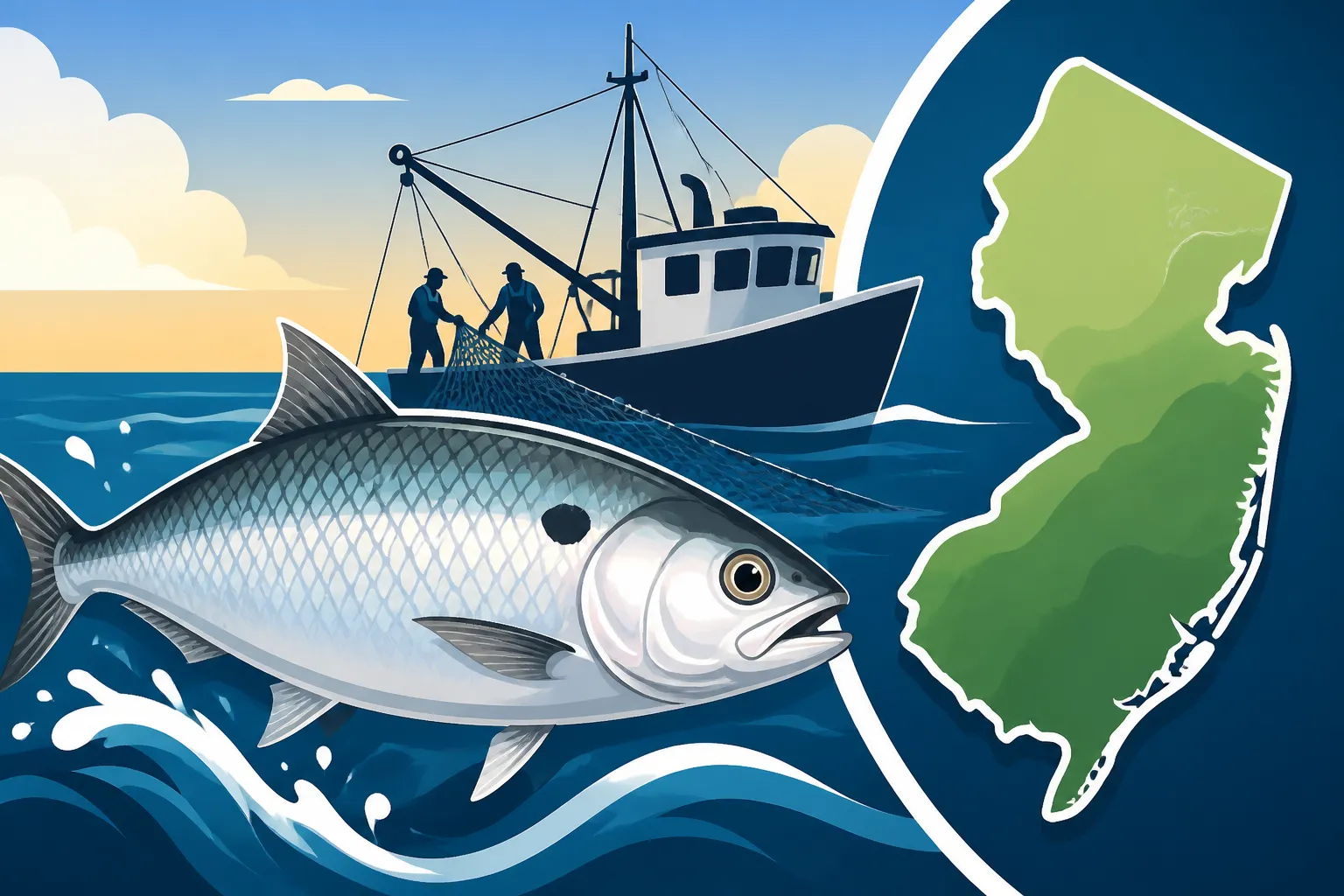
The late 19th and early 20th centuries saw the peak of commercial shad fishing in New Jersey and across the East Coast. Fleets of boats, employing sophisticated netting operations, would target the massive schools entering the rivers. However, this intense commercial pressure, combined with other significant environmental changes, began to take its toll. Dams built for mills, navigation, and hydropower blocked critical spawning routes, preventing shad from reaching their ancestral breeding grounds. Pollution from industrialization and growing populations degraded water quality, making rivers less hospitable for these sensitive fish. Habitat loss due to development along riverbanks also played a role. It was a classic "tragedy of the commons" scenario, where unchecked exploitation and environmental degradation led to a steep decline in populations. What was once an seemingly endless bounty began to dwindle, and the once-thriving commercial operations found themselves with fewer and fewer fish to catch. The economic pillar started to crumble, and a way of life for many fishing families faded into memory. Efforts to understand and reverse these declines began, but the damage was extensive and long-lasting.
Current Regulations and the Commercial Status of American Shad
The decline of American shad populations eventually led to significant regulatory changes. Conservation became the paramount concern, and with it, a dramatic shift away from widespread commercial harvest.
The Shift to Recreational-Only Fishing
Today, the commercial fishing of American shad in New Jersey is effectively nonexistent, particularly for harvest. The primary focus of regulations is on managing the species for recreational fishing and, more importantly, for long-term recovery and sustainability. New Jersey, in conjunction with other states sharing the Delaware River basin and federal agencies, has implemented strict measures to protect shad stocks. The goal is to allow as many fish as possible to reach their spawning grounds unimpeded, ensuring future generations. This shift reflects a broader understanding that the ecological health of the river systems is paramount, and that overfishing in the past contributed significantly to the species' vulnerability. While it's sad for those who remember the commercial days, this focus is crucial for giving the shad a real chance to thrive again. For anglers hoping to experience the thrill of catching these magnificent fish, understanding New Jersey Freshwater Fishing Regulations Every Angler Should Know is essential, as recreational rules are strictly enforced to protect these recovering populations.
Limited Commercial Opportunities and Strict Management
While a traditional, large-scale commercial shad fishery no longer operates in New Jersey for direct harvest, there might be extremely limited, highly controlled commercial opportunities that exist for specific purposes, such as bait harvesting, scientific research, or very localized, small-scale operations under strict permits for non-consumption. However, for the vast majority of New Jersey's waters and its commercial fishermen, American shad are off-limits for directed commercial harvest. Any permitted take would be under intense scrutiny and subject to stringent reporting requirements to ensure it doesn't negatively impact the overall population.
The New Jersey Department of Environmental Protection (NJDEP) Fish and Wildlife, along with interstate commissions like the Atlantic States Marine Fisheries Commission (ASMFC), continuously monitor shad populations. They conduct surveys, analyze catch data from recreational anglers, and track environmental conditions to inform their management decisions. The emphasis is on restoring habitats, removing old dams where feasible, and ensuring fish passage at remaining obstacles. For instance, the Delaware River system, still a stronghold for shad, has cooperative management strategies in place with Pennsylvania and Delaware to protect the migrating fish. Anglers often refer to the Reading the New Jersey Fish and Wildlife Digest to stay informed about the latest rules and conservation efforts that impact species like American shad.
Here's a simplified look at the historical versus present commercial status of American shad in New Jersey:
| Feature | Historical Commercial Fishing (Pre-Mid 20th Century) | Current Commercial Fishing (Today) |
|---|---|---|
| Primary Goal | Large-scale food production, economic livelihood | Virtually non-existent for harvest; limited for bait/research only. |
| Methods Used | Extensive seine nets, gill nets, fish weirs | Highly restricted, if any; often small-scale gear, specific permits. |
| Impact on Population | Significant decline due to overfishing | Managed for conservation and recreational sustainability. |
| Regulatory Focus | Limited initial regulation, open access | Strict, science-based management for species recovery. |
| Economic Contribution | Major contributor to local economies | Minimal to none from shad harvest; focus shifted to other species. |
| Public Access | Both commercial & recreational | Primarily recreational angling, with emphasis on catch & release. |
The table clearly illustrates the profound shift in how American shad are managed and utilized in New Jersey, driven by the critical need to protect this iconic species.
The Enduring Appeal of Recreational Shad Fishing
While commercial fishing for American shad has largely become a thing of the past in New Jersey, the species continues to hold a very special place in the hearts of recreational anglers. The annual shad run is still an eagerly anticipated event, bringing excitement and tradition to riverbanks across the state.
A Tradition Continued by Anglers
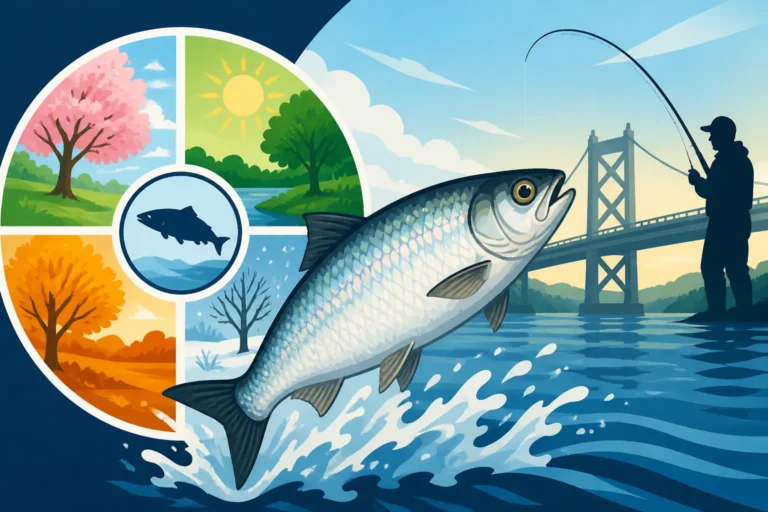
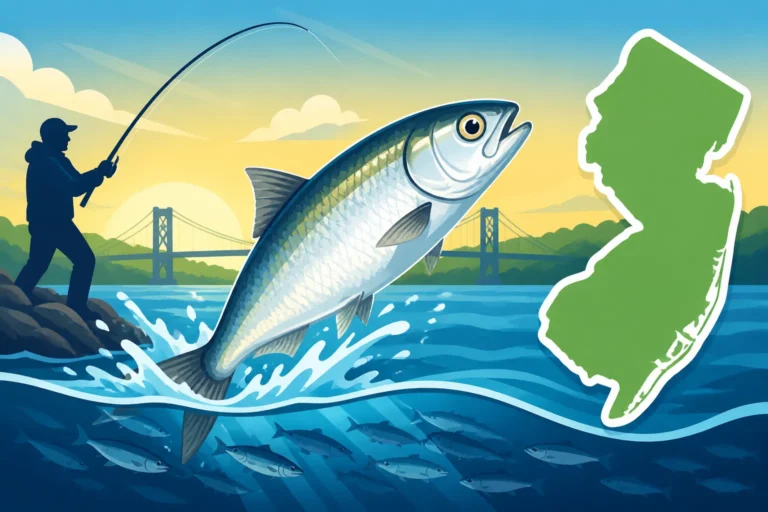
For many, the spring shad run on rivers like the Delaware isn't just a fishing trip; it's a rite of passage, a way to connect with nature and history. Generations of anglers have fond memories of chasing "poor man's salmon" upriver. When the water temperatures start to rise in April and May, you'll see people lining the banks, particularly along the Delaware River, from its upper reaches down to Trenton. They’ll be casting small, brightly colored darts, tiny spoons, or even flies specifically designed to entice these fast-moving fish. The fight of a shad, known for its strong runs and acrobatic leaps, is truly something to experience. It’s a fast-paced, exciting form of fishing, and it’s a wonderful way to spend a spring day outdoors with family and friends. Anglers often share tips on the best spots, the most effective lure colors, and the perfect time of day to catch them, adding to the camaraderie of the season. Many anglers, myself included, often stock up on their favorite shad darts and light spinning gear on Amazon well before the season kicks off. This ensures they're ready the moment the fish start their incredible journey upstream. Understanding How to Fish for Shad on the Delaware River can greatly enhance your success during this exciting time.
The beauty of recreational shad fishing lies not only in the catch but also in the ritual. It's about enjoying the fresh air, the budding trees along the river, and the anticipation of that tell-tale tug on the line. While some anglers keep a few fish for a delicious meal, many practice catch-and-release, helping to further the conservation efforts for these magnificent fish. The experience, the challenge, and the connection to a historical tradition are what truly make recreational shad fishing special in New Jersey today.
Conservation Efforts and the Future of Shad
The survival and potential resurgence of American shad populations are heavily dependent on ongoing conservation efforts. It's a testament to dedicated environmentalists, state agencies, and even individual anglers that we still have shad runs today. Significant work has gone into improving water quality in many of New Jersey's major rivers. Reducing pollution from industrial and municipal sources has created cleaner, healthier environments for shad to migrate and spawn. Crucially, dam removal projects and the installation of fish ladders and bypasses have opened up miles of historic spawning habitat that were once completely inaccessible. For example, some old dams on smaller tributaries have been removed, allowing fish to reach critical upstream areas they haven't seen in decades.
These efforts are not just about American shad; they benefit an entire ecosystem, improving conditions for other anadromous species like herring and striped bass, and ultimately contributing to the overall health of New Jersey's waterways. While the scale of commercial fishing has diminished, the passion for shad remains strong among recreational anglers. This continued interest actually helps support conservation initiatives, as license fees and public advocacy play a vital role in funding restoration projects. Looking ahead, the future of American shad in New Jersey hinges on continued vigilance, sustained environmental protection, and a commitment from all stakeholders to ensure these incredible fish continue their ancient migrations for generations to come. Anglers who participate in voluntary recreational fishing surveys help biologists track populations, providing crucial data for future management decisions and stocking plans. Learning about Why Are Herring Runs Protected in New Jersey? can also offer insights into how interconnected these migratory fish populations are and the broader efforts to protect them.
Disclaimer
This article is for general informational purposes only and does not constitute professional advice. Laws, prices and regulations vary by location and change over time. Consult a qualified professional for guidance on your specific situation.