How Big Do Bluefish Get?
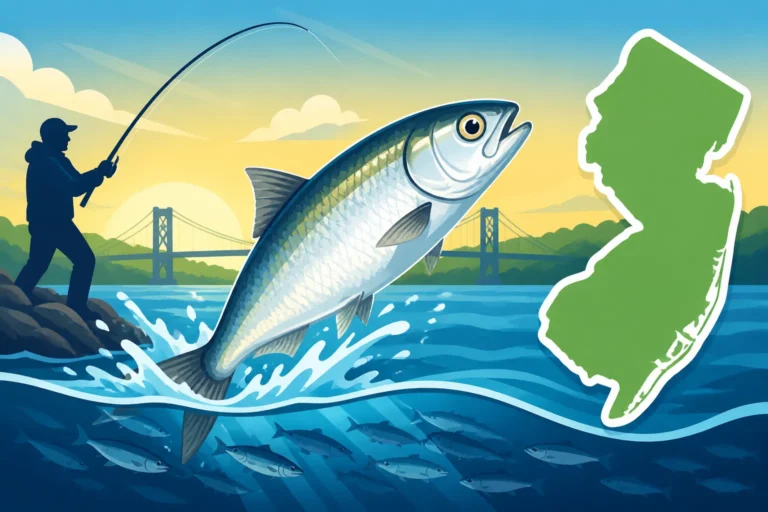
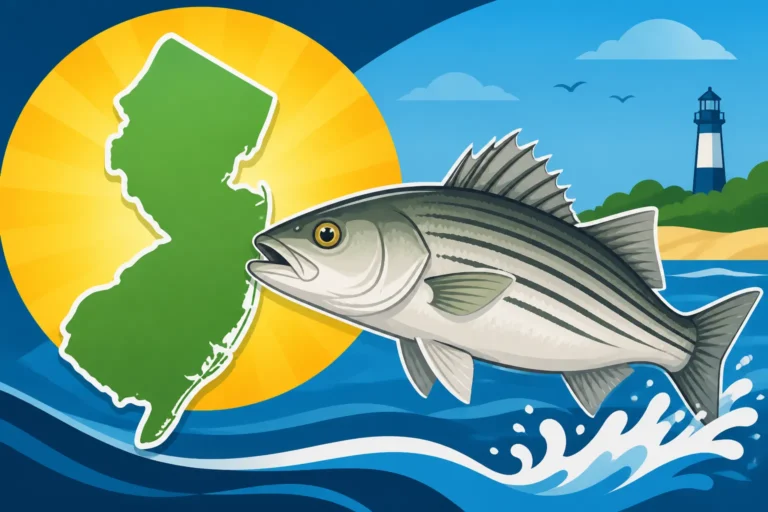
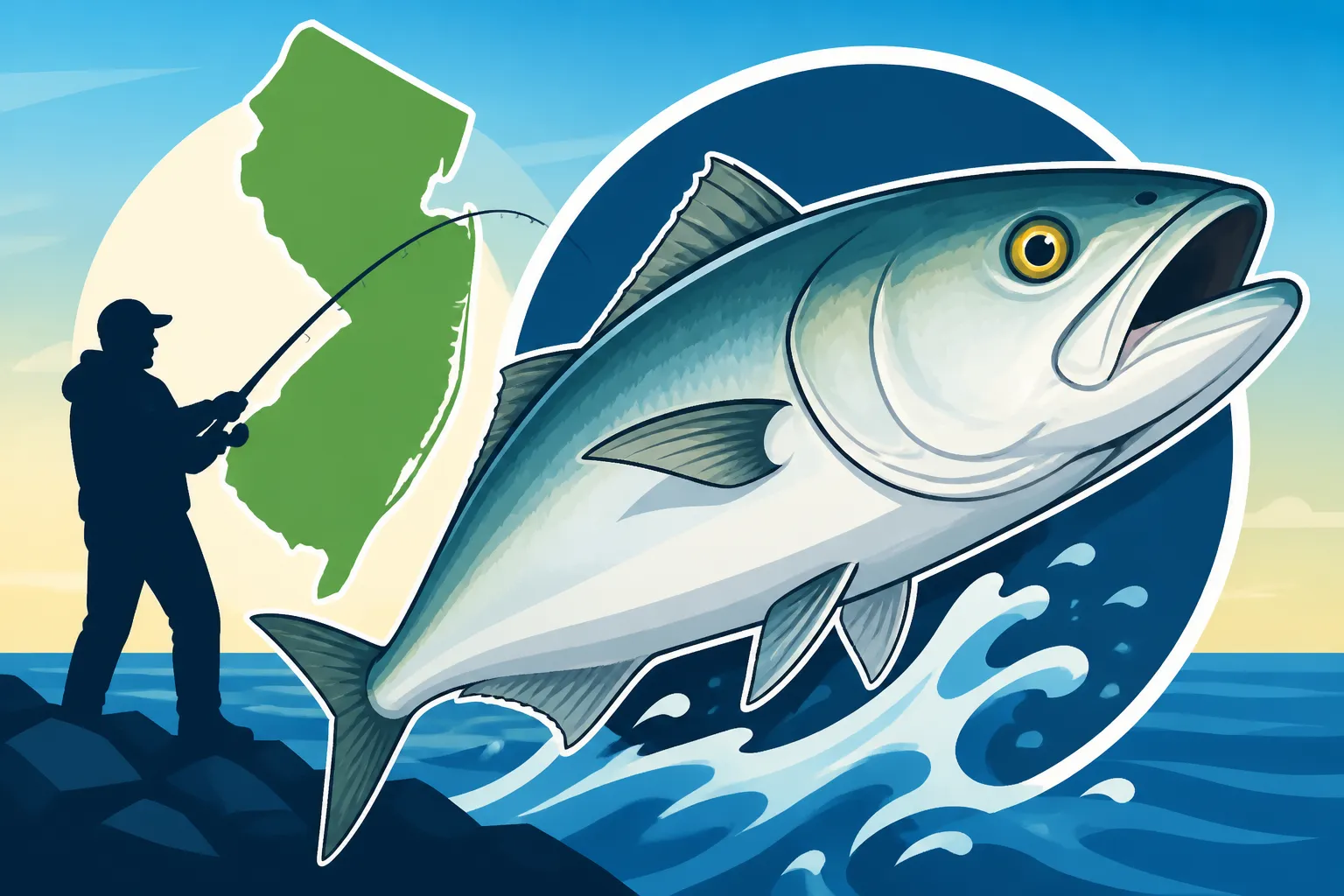
One of the most exciting parts of bluefish fishing in New Jersey is the sheer variety of sizes you can encounter. From the feisty little "snappers" that provide endless fun for kids to the monstrous "gorillas" that can truly test your gear and your grit, these toothy predators keep us guessing. This guide will dive deep into understanding bluefish growth, what sizes you can expect to catch in New Jersey waters, and what makes those record-breaking catches so special.
Understanding Bluefish Growth and Average Sizes in New Jersey
When you hook into a bluefish, whether it's a small one or a true beast, there's always that moment of anticipation. Is it a snapper? A chopper? Or perhaps a gator? The size of a bluefish can vary dramatically, not just throughout the season but also from year to year, influenced by a complex web of environmental factors. Understanding these dynamics can help you better appreciate the fish you catch and improve your chances of targeting specific sizes.
What Influences a Bluefish's Size?
Bluefish are known for their rapid growth, especially in their early years, which is part of what makes them such a dominant predator in our coastal waters. However, several factors play a crucial role in determining how large an individual bluefish ultimately gets:
- Food Availability: This is perhaps the most significant factor. Bluefish are voracious eaters, and their growth directly correlates with the abundance of their prey. In years where baitfish like bunker, mullet, or spearing are plentiful along the Jersey Shore, you'll often see larger average sizes in bluefish. Conversely, leaner years might result in slower growth rates. It's a classic predator-prey relationship – more food means more fuel for growth.
- Water Temperature: Bluefish thrive in a specific range of water temperatures. They are migratory fish, moving north in the warmer months and south as the water cools. Sustained periods of optimal temperatures in New Jersey's waters allow them to feed heavily and grow. Unusually cold or hot spells can disrupt their feeding patterns and impact growth.
- Age: Like most fish, bluefish grow throughout their lives, though their growth rate slows down considerably once they reach maturity. A 10-pound bluefish is significantly older than a 2-pound snapper, having survived more seasons, evaded more predators, and eaten countless baitfish. However, "old" for a bluefish might only be a decade or so.
- Genetics: While environmental factors play a huge role, individual genetic predispositions can also influence a bluefish's potential maximum size. Some fish are simply wired to grow larger and faster than others, given the right conditions. You might catch two bluefish of the same age from the same school, and one could be noticeably larger due to superior genetics.
Average Size Expectations for New Jersey Anglers
For the typical angler casting from a pier, boat, or the surf in New Jersey, the size of bluefish caught can range widely, but there are definitely "average" expectations for different classes of fish. It's rare to go out and only catch massive gators, just as it's uncommon to only find tiny snappers when the bigger fish are around. What you're likely to encounter depends heavily on the time of year and the specific fishing grounds.
Most recreational anglers will frequently encounter bluefish in the 2- to 8-pound range. These are your bread-and-butter choppers, offering a fantastic fight on medium tackle. They're powerful, hit hard, and put a great bend in your rod. Further down the size spectrum, often in late summer and early fall, you'll find schools of "snappers," weighing from less than a pound up to about two pounds. These smaller bluefish are an absolute blast on ultra-light gear, perfect for introducing kids to the thrill of saltwater fishing. They're aggressive, plentiful, and truly live up to their name with those sharp little teeth!
Then there are the "gators" or "gorillas," the true trophy bluefish that every angler dreams of hooking. These are typically bluefish weighing 10 pounds or more, sometimes pushing into the upper teens or even breaking the 20-pound mark. Hooking one of these beasts is an entirely different experience. They pull like freight trains, making blistering runs, and require stout tackle and a strong back to bring to the net. The feeling of a big gator slamming your lure is unlike anything else, and it's a battle you won't soon forget. New Jersey Bluefish Size and Behavior can tell you more about how these different sizes behave.
The New Jersey State Record and What It Means for Anglers
Every state has its fishing records, those almost mythical catches that represent the absolute pinnacle of what's possible. For bluefish in New Jersey, the state record stands as a testament to the immense size these powerful fish can achieve in our waters, even if most of us will never come close. It serves as both an inspiration and a benchmark, giving us a sense of scale.
The Current State Record for Bluefish
The current New Jersey state record for bluefish is a truly astonishing specimen, tipping the scales at 27 pounds, 1 ounce. This magnificent fish was caught way back in 1997, a testament to the fact that giant bluefish have been prowling our waters for decades. Just imagine the raw power of a fish that size! It's one thing to hear about it, and another to visualize that kind of weight and fight on the end of your line.
This record-breaking catch wasn't just a matter of luck; it was likely a combination of a very old, genetically large bluefish having access to abundant food in prime conditions, and a skilled angler using appropriate gear and technique. While it’s rare to encounter fish of this caliber, knowing the record exists reminds us of the potential lurking beneath the waves. It fuels the passion for many anglers, keeping them coming back season after season in hopes of their own personal best, even if it's not a state record. You can delve into What Is the New Jersey Bluefish State Record? for more fascinating details.
Comparing Your Catch to the Giants
For the vast majority of us, catching a bluefish anywhere near 27 pounds is a once-in-a-lifetime event, if it happens at all. Most anglers would be absolutely thrilled with a bluefish in the 10- to 15-pound range, and rightly so! A fish of that size offers an incredible fight and is a fantastic trophy.
The state record isn't there to make your 5-pound chopper feel small. Instead, it offers a sense of perspective on the species' full potential. It’s a reminder that truly monumental fish exist. When you’re out on the water, battling a feisty 8-pound bluefish, you’re experiencing the core thrill of bluefishing. The record simply shows what the absolute maximum could be. It encourages us to respect these creatures and to practice responsible fishing, ensuring that future generations might also have a shot at encountering such giants. Every big bluefish caught, whether it's 10 pounds or 20 pounds, is an achievement and a memory to cherish.
Bluefish Size Classes and Their Behavior
Bluefish don't just vary in size; their behavior, feeding habits, and even the type of tackle needed to catch them can shift dramatically depending on their size class. Anglers in New Jersey often use colloquial terms to categorize bluefish, which helps describe what kind of fight and experience to expect. Knowing these distinctions can help you prepare for your day on the water, whether you're hoping for a light tackle tussle or a heavy-duty brawl.
"Snappers": The Smaller, Energetic Ones
"Snappers" are the smallest bluefish, typically ranging from a few ounces up to about 2 pounds. These are usually juvenile fish, often found closer to shore, in bays, estuaries, and around docks and jetties, especially during late summer and early fall. Think of places like Barnegat Bay or the backwaters of the Mullica River. Their name comes from their incredibly sharp teeth and their aggressive, snapping bite, even at a young age.
What they lack in size, snappers more than make up for in sheer enthusiasm. They are incredibly fun to catch on ultra-light spinning gear, providing spirited runs and acrobatic leaps. Many anglers, myself included, have fond memories of catching their first saltwater fish which was often a snapper bluefish. They’re fantastic for teaching kids how to cast, retrieve, and handle a fish. Just remember that even a small snapper has a mouth full of razor blades, so handle them with care! They'll readily hit small lures like Kastmasters, Spec Rigs, or even a simple piece of bait under a bobber. Check out Best Bait for Surf Fishing in New Jersey for some good options.
"Choppers": The Mid-Range Fighters
Moving up the ladder, we have the "choppers." This is probably the most commonly encountered size class for recreational anglers in New Jersey, typically weighing in at 2 to 8 pounds. These are mature bluefish, often found in larger schools, patrolling the surf, inlets, and nearshore ocean waters. Places like the Manasquan Inlet or fishing piers can be hotbeds for chopper action. Best Places to Fish in New Jersey might give you some ideas.
Choppers are serious contenders. They hit lures and bait with incredible force, often resulting in a rod-bending explosion. Their fighting style is characterized by powerful, head-shaking runs and a relentless desire to get off the hook. On medium spinning or conventional tackle, a chopper will give you a fantastic fight that can last several minutes, testing your drag and your endurance. They're often caught on larger metal jigs, plugs, and substantial chunks of baitfish like bunker. When the bluefish blitzes occur, these are often the sizes driving the frenzy, tearing through schools of baitfish with incredible ferocity. Bluefish Blitzes Along the Jersey Shore describes this phenomenon perfectly.
"Gators" or "Gorillas": The Big Brawlers
And then there are the "gators" or "gorillas." These are the heavyweight champions of the bluefish world, generally starting at 10 pounds and going all the way up to the state record-breaking sizes. These are truly impressive fish, often thicker and more powerful than their chopper counterparts. They tend to be more solitary or found in smaller schools of similar-sized fish, and while they might occasionally join a blitz, they're often lurking a bit deeper or just outside the main fray, ambushing larger baitfish. You might find them in deeper cuts, around wrecks and reefs offshore, or during the height of the fall run along the beaches.
Hooking a gator is an adrenaline rush. They don't just hit; they demolish a lure or bait. The initial run of a 15-pound gator can strip line from your reel at an alarming rate, and they possess incredible stamina. These fish demand heavy-duty tackle, strong leaders, and a good understanding of how to fight a powerful fish without breaking your line or snapping your rod. Your typical 7-foot medium-heavy conventional or spinning rod, paired with a robust reel spooled with 30-50 lb braided line, becomes essential. Anglers specifically targeting these larger fish often use large plugs, heavy metal jigs, or big chunks of fresh bunker. If you want to know about other species, New Jersey Daily Bag Limits by Species is a good resource.
Gear Considerations for Different Bluefish Sizes
Matching your gear to the size of bluefish you're targeting or expecting to encounter is crucial for both success and enjoyment. Trying to land a 15-pound gator on a panfish rod is a recipe for disaster and frustration, while using heavy tuna gear for snappers takes all the fun out of it. Let’s break down the ideal setups for each size class.
Light Tackle for Snappers and Small Choppers
For those delightful snappers and smaller choppers up to about 5 pounds, a light to medium-light tackle setup is perfect. This gear allows you to feel every head shake and enjoy the spirited fight these smaller blues offer without being overpowered.
- Rod: A 6.5 to 7.5-foot spinning rod with a fast action and a medium-light or medium power rating is ideal. This kind of rod will have enough backbone to cast smaller lures effectively and control a fighting fish, while still being sensitive enough to detect subtle bites.
- Reel: A 2500 to 4000 series spinning reel will balance nicely with this rod. Look for a reel with a smooth drag system, as even small bluefish can make quick runs. A good quality reel from a reliable brand found on Amazon, for instance, will serve you well.
- Line: Spool your reel with 10 to 20-pound braided line. Braid offers excellent casting distance and sensitivity. You'll want to use a fluorocarbon or monofilament leader of similar strength, usually 20-30 pounds, because those bluefish teeth are no joke, even on the little ones! A short leader of about 12-18 inches is usually sufficient.
- Lures/Bait: Small metal jigs (like a 1/2 to 1 oz Kastmaster or similar), small poppers, soft plastic swimbaits, or chunks of spearing or bloodworms under a bobber are all highly effective. For specific lure ideas, check out Best Lure Color for Bluefish.
This setup is versatile, not just for bluefish but also for other inshore species like fluke and weakfish, making it a great all-around choice for a Best New Jersey Fishing Gear for Beginners.
Heavy Duty Setups for Large Gators
When you're actively seeking those monstrous gator bluefish, you need to step up your game considerably. This is where your gear needs to be robust, durable, and capable of withstanding immense pressure. Overbuilt is better than underprepared when a 15-pound bluefish is making a beeline for the horizon.
- Rod: Look for a 7 to 9-foot medium-heavy to heavy power spinning or conventional rod. A fast or moderate-fast action will give you the casting power for heavier lures and the leverage to turn a big fish. Surf fishing rods, often 9-11 feet, are also excellent choices for reaching distant schools of gators from the beach. Best Rod Length for Jersey Shore Surf Fishing offers good advice.
- Reel: A 5000 to 8000 series spinning reel or a robust conventional reel (like a Penn Fathom or similar) is necessary. Ensure it has a strong, smooth drag system and a good line capacity. You'll need that drag to prevent break-offs and the capacity for those long, powerful runs. Again, reputable brands available on Amazon will provide the quality you need.
- Line: Spool up with 30 to 60-pound braided line. The heavier braid provides incredible breaking strength and abrasion resistance, crucial when battling a powerful fish near structure or in strong currents. For a leader, you absolutely need something bite-proof. Heavy fluorocarbon (50-80 lb test) or even a short section of wire leader is a smart choice. Bluefish teeth can slice through lighter mono and fluoro leaders like butter. What Pound Test Line for Surf Fishing is a good read.
- Lures/Bait: Large metal jigs (2-4 oz), big poppers, large swimming plugs, and substantial chunks of fresh or frozen bunker, mackerel, or mullet are your go-to options. Live-lining a whole bunker or mullet can also be incredibly effective for targeting gators. Consider how to rig live bait for striped bass, as similar principles apply to large bluefish – How to Rig Live Bait for Striped Bass.
This heavy-duty approach will give you the confidence and capability to tackle the biggest bluefish New Jersey has to offer, turning potential heartbreak into a triumphant landing.
Bluefish Size and Tackle Recommendations
Here's a quick overview of bluefish size classes and the general tackle recommendations to help you prepare for your next New Jersey fishing adventure.
| Bluefish Size Class | Typical Weight Range | Typical Length Range | Recommended Rod Power | Recommended Reel Size | Recommended Line (Braid) | Notes |
|---|---|---|---|---|---|---|
| Snappers | < 2 lbs | < 15 inches | Ultra-Light to Light | 1000-2500 | 8-15 lb | Excellent for kids, light tackle fun. Handle with care (teeth!). |
| Choppers | 2 – 8 lbs | 15 – 28 inches | Medium to Medium-Heavy | 3000-5000 | 20-30 lb | Most common catch, spirited fighters. Good all-around inshore setup. |
| Gators/Gorillas | 10+ lbs | 30+ inches | Medium-Heavy to Heavy | 6000-8000+ | 40-60 lb | Trophy class, requires stout gear. Wire or heavy fluorocarbon leader is essential. |
Ultimately, how big bluefish get in New Jersey is a dynamic story, influenced by nature's bounty and the passage of time. From the smallest snapper to the biggest gator, each catch offers a unique thrill and a chance to connect with one of our coast's most iconic predators. So, next time you're out on the water, remember the potential that lies beneath, and enjoy the fight, no matter the size! And if you're looking for strategies to attract them, How to Chum for Bluefish in New Jersey Waters might give you an edge.
Disclaimer
This article is for general informational purposes only and does not constitute professional advice. Laws, prices and regulations vary by location and change over time. Consult a qualified professional for guidance on your specific situation.