Is It Legal to Keep Female Blue Claw Crabs in New Jersey?
It's a question many new and even seasoned anglers ponder when dropping a crab trap or pulling in a hand line: "Can I keep this female blue claw crab?" The confusion is real, especially with differing rules for other species or states. This guide is here to clear up the mystery, walk you through the regulations, explain why these rules exist, and ensure you're crabbing responsibly and legally in New Jersey waters.
The Core Rule: Why Female Crabs Are Protected in New Jersey
Let's cut right to the chase: For recreational crabbers in New Jersey, the general rule is no, you cannot legally keep female blue claw crabs. This isn't some arbitrary guideline; it's a critical conservation measure put in place to protect the future of the blue crab population. New Jersey, like many states with vibrant blue crab fisheries, understands that healthy crab populations depend heavily on the females' ability to reproduce successfully.
Think about it: every female crab has the potential to produce hundreds of thousands, if not millions, of eggs in her lifetime. Removing these females from the ecosystem, especially before they've had a chance to spawn, directly impacts the next generation of crabs. It's a fundamental principle of wildlife management: protect the breeders, and you help ensure there are plenty of fish (or crabs!) for tomorrow. This rule is designed to safeguard the reproductive capacity of blue crabs, ensuring that the delicious bounty we enjoy today remains plentiful for years to come. It might feel frustrating to toss back a perfectly good-sized female, but knowing you're contributing to a sustainable future makes it a lot easier to do the right thing.
"Shedder" vs. "Peeler" Crabs and the Conservation Angle
You might hear crabbers talk about "shedders" or "peeler" crabs, and it's important to understand what these terms mean, especially in the context of conservation. A "shedder" or "peeler" crab is simply a crab that is in the process of molting or has recently molted its shell. Blue crabs grow by shedding their hard outer shell, which is why they're called "soft-shell crabs" immediately after molting. During this vulnerable period, they're preparing to grow larger.
While males and females both shed, the conservation focus for females extends beyond this. Protecting female crabs, regardless of their molting status, ensures they can complete their reproductive cycles. A female crab's life cycle is geared towards spawning. If she's caught and kept, that entire reproductive potential is lost. The regulations prioritize allowing females to grow, mate, and release their eggs, which is far more critical for the population than their individual size or whether they're about to shed.
The Role of "Sponge" Crabs (Egg-Bearing Females)
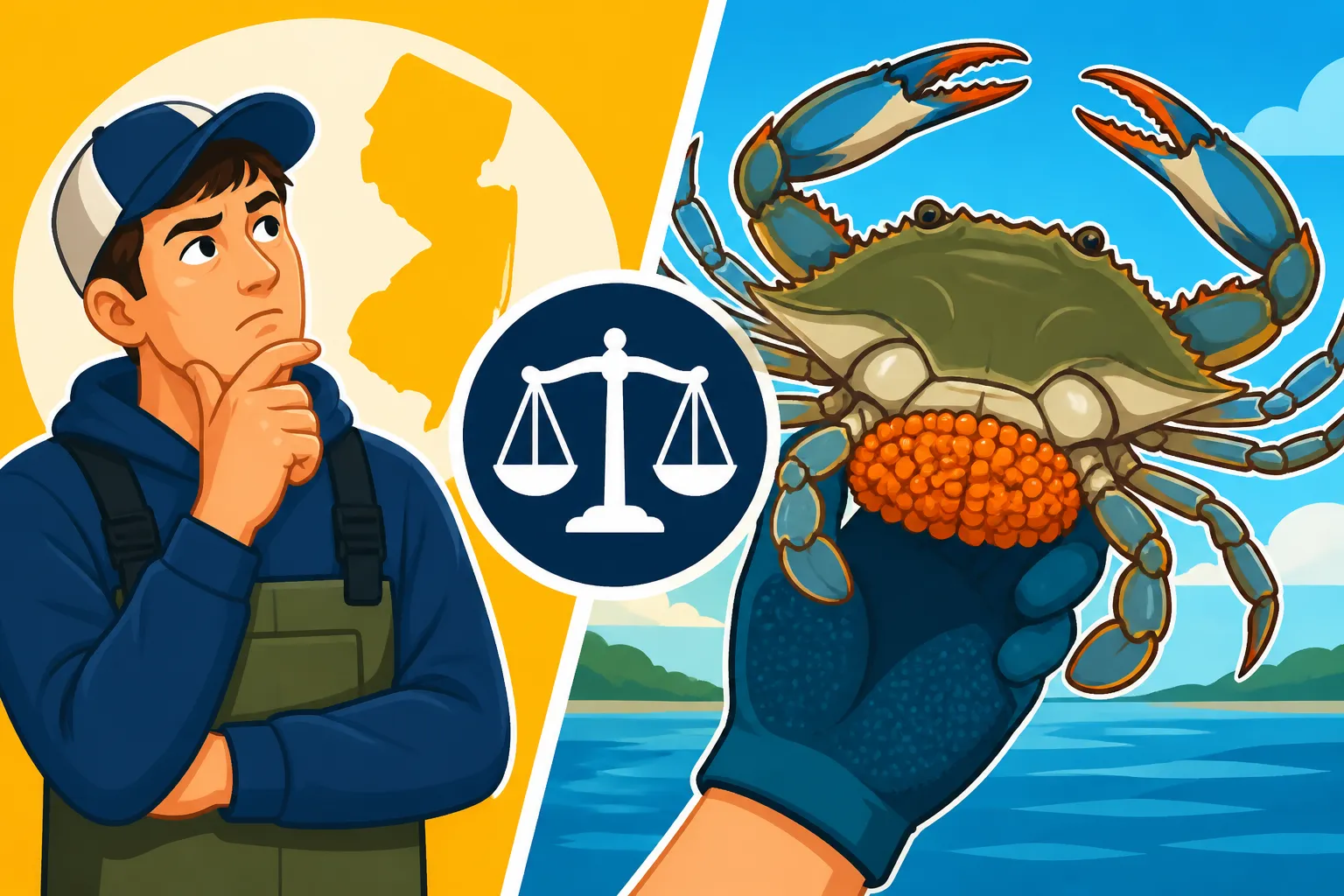
This is perhaps the most crucial aspect of why female blue crabs are protected. An egg-bearing female blue crab is often called a "sponge" crab because of the large, orange or yellow mass of eggs, resembling a sponge, that she carries under her apron. These eggs are visible to the naked eye, tucked neatly against her abdomen. Each "sponge" can contain millions of tiny eggs, and these crabs migrate to the lower salinity waters of estuaries and bays to release them.
It goes without saying that keeping a "sponge" crab is absolutely prohibited and entirely counterproductive to conservation efforts. When you encounter a female carrying eggs, you are literally holding the future of the blue crab population in your hands. Releasing her unharmed is paramount. The act of returning a sponge crab to the water is a direct investment in the sustainability of the fishery, guaranteeing that those eggs will hatch and contribute to the next generation of blue crabs that will eventually make their way into our traps and onto our dinner plates. It's a powerful reminder of our responsibility as anglers to be stewards of the environment. You'll find more details on this topic in our New Jersey Blue Claw Crab Guide.
Identifying Female Blue Claw Crabs
Knowing the rules is one thing, but being able to correctly identify a female blue claw crab is essential for every crabber to avoid accidental violations and contribute to conservation. Thankfully, distinguishing between male and female blue crabs is relatively straightforward once you know what to look for. The key lies in examining the crab's "apron," which is the plate on the underside of its body.
This isn't about guesswork; it's about a clear visual difference that once you see it, you'll remember. Taking the time to properly identify your catch before placing it in your cooler is a critical step in responsible crabbing. It’s an easy check that can save you a headache and, more importantly, save countless future crabs. Getting this right is a fundamental part of the overall New Jersey fishing regulations.
The "Apron" Test: A Clear Indicator
The most definitive way to identify a female blue claw crab is by looking at her "apron" on the underside of her shell. The apron is a flap that is folded against the crab's belly.
- Male Crabs: Have a long, narrow, T-shaped apron. It's often described as resembling the Washington Monument or an inverted "T." This shape is consistent and relatively easy to spot.
- Immature Female Crabs (Jimmies): Have a triangular-shaped apron. It's wider than a male's but not yet fully rounded. These are still protected.
- Mature Female Crabs (Sooks): Have a broad, rounded, dome-shaped apron. It looks much like the dome of the U.S. Capitol building or a wide "U" shape. This rounded apron is designed to hold the egg mass (the "sponge") when she is carrying eggs.
When you catch a crab, gently turn it over and observe the shape of this apron. It's the most reliable visual cue. If you're unsure, it's always best to err on the side of caution and release the crab. Many experienced crabbers carry a small magnifying glass or even just a clear mental image of these shapes to make quick, accurate identifications.
Here's a quick comparison:
| Feature | Male Blue Crab | Immature Female (Jimmie) | Mature Female (Sook) |
|---|---|---|---|
| Apron Shape | Narrow "T" | Triangular | Broad, Rounded |
| Pinchers | Often longer | Shorter | Shorter |
| Coloration | Blue-tipped | Orange-tipped | Orange-tipped |
| Legal to Keep? | Yes (if size met) | No | No |
Coloration and Other Visual Cues
While the apron is the absolute best indicator, there are other subtle visual cues that can help you distinguish between male and female blue crabs, particularly if you're quick at observing them. These cues are secondary to the apron test but can provide an initial hint:
- Pincer Coloration: Male blue crabs typically have blue-tipped pincers (claws). Female blue crabs, on the other hand, often have distinct orange or reddish tips on their pincers. This coloration can be quite striking on mature females and serves as another quick visual identifier.
- Overall Size: While not a rule, mature female blue crabs tend to be a bit smaller on average than the largest male blue crabs. This is a generalization, of course, as there are large females and small males, but it's something you might notice over time.
- Movement and Behavior: Some crabbers claim to notice subtle differences in how males and females move or react when handled, but this is far less reliable than anatomical features. Stick to the apron and pincer colors for accurate identification.
It’s always a good idea to have a blue crab identification chart handy, especially when you’re first starting out. You can often find these laminated charts at local bait and tackle shops, or even print one out before you go. Having that visual reference makes identifying your catch much easier, and ensures you're confidently adhering to the How Bag and Size Limits Work in New Jersey rules for blue crabs.
Exceptions and Nuances to the Rule
Now, you might be thinking, "Are there any times I can keep a female blue claw crab?" For recreational crabbers in New Jersey, the answer is pretty consistently no. The rule is quite strict and broad to protect the breeding stock. This uniformity simplifies enforcement and reduces confusion for the vast majority of people dropping traps or hand lines into the water for fun and dinner. However, understanding why some confusion exists, or why you might see differences in other contexts, can be helpful.
It's important to remember that regulations are designed with specific goals in mind. For recreational crabbing, the goal is often simplicity and maximum conservation impact. This means a blanket "no females" rule is the most effective way to achieve that. Don't be tempted by hearsay or old wives' tales; stick to the published regulations. Reading the New Jersey Fish and Wildlife Digest is always a smart move to stay informed.
The Commercial Crabbing Distinction (Briefly)
Here's where some of the confusion might arise for recreational crabbers. Commercial crabbers, who operate under different licenses and harvest quotas, may have different rules regarding female blue crabs. Historically, and in some current regulations, commercial harvesters might be permitted to keep a certain proportion of non-egg-bearing females, especially during specific seasons, to meet market demands. This is often part of a highly managed system with strict reporting requirements, gear restrictions, and limited entry.
However, it is absolutely crucial to understand that these commercial rules do not apply to recreational crabbers. If you are crabbing for personal consumption, even if you're using multiple traps, you are still bound by the recreational regulations. Seeing a commercial boat or waterman keeping female crabs does not mean you can. Always follow the rules that apply to your specific type of license and activity. For recreational purposes, the rule remains: release those females!
What to Do if You Catch a Female Crab
So, you've dropped your crab pot or pulled up your hand line, and there she is: a beautiful, legal-sized female blue claw crab, perhaps even carrying an egg sponge. What do you do? The answer is simple and direct: release her immediately and gently back into the water.
Here's how to do it properly:
- Identify Quickly: As soon as you bring in your catch, quickly check the apron shape. If it's a female, especially a "sponge" crab, prioritize her release.
- Handle Gently: Blue crabs, like all crustaceans, are delicate creatures, especially around their joints. Hold her firmly by the back edges of her shell, avoiding the claws. Do not drop her or toss her roughly.
- Return to Water: Place her back into the water directly, allowing her to swim away. Avoid putting her back into a bucket of other crabs where she might get stressed or injured before being released.
- No Delays: Don't hold her for photos unless it's a very quick, careful shot that doesn't stress the crab. The goal is a swift return to her natural environment.
Remember, every female crab you release is a potential producer of millions of new crabs. It's an easy and impactful way to contribute to the health and abundance of New Jersey's blue crab population. For more on handling regulations, check out Catch and Release Rules in New Jersey.
Penalties and Enforcement for Crabbing Violations
Ignoring crabbing regulations, whether intentionally or due to negligence, can lead to real consequences. The New Jersey Division of Fish and Wildlife's Conservation Police Officers (CPOs) are out on the waterways, performing checks and ensuring compliance. It’s not just about getting caught; it’s about upholding the integrity of the resource for everyone. Nobody wants their fun day on the water to end with a citation.
Understanding the potential penalties isn't meant to scare you, but to reinforce the importance of knowing and following the rules. These regulations, including the prohibition on keeping female blue crabs, are in place for the long-term health of the fishery. When you adhere to them, you're not just avoiding a fine, you're actively participating in conservation. This is part of the larger discussion about Penalties for Fishing Without a License in New Jersey, though crabbing violations specifically target the resource.
Fines and Legal Consequences
Being caught with illegal female blue claw crabs, or any other violation like undersized crabs or exceeding bag limits, can result in significant penalties. While I can't give you exact dollar amounts, as these can change, you should expect:
- Monetary Fines: These can range from moderate to substantial, depending on the severity and frequency of the offense. Each illegal crab might incur a separate fine.
- Court Appearances: Serious violations might require a court appearance, which means time, legal fees, and potential court costs on top of any fines.
- Seizure of Equipment: In some cases, your crabbing equipment (traps, lines, even your boat in extreme circumstances) could be seized.
- Loss of Future Privileges: Repeated or severe offenses could impact your ability to obtain future fishing or crabbing licenses.
The CPOs are generally fair, but they are also firm about enforcing regulations designed to protect marine life. It's always better to be safe than sorry; if you're ever in doubt about a crab's sex or size, the safest bet is always to release it. Don't let a moment of uncertainty turn into a costly mistake.
How Conservation Police Enforce Crabbing Regulations
New Jersey's Conservation Police Officers are out on the water year-round, patrolling bays, rivers, and coastal areas where crabbing is popular. They conduct routine checks to ensure all anglers and crabbers are in compliance with state regulations. Here’s what you might expect:
- Waterway Patrols: CPOs patrol in boats, often approaching crabbers on the water or those tending traps near docks and shorelines. They might pull alongside your boat or approach you on a pier.
- Dockside Inspections: They frequently check crabbers as they come ashore or are packing up their gear after a day of crabbing. This is a common time for them to ask to see your catch.
- License and Registration Checks: Beyond checking your catch, they will also verify that you have any necessary licenses or registrations, such as a freshwater fishing license if you're in certain tidal rivers, or confirming your saltwater registry if applicable. Keep in mind that for crabbing, Do You Need a License to Crab in New Jersey? is a question with a nuanced answer depending on your gear and location.
- Equipment Checks: They might inspect your crabbing gear to ensure it meets specifications (e.g., proper escape vents on pots, correct trap types).
- Education and Warnings: While CPOs are enforcers, they also serve as educators. For minor, first-time infractions, you might receive a warning and an explanation of the rules. However, for clear violations, especially those impacting conservation, expect a citation.
The best way to ensure a smooth interaction with a CPO is to be cooperative, polite, and most importantly, to already be in full compliance with all regulations. They're doing their job to protect the resource we all enjoy.
Responsible Crabbing Practices for All Anglers
Crabbing in New Jersey is a beloved pastime, a fantastic way to enjoy the outdoors, and a delicious reward when done right. But with that privilege comes a responsibility to practice good stewardship. Adhering to regulations, understanding the life cycle of the blue crab, and exercising care in handling your catch are all part of being a responsible angler. It's about respecting the resource so that blue crabs continue to thrive in our waters for generations to come.
Thinking about all the regulations can feel a bit overwhelming, but it boils down to a few key principles: know your target, know the rules, and treat the environment with respect. Many new crabbers find it helpful to consult resources like the New Jersey Blue Claw Crab Guide to fully grasp all aspects of the sport.
Best Practices for Handling and Releasing Crabs
When you're crabbing, especially if you're catching a lot, proper handling is key for both the crabs you plan to keep and, crucially, those you need to release. Stress and injury can reduce a released crab's chance of survival, defeating the conservation purpose.
Here are some tips for handling and releasing crabs gently:
- Use the Right Tools: A good pair of crab tongs or heavy-duty gloves can help you safely handle crabs without getting pinched. Avoid grabbing them by a single leg or claw, as these can easily break off.
- Minimize Air Exposure: Crabs breathe underwater. Keep their time out of the water to a minimum. Quickly check sex and size, and then get them back in.
- Gentle Release: Don't simply drop crabs from a height onto the water. Gently place them back in, allowing them to swim down on their own. This is especially important for soft-shell crabs or egg-bearing females.
- Avoid Overcrowding: If you're keeping legal crabs, don't overcrowd them in a bucket. Give them space, and keep them cool and moist with a wet cloth, but not submerged in standing freshwater.
- Be Mindful of Hook Removal: If a crab somehow gets snagged on your fishing line, try to remove the hook as gently as possible. Cut the line close to the hook if removal is difficult and causes too much stress.
These simple practices go a long way in ensuring that the crabs you release have the best possible chance to thrive and reproduce. It's a small effort that yields big conservation benefits.
Other Blue Claw Crab Regulations to Remember
While the "no female" rule is a major one, it's not the only regulation you need to be aware of when crabbing in New Jersey. To be a truly responsible and legal crabber, keep these other important rules in mind:
- Size Limits: All blue claw crabs you keep must meet a minimum size limit. This is typically measured from tip to tip of the carapace (the hard upper shell). Always carry a measuring device and check every crab. This minimum size ensures crabs have had a chance to mature and reproduce at least once. Need a measuring device? You can find reliable ones on Amazon. For specific figures, look up What Is the Size Limit for Blue Claw Crabs?.
- Daily Bag Limits: There's a limit to how many crabs you can keep per person per day. This helps prevent overharvesting and ensures everyone has a fair chance at catching some crabs. New Jersey Daily Bag Limits by Species will have the current numbers.
- Gear Restrictions: New Jersey has rules about the types and number of crabbing devices you can use. This includes trotlines, crab pots, hand lines, and traps. Always check the regulations for specific details on how many devices you can deploy and their design, especially regarding escape vents.
- Licensing/Registry: For most recreational crabbing with hand lines or dip nets, a license isn't required. However, if you plan to use crab pots or trotlines, you might need a specific recreational crabbing license or permit. Also, remember that even if you don't need a specific crabbing license, if you're also fishing, the New Jersey Saltwater Registry Explained might apply to you. Always double-check current requirements to ensure you're covered.
- Seasonal Considerations: While blue crabs don't typically have strict closed seasons like some fish species, their abundance and quality fluctuate with water temperature. Most crabbing activity takes place from late spring through fall. Best Time to Catch Blue Claw Crabs in New Jersey offers some great advice.
- Public vs. Private Property: Be mindful of where you're crabbing. Always respect private property signs and be aware of any restrictions in state parks or other managed areas.
By following these guidelines and staying informed, you'll be well on your way to enjoying years of successful and sustainable crabbing in the Garden State. Happy crabbing!
Disclaimer
This article is for general informational purposes only and does not constitute professional advice. Laws, prices and regulations vary by location and change over time. Consult a qualified professional for guidance on your specific situation.