Can You Keep a Skate You Catch in New Jersey?
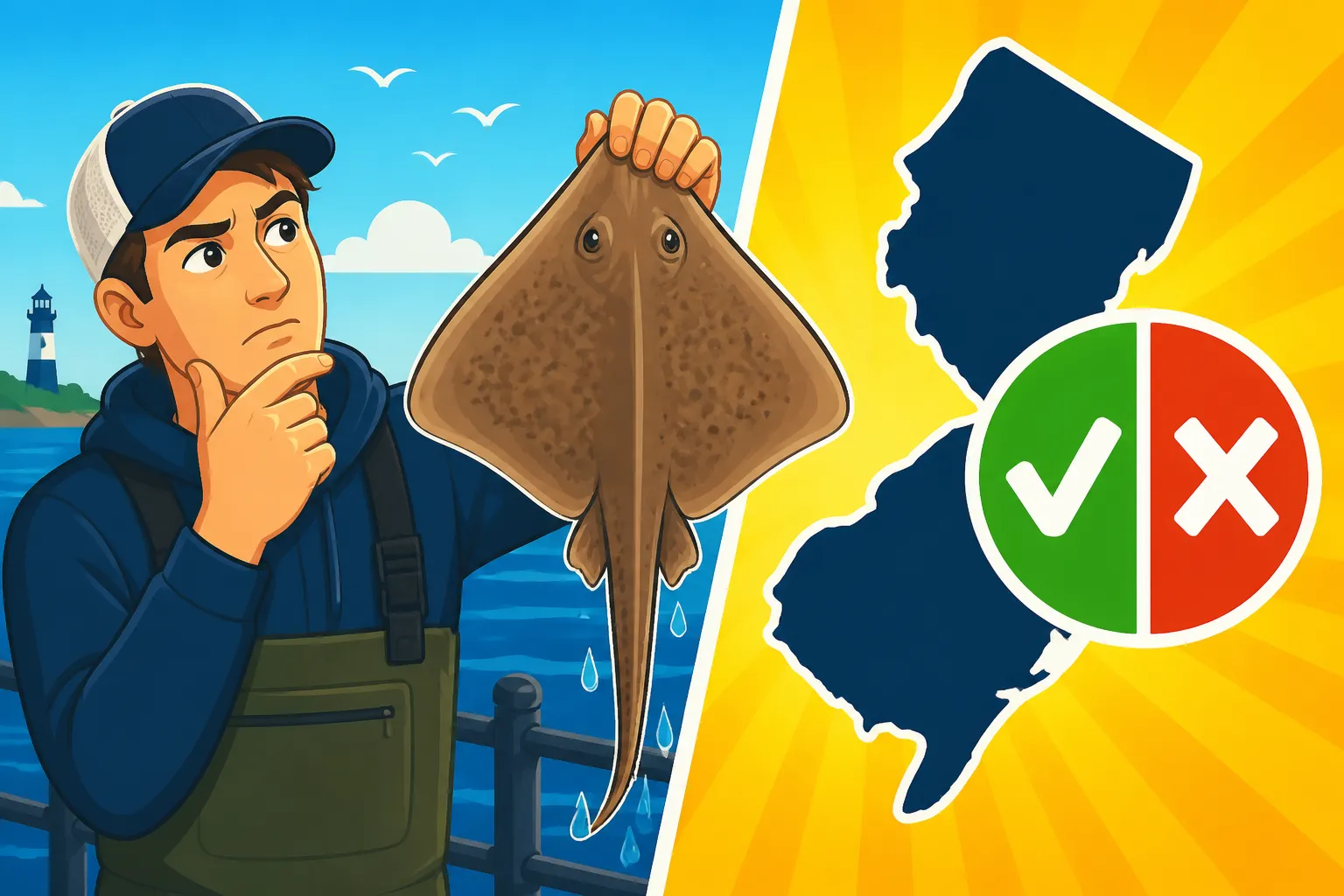
It's a common scenario for many anglers casting lines in New Jersey's coastal waters: you're reeling in what you hope is a striped bass or a nice fluke, and instead, you feel that familiar, dead weight of a skate. Often considered bycatch or a "trash fish" by some, the question inevitably pops into your mind: "Can I keep this thing?" This guide will clear up the rules and shed some light on the often-misunderstood world of skates in New Jersey, helping you decide whether to keep your catch or safely send it back.
The Enigmatic World of Skates in New Jersey Waters
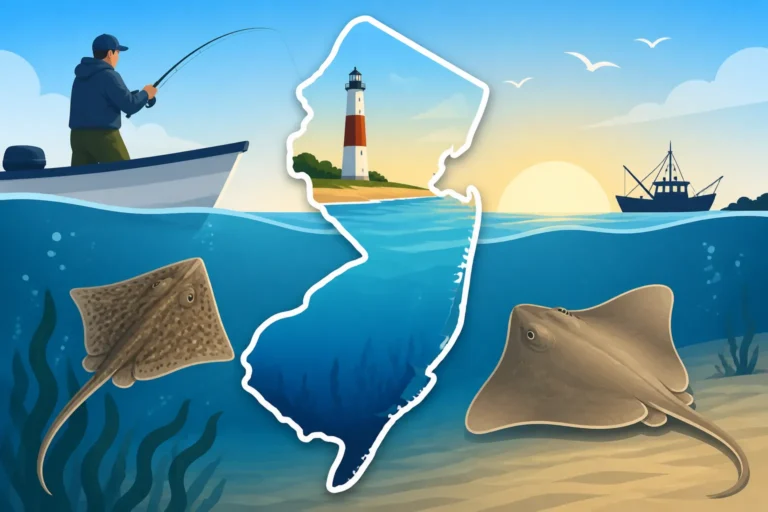
Skates are fascinating creatures, often mistaken for their ray cousins due to their flattened bodies and broad, wing-like pectoral fins. They spend most of their lives cruising the bottom, a crucial part of our marine ecosystem. While they might not be the glamour species like tuna or even a big bluefish, they're a part of the Jersey Shore's rich underwater tapestry.
Common Skate Species You Might Encounter
New Jersey waters are home to several species of skates, each with its own unique characteristics. The most common ones you'll likely pull up are the little skate and the clearnose skate, but depending on where you're fishing, you might also find winter skates or even, less commonly, larger species like the barndoor skate further offshore.
- Little Skates: These are probably the most frequently encountered by recreational anglers. They're relatively small, typically only reaching about two feet in length, and have a distinctive, somewhat triangular snout. They're found everywhere from shallow bays to deeper offshore wrecks.
- Clearnose Skates: Easily identified by the translucent patches on either side of their snout, clearnose skates tend to be a bit larger than little skates, often reaching three feet. They prefer sandy or muddy bottoms and are common in many of our bays and nearshore ocean environments.
- Winter Skates (Big Skates): As their name suggests, these skates are more prevalent in colder waters and can grow quite large, sometimes up to four feet across. They have a rougher skin texture compared to the smoother little and clearnose skates. You'll often find these a bit further offshore or in deeper nearshore channels.
Many anglers might simply cut the line, seeing them as a nuisance, but some appreciate them for their unique culinary qualities. Knowing which species you've hooked can sometimes inform your decision, though for recreational keeping, the rules are largely consistent across these species in state waters. For a deeper dive into these interesting bottom dwellers, check out our New Jersey Skate and Ray Species Guide.
Why Anglers Often Overlook Skates
Let's be honest, skates don't often make it onto the dinner plate for most New Jersey families, despite their potential. Part of this comes down to perception. They're bottom-dwellers, often slimy, and let's face it, they don't exactly look like a prime catch when flopping around on the deck. Many anglers target species like fluke or striped bass, and a skate on the line means time spent reeling in something you weren't looking for, potentially missing out on your target.
Another reason is the processing. Unlike a round fish that's relatively easy to fillet, skates require a different approach. You're essentially harvesting their "wings" – the large pectoral fins – which is where the edible meat is located. This process can be intimidating for those unfamiliar with it, and it feels like a lot of work for what might seem like a small yield compared to the overall size of the fish. This leads to them being frequently relegated to the "bycatch" category, safely returned to the water. Some folks just aren't sure how to handle them or what to do with them once they're caught, so sending them back seems like the easiest solution.
New Jersey Regulations for Keeping Skates
Now, for the burning question: Can you actually keep a skate you catch in New Jersey? The good news for those curious enough to try them is that, for most recreational purposes, the answer is generally yes.
Are There Specific Size or Bag Limits?
Here's where it gets interesting and often surprises new anglers: for most common recreational skate species in New Jersey, there are no specific recreational size limits or daily bag limits. That means if you catch a little skate, a clearnose skate, or a winter skate within state waters, you are generally allowed to keep it, regardless of its size or how many you’ve already caught, as long as you're fishing recreationally and adhere to general fishing license requirements.
This stands in stark contrast to many of our other popular game fish. Think about the strict New Jersey Fluke Size and Bag Limits Explained or the very specific New Jersey Striped Bass Slot Limit Explained that anglers must carefully measure and adhere to. Skates, because they haven't historically been under the same recreational fishing pressure and aren't typically a primary target for most anglers, simply don't have the same level of regulation in recreational state waters.
However, a critical piece of advice is to always, always consult the most current regulations. While this has been the status quo for some time, regulations can change. The best place to verify this information is by checking the official New Jersey Fish and Wildlife Digest: Where to Find the Current Rules or the New Jersey Division of Fish and Wildlife website before each fishing season. It's your responsibility as an angler to know the current rules.
The Importance of Knowing Federal vs. State Rules
When you're out on the water, especially in the ocean, it's easy to forget that there are invisible lines that differentiate state and federal jurisdictions. In New Jersey, state waters extend out to three nautical miles from shore. Beyond that, you enter federal waters. While the recreational rules for skates are generally open in state waters, it's worth a quick mention that federal regulations can differ, particularly for commercial fisheries.
For the vast majority of recreational anglers sticking to the bays, inlets, and nearshore ocean, you'll be fishing in state waters where the "no limit" rule for skates typically applies. However, if you're venturing further offshore, say on a deep sea fishing trip, it's always wise to confirm if there are any federal guidelines that might come into play, especially if you're on a vessel that might also engage in commercial activities or is targeting other species that are federally managed. Always remember that possessing the proper licenses, like your New Jersey Fishing License Guide for 2026 and New Jersey Saltwater Registry Explained, is paramount regardless of the species you're targeting or the specific limits (or lack thereof) for skates.
Ethical Considerations and Best Practices for Handling Skates
Just because you can keep a skate doesn't always mean you should, or that you have to. Many anglers, even those who know the rules, opt for catch and release with skates for various reasons. It's all about making informed, responsible decisions on the water.
Catch and Release for Skates
For many, skates are simply bycatch—an unintended consequence of fishing for something else. If you're not planning to eat them, the most ethical choice is to release them properly. Skates, like all marine life, deserve to be handled with care to ensure their survival.
Here are some best practices for catch and release:
- Minimize Handling: Try to handle the skate as little as possible. If you can unhook it while it's still in the water, that's ideal.
- Wet Hands: If you must handle the skate, wet your hands first. Dry hands can remove the protective slime coat, making the fish more susceptible to disease.
- Gentle Unhooking: Use pliers or a dehooking tool to remove the hook quickly and cleanly. Skates have mouths on their undersides, so you might need to flip them over gently. Be mindful of any small barbs or spines on their tails, although most common New Jersey skates are not considered dangerous in this regard, it's always wise to exercise caution.
- Support Their Body: If lifting a skate, support its body evenly rather than just grabbing it by a fin or the tail. This prevents undue stress or injury.
- Quick Release: Get them back into the water as quickly as possible. Sometimes a gentle push forward through the water can help them orient themselves before swimming away.
Practicing responsible catch and release not only aids conservation but also contributes to a healthier ecosystem for all species. You're helping ensure there are plenty of interesting creatures, including skates, for others to encounter on future trips. This commitment to healthy fish populations is a big part of why programs like the New Jersey Recreational Fishing Survey: Why You Might Get a Call exist, gathering data to inform conservation efforts.
Preparing Skates for the Table
If you're one of the adventurous anglers who wants to try a skate for dinner, you're in for a unique culinary experience. The edible parts of a skate are the "wings," which are the large pectoral fins. The meat is firm, white, and often described as having a texture similar to scallops or crab meat, with a mild, slightly sweet flavor. It's a favorite in European cuisine, particularly in France, where it's known as "raie."
Here’s a general idea of how to process a skate:
- Bleed and Ice: Immediately upon catching, if you decide to keep it, bleed the skate by making a cut behind its head and place it on ice in a cooler. This helps ensure the best possible flavor and texture.
- Separate the Wings: Lay the skate flat on a cutting surface. Using a very sharp, flexible fillet knife, you'll cut along the cartilaginous ridge that runs down the middle of its body, from head to tail. Then, carefully cut along the base of the pectoral fin, separating the "wing" from the main body. Repeat for the other side.
- Skinning the Wings: Skate wings have a leathery skin that needs to be removed. You can often peel this off, especially if the skate is fresh and cold. Start by gripping a corner of the skin with pliers and carefully pulling it away from the meat. Some find it easier to score the skin first.
- Cooking: Once skinned, the wings can be cut into smaller portions. They are excellent pan-fried, grilled, or poached. A classic preparation is "skate wing with brown butter and capers," which truly highlights its delicate flavor.
Don't be intimidated by the process! There are many excellent videos and guides online that demonstrate how to fillet and prepare skate wings. It's a fantastic way to utilize a fish that often goes unappreciated.
What You Need to Know Before Taking a Skate Home
Deciding to keep a skate is a personal choice, but like any fishing activity, it comes with responsibilities. Beyond the immediate act of catching and handling, there are broader regulatory and practical considerations to ensure you're fishing legally and safely.
General Fishing License Requirements
Let's reiterate one crucial point: even though skates themselves might not have specific size or bag limits in New Jersey's recreational state waters, you are still required to possess a valid New Jersey fishing license if you are 16 years of age or older and fishing in freshwater, or if you are fishing in saltwater for any species that requires a license.
For saltwater fishing in New Jersey, while many species fall under the New Jersey Saltwater Registry Explained, which is free and mandatory for many anglers, the general rule is that you need to be properly licensed for whatever waterbody you're in. This means if you’re fishing in a freshwater lake and happen to catch something unusual, you’d need a freshwater license. If you're out in the bay or ocean, you'll need to adhere to saltwater requirements.
Think of it this way: your license allows you to fish in designated waters for regulated species. The absence of specific limits on skates doesn't exempt you from the fundamental requirement of having a license to be fishing in the first place. You can learn more about these requirements, including age specifics, in our New Jersey Fishing License Guide for 2026 and New Jersey Resident Fishing License Requirements. Always carry proof of your license, whether it's a physical copy or a digital one on your phone.
Equipment for Handling and Transporting Skates
Bringing a skate home requires a little foresight, especially if you're not used to keeping them. Their broad, flat bodies take up more space than a comparably sized round fish, so planning is key.
Here's what you might need:
- Adequate Cooler Space: A small cooler might be fine for a couple of fillets, but a whole skate (even just the wings) can take up a lot of room. Make sure you have a cooler large enough to accommodate your catch, packed with plenty of ice.
- Sharp Fillet Knife: If you plan to fillet the wings on the boat or right after catching, a very sharp, flexible fillet knife is essential. This makes the separation process much easier and cleaner. Many anglers swear by knives you can find on Amazon or at a local tackle shop.
- Pliers or Dehooker: As mentioned for catch and release, these tools are invaluable for safely and quickly removing hooks, especially if the hook is deep or the skate is particularly feisty.
- Heavy-Duty Gloves: While most common skates in New Jersey aren't highly venomous, they can be slimy, and some species do have small dermal denticles (skin teeth) or spines that can be abrasive. A good pair of robust fishing gloves can protect your hands during handling and filleting. You can find excellent options for durable fishing gloves from brands available on Amazon.
- Cleaning Supplies: Having a rag or paper towels on hand can help keep your hands and boat clean from slime and blood, especially if you're doing any processing on board.
- Plastic Bags: Once you’ve filleted the wings, separate them into plastic bags and place them back on ice. This keeps the meat clean and helps prevent cross-contamination.
Being prepared with the right gear not only makes the process smoother but also ensures that if you decide to take a skate home, you can do so efficiently and ethically.
| Skate Species (Common NJ) | Typical Size Range | Distinguishing Features | Recreational Limits (NJ State Waters) | Culinary Notes |
|---|---|---|---|---|
| Little Skate | 1-2 feet | Triangular snout, small size | None (no size/bag limits) | Mild flavor, often overlooked |
| Clearnose Skate | 2-3 feet | Translucent patches on snout | None (no size/bag limits) | Good texture, similar to scallops |
| Winter Skate | 3-4 feet | Rough skin, larger size | None (no size/bag limits) | Flavorful, firm meat |
Disclaimer
This article is for general informational purposes only and does not constitute professional advice. Laws, prices and regulations vary by location and change over time. Consult a qualified professional for guidance on your specific situation.