Do Seniors Need a Fishing License in New Jersey?
One of the most common questions we hear from our more seasoned anglers here in the Garden State is about fishing licenses. It's easy to get confused with all the different rules and exemptions, especially as you get older, and nobody wants to risk a fine just for enjoying a peaceful day by the water. This comprehensive guide is designed to clear up all the uncertainty surrounding New Jersey fishing license requirements for seniors, ensuring you know exactly what you need – or don't need – before casting your line.
Understanding New Jersey's Age-Based Exemptions
It's a wonderful thing when the state recognizes the contributions of its elder citizens, and in New Jersey, that recognition extends to our fishing regulations. However, the rules aren't quite as straightforward as some might assume, leading to a lot of unnecessary worry. Many folks just assume that once you hit a certain age, all license requirements disappear, but that's not entirely the case. Let's dig into the specifics to avoid any surprises.
The 70 and Older Exemption: What it Means for You
Here's the good news that many seniors look forward to: If you are 70 years of age or older and are a New Jersey resident, you are completely exempt from needing a freshwater fishing license. This is a fantastic benefit for those who have spent decades enjoying our state's beautiful lakes, rivers, and streams, or for those just picking up the hobby in their golden years. It's the state's way of saying, "Thank you for being a part of our community, now go enjoy some fishing!"
This exemption applies to both male and female residents who have reached their 70th birthday. You don't need to apply for a special "senior" license; the exemption is automatic based on your age and residency. This means you can fish for bass, trout, panfish, and all other freshwater species without purchasing an annual license, which is a nice little saving and one less thing to worry about. For more details on this, check out our guide on how New Jersey Fishing Is Free for Anglers Age 70 and Older.
No Special Senior License for Those 70+
Because the exemption for residents 70 and older is a complete waiver, there isn't actually a "senior fishing license" to purchase or apply for once you hit that milestone. This often confuses people who might expect to get a free license or a specific senior permit. Instead, the law simply states that you are exempt. This is different from how some other states handle senior fishing, where a reduced-fee senior license might still be required.
For New Jersey residents age 70 and above, your valid photo identification proving your age and residency is your "license" when fishing freshwater. There's no paperwork to fill out, no online application to navigate, and no trip to a retailer needed for your freshwater pursuits. This makes getting out on the water incredibly easy and hassle-free, which is exactly what we want for our senior community.
Proof of Age and Residency: What to Have Handy
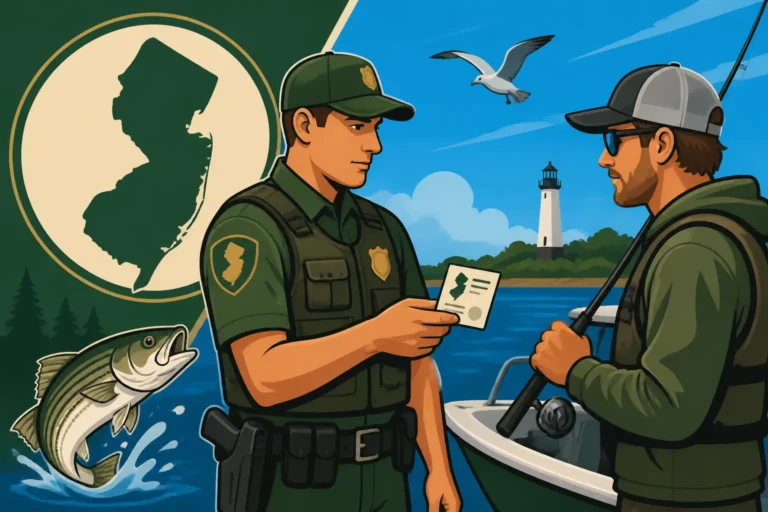
Even though you don't need a physical license or stamp if you're a New Jersey resident aged 70 or older, you absolutely must be able to prove your age and residency if asked by a New Jersey Conservation Police Officer. This is critical. Think of your driver's license or state-issued ID card as your proof. It needs to clearly show your date of birth and your current New Jersey address.
Imagine you're enjoying a quiet afternoon fishing for trout on the Musconetcong River, and a conservation officer approaches. They're just doing their job, ensuring everyone is following the rules. Having your ID ready to show your age and New Jersey residency will make the interaction quick and smooth. It’s a simple step that saves a lot of potential headaches and verifies that you are indeed covered by the exemption. Our guide on What Documents Prove New Jersey Residency for a Fishing License? can offer more insights into acceptable forms of identification.
Navigating the 65-69 Age Bracket: Licensing Requirements and Costs
This is where the confusion often truly sets in. Many people hear "senior" and immediately think "exempt" or "free license." However, New Jersey's specific cutoff means there's a particular age range that does still require a license, albeit at a reduced rate for residents. This is a point of frustration for many anglers who are just shy of that 70-year mark, and it's important to understand the distinctions to stay compliant.
Why the 65-69 Age Group Still Needs a License
If you are a New Jersey resident between the ages of 65 and 69, you are not exempt from needing a freshwater fishing license. This is a crucial detail that often catches people off guard. While you might be considered a "senior" in many other contexts, for fishing license purposes in New Jersey, the full exemption kicks in only at age 70. This means if you're 67 and planning a trip to Lake Hopatcong, you'll still need to purchase a license.
The reasoning behind this specific age cutoff can be complex, often tied to legislative decisions and funding models for conservation efforts. Regardless of the reason, it's the current law, and adhering to it is important for supporting fish stocking programs, habitat restoration, and enforcement that benefits all anglers. Ignoring this requirement, even inadvertently, could lead to penalties, so it's always best to be sure.
Resident Senior Fishing License Costs and Options
For New Jersey residents aged 65 to 69, the state offers a significantly discounted "Senior Resident Annual Fishing License." This is a full freshwater fishing license valid for a year, but at a much lower price point than the standard adult resident license. It’s a great compromise, acknowledging that while you're not fully exempt yet, the state wants to make fishing affordable for its older population. The cost is usually just a few dollars, making it very accessible.
This license covers all freshwater fishing opportunities, from trout streams to bass lakes. You can purchase this license easily online through the NJDEP Fish & Wildlife website, or in person at authorized license agents like bait and tackle shops, Walmart, or other sporting goods stores. Make sure to have your proof of age and residency when purchasing, as these documents will be required to verify your eligibility for the senior rate. For precise pricing, check our article on New Jersey Senior Fishing License Cost for Ages 65 to 69.
Nonresident Senior License Considerations
Now, let's talk about our wonderful visitors who are seniors but don't reside in New Jersey. The age-based exemption for fishing licenses is strictly for New Jersey residents. This means if you are 70 years or older but live out of state, say in Pennsylvania or New York, you are still required to purchase a nonresident fishing license to fish in New Jersey's freshwaters. This applies whether you're visiting family or just enjoying a vacation down the shore or up in the mountains.
Nonresident seniors will need to purchase a standard New Jersey Nonresident Annual Fishing License Requirements. There isn't a special "nonresident senior" discount in New Jersey, unlike some other states. However, there are shorter-term options like a 2-day or 7-day vacation license that can be a cost-effective choice if you're only visiting for a short period. Always make sure to check the current year's fees and regulations before your trip.
Applying for Your New Jersey Fishing License as a Senior
Whether you're in the 65-69 age bracket needing a discounted resident license or a nonresident senior needing a full-price one, the process for obtaining your license is relatively straightforward. The goal is to make it as easy as possible to get on the water legally, and thankfully, New Jersey offers several convenient avenues for purchasing.
Online vs. In-Person Purchase: Choosing Your Method
You have a couple of main options for purchasing your New Jersey fishing license. Many people, especially those who are comfortable with technology, find buying their license online to be the most convenient method. The New Jersey Department of Environmental Protection (NJDEP) Fish & Wildlife website offers a secure platform where you can purchase and print your license from the comfort of your home. This is great if you're planning a last-minute trip or just prefer to avoid a store. Our guide on How to Buy a New Jersey Fishing License Online walks you through this process.
However, if you prefer a more traditional approach, or simply enjoy the camaraderie of a local bait shop, you can still purchase your license in person. Authorized license agents are scattered throughout the state, from independent tackle shops to larger retailers like Amazon (though they don't sell licenses directly, their fishing departments are great for gear) or even Walmart. Buying in person allows you to ask questions, get local fishing reports, and often pick up bait and tackle all in one stop. You can find a list of Retailers That Sell New Jersey Fishing Licenses, Including Walmart on the state's website.
Required Documentation for Seniors
Regardless of whether you purchase online or in person, you'll need specific documentation to verify your eligibility, especially for that resident senior discount. The most important items are:
- Proof of Age: This typically means a valid driver's license, state-issued identification card, or birth certificate. Your date of birth must be clearly visible.
- Proof of Residency: If you're applying for a resident senior license, you'll need to prove you live in New Jersey. Your driver's license or state ID card usually serves this purpose, as it lists your current address. Utility bills or property tax statements can also sometimes be used if your primary ID doesn't reflect your current residency.
It's always a good idea to have these documents readily available, whether you're inputting details into an online form or presenting them to a clerk at a local vendor. Double-checking you have the correct information will prevent any delays or issues with your purchase.
Step-by-Step Purchase Process
Here's a general outline of what to expect when purchasing your license:
- Gather Your Information: Have your personal details ready, including your full name, address, date of birth, and a form of identification.
- Choose Your License Type: Select the appropriate license – for resident seniors aged 65-69, it's the "Senior Resident Annual Fishing License." Nonresidents will select a "Nonresident Annual" or "Nonresident 2-Day/7-Day" license.
- Online Purchase: Navigate to the NJDEP Fish & Wildlife license sales portal. You'll likely need to create an account if you don't already have one. Follow the prompts to enter your information, select your license, and process payment. Once complete, you can print your license immediately.
- In-Person Purchase: Visit an authorized license agent. Inform the clerk what type of license you need. They will ask for your identification to verify your age and residency. After processing the transaction, they will print out your physical license.
- Carry Your Proof: Once you have your license (or if you're 70+ and exempt), always carry proof of it (or your ID if exempt) whenever you are fishing. It’s not just a suggestion; it’s a requirement.
Remember, fishing licenses are valid from January 1st to December 31st of the calendar year they are purchased for, regardless of when you buy them. It's not a rolling 12-month period from your purchase date, so plan accordingly for New Jersey Fishing License Renewal Rules.
Beyond the License: Saltwater Registry and Other Permits
The world of fishing regulations in New Jersey extends beyond just your basic freshwater license. Many seniors, especially those living near the coast, enjoy fishing in saltwater environments. It's a common misconception that if you're exempt from a freshwater license, you're exempt from everything else. This isn't true. There are additional requirements that apply to all anglers, including seniors, when it comes to saltwater and specific types of fishing.
The New Jersey Saltwater Registry for All Anglers
This is a big one and a frequent source of confusion. New Jersey, like many coastal states, requires anglers to register with the state for saltwater fishing purposes. This is known as the New Jersey Saltwater Registry. Crucially, this requirement applies to everyone, regardless of age, who fishes in marine waters. This means if you're a New Jersey resident over 70 and exempt from a freshwater license, you still need to register for saltwater fishing if you plan to target striped bass, fluke, bluefish, or any other species in the ocean or tidal bays.
The good news is that The New Jersey Saltwater Registry Is Free to Join. It doesn't cost anything, but it is mandatory. This registry helps the state and federal government collect vital data on recreational fishing effort, which is used to manage fish stocks and ensure sustainable fishing for the future. You can easily register online through the NJDEP Fish & Wildlife website. It's a quick, free process, and it keeps you compliant when enjoying the Jersey Shore's incredible marine fisheries. You can also find out How to Register for New Jersey's Saltwater Registry Program by visiting our detailed guide.
Do Seniors Need a Trout Stamp?
Another specific permit that often raises questions is the trout stamp. In New Jersey, if you plan to fish for or possess trout in any of the state's designated trout waters, you need a trout stamp. This applies to most stocked waters and streams across the state. The critical question for seniors is whether the exemption or reduced-fee license also covers the trout stamp.
The answer is, unfortunately, no. Even if you are a New Jersey resident aged 70 or older and are exempt from the general freshwater fishing license, you are still required to purchase a trout stamp if you plan to fish for trout. Similarly, if you are a resident aged 65-69 and have purchased your discounted senior license, you will also need to purchase a trout stamp in addition to your license. The trout stamp is a separate requirement that helps fund the state's extensive trout stocking program. It's a small additional cost, but vital for those who love chasing rainbow and brown trout. Check out our guide on New Jersey Trout Stamp Requirements Explained for all the details.
Special Area Permits and Park Rules
Beyond the standard licenses and registries, some specific fishing locations in New Jersey might have their own unique permit requirements or rules that apply to all anglers, regardless of age. For example, certain state parks or wildlife management areas might require a separate access pass or have specific regulations on fishing hours or methods.
Island Beach State Park, a popular spot for surf fishing, has its own rules, particularly if you want to drive a 4×4 vehicle onto the beach for fishing access. While the fishing itself is covered by your license/exemption and saltwater registry, the vehicle access requires a separate permit. Always check with the specific park or property manager before you go, especially for more remote or managed fishing areas. A quick search online for the specific location, or a call to the park office, can save you from unexpected fines or misunderstandings.
Important Considerations and Common Misconceptions
Fishing regulations can be a maze, and it's easy to fall prey to common misconceptions, especially when exemptions are involved. For seniors, understanding these nuances is key to ensuring a relaxing day on the water without legal worries. Let's tackle some of the frequent questions that pop up.
Reciprocity with Neighboring States
Many New Jersey residents, including seniors, live close to our state borders and often fish in shared waters or cross into neighboring states. The question of whether your New Jersey license or exemption is valid in, say, New York or Pennsylvania comes up often. Unfortunately, fishing licenses and exemptions are generally not reciprocal across state lines unless a very specific agreement is in place for a particular body of water.
For example, if you're a New Jersey resident over 70 and you want to fish in the non-tidal waters of the Delaware River that border Pennsylvania, your New Jersey exemption doesn't cover you for the Pennsylvania side of the river, or for any Pennsylvania tributary. You would need to purchase a Pennsylvania fishing license to legally fish there. New Jersey does have some New Jersey Reciprocal Fishing Waters With Pennsylvania agreements on parts of the Delaware River, so it's essential to research the exact stretch of water you plan to fish. Always err on the side of caution and obtain the necessary license for the state you are actively fishing in, even if it's just across the river.
Fishing Private Ponds and Lakes
Another common query is about fishing in private waters. Does a senior need a license to fish in a private pond or lake in New Jersey? The general rule is this: If the pond or lake is entirely privately owned, completely enclosed, and does not have any direct connection to other public waters (meaning fish can't move freely in and out), then a state fishing license is typically not required. This often applies to small, landlocked ponds on private property.
However, many "private" lakes or ponds do have connections to public waterways, even if it's just an outflow stream. If there's any public access or connection, then state licensing rules generally apply. The safest bet is always to assume you need a license unless you are absolutely certain of the private, enclosed nature of the waterbody and have permission from the landowner. If you're a senior and exempt for freshwater, then your ID would suffice here, assuming it's truly a private, non-connected water. When in doubt, it's better to be compliant.
Carrying Proof of Exemption or License
We've mentioned this before, but it bears repeating because it's so fundamental to legal fishing: always carry proof. If you are a New Jersey resident aged 70 or older, your valid photo ID clearly showing your date of birth and New Jersey residency is your essential document. You must be able to present it to a Conservation Police Officer upon request. Failing to do so can result in unnecessary complications, even if you are legitimately exempt.
For seniors aged 65-69, or any other angler who purchases a license, you must carry your physical fishing license (or a digital copy on your phone, though a printed copy is often recommended in case of battery issues or poor signal) whenever you are fishing. Think of it like your driver's license when you're driving – you wouldn't leave home without it. An officer performing a routine check will expect to see it, and it's your responsibility to have it readily accessible. Our guide on Carrying Proof of Your New Jersey Fishing License elaborates on these requirements. Being prepared ensures your fishing trip remains enjoyable and free of legal hassle.
Summary Table: New Jersey Senior Fishing License Requirements
To help clarify everything discussed, here's a quick summary of the requirements for seniors in New Jersey:
| Age Group (New Jersey Resident) | Freshwater Fishing License Required? | Cost | Trout Stamp Required (for trout fishing)? | Saltwater Registry Required (for saltwater fishing)? | Required Proof to Carry |
|---|---|---|---|---|---|
| Under 16 | No | Free | No | Yes (for saltwater) | None (Age is implied) |
| 16-64 | Yes (Annual Adult Resident) | Standard | Yes | Yes | License & Photo ID |
| 65-69 | Yes (Annual Senior Resident) | Reduced | Yes | Yes | License & Photo ID |
| 70 and Older | No (Exempt) | Free | Yes (if fishing for trout) | Yes | Photo ID (proving age/residency) |
| Non-Resident (any age) | Yes (Annual Non-Resident) | Standard | Yes (if fishing for trout) | Yes | License & Photo ID |
Note: This table applies to New Jersey residents for freshwater fishing unless specified. Saltwater registration is a separate requirement for all anglers, regardless of age.
Final Thoughts on Senior Fishing in New Jersey
New Jersey offers incredible fishing opportunities for everyone, and it's fantastic that our senior residents aged 70 and over receive an exemption for freshwater fishing. For those between 65 and 69, the discounted resident senior license is a thoughtful gesture to make the sport more accessible. Remember that the key is always to be informed and prepared. Double-check your age, verify your residency, and understand the specific requirements for the waters you plan to fish, especially regarding the mandatory saltwater registry and trout stamp.
Being proactive means more time enjoying the peace and excitement of a day on the water, whether you're chasing that trophy largemouth or patiently waiting for a flounder bite. So, gather your gear – perhaps a new rod and reel combo from Amazon – confirm your licensing status, and go make some cherished fishing memories in the beautiful Garden State.
Disclaimer
The information provided in this guide is for general informational purposes only and is not intended as legal advice. Fishing regulations in New Jersey can change. It is always the angler's responsibility to consult the most current regulations published by the New Jersey Department of Environmental Protection (NJDEP) Fish & Wildlife or other relevant authorities before engaging in any fishing activities.