Do You Need Your Own Fishing License on a New Jersey Charter?
It's a common question, and one that trips up many anglers looking to book a guided trip in the Garden State: Do you really need your own New Jersey fishing license if you're going out on a charter or a party boat? It feels like it should be simple, but the truth is, it's a bit more nuanced than a straightforward yes or no. This guide is here to untangle the confusion and make sure you're properly prepared for your next New Jersey fishing adventure, whether you're hitting the bays or a freshwater lake.
The Core Question: Do You Need Your Own License?
Navigating the waters of fishing regulations can sometimes feel like trying to land a trophy striped bass on light tackle – challenging, to say the least! The simple answer to whether you need your own fishing license on a New Jersey charter depends on a few key factors: primarily, what kind of boat you're on, and what kind of water you'll be fishing (freshwater or saltwater). This is where a lot of the confusion often begins, so let's break it down.
Party Boats (Head Boats) vs. Private Charters
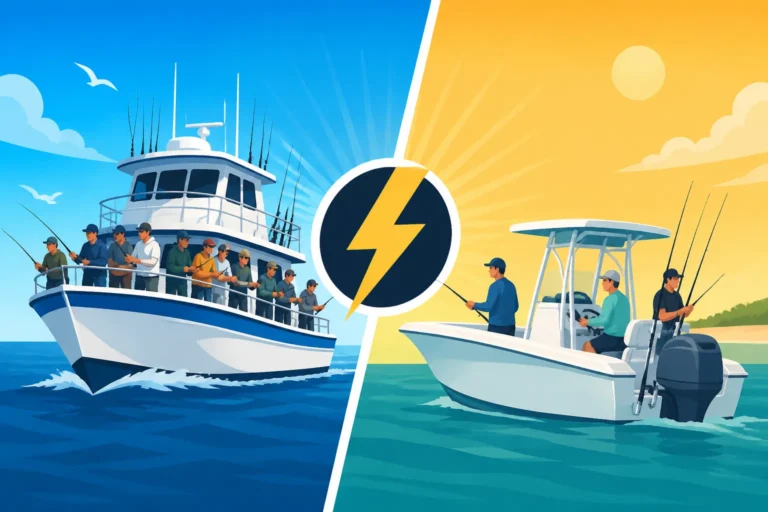
First, it’s crucial to understand the distinction between a "party boat" (often called a head boat) and a "private charter." They operate under different structures, and this directly impacts licensing requirements for passengers.
- Party Boats: These are larger vessels that take many individuals or small groups out on a trip, where you pay per person. Think of them like a floating bus for anglers. For saltwater fishing on a New Jersey party boat, the vessel itself holds specific federal and state permits that generally cover all recreational anglers on board. This means you typically do NOT need your own individual New Jersey fishing license or a separate New Jersey Saltwater Registry if you are solely fishing on a federally permitted party boat for saltwater species. The captain's commercial license and the boat's permits are what make it legal for everyone to fish. This is a huge relief for many, especially those just visiting or trying fishing for the first time, as it removes a step in the preparation. They usually even provide rods, reels, and bait, making it super accessible.
- Private Charters: These are boats that you or your group book exclusively for a specific period. It’s a more personalized experience. For saltwater fishing on a New Jersey private charter, the situation is usually the same as a party boat: the captain's commercial license and the boat's permits generally cover you for recreational saltwater fishing. However, there's a little more room for variation here. It's always, and I mean always, a good practice to confirm this directly with your charter captain when you book. While most reputable charters will have the necessary permits to cover their passengers, individual charters can have different operating parameters or target specific species that might fall under different rules. Never assume; a quick call or message can save you a lot of hassle. Sites like FishingBooker often allow you to directly message the captain, making it easy to confirm these details upfront.
The New Jersey Saltwater Registry
This is another point of common confusion. Many states require a saltwater fishing license, but New Jersey has a unique system. New Jersey Saltwater Registry Explained is separate from a traditional fishing license. It's not a license you buy, but rather a free registration that helps the state monitor recreational fishing effort and comply with federal mandates.
- How it Works with Charters: If you are fishing recreationally for saltwater species from a federally permitted vessel, such as almost all party boats and many private charters, your participation is typically covered by the vessel's permit. This means the boat's federal permit fulfills the requirement of the New Jersey Saltwater Registry for everyone on board. So, if you're covered by the boat, you usually don't need to register yourself. This is a crucial distinction and a great benefit when booking a charter, as it simplifies your preparations immensely. You can think of it as the boat carrying a "group pass" for its anglers when it comes to saltwater fishing. For a deeper dive into this, you might want to read Does the New Jersey Saltwater Registry Cover Charter Boat Passengers?.
Let's summarize the typical scenario in a table for clarity:
| Type of Charter (Saltwater) | Individual NJ Fishing License Required? | Individual NJ Saltwater Registry Required? | What Covers You? |
|---|---|---|---|
| Party Boat (Head Boat) | No | No | Vessel's federal/state permits & captain's commercial license |
| Private Charter | No (generally, but always confirm) | No (generally, but always confirm) | Vessel's federal/state permits & captain's commercial license |
When You Do Need Your Own License
While saltwater charters often simplify things by covering their passengers, there are definite scenarios where you absolutely need to have your own, valid New Jersey fishing license in your pocket or on your phone. Ignoring these rules can lead to unnecessary fines and spoil an otherwise great day on the water.
Freshwater Fishing on Charters
This is the most critical distinction. The rules we just discussed about party boats and private charters covering your fishing apply almost exclusively to saltwater recreational fishing. If you are planning a guided trip on any of New Jersey's freshwater lakes, rivers, or streams, you absolutely need your own individual New Jersey freshwater fishing license. There are no exceptions for charter boats or guides in freshwater environments.
- Why the Difference? Freshwater fishing regulations in New Jersey, including licensing, are governed by state law and are tied directly to the individual angler, not the vessel. A freshwater guide operates under a different type of commercial license that permits them to guide you, but it doesn't extend to covering your personal fishing license requirement.
- Common Freshwater Charter Destinations: Imagine you've booked a fantastic bass fishing trip on Fishing Lake Hopatcong: New Jersey's Largest Lake, or you're chasing the elusive lake trout in Round Valley Reservoir, or perhaps a smallmouth bass adventure on the Delaware River. For any of these trips, every angler on board who is of licensing age must possess a current and valid New Jersey freshwater fishing license. The guide will likely remind you of this beforehand, but the responsibility rests squarely on your shoulders. You can find detailed information about these rules in New Jersey Freshwater Fishing Regulations Every Angler Should Know.
- What to Do: Before booking any freshwater trip, make getting your license a top priority. It's usually a quick and easy process, and you can even do it online. Where and How to Buy a New Jersey Fishing License is a great resource.
Saltwater Charter Nuances
While most saltwater charters cover the basic recreational fishing permit, there can be some edge cases or situations that warrant extra attention or might require an individual license.
- Targeting Specific Species: Very occasionally, highly regulated species might have additional individual reporting requirements or specific tag systems that are separate from the general recreational permit. While rare for standard recreational charters, always confirm if you're chasing something particularly unique or heavily managed.
- Out-of-State Anglers and Residency: If you're coming from out of state, your home state's license is generally not valid for fishing in New Jersey waters, unless there's a specific reciprocal agreement for shared waters like portions of the Delaware River with Pennsylvania or the Hudson River with New York. For New Jersey's coastal waters, you'll need to adhere to New Jersey's regulations. Even if the charter covers your fishing for saltwater species, understanding What Counts as New Jersey Residency for Licensing is important if you ever plan to fish on your own.
- Personal Use Beyond the Charter: Let's say you're on a charter, and you're covered. Great! But what if you then decide to fish from a local pier or the beach on your own after the trip? In that scenario, if you're fishing saltwater, you would need to personally register for the New Jersey Saltwater Registry. If you're fishing freshwater, you'd need an individual freshwater license. The charter's coverage is for that specific trip on that specific vessel.
Special Cases: Crabbing and Spearfishing
While not always "fishing" in the traditional sense, these activities often have their own regulatory frameworks.
- Crabbing: For recreational crabbing in New Jersey, you generally do not need a specific fishing license or registry. However, there are strict rules regarding equipment, size limits, and possession limits. If you're crabbing from a charter boat that offers it as an activity, the boat's permits might cover it, but again, check with the captain about any specific individual requirements or best practices.
- Spearfishing: Spearfishing typically falls under the same licensing requirements as rod-and-reel fishing for the specific type of water (freshwater or saltwater). So, if you're spearfishing in saltwater from a vessel, the boat's federal permits usually cover you, similar to a regular saltwater charter. For freshwater spearfishing, you would need an individual freshwater fishing license. Always double-check any additional regulations specific to spearfishing gear or targeted species.
How Charter Captains and Crew Handle Licenses
The system can seem complicated, but remember, charter captains and their crews are professionals who do this every day. They are your best resource for ensuring compliance and making sure your trip is seamless.
The Captain's Responsibility and Permits
New Jersey charter captains and party boat operators hold specific commercial licenses issued by the state and/or federal government. These aren't just any old fishing licenses; they are comprehensive permits that allow them to operate a for-hire fishing business. These licenses, combined with the vessel's specific permits (such as a federal highly migratory species permit, or various state commercial vessel licenses), are designed to cover the recreational fishing activities of their passengers for certain species and in certain waters.
- The "Group Pass" Concept: Think of it this way: the captain's license and the boat's permits act as a sort of "group pass" for recreational anglers on board. This structure is intended to make it easier for people to access fishing without needing to navigate individual licensing every single time they step on a charter. It's especially helpful for tourists or casual anglers. New Jersey Charter Fishing License Coverage goes into more detail on this.
- Beyond Just Catching: Beyond the legality of fishing, these permits also ensure a level of safety and professionalism. Licensed captains are required to meet certain safety standards, carry insurance, and are knowledgeable about regulations like bag limits, size limits, and seasonal closures for the species you're targeting. For example, they'll know about New Jersey Striped Bass Slot Limit Explained or New Jersey Fluke Size and Bag Limits Explained and ensure everyone adheres to them.
What to Confirm Before You Book
Despite the general rule that saltwater charters cover their passengers, it's always wise to be proactive. After all, it's your day on the water, and you want it to be stress-free.
- Ask Directly: The absolute best thing you can do is simply ask the captain or booking agent when you inquire about your trip. A quick email or phone call asking, "Do I need my own New Jersey fishing license for this trip?" is all it takes. Reputable charters will be happy to clarify. If you're browsing options on a platform like FishingBooker, many charters will often state their policy directly in their listing, or you can use the messaging feature to reach out.
- Specify Your Trip: Be clear about what kind of trip you're booking. "I'm looking for a fluke trip out of Point Pleasant in the bay," or "We want to go bass fishing on Lake Hopatcong." This helps the captain give you the most accurate information.
- Confirm for Everyone: If you're booking for a group, especially one with kids, it's smart to ask about age requirements. Do Kids Need a Fishing License in New Jersey? explains that generally, anglers under 16 don't need a license for freshwater fishing, and if the boat covers saltwater, age isn't typically an issue there either. However, confirming with the captain ensures no surprises.
- Look for Clear Policies: When researching charters, look for those that have clear policies outlined on their websites or booking pages. This shows professionalism and a commitment to customer service. Many good charters want to make it as easy as possible for you to get on the water.
What Happens If You Don't Have the Right License?
No one wants their fun day on the water to end with a lecture and a fine. Understanding the consequences of fishing without the proper license or registration is crucial for every angler, even those on charters where the rules might seem a bit fuzzy. It’s not just about avoiding trouble; it’s about respecting the resources and contributing to their conservation.
Consequences of Fishing Without a License
Fishing without the required license or registration in New Jersey can lead to more than just a stern talking-to. The penalties can vary depending on the specific violation, but they are designed to be deterrents.
- Fines: The most immediate consequence is typically a monetary fine. These fines can range from moderate to substantial, especially for repeat offenses or serious violations. Imagine you've paid for a fantastic day out, only to incur a fine that costs more than the trip itself. That's a surefire way to ruin the experience. Penalties for Fishing Without a License in New Jersey outlines the specifics, and trust me, it's not something you want to experience firsthand.
- Confiscation: In some cases, Conservation Police Officers (CPOs) have the authority to confiscate your fishing gear (rods, reels, tackle) and even your catch. Think about the frustration of landing a beautiful striper or a limit of fluke, only to have it taken away because you overlooked a simple requirement.
- Court Appearances: More severe infractions, or cases where you refuse to cooperate, could even lead to a summons to appear in court. This means taking time off work, legal fees, and a whole lot of stress that could have been avoided with a little preparation.
- Impact on Future Privileges: While less common for a first-time, minor offense, repeated violations could potentially affect your ability to obtain fishing licenses in the future, or even lead to a suspension of your fishing privileges. It's a risk that's simply not worth taking.
Conservation Police and License Checks
The New Jersey Division of Fish and Wildlife's Bureau of Law Enforcement, often referred to as Conservation Police Officers (CPOs), are out on the water to enforce fishing regulations. They are dedicated professionals whose job it is to protect New Jersey's natural resources and ensure fair and legal fishing for everyone.
- How Checks Happen: CPOs conduct checks on individuals, private boats, and yes, even on party boats and charters. They might approach your vessel, identify themselves, and ask to see your fishing license or verify that the vessel's permits are in order. On a party boat, they might walk the deck, briefly speaking to anglers. On a private charter, they'll usually communicate with the captain, who will then coordinate with the passengers. New Jersey Conservation Police and License Checks provides more context on their role.
- Cooperation is Key: If a CPO approaches your vessel, the best thing to do is to be polite, cooperative, and promptly provide any requested information. They are simply doing their job to ensure everyone is following the rules that help maintain healthy fish populations for all of us to enjoy.
- Digital vs. Physical: It's a good idea to always have proof of your license or registration. A printed copy is always foolproof, but New Jersey often allows for digital copies on your phone, as long as it's clearly legible. Carrying Proof of Your New Jersey Fishing License covers the details of what's acceptable.
In essence, while saltwater charters largely simplify the licensing process for passengers, the ultimate responsibility for understanding and complying with regulations, especially for freshwater fishing, rests with each individual angler. A little bit of research and a quick confirmation with your charter captain can ensure your New Jersey fishing trip is memorable for all the right reasons.
Disclaimer
This article is for general informational purposes only and does not constitute professional advice. Laws, prices and regulations vary by location and change over time. Consult a qualified professional for guidance on your specific situation.