Do New Jersey Charters Clean Your Fish for You?
You've had an amazing day out on the New Jersey waters, battling some beautiful fish, and now your cooler is packed. But as you head back to the dock, a common question pops into every angler's mind: what exactly happens to all this glorious bounty? Does the charter clean your fish for you, or are you staring down a mountain of scales and guts back home? It's a completely fair question, and one that can definitely impact your end-of-day experience. This guide will help you understand the fish cleaning services offered on New Jersey charters so you're never caught off guard.
The Big Question: Do New Jersey Charters Offer Fish Cleaning?
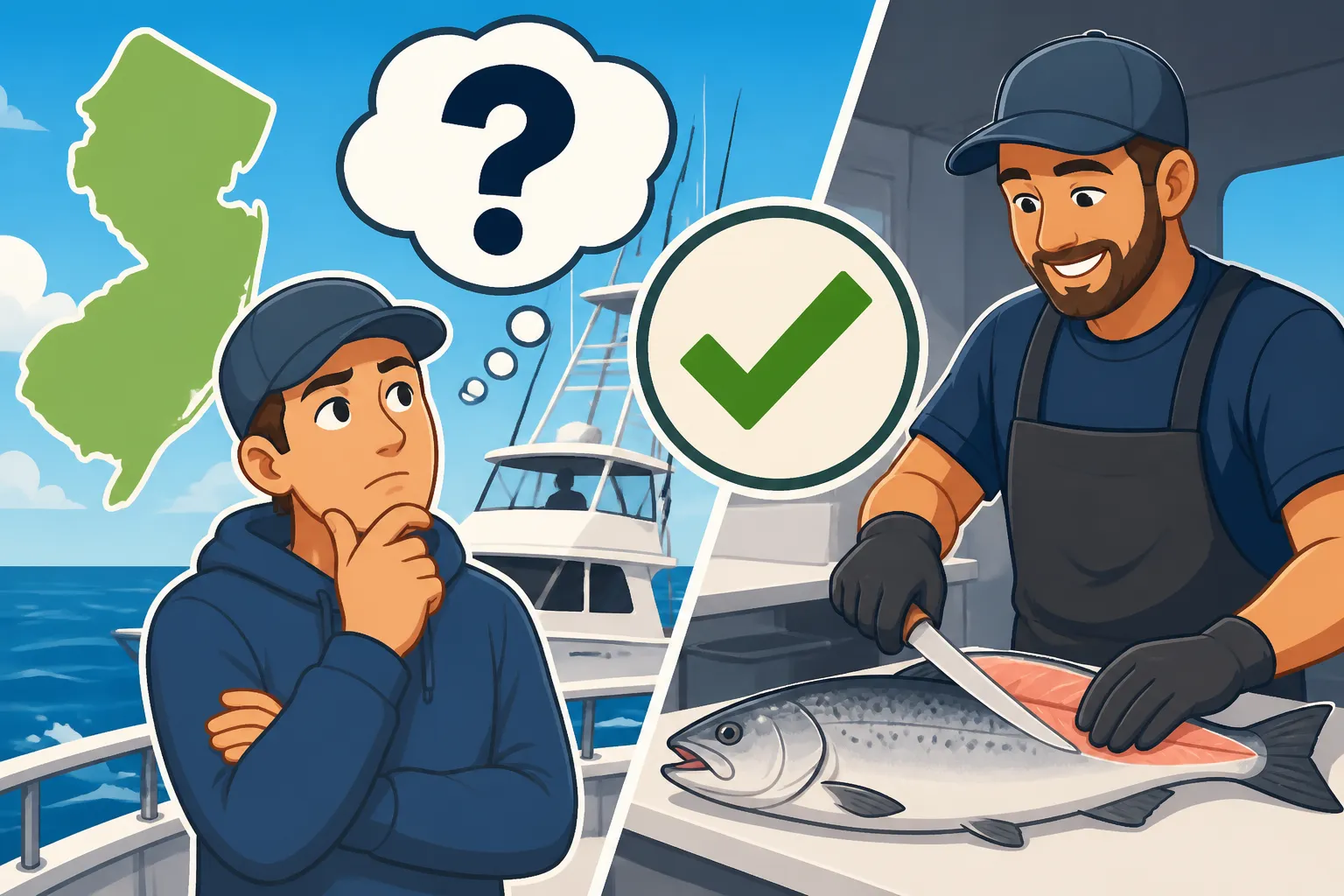
The short answer is: often, yes, but it's not always a given, and it rarely comes for free. When you book a fishing charter in New Jersey, whether it's a bustling party boat or a more intimate private trip, the primary service you're paying for is the opportunity to get out on the water, find the fish, and catch them. The post-trip processing of your catch, while incredibly convenient, is typically considered an additional service performed by the crew, usually the mates.
Think about it from the crew's perspective. They've spent hours ensuring you have a successful trip, helping with tangled lines, baiting hooks, netting fish, and navigating the sometimes challenging New Jersey waters. Cleaning fish is extra labor, requires specific skills (you want those fillets clean and boneless!), and takes a considerable amount of time, especially after a banner day when dozens, if not hundreds, of fish need processing. This is why it's a service that almost always comes with a fee or, more commonly, is handled as part of the tipping process for the hard-working mates. It's an unwritten rule of the sea that these services are covered by gratuities, acknowledging the extra effort involved in getting your fish table-ready.
It's absolutely vital to clarify the fish cleaning policy before you even step onto the boat. Don't wait until you're back at the dock with a cooler full of fish, wondering what to do. A quick phone call or a check of the charter's website or booking platform (like FishingBooker) can save you a lot of hassle and potential disappointment. Some charters might explicitly state their cleaning policy, including whether it's a per-fish charge, a per-pound charge, or handled strictly by tips. Others might expect you to simply know the drill.
Party Boats vs. Private Charters: Different Expectations for Fish Cleaning
The type of fishing trip you choose in New Jersey often dictates the unspoken, or sometimes explicitly stated, rules around fish cleaning. There's a distinct difference between what you might expect on a crowded party boat versus a private charter. Understanding these distinctions can help you plan your post-fishing strategy.
Fish Cleaning on New Jersey Party Boats
Party boats, often called "head boats" because you pay "per head," are large vessels that take many anglers out at once. Think of the big boats leaving from places like Belmar or Point Pleasant. On these trips, fish cleaning is almost universally offered by the deckhands, or mates. These individuals are the unsung heroes of the party boat experience, constantly working the deck to assist anglers, manage lines, and, yes, clean your catch.
Typically, mates on a party boat will set up a cleaning station on the deck once the boat is heading back to port. You bring your fish over, and they'll expertly fillet them for you. The expectation here is that this service is compensated through tips. It's part of the mate's income, and they work incredibly hard for it. The amount you tip can vary based on the size and quantity of your catch, and the quality of the cleaning job. For a more in-depth look at this, you can check out our guide on New Jersey Charter Boat Tipping Etiquette. Some party boats might also have a flat fee per fish or per cooler, especially for smaller species, but the tip-based system is far more common for fillets. They usually provide plastic bags for your fillets, but bringing your own cooler with ice is essential to keep them fresh. Our guide on What Should You Bring on a New Jersey Party Boat Trip? has more details on this.
Fish Cleaning on New Jersey Private Charters
Private charters offer a more personalized experience, where you and your group have the boat and crew to yourselves. This often means more direct interaction with the captain and mate, and the fish cleaning dynamic can be a bit different. On many private charters, the captain or mate will perform the fish cleaning service themselves.
Sometimes, particularly on full-day trips where you've paid a higher premium, a basic cleaning (like gutting and gilling smaller fish, or filleting a few legal-sized keepers) might be included in the overall cost as part of the captain's desire to provide a top-tier service. However, for a substantial catch or for more intricate filleting, a separate fee or a generous tip is still the common practice. Again, it’s always best to ask when you are booking your trip or at the beginning of the day. You might find this information on the charter's listing if you're looking through options on a platform like FishingBooker, or it will be clearly explained by the captain when you call to discuss your trip. The crew on private charters are often doing more than just driving the boat; they are also your fishing guide and often your fish cleaner. Their dedication to your experience, from helping you land that trophy striped bass to preparing it for your dinner table, should be acknowledged. For more on what these trips entail, read our comparison of New Jersey Party Boat vs Private Charter: What's the Difference?.
Understanding the Costs and Tipping Etiquette for Fish Cleaning
Let's talk about the money side of things, because it’s where many anglers get confused or feel a bit awkward. As mentioned, fish cleaning is a service, and services generally come with a cost. While exact dollar amounts aren't fixed and can vary, understanding the structure of these costs and the expected etiquette is key.
How Fish Cleaning Fees Are Structured
You won't typically find a menu of fixed prices for fish cleaning prominently displayed like you would for bait or tackle. Instead, it usually falls into one of these categories:
- Tip-Based: This is the most common model, especially on party boats. The mates depend on these tips for their livelihood. You pay what you feel the service was worth, relative to the amount of fish cleaned and the quality of the job.
- Per-Fish Fee: Some charters, particularly smaller operations or those targeting specific high-value species, might charge a set amount per legal fish cleaned. For example, a few dollars per fluke or striped bass.
- Per-Pound Fee: Less common, but some places might charge based on the total weight of the cleaned fillets.
- Flat Rate: Occasionally, for a very large private charter group with a predictable amount of catch, a flat fee might be negotiated for the entire cleaning service.
Regardless of the structure, remember that these fees or tips are for the person doing the cleaning, not necessarily the boat owner or captain directly, unless the captain is doing the cleaning themselves on a private trip.
What to Tip for Fish Cleaning
This is where the "unwritten rules" come into play, and it can be intimidating for new anglers. There's no single perfect answer, but generally, mates work extremely hard, often for low wages, relying heavily on tips. For fish cleaning specifically, you should consider a few factors:
- Quantity of Fish: If you brought in a cooler full of limits for multiple people, that's a lot more work than one or two fish.
- Size of Fish: Filleting a few large striped bass is different from cleaning a dozen small porgies. The effort and skill required change.
- Quality of Cleaning: Did they do a great job? Were the fillets clean, boneless, and neatly bagged?
- Overall Service: Did the mate help you throughout the day, un-tangle lines, and make your trip more enjoyable? This contributes to their overall tip.
A common guideline for a good, standard tip for mates (which includes cleaning services) is often in the range of 15-20% of your trip's cost, or roughly 10-20% of the value you place on your catch, adjusted for effort. For cleaning only, if it’s explicitly separate from their general service, a few dollars per medium-sized fish (e.g., fluke, sea bass) or a bit more for larger species (striped bass) is a good starting point. If they cleaned your limit of fish and did an excellent job, being generous is always appreciated. These hardworking individuals are truly dedicated to helping you enjoy your time on the water and making sure you go home with delicious, ready-to-cook fillets. For more guidance on this, our article Fair Filet Fee on a New Jersey Charter offers practical advice.
What to Do If Fish Cleaning Isn't Offered or You Prefer DIY
While most New Jersey fishing charters will offer some form of fish cleaning, there might be situations where it’s not available, or you might prefer to handle your catch yourself. Perhaps the boat is rushing back to make another trip, or you have very specific preferences for how your fish are processed. Whatever the reason, having a backup plan is always a smart move.
Self-Cleaning at the Dock or Home
If the charter doesn't offer cleaning, or if you simply want to do it yourself, you'll need to be prepared. This means bringing the right tools and knowing the process.
Tools You'll Need for DIY Fish Cleaning:
- Sharp Fillet Knife: This is non-negotiable. A dull knife makes the job miserable and dangerous.
- Cutting Board: A sturdy, non-slip cutting board is essential.
- Cooler with Ice: Keep your fish cold until you're ready to clean them. This also applies to your fillets once they're cleaned.
- Plastic Bags: For packaging your cleaned fillets.
- Gloves (Optional): Some anglers prefer gloves for grip and to keep their hands cleaner.
Many marinas along the New Jersey coast, from Cape May to Raritan Bay, will have designated fish cleaning stations. These are usually public access areas with running water and ample space, designed specifically for anglers to process their catch. Some might require a small fee for use, or simply ask for good etiquette in cleaning up after yourself. Look for signs at public ramps and docks. If you're on a private dock, you might need to set up your own station.
When cleaning fish yourself, it's important to be mindful of local regulations regarding waste disposal. Fish carcasses should be disposed of properly, often by taking them offshore or in designated waste containers, not left to attract pests or pollute the water at the dock. This is a common courtesy and legal requirement.
Preparing for Your Catch
Even if you expect your charter to clean your fish, it's always a good idea to bring an adequate cooler with plenty of ice. This serves multiple purposes: it keeps your fish fresh during the ride back to shore, it keeps your cleaned fillets cold for the journey home, and it’s a reliable backup if circumstances prevent the crew from cleaning your catch. You want to keep your catch on ice from the moment it hits the deck until it's ready for the pan or freezer.
Consider the species you’re targeting. Catching a limit of summer flounder, for example, might be different from landing a monster striped bass. Knowing New Jersey Fluke Size and Bag Limits Explained or New Jersey Striped Bass Slot Limit Explained will help you manage expectations for how much fish you'll be taking home and how much cleaning might be involved. The more prepared you are for your catch, the smoother your entire fishing experience will be, from the first bite to the last delicious meal.
| Service Aspect | Party Boat (Head Boat) | Private Charter (Group/Individual) | DIY (Your Responsibility) |
|---|---|---|---|
| Availability | Highly likely, almost always offered by mates | Often offered by captain/mate, but verify | Always available, if you're prepared |
| Cost Structure | Primarily tip-based for mates; sometimes small per-fish fee | May be included for a few fish; often additional fee/tip | Cost of gear (knife, board) and your time |
| Who Cleans | Dedicated deckhands (mates) | Captain or mate (often multitasking) | You, or someone you designate |
| Expected Outcome | Clean fillets, bagged | Clean fillets, bagged (quality may vary by crew) | As good as your skills allow, bagged |
| Waste Disposal | Handled by boat crew | Handled by boat crew | Your responsibility (public stations, offshore, etc.) |
| Pre-Trip Inquiry | Good to know general tipping customs | Essential to ask when booking | Ensure you have necessary equipment & knowledge |
Remember, a great day of fishing doesn't end when the lines are reeled in. It continues with the delicious meal you bring home. Understanding the fish cleaning options in New Jersey helps ensure a smooth and satisfying end to your angling adventure.
Disclaimer
This article is for general informational purposes only and does not constitute professional advice. Laws, prices and regulations vary by location and change over time. Consult a qualified professional for guidance on your specific situation.