How Long Is a Full-Day New Jersey Fishing Trip?
One of the biggest questions I hear from folks planning a fishing trip in New Jersey, especially when they're shelling out for a charter, is "What exactly is a 'full-day' trip?" It's a fair question, because nobody wants to feel short-changed, or worse, unprepared for a marathon day on the water. This guide is here to demystify what a full-day New Jersey fishing trip truly entails, from the moment you cast off to when you're back at the dock, helping you set realistic expectations and make the most of your adventure.
Understanding "Full-Day" in New Jersey Charter Fishing
When you see "full-day" advertised for a New Jersey fishing charter, it generally conjures images of dawn-to-dusk angling. While that's the spirit, the reality often comes with a bit more nuance. It's not always a rigid 12-hour clock, and knowing what typically defines this duration can save you a lot of confusion and ensure you pick the right trip for your angling goals.
Standard Duration vs. Reality
In the world of New Jersey fishing charters, a "full-day" trip usually clocks in anywhere from 8 to 10 hours. Now, that's from the moment the boat leaves the dock until it ties back up. It's not pure fishing time, which is an important distinction, especially for those new to charter fishing. That overall duration includes travel time to and from the fishing grounds, which can vary significantly depending on where the fish are biting and how far offshore you need to go. If you're heading out for tuna or deep-dropping for tilefish, that travel time can eat up a good chunk of your day. For inshore trips targeting fluke or striped bass in the bays or closer to shore, the travel might be less, allowing more lines-in-the-water time. This is a crucial piece of information often overlooked, so always clarify the expected travel time when you book.
Factors Influencing Trip Length
Several elements play a role in how long your full-day trip will actually feel, and sometimes even how long it officially lasts. The kind of fish you're targeting is a huge one. For example, if you're going for Striped Bass Fishing in New Jersey along the coast or in Raritan Bay, the captain might run to a few closer spots, making for a day with plenty of actual fishing. But if the bite is offshore for species like swordfish or even certain bottom fish, the run can be considerable, perhaps 2-3 hours each way. Weather conditions can also impact the day. A beautiful, calm day might allow the captain to push a little further or stay out a bit longer if the bite is hot and safe to do so. Conversely, if a storm rolls in unexpectedly, a responsible captain will cut the trip short for safety, often prorating the cost or offering a future credit. Fuel costs are another unspoken factor; longer runs consume more fuel, which captains build into their pricing and trip planning. Lastly, the specific charter operator itself might have a slightly different definition, with some standardizing 9-hour trips while others consistently offer 8 or 10 hours. It always pays to double-check their advertised duration.
Comparing Full-Day to Half-Day and Extended Trips
To truly appreciate a full-day trip, it helps to understand its place in the spectrum of charter options.
| Trip Type | Typical Duration | Target Species & Locations | Ideal For | Key Considerations |
|---|---|---|---|---|
| Half-Day | 4-6 hours | Inshore, bays, nearshore reefs; Fluke, Weakfish, Bluefish. | Families with young kids, beginners, those short on time/budget. | Limited fishing time, closer spots, less species variety. |
| Full-Day | 8-10 hours | Wider range; deeper reefs, wrecks, ocean spots; Striped Bass, Fluke, Seabass, Tautog, sometimes Tuna (closer). | Serious anglers, groups, those wanting variety and more fishing time. | More expensive, longer commitment, potential for more travel. |
| Extended | 10-12+ hours | Offshore canyons, tuna grounds, tilefish spots. | Dedicated big-game anglers, multi-species hunters, experienced crews. | Significant cost, physically demanding, often overnight options. |
As you can see, a full-day trip is a fantastic middle ground. It offers significantly more fishing time and access to a wider variety of spots and species than a half-day. This means you have more opportunities to find the fish, try different techniques, and potentially land that trophy catch. While a half-day might keep you close to shore for Fluke and Summer Flounder Fishing in New Jersey in Barnegat Bay, a full-day could take you to deeper wrecks or further offshore structure for black sea bass or tautog. Extended trips, on the other hand, are a whole different beast, often involving overnight stays and targeting true pelagic species like tuna way out in the canyons, which demands a different level of commitment and preparation. The full-day hits that sweet spot for most serious recreational anglers looking for a solid experience without the intense commitment of an overnight canyon run.
What to Expect on a Full-Day Charter
So, you've booked your full-day adventure. What does the actual experience look like from start to finish? It's more than just dropping a line in the water; it's a planned excursion designed to maximize your chances of a successful and enjoyable day.
The Schedule: From Dock to Dock
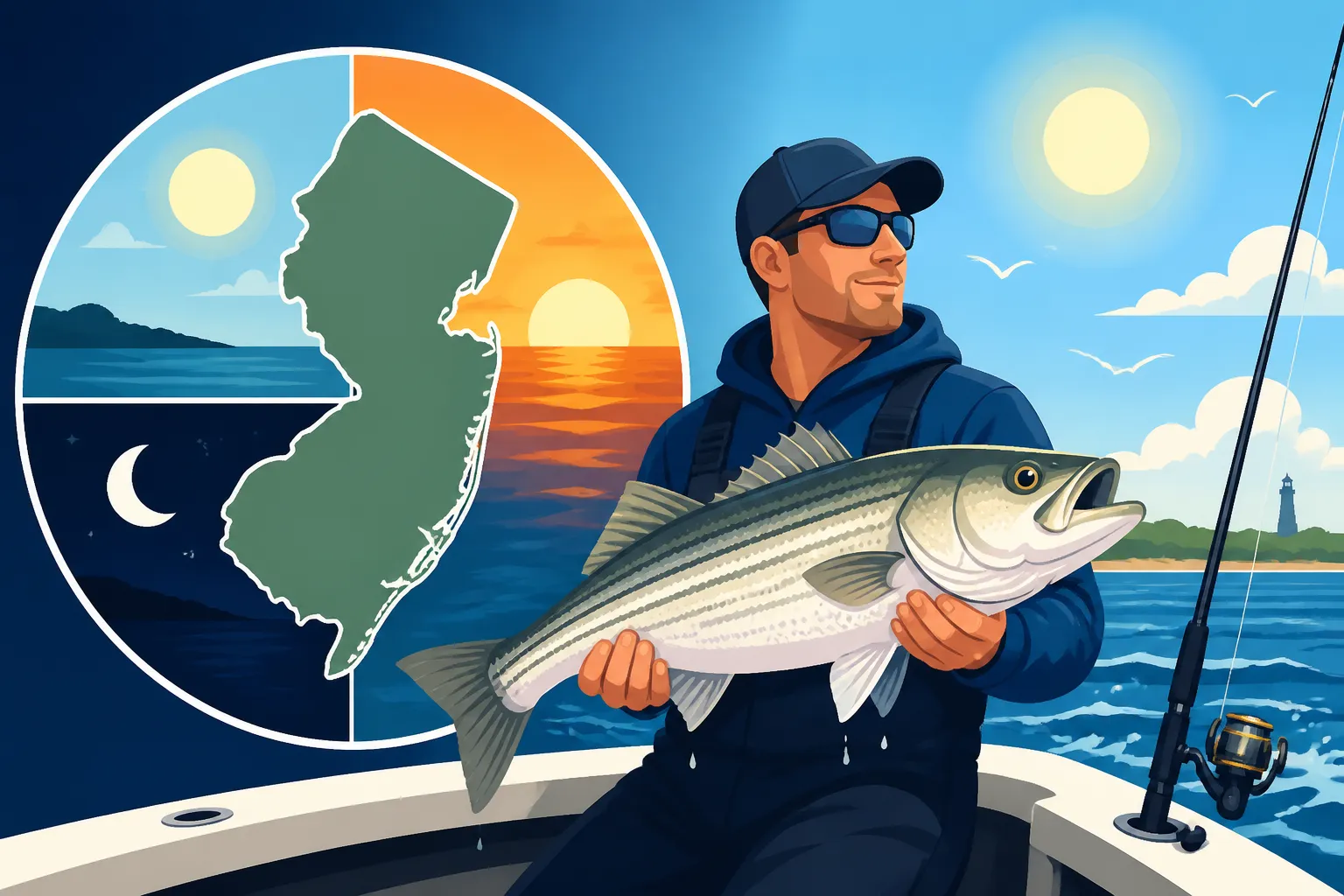
A typical full-day charter often begins bright and early, usually between 6:00 AM and 7:00 AM. Your captain will give you a specific time to arrive at the marina, often 15-30 minutes before departure. This allows for time to load your gear, get a quick briefing on safety and what to expect, and ask any last-minute questions. The boat will then depart, and the travel to the fishing grounds begins. This travel time is a great opportunity to enjoy the scenery, prepare your tackle, or simply relax with a cup of coffee. Depending on the distance, you might reach your first spot an hour or two later.
Once at the fishing grounds, the real action starts. The captain and mate will often give guidance on baiting up, proper techniques for the target species, and where to cast or drop your lines. You'll spend several hours fishing, moving between different spots as the captain searches for the most active bite. Lunch breaks are usually informal; people grab a sandwich or snack whenever they feel like it. As the afternoon progresses, usually around 2:00 PM to 4:00 PM, the captain will make the call to head back to the dock, aiming to return within the stated 8-10 hour window. The ride back is often a time for camaraderie, sharing stories of the day's catches, and sometimes, if you're lucky, seeing dolphins or other marine life.
Typical Fishing Time and Travel
As mentioned, not all 8-10 hours are spent with a line in the water. For a full-day trip, you can generally expect anywhere from 5 to 7 hours of actual fishing time. The rest is travel. For instance, if you're leaving from Point Pleasant and heading offshore for Black Sea Bass Fishing in New Jersey on a wreck 20 miles out, that could be an hour and a half run each way, totaling three hours of travel. This leaves 7 hours for fishing on a 10-hour trip. If the captain decides to hit multiple spots, each move also cuts into fishing time, though these moves are usually shorter and strategic.
It's a delicate balance the captain performs, weighing travel time against the likelihood of a better bite at a more distant location. Sometimes, a longer run is absolutely worth it if it means getting away from crowded areas or reaching untouched structure. Good captains communicate this effectively, setting expectations. When you're considering a full-day trip, especially if you're booking through platforms like FishingBooker, pay attention to descriptions that mention specific areas or distances, as this can give you a clue about the potential travel time involved.
Species Targeted on Longer Trips
The beauty of a full-day New Jersey fishing trip is the expanded range of species you can target. With more time, captains can pursue fish that require longer runs or more specialized techniques. Instead of just focusing on the inshore Fluke Size and Bag Limits Explained, you might venture further out to deeper wrecks and reefs for substantial black sea bass, often in large numbers, or tackle tautog, which are known for their strong fight and preference for structure.
Many full-day trips also offer the opportunity to go after bigger game. During the right season, you might find charters targeting tuna species like yellowfin or bluefin, though this usually requires pushing the upper limits of "full-day" towards the 10-hour mark or even slightly beyond, blurring into extended trip territory. You could also target mahi-mahi around offshore lobster pots or venture into areas known for shark species (often catch-and-release). This increased versatility makes full-day trips particularly appealing for anglers looking to experience diverse fishing opportunities that New Jersey's waters offer, from the bays out to the continental shelf.
Benefits and Considerations of a Full-Day Excursion
Deciding on a full-day trip isn't just about the clock; it's about what you hope to gain from your time on the water. There are definite upsides, but also some practical considerations to keep in mind to ensure a smooth and enjoyable experience.
Maximizing Your Fishing Opportunities
The primary benefit of a full-day charter is, without a doubt, the increased opportunity. More time on the water means more chances to find fish, more time to adapt to changing conditions, and more diverse fishing options. On a shorter trip, if the fish aren't biting at the first few spots, you might run out of time to find them elsewhere. A full-day allows the captain to try multiple locations, different depths, and varied techniques until they dial into the bite. This can be crucial for species like striped bass, which can be migratory and move around quite a bit, requiring a captain to "hunt" for them. Best Time of Year to Fish for Striped Bass in New Jersey often coincides with these longer trips, allowing anglers to follow the fish.
Furthermore, a full-day trip often allows for targeting multiple species in one outing. You might start the morning jigging for bluefish, then move to a reef to drop for black sea bass, and finish the day drifting for fluke. This multi-species approach adds excitement and increases the chances that everyone on board will bring home some dinner, or at least a great story. It also gives you more time to learn from the captain and mate, honing your skills with their expert guidance.
Physical Demands and Preparation
While exciting, a full-day fishing trip can be physically demanding. Spending 8-10 hours on a boat, often in direct sunlight, dealing with potential seasickness, and constantly reeling in fish (we hope!) can take a toll. It's important to prepare adequately. Hydration is key – bring plenty of water, and avoid excessive alcohol. Sunscreen, a hat, and sunglasses are non-negotiable. Layers of clothing are also smart, as temperatures can change dramatically from early morning to afternoon, especially on the open ocean. Check out What to Wear on a New Jersey Fishing Charter for more detailed advice.
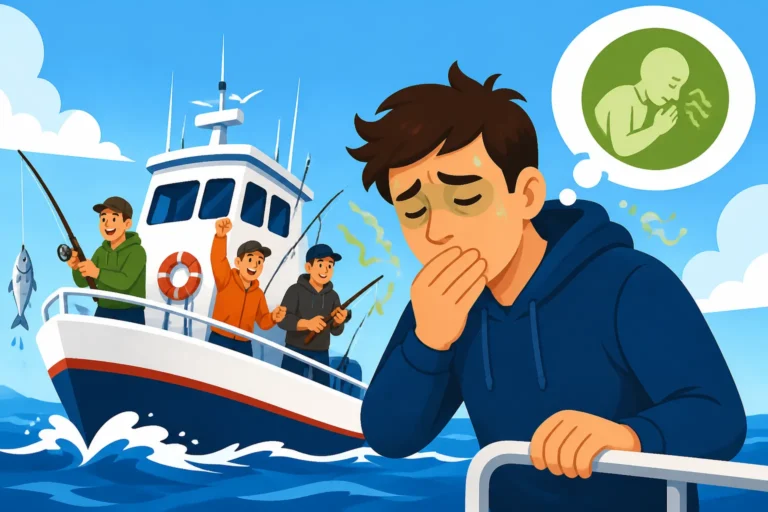
For those prone to seasickness, a full-day trip presents a greater challenge than a half-day. Prophylactic measures, like medication taken the night before or ginger chews, are highly recommended. Make sure you get a good night's sleep before the trip. And remember, a full-day trip often means packing more food and snacks than you would for a shorter outing. A comfortable pair of boat shoes and a positive attitude will also go a long way in making the longer duration enjoyable.
The Investment: Time and Money
Booking a full-day charter is a significant investment, both in terms of your time and your wallet. These trips are naturally more expensive than half-day options because of the extended use of the boat, fuel consumption, and the captain and mate's time. While you won't get specific costs from me, expect the price point to reflect a premium experience. This makes How to Choose a New Jersey Fishing Charter even more critical – you want to ensure you're getting good value for your money.
From a time perspective, a full-day trip will consume most of your day, often from before sunrise until late afternoon or early evening. If you're visiting New Jersey for a short vacation, you'll need to factor this into your itinerary. However, for many anglers, the potential rewards – bigger fish, more fish, more species, and a more immersive experience – are well worth the increased investment. It's about deciding what kind of experience you're truly seeking: a quick taste of fishing, or a deep dive into New Jersey's rich waters.
Planning Your New Jersey Full-Day Fishing Adventure
Once you've decided a full-day trip is for you, proper planning becomes paramount. A little foresight can turn a good trip into a truly unforgettable one.
How to Find and Book the Right Charter
Finding the right charter for your full-day adventure can feel overwhelming with all the options out there. Start by considering what kind of fishing you want to do and what species you're most interested in. Are you focused on Trout Fishing in New Jersey in freshwater, or battling big game in the ocean? Reputable booking platforms like FishingBooker are excellent resources. They allow you to filter charters by location (Belmar, Point Pleasant, Cape May, etc.), target species, boat size, and, crucially, trip duration. You can read reviews from other anglers, which often provide invaluable insights into the captain's expertise, the condition of the boat, and the overall experience.
When you contact potential captains, don't hesitate to ask specific questions about what a "full-day" means to them. Clarify the exact start and end times, the typical travel distances, and what species they anticipate targeting during your trip. Discuss their cancellation policy for weather – this is especially important for longer offshore trips. Also, inquire about what's included (bait, tackle, fish cleaning) and what you should bring. For freshwater options, seeking out specific New Jersey fishing guide services for lakes like Lake Hopatcong can be beneficial. Remember that popular charters, especially during peak seasons like New Jersey Fluke Season Dates for 2026 or the striped bass migration, book up quickly, so plan to reserve your spot well in advance.
Essential Gear and Supplies for a Long Day
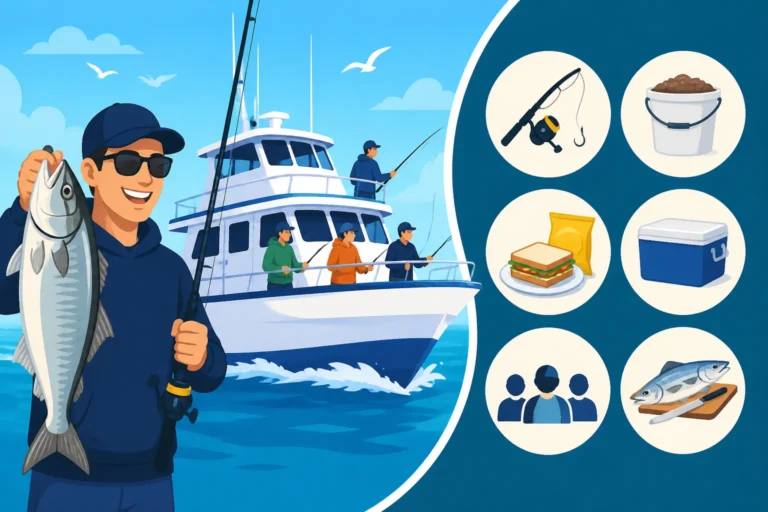
Packing smart for a full-day trip is crucial. Beyond the layers of clothing, sunscreen, hat, and sunglasses we discussed, consider these essentials:
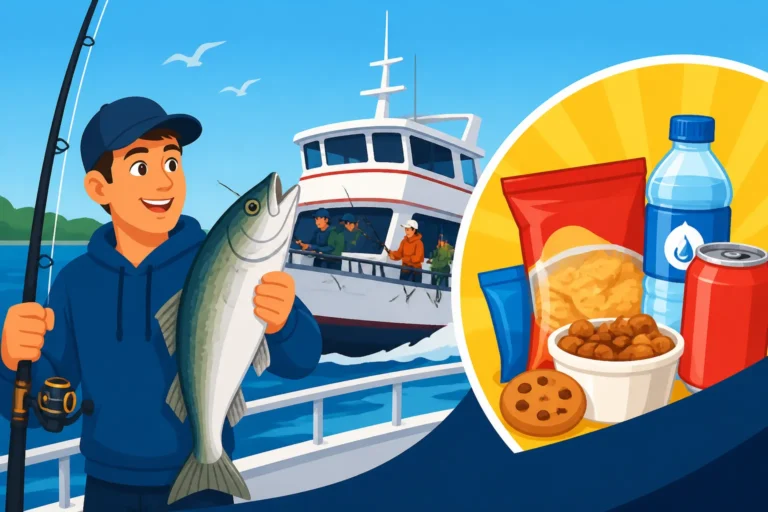
- Food and Drink: Bring more than you think you'll need. Non-perishable snacks, sandwiches, and plenty of water are vital. A small cooler with ice for your provisions is usually welcome.
- Medication: If you're prone to seasickness, take your medication before you even step on the boat. Bring extra just in case. Any personal medications should also be easily accessible.
- Footwear: Closed-toe, non-slip shoes are a must. The deck can get wet and slippery.
- Rain Gear: Even on a sunny forecast, a light rain jacket or waterproof shell can make a huge difference if conditions change or if there's sea spray.
- Cooler for Catch: If you plan on keeping fish, bring a large cooler with ice to transport your fillets home. Most charters will clean your fish for you, but you'll need a way to keep it fresh.
- Camera: To capture those memorable moments!
- Small backpack/dry bag: To keep personal items protected from spray or rain.
Always confirm with your captain if they provide bait and tackle. Most saltwater charters do, but some specialty trips or freshwater guides might expect you to bring your own specific gear. Best New Jersey Fishing Gear for Beginners can offer guidance if you're just starting out.
Communicating Expectations with Your Captain
Open and honest communication with your charter captain is the cornerstone of a successful full-day trip. Before you even finalize the booking, make sure you're clear about your expectations. Are you hoping to catch a specific species? Are you looking to fill the cooler or simply enjoy the experience and release fish? Do you have any physical limitations or special needs?
A good captain will appreciate this transparency and will do their best to manage your expectations, especially concerning factors like weather, fish activity, and the realities of travel time. On the day of the trip, listen carefully to their instructions and the mate's guidance. They are the experts on their boat and the local waters. If conditions change or the fish aren't cooperating, trust their judgment. They want you to have a great time and catch fish just as much as you do. Remember, they navigate How New Jersey Sets Its Fishing Regulations Each Year and know the local conditions better than anyone. A well-communicated trip is almost always a happier, more successful one.
Disclaimer
This article is for general informational purposes only and does not constitute professional advice. Laws, prices and regulations vary by location and change over time. Consult a qualified professional for guidance on your specific situation.