Trout Fishing in New Jersey
There's nothing quite like the crisp air, the sound of rushing water, and the thrill of a tug on your line, especially when you're after trout here in New Jersey. For many anglers, the pursuit of these beautiful fish is what truly defines their fishing season. But if you're new to the game, or even if you've been at it a while, understanding the nuances of where to go, what to use, and when to be there can feel a bit overwhelming. This guide is designed to cut through that confusion, giving you a clear roadmap to successful trout fishing across our diverse New Jersey waters.
Understanding New Jersey's Trout Species
When we talk about trout fishing in New Jersey, we're generally referring to three distinct species, each with its own charm and characteristics. Knowing what makes them tick can make all the difference in your approach, from bait choice to location scouting.
Rainbow Trout: The Stocking Mainstay
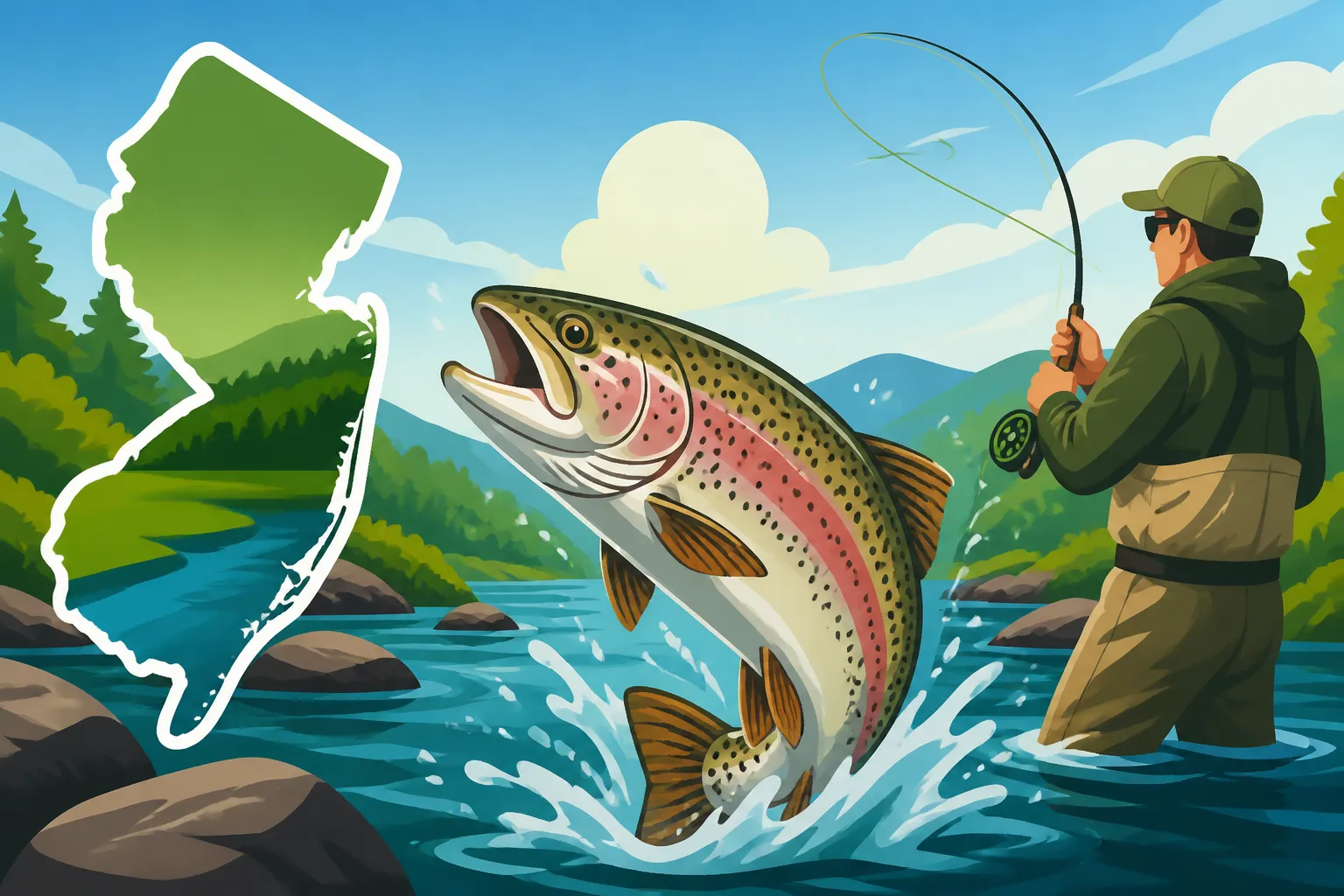
Ah, the rainbow trout! These are probably the most commonly encountered trout in New Jersey, largely thanks to our state's fantastic stocking program. You can often spot them by their distinctive pinkish-red stripe running along their sides, coupled with small black spots scattered over their bodies and fins. They're a beautiful fish, and when hooked, they can put up a surprisingly spirited fight, often jumping clear of the water—a real treat for any angler.
Rainbows are incredibly adaptable, which is why they do so well in a wide range of New Jersey's waters, from larger rivers like the Musconetcong to smaller, calmer stocked ponds. They're opportunistic eaters, too, meaning they'll hit everything from worms and PowerBait to spinners and even dry flies, especially when they're fresh out of the hatchery. For many, catching a rainbow trout is their first introduction to trout fishing, and for good reason—they're abundant, eager to bite, and a joy to reel in.
Brown Trout: Wary and Wild
Brown trout are the true enigma of New Jersey's trout waters. While many are stocked alongside rainbows, you'll also find elusive wild populations in some of our colder, more pristine streams. Identifying them is a bit easier once you know what to look for: they have distinct red and orange spots, often encircled by a pale halo, against a golden-brown or olive-green body. Their tails usually lack the prominent spots you'd see on a rainbow.
What makes brown trout so appealing to many experienced anglers is their notoriously wary nature. They're cautious, cunning, and generally prefer waters with plenty of cover—think undercut banks, submerged logs, and deep pools. This wariness means they're not as easily fooled as their rainbow cousins, requiring more skill, stealth, and a precise presentation. But that challenge is precisely what makes catching a large brown trout such a rewarding experience. In our colder, larger rivers and reservoirs, brown trout can grow to impressive sizes, offering the chance at a true trophy fish for those willing to put in the effort.
Brook Trout: New Jersey's Native Gem
If there's a jewel in New Jersey's trout crown, it has to be the brook trout. These aren't just any trout; they are our state's only native trout species, true descendants of fish that have called these waters home for millennia. Visually, they're stunning: their backs are adorned with distinctive worm-like markings, often called vermiculations, and their sides feature vibrant red spots surrounded by blue halos, especially when they're showing off their breeding colors. Their lower fins often have striking white leading edges.
Finding wild brook trout means seeking out the most pristine, cold, and often remote headwater streams and feeder creeks. These are sensitive fish, requiring very specific habitat conditions—exceptionally clean, cold, oxygen-rich water, and plenty of natural cover. Due to their native status and specific habitat needs, many wild brook trout populations are protected, with special regulations sometimes in place to ensure their survival. Catching a native brook trout in New Jersey is more than just fishing; it's a connection to the state's natural heritage and a testament to the health of our wildest waters. It's often a catch-and-release endeavor, treated with the utmost respect.
Where to Find Trout in New Jersey
New Jersey might be a small state, but it boasts a remarkable diversity of waters that hold trout. From bustling rivers to serene mountain lakes, there’s a trout fishing experience for every preference. Knowing the types of waters and where to access them is key to planning your next adventure.
Designated Trout Production Streams
New Jersey's Designated Trout Production (DTP) Streams are the backbone of our stream fishing scene. These are specific waterways that are regularly stocked with thousands of trout, both rainbows and browns, throughout the spring and often again in the fall. These streams are identified by the New Jersey Division of Fish and Wildlife as prime locations for trout, offering excellent conditions and public access. Rivers like the Musconetcong River, the Pequest River, and portions of the Paulinskill and Rockaway Rivers are classic examples.
These streams are usually managed with specific regulations tailored to trout, including preseason closures to allow for stocking and dispersal, and set opening days that are practically holidays for local anglers. When you fish a DTP stream, you're tapping into a consistent and reliable trout fishery. Access is often well-marked, with many state-owned areas and public easements available. However, due to their popularity, especially immediately after stocking, these spots can get crowded. It's always a good idea to scout ahead or visit during off-peak times if you prefer a quieter experience. Checking the state's stocking schedule online can give you a leg up on when fresh fish are available, but also when the crowds will be at their peak.
Trout Stocked Lakes and Ponds
Not all trout fishing in New Jersey happens in moving water. Our state also manages a fantastic program of stocking trout in numerous lakes and ponds, providing excellent opportunities, especially for those who prefer stillwater fishing, boat access, or even ice fishing in the winter. These lakes, such as Lake Hopatcong, Round Valley Reservoir, and many smaller county and state park ponds, offer a different kind of trout experience. In these larger bodies of water, stocked trout have more room to roam, grow, and sometimes even survive multiple seasons, transitioning from eager-to-bite hatchery fish to more elusive holdovers.
Fishing in lakes and ponds requires different tactics than streams. Trout in these waters might suspend in deeper sections, particularly as water temperatures rise in summer, or hug structure like submerged points, drop-offs, and weed lines. Round Valley Reservoir, for example, is famous for its deep, cold waters where lake trout (a species distinct from brook, brown, or rainbow) and large brown trout thrive, offering a unique challenge. These locations are often ideal for families or beginners, providing ample space and generally easier access. Check the New Jersey Trout Stocking Start Date for spring and New Jersey Fall Trout Stocking Dates for autumn to know when these waters are brimming with fresh fish.
Wild Trout Streams: A Challenge for the Purist
For the angler who truly seeks a challenge and a connection to unspoiled nature, New Jersey's wild trout streams are the ultimate reward. These are typically smaller, often remote, headwater streams nestled in the Highlands or Ridge and Valley regions, characterized by their consistently cold, clear water and rugged, forested surroundings. Unlike DTP streams, these waters are not stocked; they rely entirely on natural reproduction to sustain their populations, primarily of native brook trout and sometimes wild brown trout.
Finding and successfully fishing a wild trout stream demands patience, stealth, and a deep understanding of trout behavior. The fish in these waters are incredibly sensitive to disturbance and pressure. You'll often be bushwhacking through dense foliage, navigating slippery rocks, and making delicate presentations with light tackle, often fly fishing with small flies. The fish, though generally smaller than their stocked counterparts, are vibrant, feisty, and absolutely pristine. The true reward isn't the size of the catch, but the beauty of the fish and the unspoiled environment in which you find them. These waters often fall under special regulations, sometimes requiring catch-and-release only, to protect these precious, self-sustaining populations. Respecting these delicate ecosystems is paramount when fishing for wild trout.
New Jersey Trout Stocking Program
New Jersey's trout stocking program is truly a marvel, ensuring that thousands of anglers have the chance to experience the thrill of trout fishing each year. It’s a well-organized effort that brings countless fish to our waterways, making trout fishing accessible and exciting for everyone from beginners to seasoned pros.
Spring and Fall Stocking Schedules
The heartbeat of New Jersey trout fishing revolves around the stocking schedules, particularly in spring and fall. The spring stocking season is a massive undertaking, typically kicking off in late March and continuing weekly for about seven to eight weeks, leading up to the much-anticipated Opening Day of trout season. This is when the state's designated trout waters, both streams and lakes, receive their primary influx of fish. It's a time of immense excitement, with anglers marking their calendars and planning trips around the published schedules. The New Jersey Spring Trout Stocking Start Date is practically a holiday for many!
Then, as the leaves begin to turn and the air cools, the fall stocking program begins. This usually happens around October, providing a renewed opportunity for excellent trout fishing as water temperatures become ideal again. Fall stocking offers a less crowded, often more serene experience, with colorful foliage providing a stunning backdrop to your fishing adventures. The New Jersey Fall Trout Stocking Dates bring new fish into many of the same waters, allowing for another peak season of activity before winter sets in. Checking the New Jersey Fish and Wildlife website for these schedules is critical; they list specific waters, dates, and even the species being stocked, helping you plan your trips for the best chances of success.
Preseason Closures and Why They Matter
One of the most important aspects of the New Jersey trout program, especially for stream anglers, is the preseason closure. This period typically begins a few weeks before Opening Day in early spring, during which all designated trout production streams are closed to fishing. You might wonder why they do this, especially when the anticipation is so high. The reason is quite simple and very effective: it allows the Division of Fish and Wildlife to stock the streams without immediate fishing pressure.
Imagine trying to stock thousands of trout into a stream teeming with anglers—it would be a logistical nightmare and highly disruptive. The closure ensures that the stocked trout have time to acclimate to their new environment and disperse throughout the stream before everyone descends on Opening Day. This helps distribute the fish more evenly, providing better opportunities for anglers up and down the waterway and preventing a single spot from being fished out immediately. Understanding the New Jersey Trout Season Preseason Closure Explained is crucial; fishing in a closed stream during this period is a violation and can result in fines and penalties. It's a small wait that pays off big-time for the overall quality of the fishery once the season officially opens.
The Pequest Trout Hatchery's Role
At the heart of New Jersey's impressive trout stocking efforts lies the Pequest Trout Hatchery and Natural Resource Education Center, nestled in Oxford, Warren County. This state-of-the-art facility is truly the engine behind our thriving trout program. The dedicated staff at Pequest are responsible for raising the vast majority of the trout that are stocked into New Jersey's public waters each year. This isn't just a few hundred fish; we're talking about hundreds of thousands of healthy, robust rainbow and brown trout annually, ranging from fingerlings to impressive "brood stock" size fish.
The hatchery carefully manages the entire life cycle of these trout, from incubating eggs to raising them in numerous raceways and ponds, ensuring they reach the ideal size and health before being transported to stocking locations. The sheer scale and precision of the operation are astounding, and it's all aimed at providing top-notch fishing opportunities for New Jersey residents and visitors. Without the Pequest Hatchery, our vibrant trout fisheries in many streams and lakes simply wouldn't exist. Visiting the hatchery itself is an educational experience, offering a fascinating glimpse into the incredible work that supports our passion for trout fishing. It underscores the value of your fishing license and trout stamp—those fees directly support this vital program.
Essential Gear for New Jersey Trout Fishing
Getting started with trout fishing in New Jersey doesn't require breaking the bank, but having the right gear can certainly make your experience more enjoyable and successful. It's about matching your tackle to the fish, the water you're fishing, and your preferred method.
Rods, Reels, and Lines for Trout
When it comes to trout fishing, subtlety and balance are often more important than sheer power. For spin fishing, which is incredibly popular for stocked trout, an ultralight or light action spinning rod, typically in the 5 to 6.5-foot range, is perfect. This provides enough backbone to cast light lures and baits, but with a sensitive tip to detect subtle bites. Pair this with a small spinning reel, size 1000 or 2000, spooled with 4 to 6-pound test monofilament or fluorocarbon line. Monofilament is a bit more forgiving with its stretch, while fluorocarbon offers less visibility and better abrasion resistance. If you're wondering about the Basic Fishing Setup Cost, you can find excellent entry-level combos for a very reasonable price at most sporting goods stores or even on Amazon.
For fly fishing, which many consider the pinnacle of trout pursuit, a 3-weight to 5-weight fly rod, 7.5 to 9 feet long, is standard. This is light enough for delicate presentations on smaller streams but can still handle larger fish and windy conditions. The reel is less about fighting power and more about holding line; a matching fly reel with a weight-forward floating fly line is ideal for most stream situations. Always remember to use a leader and tippet appropriate for your chosen flies and the conditions; trout have excellent eyesight!
Terminal Tackle: Hooks, Sinkers, and Swivels
Once you've got your rod, reel, and line sorted, it's time to think about the business end of your setup: terminal tackle. For trout, smaller is usually better. When bait fishing, opt for small, sharp hooks, typically sizes 8 to 14. These could be bait holder hooks to keep worms secure, or Kahle hooks for a more natural presentation with minnows. For PowerBait, small treble hooks or single salmon egg hooks work well. Always choose light wire hooks; they're less likely to be detected by the fish and make for easier penetration.
Sinkers should be just heavy enough to get your bait or lure to the desired depth or to hold it in current. Split shot weights are versatile for stream fishing, allowing you to add or remove weight easily. For stillwater fishing with a bobber, a small weighted bobber might be all you need, or a few small split shot to get your bait down. Barrel swivels are handy to prevent line twist, especially when using spinners or fishing in current. Keep your leader light, usually 2 to 4-pound test fluorocarbon, as it's less visible to wary trout. Having a small tackle box stocked with a variety of these essential items will prepare you for most situations you'll encounter on New Jersey's trout waters.
Baits and Lures That Attract Trout
The sheer variety of baits and lures available for trout fishing can be overwhelming, but a few proven performers will cover most of your bases. For bait fishing, nothing beats the classics. Live worms (like nightcrawlers or mealworms) are consistently effective, offering natural scent and movement. Many anglers also swear by manufactured baits like Berkley PowerBait or Power Eggs, which come in a rainbow of colors and scents and are particularly deadly for recently stocked fish. For those pursuing larger, holdover trout in lakes or rivers, small live or salted minnows can be irresistible.
When it comes to artificial lures, small inline spinners like Mepps or Panther Martins are perennial favorites. Their flashing blades and vibrating action mimic small baitfish, triggering aggressive strikes. Small spoons, like the Kastmaster or Little Cleo, also have a fantastic fluttering action that trout can't resist. For fly anglers, the choices are vast and highly dependent on conditions. In spring, nymph patterns imitating aquatic insects are often very productive, while dry flies mimicking hatching insects are exhilarating when trout are rising. Streamers that imitate baitfish can tempt larger, predatory trout. No matter your preference, having a diverse selection, perhaps picked up from a retailer like Amazon for convenience, will help you adapt to different conditions and fish preferences throughout the season.
Effective Techniques for Catching Trout
Catching trout in New Jersey can be as simple as dropping a worm in a pond or as intricate as presenting a microscopic fly on a wild mountain stream. The key is to match your technique to the environment, the time of year, and the type of trout you're pursuing.
Bait Fishing for Stocked Trout
For many, bait fishing is the gateway to trout angling, especially for those targeting recently stocked fish. It's often the easiest and most accessible method, making it perfect for beginners and families. The beauty of bait fishing lies in its simplicity. A common setup involves a light spinning rod and reel, a few small split shot weights, a size 8 or 10 bait hook, and a juicy live worm or a dollop of PowerBait. The goal is to present the bait naturally, letting the scent and movement attract the fish.
When fishing streams, you can either drift your bait naturally downstream into pools and riffles, or use a small bobber to suspend it at a specific depth. In lakes and ponds, you might cast your bait out and let it settle on the bottom, or again, use a bobber to keep it off the bottom, which can be effective if there's weed growth. Early in the season, particularly on New Jersey's Two Free Fishing Days or just after stocking, fish are often aggressive and less wary, making bait fishing incredibly productive. Worms, corn, and scented dough baits like PowerBait are all fantastic options. Remember the old saying: "Match the hatch," even with bait, consider what might naturally be in the water. For example, Best Bait for Opening Day Trout often includes bright, scented dough baits that stand out to hungry, newly stocked fish.
Spin Fishing with Lures
Spin fishing with lures offers a more active and dynamic way to catch trout, allowing you to cover a lot of water and appeal to the fish's predatory instincts. This method typically uses small inline spinners, spoons, or miniature crankbaits, cast out and retrieved to create enticing action. The key here is to impart movement and flash that mimics a fleeing baitfish or insect.
When fishing streams, cast your lure upstream or across stream and retrieve it just fast enough to get the blade spinning or the lure wobbling, allowing it to drift naturally with the current as it comes back towards you. Pay special attention to eddies, current breaks, and plunge pools where trout often hold. In lakes and reservoirs, casting near structure, along drop-offs, or over submerged weed beds can be very productive. Vary your retrieve speed and add small twitches to make the lure appear more lifelike. The flash and vibration of a small spinner or the erratic darting of a tiny crankbait can often trigger strikes from more aggressive trout, including those warier holdovers that have seen a few baits pass by. This method requires a bit more active participation, but the visual excitement of a trout chasing and hitting a lure is truly exhilarating.
Fly Fishing: Art and Skill
Fly fishing for trout is often regarded as the most artistic and challenging of the techniques, demanding precision, patience, and a deep understanding of entomology and stream dynamics. Instead of relying on weight at the end of the line to cast, fly fishing uses the weight of the fly line itself to propel a lightweight fly. This allows for incredibly delicate and accurate presentations, which is essential for fooling wary trout, especially in clearer waters or for wild fish.
The world of fly fishing is vast, encompassing various techniques:
- Dry Fly Fishing: This is perhaps the most iconic, where you present a floating fly that imitates an insect on the water's surface. The thrill of watching a trout rise and sip your fly is unmatched. Fly Selection for Trout Streams in Spring often focuses on patterns like Hendrickson, Quill Gordon, and Blue Winged Olives.
- Nymphing: Often the most productive method, nymphing involves drifting subsurface flies (nymphs) that imitate immature aquatic insects. Nymphing Techniques for Trout Streams can range from simple indicator nymphing to more advanced European nymphing, all designed to get your fly down to where trout are actively feeding.
- Streamer Fishing: Using larger, baitfish-imitating flies (streamers), this technique targets more aggressive, larger trout. It's often employed in deeper pools or larger rivers.
Successful fly fishing requires learning specific casting techniques, "reading the water" to identify holding lies and feeding lanes, and understanding the insect life cycle (the "hatch") to choose the right fly. While it has a steeper learning curve, the rewards of fooling a wild brown trout on a perfectly presented dry fly are truly exceptional, offering a profound connection to the natural environment.
New Jersey Trout Regulations and Seasons
Understanding the rules and regulations for trout fishing in New Jersey is just as important as knowing where and how to fish. These regulations are in place to manage our valuable fisheries, protect trout populations, and ensure sustainable angling opportunities for everyone. Ignorance of the law is never an excuse, so staying informed is crucial.
Licensing and Trout Stamp Requirements
First and foremost, if you're 16 years of age or older and plan to fish for trout (or any other freshwater fish, for that matter) in New Jersey, you absolutely need a valid New Jersey fishing license. This isn't just a suggestion; it's a legal requirement. These licenses contribute directly to the management and conservation efforts of the state's fisheries, including the operation of the Pequest Trout Hatchery. You can purchase them online, at many bait and tackle shops, or through authorized retailers.
Beyond the basic fishing license, anyone aged 16 or older who intends to fish for trout specifically needs a New Jersey trout stamp. This is an additional permit that funds the extensive trout stocking program. It's a critical component for those who want to target trout, whether it's on Opening Day in a stocked stream or casually pursuing them in a lake. Even if you're technically exempt from needing a basic fishing license (for example, if you're 70 years or older and a resident), you still might need a trout stamp if you want to keep trout. Understanding New Jersey Trout Stamp Requirements Explained is vital, as is knowing New Jersey Trout Stamp: Who Needs One. There are various license options, including annual resident, non-resident, and even combination hunting and fishing licenses, so make sure you choose the one that fits your situation.
Bag and Size Limits
To ensure healthy fish populations and fair distribution of the catch, New Jersey imposes specific bag and size limits on trout. These limits can vary slightly depending on the specific water body or time of year, so it's always important to check the current New Jersey Fish and Wildlife Digest for the most up-to-date information. Generally, for most stocked trout waters, there's a daily creel limit, meaning you can only keep a certain number of trout per day. There might also be a minimum size limit, requiring you to release any fish that don't meet that length requirement.
The purpose of these limits is twofold: to prevent overfishing and to allow younger fish to grow to maturity and reproduce, contributing to the overall health of the fishery. For example, some special regulation areas, often associated with wild trout streams or specific quality trout waters, might have more restrictive limits, such as a lower daily bag limit, a higher minimum size, or even catch-and-release only regulations. This is particularly true for our fragile wild brook trout populations. It's your responsibility as an angler to know these rules. If you're unsure, practice catch and release, or consult the digest. A quick review of How Bag and Size Limits Work in New Jersey can save you from potential fines.
Understanding Open Seasons and Closures
New Jersey's trout fishing is highly regulated by open seasons and specific closures. The most significant event in the trout calendar is Opening Day, usually the second Saturday in April. This marks the official start of the spring trout season when all designated trout waters become open to fishing after the preseason closure. It's a festive day, with anglers lining the banks, eager to cast their lines for freshly stocked trout. Knowing the New Jersey Fishing Season Dates and Closures is paramount for avoiding legal trouble.
As mentioned earlier, designated trout production streams undergo a preseason closure for a few weeks leading up to Opening Day. During this time, these specific streams are closed to all fishing to allow for stocking and fish dispersal. However, it's important to note that many lakes and ponds that receive trout stockings typically remain open to year-round fishing, even during the stream closures, though they will also adhere to their own specific trout regulations once stocked. Additionally, some specific sections of rivers or wild trout streams may have unique season dates or year-round catch-and-release rules to protect sensitive populations. Always consult the official New Jersey Fish and Wildlife Digest for the precise dates and regulations for the waters you plan to fish, as these can sometimes be adjusted.
Best Practices for Trout Conservation
As passionate trout anglers, we have a responsibility to protect and preserve these beautiful fish and the pristine habitats they call home. Our actions on and off the water directly impact the future of trout fishing in New Jersey. Embracing conservation principles ensures that future generations can enjoy the same experiences we cherish.
Catch and Release Principles
One of the most impactful ways anglers can contribute to trout conservation is by practicing proper catch and release, especially when targeting wild trout or larger, holdover fish that contribute significantly to the fishery. The goal is simple: release the fish unharmed so it can swim away and continue its life cycle. This isn't just for wild fish; releasing some of the stocked trout, particularly larger ones, allows them to acclimate and provide future angling opportunities.
Here are some key principles:
- Minimize Fight Time: Bring the fish in quickly to reduce exhaustion.
- Wet Your Hands: Always wet your hands before touching a trout. Dry hands can remove the fish's protective slime layer, making it vulnerable to disease.
- Keep it in the Water: Try to keep the fish in the water as much as possible. If you must lift it for a quick photo, do so briefly and support its body horizontally. Avoid holding it vertically by the jaw or gills.
- Remove Hook Gently: Use needle-nose pliers or a hemostat to quickly and carefully remove the hook. If the hook is deeply swallowed, cut the line as close to the hook as possible rather than tearing at the fish's insides.
- Revive the Fish: If the fish seems sluggish, hold it gently facing into the current (in a stream) or move it back and forth gently (in stillwater) until it regains strength and swims away on its own. Never just toss a tired fish back.
Protecting Trout Habitat
Trout are incredibly sensitive to their environment, demanding cold, clean, and well-oxygenated water with plenty of natural cover. Protecting their habitat goes beyond just the water itself; it involves the entire ecosystem surrounding the stream or lake. This means being mindful of your footprint when accessing fishing spots. Avoid trampling streamside vegetation, which helps prevent erosion and provides shade, keeping water temperatures cool. Stay on designated paths whenever possible.
Furthermore, proper disposal of trash is paramount. Any litter, from fishing line to bait containers, can degrade water quality and harm wildlife. Practice "leave no trace" principles: pack out everything you pack in, and perhaps even pick up any litter you find. Supporting efforts to restore riparian buffers (vegetation along stream banks) and advocating for clean water initiatives also play a critical role. A healthy stream or lake environment is essential for trout to thrive, and we, as anglers, are often the first line of defense in its protection.
Responsible Angling Etiquette
Responsible angling etiquette contributes significantly to a positive fishing experience for everyone and to the overall health of the fishery. When fishing, especially in popular trout waters, be mindful of your fellow anglers. Give others ample space, particularly in streams where anglers often work their way up or downstream. If someone is already fishing a hole, either wait your turn or move to another spot. Casting over someone else's line is considered highly disrespectful.
Beyond fellow anglers, respect the fish itself and the regulations. Do not "high-grade" or "cull" your catch—meaning, don't keep a few fish and then release them later in the day when you catch bigger ones, unless explicitly allowed by specific regulations (which is rare for trout). Once a fish is in the cooler, it's counted towards your bag limit. Report any violations you witness to the New Jersey Conservation Police; they are there to protect our resources. Being a good steward of the environment and a courteous participant in the angling community ensures that our shared passion for trout fishing can continue to flourish.
Seasonal Trout Fishing Strategies
The beauty of trout fishing in New Jersey is that it's not a static activity. The changing seasons bring different conditions, and with those conditions come evolving strategies. Adapting your approach throughout the year is key to consistent success.
Spring: Opening Day Excitement and Beyond
Spring in New Jersey is synonymous with trout season. The air is crisp, the trees are budding, and the excitement is palpable. When Does New Jersey Trout Season Open in 2026? It's typically the second Saturday in April, a day many anglers eagerly anticipate. Leading up to this, the state performs extensive stockings, filling rivers, streams, and lakes with thousands of hungry trout. This is prime time for bait fishing, with powerbaits, worms, and even corn being incredibly effective. The fish are often concentrated and eager to bite, making it a fantastic time for beginners and families.
However, after the initial frenzy of Opening Day and the subsequent weekly stockings, the fish can become more wary. They've seen more baits and lures, and fishing pressure can be high. During this "beyond" period, you might need to scale down your tackle, use lighter leaders, and focus on more natural presentations. Spinners and small spoons can be very effective as fish start to spread out and chase moving targets. Fly anglers will find excellent nymphing opportunities, and as hatches begin, dry fly action can pick up, especially on warmer, overcast days. Water levels and clarity can fluctuate significantly in spring due to rain, so always adjust your tactics accordingly, perhaps using brighter lures in muddy water or subtler approaches in clear conditions.
Summer: Seeking Cooler Waters
As New Jersey transitions into the warmer months of summer, trout fishing becomes more challenging, but by no means impossible. Trout are cold-water species, and as stream and lake temperatures rise, they seek refuge in cooler, oxygen-rich environments. In streams, this means finding deep pools, areas with strong springs or feeder creeks, and shaded stretches under dense tree cover. For lakes, trout will often move to the thermocline – a layer of cold water below the surface – or gather around underwater springs. This is a crucial time to consider How to Catch Trout in Warm Summer Water.
Summer fishing often requires an early morning or late evening approach when water temperatures are at their coolest. Light tackle and subtle presentations are key. In streams, target shaded areas with small nymphs or dry flies if you see rises, or work small spinners through deeper runs. In lakes, trolling with small spoons or bait at specific depths using downriggers can be effective, or still-fishing with live bait on the bottom in known cold-water pockets. It's also a time for increased focus on Trout Survival Through Summer in New Jersey Lakes; consider releasing fish quickly, minimizing handling, and avoiding fishing in waters that are excessively warm, as the stress can be lethal. Sometimes, simply taking a break from trout fishing during the hottest parts of summer is the most responsible choice.
Fall: Beautiful Scenery and Active Fish
Fall is arguably one of the most beautiful and rewarding seasons for trout fishing in New Jersey. The oppressive summer heat gives way to crisp, cool air, and the surrounding foliage explodes in vibrant colors. More importantly, water temperatures drop back into the ideal range for trout, and the state conducts its annual fall stocking program. This brings a fresh batch of hungry fish into the waters, often with less fishing pressure than in the spring. You can refer to the New Jersey Fall Trout Stocking Dates to plan your trips.
During fall, trout become more active and aggressive. Bait fishing remains effective, but lure and fly fishing can be exceptionally productive. Spinners and small crankbaits are great for covering water and enticing strikes. Fly anglers will find excellent nymphing and streamer fishing as trout feed heavily in preparation for winter. Brown trout, in particular, become very active in the fall as they begin their spawning rituals. While you shouldn't target actively spawning fish on redds (their spawning beds), the surrounding areas can hold aggressive browns. The combination of comfortable weather, stunning scenery, and active fish makes fall trout fishing in New Jersey a truly special experience.
Winter: Ice Fishing and Beyond
While many anglers pack away their trout gear for the winter, dedicated cold-weather enthusiasts know that opportunities still exist, especially for ice fishing in New Jersey's frozen lakes and ponds. Once safe ice forms, many of the waters that were stocked in spring and fall become prime locations for ice fishing for trout. Trout, especially rainbows, remain active under the ice, often schooling up in predictable areas. This is where How to Ice Fish for Trout in New Jersey comes into play, utilizing small jigs, tip-ups with live bait, or even tiny spoons to entice bites through the ice. Always prioritize safety and ensure ice thickness is adequate before venturing out.
For stream anglers, winter offers a unique, tranquil experience. While designated trout streams are generally open year-round for trout (unless specific closures are in effect), fishing can be slow. However, during milder winter thaws or on exceptionally sunny days, trout can become surprisingly active, especially in deeper pools or slower runs. Ultra-light tackle, tiny nymphs, or micro-jigs fished slowly and carefully can sometimes tempt a bite. It's a game of patience and perseverance, but the quiet solitude of a winter stream, perhaps with a blanket of snow on the banks, makes any catch feel especially earned.
| Trout Species | Key Characteristics | Preferred Habitat | Average Stocked Size | Native/Stocked |
|---|---|---|---|---|
| Rainbow Trout | Pink stripe, black spots, strong fighter | Streams, lakes, rivers | 10-15 inches | Primarily Stocked |
| Brown Trout | Red/orange spots with halos, very wary | Cooler streams, structured water | 12-20+ inches | Stocked & Wild |
| Brook Trout | Worm-like markings, red spots with blue halos | Pristine, cold headwater streams | 6-10 inches | Primarily Wild (Native) |
Disclaimer
This article is for general informational purposes only and does not constitute professional advice. Laws, prices and regulations vary by location and change over time. Consult a qualified professional for guidance on your specific situation.