Best Month to Book a Fluke Charter in New Jersey
One of the most common dilemmas for anglers dreaming of a successful day on the water is figuring out the absolute best time to target their preferred species. For those of us chasing the elusive and delicious fluke (also known as summer flounder) in New Jersey, timing your charter trip can make all the difference between a few bites and a boat full of keepers. This guide will walk you through the nuances of the New Jersey fluke season, helping you pinpoint the ideal month to book your next fishing adventure.
Understanding New Jersey's Fluke Season
Before we dive into the best months for charter fishing, it's crucial to grasp the broader context of the fluke season in New Jersey. Fluke are migratory fish, and their presence in our inshore waters is largely dictated by water temperature. They move into the bays and shallower coastal areas as the water warms up in late spring, and then gradually transition back offshore as the water cools in the fall.
The New Jersey Division of Fish and Wildlife sets specific regulations each year for fluke, including season dates, size limits, and bag limits. These rules are designed to manage the fishery sustainably and can sometimes shift slightly from year to year based on stock assessments and federal guidelines. It’s always smart to check the latest New Jersey Fish and Wildlife Digest before you head out, or trust that your reputable charter captain will be fully up-to-date. Understanding when fluke are legally in season is one thing, but knowing when they are most abundant and actively feeding is another.
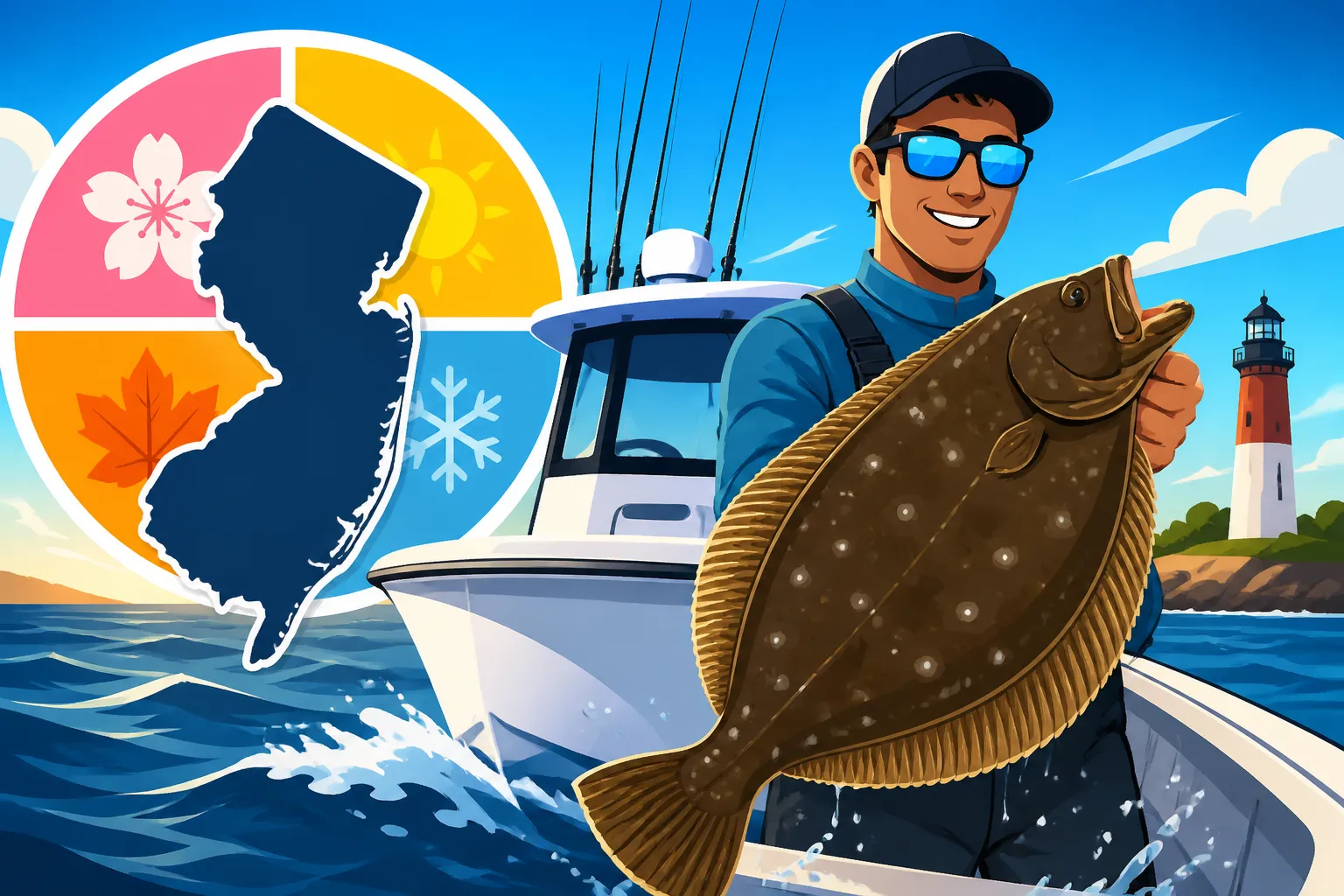
Typically, the New Jersey Fluke Season Start Date is in May and runs through late September or even into early October, marking the general window when you can legally target these fish. Within this broader season, however, certain months stand out for different reasons, whether you’re after quantity, quality, or a more comfortable fishing experience. The timing of their arrival in the back bays and their eventual push offshore truly dictates the "sweet spot" for charter bookings.
The Role of Water Temperature in Fluke Migration
Fluke are cold-blooded creatures, which means their activity and location are directly influenced by the surrounding water temperature. As spring progresses, the bays and shallower coastal waters of New Jersey begin to warm up, creating an inviting environment for fluke to move in from their offshore wintering grounds. They seek out these warmer, shallower areas for feeding and spawning.
In early spring, when the water is still chilly, fluke tend to be more lethargic and concentrated in deeper channels or around structure where temperatures might be slightly more stable. As the water warms further, they spread out across the flats and into shallower areas, becoming much more active. Peak fluke activity often coincides with water temperatures in the low to mid-60s Fahrenheit. If you're wondering about specifics, best water temperature for fluke fishing is often a hot topic among local anglers. Towards late summer and early fall, as the inshore waters begin to cool, fluke will stage in the inlets and nearshore ocean before migrating back out to deeper, warmer offshore waters for the winter. This migratory pattern is precisely why choosing the right month for your charter is so important.
Regulatory Season Dates and Their Impact
While water temperature dictates when fluke are physically present and active, the state's fishing regulations dictate when you can legally catch and keep them. It's a frustrating but necessary reality that even if fluke are biting in April, you can't keep them until the New Jersey Fluke Season Start Date. This means that sometimes, the "best" fishing might occur just outside the legal window, which is why charters are so attuned to the actual opening and closing dates.
The regulations also include New Jersey Fluke Size and Bag Limits Explained, which can dramatically affect your charter experience. You might catch a ton of fluke on a given day, but if they're all under the New Jersey Fluke Size Limit: 18 Inches, you won't be taking any home for dinner. Experienced charter captains know these rules inside and out and will guide you to areas and techniques that maximize your chances of catching legal-sized fish. This constant interplay between nature's calendar and the state's rules is what makes timing your fluke charter in New Jersey a bit of an art form.
Breaking Down the Prime Fluke Fishing Months
When it comes to booking a fluke charter, each month within the season offers its own unique advantages and challenges. There's no single "best" month for everyone, as your ideal time will depend on what you prioritize: bigger fish, more fish, fewer crowds, or more stable weather.
May: The Early Bird Catches the Worm (or a Doormat)
May often marks the start of the recreational fluke season in New Jersey. For those who can't wait to get their lines in the water, May offers the first crack at these tasty flatfish. The water is still on the cooler side, and the fluke are just beginning to move into the bays and estuaries.
Pros of May Fluke Fishing:
- Larger Fish Potential: Early in the season, there's a good chance of encountering larger "doormat" fluke. These big fish are often among the first to move in, hungry after their offshore migration.
- Fewer Crowds: May generally sees fewer boats on the water compared to the peak summer months. If you prefer a more serene fishing experience without a lot of competition, this can be a huge plus.
- Captain's Focus: Charter captains are often highly motivated in May to find those first big fish, setting a strong tone for their season. They're usually putting in extra effort to locate the best early-season spots.
Cons of May Fluke Fishing:
- Fewer Numbers: While the average size might be larger, the sheer quantity of fluke can be lower in May. You might work harder for fewer bites.
- Weather Variability: Spring weather in New Jersey can be notoriously unpredictable. You might get a beautiful, calm day, or you could face chilly winds and choppy seas, which can sometimes impact fishing success.
- Specific Locations: Fluke might be more concentrated in specific channels, deeper holes, and around inlets in May, requiring captains to be very precise with their locations.
If your dream is to land a true trophy fluke and you don't mind putting in a bit more effort for potentially fewer bites, May can be a fantastic, uncrowded month to target these fish.
June: Transitioning to Abundance
June is a fantastic transitional month that sees a significant increase in fluke activity and numbers. The water has warmed considerably, and more fluke have moved into the inshore waters, spreading out across a wider range of habitats.
Pros of June Fluke Fishing:
- Increasing Numbers: You'll start to see more consistent action and higher catch rates in June. The fluke population in the bays and coastal areas grows steadily throughout the month.
- Good Mix of Sizes: June offers a healthy balance between catching good numbers of fish and still having a strong chance at keeper-sized fluke.
- Improving Weather: While still somewhat variable, June generally brings more stable and warmer weather patterns than May, making for a more comfortable day on the water.
- Variety of Spots: As fluke spread out, captains have more options for fishing different types of structure and depth, from shallow flats to deeper channels.
Cons of June Fluke Fishing:
- Growing Crowds: As the weather improves and fishing heats up, so do the number of recreational anglers and charter boats. Popular spots can get busy.
- Early Summer Rush: For those looking to book, popular charters can start to fill up quickly in June as people finalize their summer plans. Booking in advance becomes more important.
For many anglers, June hits a sweet spot, offering a great balance of numbers, size, and generally pleasant weather. It's often recommended for those who want a solid chance at taking home dinner without the full intensity of mid-summer crowds.
July and August: Peak Summer Action
These two months represent the absolute peak of the New Jersey fluke season. The water is warm, the fluke are abundant, and they are actively feeding throughout the bays and nearshore ocean.
Pros of July and August Fluke Fishing:
- Maximum Abundance: This is when you'll find the highest numbers of fluke in New Jersey waters. Charters often report high catch rates, making it an exciting time for consistent action.
- Active Feeding: Warm water means active fish. Fluke are typically aggressive during these months, hitting a variety of baits and lures with enthusiasm. If you're practicing How to Drift Fish for Fluke, you'll likely find plenty of opportunities.
- Stable Weather: Summer weather is generally the most stable and predictable, offering calm seas and sunny days, perfect for a comfortable charter experience.
- Family Friendly: With schools out and vacation plans in full swing, these months are ideal for family trips. The consistent action keeps kids engaged.
Cons of July and August Fluke Fishing:
- Highest Crowds: These are the busiest months on the water. Popular fishing spots, boat ramps, and even charter docks can be packed. You'll definitely have company.
- "Shorts" to Sift Through: While numbers are high, you might also encounter a larger proportion of undersized fluke, requiring more diligent measuring and releasing. This is where patience comes in!
- Hot Weather: While stable, the summer heat can be intense, especially on bright, sunny days with little breeze. Sun protection is absolutely essential.
- Booking Difficulty: Charters, especially popular ones, book up far in advance for July and August. You'll need to plan well ahead.
If your primary goal is to catch a lot of fluke and enjoy warm, sunny weather, then July and August are your go-to months. Just be prepared for company and to book early.
September: The Fall Push for Doormats
As summer winds down and September arrives, a subtle but significant shift occurs in the fluke fishery. The water begins to cool, signaling to the fluke that it's time to start their migration back offshore. This "fall run" can offer some of the best fishing of the entire season for certain types of anglers.
Pros of September Fluke Fishing:
- "Doormat" Potential Returns: Much like May, September often brings a second wave of larger fluke as they stage in deeper channels and nearshore ocean spots before heading out. These fish are often gorging themselves, preparing for winter.
- Reduced Crowds: With schools back in session and many summer vacations over, the crowds on the water significantly thin out. You'll often find a much more peaceful fishing environment.
- Pleasant Weather: Early September can still be quite warm, but as the month progresses, the scorching heat gives way to cooler, crisper air, making for very comfortable fishing conditions.
- Active Feeders: The cooling water and impending migration often trigger an aggressive feeding bite among fluke.
Cons of September Fluke Fishing:
- Shorter Days: Daylight hours are noticeably shorter, meaning less time on the water if you're doing a full-day trip.
- More Unpredictable Weather (Late Sept): While early September is often beautiful, late September can bring stronger fronts and more variable weather as autumn sets in.
- Fluke Migration Offshore: Towards the very end of the month, many fluke may have already started their offshore journey, requiring captains to venture further out to find them.
For those who prioritize landing a big fluke and enjoy fishing in cooler, less crowded conditions, September can be an exceptional month. It's often favored by seasoned fluke anglers who appreciate the return of "doormat" possibilities.
Choosing Your Ideal Month for a Fluke Charter
With so many variables, how do you decide which month is truly best for you? It really comes down to your personal fishing goals and preferences. Let's break down some common scenarios.
Targeting Trophy Fluke vs. High Numbers
Are you dreaming of that wall-hanger "doormat" fluke, or do you just want to feel a bend in your rod all day long?
- For Trophy Fluke: Your best bets are typically May and September. These months are often characterized by fewer, but larger, fish. The early arrivals and late-season stragglers are often the biggest of the bunch. You might not catch as many fish, but the ones you do hook could be exceptionally impressive.
- For High Numbers (Lots of Action): July and August are your prime times. The bays and nearshore ocean are teeming with fluke of all sizes. While you'll likely have to sort through more "shorts" to find keepers, the sheer volume of bites makes for an exciting and engaging day, especially for beginners or kids.
It's a classic quality versus quantity debate, and New Jersey's fluke season offers distinct periods for both.
Avoiding Crowds and Enjoying Solitude
If you prefer a more peaceful experience away from the hustle and bustle, timing is everything.
- To Avoid Crowds: May and September are your winning months. Many recreational boaters haven't hit the water yet in May, and by September, many summer vacationers have packed it in. You'll find less pressure on popular fishing grounds, more space at the dock, and often a more relaxed atmosphere overall.
- Embracing the Energy: If you thrive on the buzz of a busy fishing scene, then July and August won't bother you. The sheer number of boats and anglers adds to the lively summer vibe. Just be prepared for potential waits at boat ramps or busier docks.
Remember that even during peak season, a good charter captain can often find less-pressured spots, but overall, the general density of boats will be higher in mid-summer.
Balancing Weather and Comfort
New Jersey weather can be fickle, but there are definitely trends that can influence your comfort on a charter.
- For Optimal Comfort (Warm, Stable Weather): July and August typically offer the most consistently warm and stable weather conditions. Calm seas are more common, and you can usually count on sunshine. The trade-off, of course, is the heat, so proper hydration and sun protection are non-negotiable.
- For Cooler, Crisper Days: May and September provide a refreshing alternative. While May can still have some chilly mornings, the air temperature is generally mild. September offers beautiful crisp fall days, perfect for layering without the oppressive humidity of summer. However, both months can be more susceptible to strong winds or passing fronts that might make for choppier conditions.
Consider your tolerance for heat, cold, and motion sickness when picking your month. A comfortable angler is a happy angler!
Table: Fluke Charter Month Comparison
Here's a quick overview to help you weigh your options:
| Month | Typical Water Temp | Fluke Numbers | Keeper Potential | Crowds | Weather Outlook | Best For… |
|---|---|---|---|---|---|---|
| May | Cool (50s-low 60s) | Moderate | High (Larger avg) | Low | Variable, can be cool | Trophy hunters, solitude, early season action |
| June | Warming (60s) | Increasing | Good | Moderate | Improving, generally nice | Balance of numbers & size, pleasant conditions |
| July | Warm (60s-70s) | High | Good (Many shorts) | High | Warm, stable, sunny | Lots of action, families, consistent bites |
| August | Warm (70s) | Very High | Good (Many shorts) | Very High | Warm, stable, sunny | Maximum action, families, summer vacation |
| Sept | Cooling (60s) | Decreasing | High (Larger avg) | Low | Mild, crisp, can be windy | Trophy hunters, cooler weather, less crowded |
This table should give you a good visual aid to align your priorities with the typical conditions of each month.
Tips for Booking Your New Jersey Fluke Charter
Once you've narrowed down your ideal month, the next step is to secure your spot. Booking a charter, especially for popular species like fluke, requires a bit of planning.
When to Book Your Charter
This is probably the single most important piece of advice: book early, especially if you're aiming for July or August weekends. Reputable New Jersey Charter Fishing Guide operations and party boats fill their calendars months in advance, particularly for prime dates.
- Peak Season (July/August): Aim to book 3-6 months in advance. Seriously, don't wait until June to try and book a weekend in July. You'll likely be out of luck for the best boats.
- Shoulder Season (May/June/September): 1-3 months in advance is generally a safe bet, though popular captains can still fill up fast.
- Weekdays: Weekdays are generally easier to book, even in peak season, but still, don't leave it to the last minute.
Many anglers use platforms like FishingBooker to browse available charters and book directly. This can simplify the process of checking multiple captains and finding an open date that suits your schedule. You can filter by target species, boat size, and even read reviews to ensure you're picking a great fit.
What to Look for in a Fluke Charter
Not all charters are created equal, and finding the right one can significantly enhance your experience. When booking a New Jersey Fluke Charter Guide, consider the following:
- Experience and Reputation: Look for captains with a proven track record of finding fluke. Online reviews and local word-of-mouth are invaluable. A good captain is crucial for a successful trip, especially if you're new to the area.
- Boat Size and Type: Are you looking for a private charter for your group, or are you comfortable on a larger party boat with more people? A New Jersey Party Boat vs Private Charter: What's the Difference? can impact the cost and the personalized attention you receive. For fluke, both can be highly effective.
- Equipment: Ensure the charter provides quality rods, reels, and tackle suitable for fluke fishing. High-quality gear makes a difference in feeling bites and landing fish. Most charters provide this, but it's always good to confirm.
- Knowledge of Regulations: Your captain should be fully aware of all current New Jersey Freshwater Fishing Regulations Every Angler Should Know and saltwater rules, including fluke size and bag limits. They're your expert on the water.
- Comfort and Amenities: Consider if the boat has a restroom, ample shade, and space for your group. For longer trips, these details matter.
Platforms like FishingBooker allow you to read detailed descriptions of each charter, see photos of the boats, and check amenities, making it easier to compare options and find one that perfectly matches your needs.
Leveraging Online Booking Platforms
In today's digital age, online booking platforms have become incredibly convenient for finding and securing fishing charters. Services like FishingBooker aggregate listings from numerous captains, allowing you to compare prices, availability, and reviews all in one place.
Using these platforms streamlines the entire booking process. You can easily see which captains specialize in fluke, check their calendar for your desired month, and often book instantly. This is particularly helpful when you're trying to book well in advance, as you can plan your trip without multiple phone calls or emails. Plus, the review system helps ensure you're choosing a reputable and enjoyable experience. Many offer secure payment processing and clear cancellation policies, adding a layer of peace of mind.
No matter which month you choose, remember that fluke fishing in New Jersey is a rewarding pursuit that combines strategy, skill, and a bit of luck. By carefully considering the factors discussed here and planning ahead, you'll greatly increase your chances of a memorable and productive day on the water.
Disclaimer
This article is for general informational purposes only and does not constitute professional advice. Laws, prices and regulations vary by location and change over time. Consult a qualified professional for guidance on your specific situation.