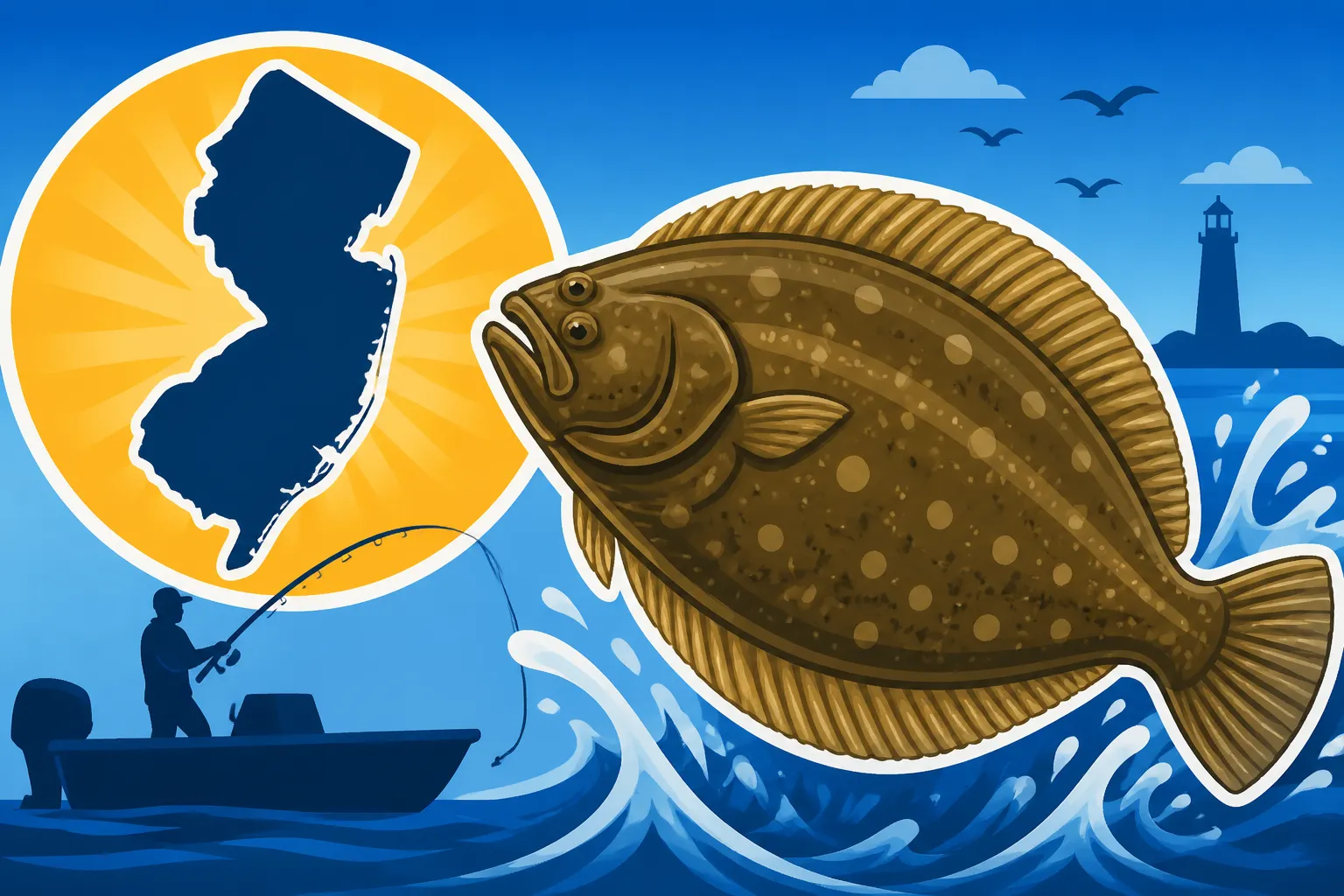
New Jersey Fluke Season Start Date
Waiting for the New Jersey fluke season to open each year can feel like an eternity, especially when you’ve been cooped up all winter dreaming of those delicious flatfish. It’s a common frustration that the exact start date isn't carved in stone and seems to shift around, making it tough to plan your first bay or ocean trip. This comprehensive guide is here to shed light on how the New Jersey fluke (summer flounder) season dates are determined, what to expect for 2026, and how you can stay on top of the regulations so you're ready when the first legal fluke bites.
Understanding New Jersey's Fluke Season and Why It Matters
Fluke, or summer flounder as they’re officially known, are arguably one of New Jersey’s most popular recreational saltwater species. Anglers flock to our bays, inlets, and nearshore waters from spring through fall, eager to put these tasty fish in the cooler. The sheer popularity of fluke fishing means that the regulations surrounding their season, especially the coveted start date, are critically important to thousands of anglers across the state. It’s not just about catching fish; it’s about continuing a tradition, enjoying the beautiful Jersey Shore, and putting fresh, local seafood on the dinner table.
One of the biggest headaches for many of us, myself included, is the ever-changing nature of these regulations. You might remember a year where the season felt like it started "early" or another where it dragged on into June, leaving you itching to get out there. This isn't just arbitrary; it's part of a complex management system designed to protect the fish stock while still allowing recreational opportunities. It’s a constant balancing act, and sometimes it feels like anglers bear the brunt of the adjustments.
The Dynamic Nature of Fluke Regulations
The reason fluke regulations often feel like a moving target is because they are. Fluke are a migratory species that travel along the Atlantic Coast, meaning their management isn't just up to New Jersey. Instead, the Atlantic States Marine Fisheries Commission (ASMFC) and the Mid-Atlantic Fishery Management Council (MAFMC) play a significant role. These regional bodies assess the health of the fluke stock, considering factors like population size, reproduction rates, and fishing pressure from all states that share the resource.
Based on these assessments, federal guidelines are developed, and then New Jersey, along with other states in the region, works to implement regulations that comply with those guidelines. This often involves intense discussions between state fisheries managers, scientists, and angler representatives to figure out the best approach for our local waters. What might work well for anglers down in Delaware or Maryland might not be ideal for us here, leading to unique state-specific rules within the broader federal framework. It's a system built on science and compromise, but for the average angler, it can feel like a bureaucratic maze that changes every year.
Why the Start Date Isn't Always the Same
So, why can't we just have a fixed calendar date for fluke season, like May 15th every year? The simple answer is that the health of the fluke population, and the need to keep fishing pressure within sustainable limits, isn't static. Each year, scientists conduct stock assessments to determine if the fluke population is stable, growing, or declining. If the stock assessment indicates a need for more conservation, regulators might shorten the season, increase the size limit, or reduce the bag limit.
The specific start date is often a crucial lever in this management strategy. A later start date might mean fewer fishing days overall, or it might be timed to protect spawning fish or allow smaller fish to grow. Other factors, like the previous year's catch data, public input from various fishing groups, and coordination with neighboring states, all feed into the decision-making process. The goal is always to balance recreational fishing opportunities with the long-term sustainability of the fluke fishery. It's a testament to the dedication of conservationists that these discussions happen annually, even if it adds a layer of uncertainty for anglers trying to plan their spring and summer fishing trips.
Pinpointing the New Jersey Fluke Season Start Date for 2026 and Beyond
Given the dynamic nature of regulations, it’s understandable that anglers are always eager to know the exact start date for the upcoming fluke season. While I can’t give you a crystal-ball prediction for the precise moment the 2026 season will open, I can definitely tell you when to expect the announcement and where to find the definitive information. Getting this right is key to avoiding disappointment, or worse, a penalty for fishing out of season, which can happen if you rely on outdated information. If you're wondering, "When Does New Jersey Trout Season Open in 2026?", you'll find similar considerations, but saltwater species like fluke often have more complex, fluctuating regulations.
Typical Timing for Fluke Season Opening
Historically, the New Jersey fluke season typically kicks off in late May or early June. This timing isn't accidental; it aligns perfectly with the biological patterns of summer flounder. As spring progresses and water temperatures in our bays and nearshore ocean areas begin to warm up, fluke migrate from their deeper, offshore wintering grounds into these shallower, more accessible waters. This movement makes them available to recreational anglers fishing from boats, kayaks, or even from shore in certain areas.
The late May/early June window is usually when these fish are well-established in our local estuaries, actively feeding and providing excellent opportunities. Sometimes, depending on the severity of the past winter and the speed of spring warming, the fish might arrive a little earlier or later. Regulators try to synchronize the season opening with the presence of legal-sized fish to maximize angler success while still adhering to conservation goals.
How to Find the Official 2026 Fluke Season Start Date
When it comes to official fishing regulations, there's only one source you should ever truly trust: the New Jersey Department of Environmental Protection's (NJDEP) Division of Fish and Wildlife. They are the authoritative body for all things related to fishing seasons, bag limits, and size restrictions in our state. For the most up-to-date information on the 2026 fluke season, you'll want to regularly check their website.
Specifically, look for the "Marine Fishing Regulations" section or their annual "Marine Digest." This digest is typically released in late winter or early spring and contains all the current rules for saltwater fishing, including the crucial dates for fluke, striped bass, black sea bass, and other species. You can usually download a PDF version or view the regulations directly on their webpage. Be aware that sometimes, due to ongoing discussions or unforeseen circumstances, the final dates might not be announced until relatively close to the season opening, so bookmark the page and check back frequently. It's also where you'll find details like the New Jersey Fluke Size Limit: 18 Inches and the New Jersey Fluke Bag Limit Explained that are crucial once the season is underway.
Preparing for Fluke Season: Beyond Just the Start Date
Knowing the fluke season start date is just the first step. To really make the most of your time on the water, you need to be prepared. This means having the right gear, understanding effective fishing techniques, and being aware of all the other regulations that go hand-in-hand with the season dates. There’s nothing more frustrating than finally getting out there only to realize you’re missing a key piece of equipment or, worse, you’re not compliant with the rules.
Essential Gear and Rigging for Early Season Fluke
When it comes to fluke fishing, having the right setup can make a huge difference. For most anglers targeting fluke in New Jersey, a medium-light to medium action spinning rod, around 6 to 7 feet long, paired with a reliable spinning reel spooled with 10-20 lb braided line, is a fantastic all-around choice. The braid offers excellent sensitivity, allowing you to feel those subtle fluke bites, and its lack of stretch provides solid hook sets. You’ll want to tie a fluorocarbon leader (20-30 lb test) to the end of your braid for abrasion resistance and stealth.
For rigs, the classic hi-lo rig with a bank sinker is a perennial favorite, especially for bait fishing. Many anglers also swear by bucktail jigs tipped with soft plastics like Berkley Gulp! Alive! swimbaits or shrimp, which can be incredibly effective, especially when jigging. Natural baits like spearing, squid, or live minnows (killies) are also excellent choices. You can find a vast array of rods, reels, lines, and Gulp! products on sites like Amazon, or, even better, support your local tackle shop for expert advice and fresh bait. For a deep dive into putting your rig together, check out our guide on How to Tie a Fluke Rig.
Early Season Fluke Hotspots and Techniques
Early in the fluke season, when the water is still relatively cool, fluke tend to congregate in shallower areas where the water warms up faster. This means our vast New Jersey bay systems and estuaries become prime fishing grounds. Think Barnegat Bay, Great Bay, and the various creeks and channels along the coast. Look for areas with structure like oyster beds, channel edges, mussel beds, and bridge pilings where baitfish might be hiding.
Drifting is one of the most popular and effective methods for fluke fishing. By slowly drifting with the current, you can cover a lot of ground and present your bait or jig naturally. Pay close attention to your depth finder (if you have one) and try to stay on the edges of channels or over submerged structure. When jigging, a slow, deliberate lift-and-drop motion is often more effective than aggressive jerking. Remember that fluke are ambush predators, so presenting your offering naturally and patiently is key. For more in-depth techniques, especially for bay fishing, exploring topics like Best Depth to Drift for Fluke in New Jersey Bays can provide valuable insights.
Other Regulations to Keep in Mind
Beyond just the season dates, New Jersey has other critical regulations that every fluke angler must understand and follow. These include the minimum size limit and the daily bag limit. The size limit ensures that fish have a chance to grow and reproduce before being harvested, and the bag limit prevents overfishing. These can also change annually, sometimes independently of the season dates, so always check the latest Marine Digest. For example, if you catch a monster fluke, you still need to know How to Tell If a Fluke Is Legal Size and if it falls within the current bag limits.
Another often-overlooked but absolutely essential requirement for saltwater anglers in New Jersey is the New Jersey Saltwater Registry Explained. Even if you’re fishing from shore, a private boat, or a kayak, most recreational saltwater anglers are required to register with the state. This registry is free, but failing to do so can result in a fine. Charter and party boat passengers are usually covered by the boat's license, but it's always smart to confirm. Don't let a simple oversight spoil your day on the water!
New Jersey Fluke Season: Typical Parameters and Information Sources
| Parameter | Typical Value/Guidance (Subject to Annual Change) | Where to Find Current Info |
|---|---|---|
| Season Start | Late May to Early June | NJDEP Division of Fish and Wildlife Website (Marine Digest) |
| Season End | Mid-September (approx.) | NJDEP Division of Fish and Wildlife Website (Marine Digest) |
| Minimum Size | 17.5 to 19 inches (varies by year) | NJDEP Division of Fish and Wildlife Website (Marine Digest) |
| Daily Bag Limit | 2 to 3 fish per person (varies by year) | NJDEP Division of Fish and Wildlife Website (Marine Digest) |
| Saltwater Registry | Required for most recreational anglers | NJ Saltwater Registry Program website |
Disclaimer
Fishing regulations, including season dates, size limits, and bag limits, are subject to change by the New Jersey Department of Environmental Protection (NJDEP) at any time. While we strive to provide the most accurate and up-to-date information, it is the angler's responsibility to verify all current regulations before fishing. Always consult the official NJDEP Division of Fish and Wildlife website or their most recent Marine Digest for the definitive and legally binding rules.