Best Fly Fishing Guides for New Jersey Trout Streams
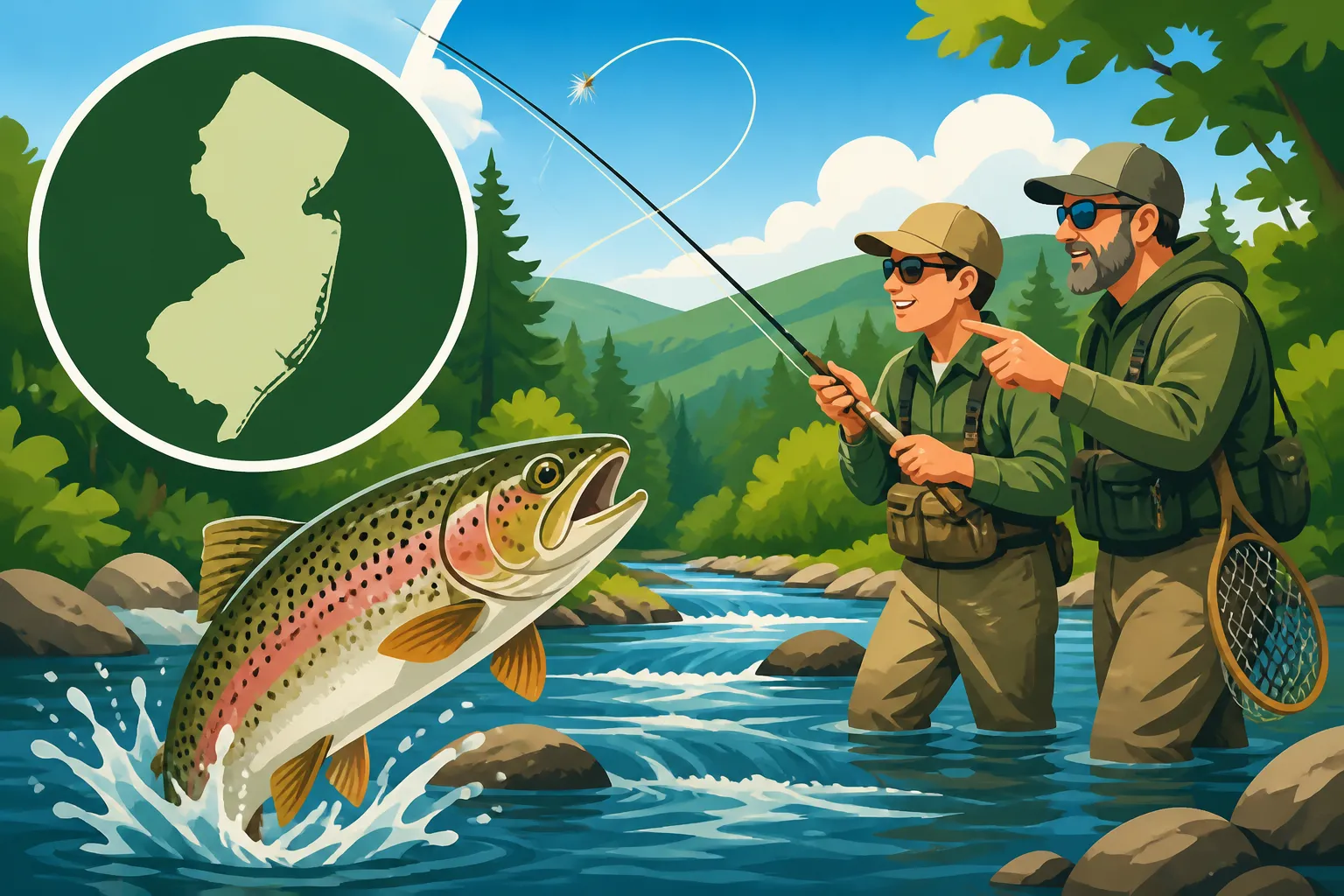
Navigating New Jersey's myriad trout streams, especially when you're hoping to master the delicate art of fly fishing, can feel incredibly daunting. From deciphering ever-changing hatches to understanding the subtle currents of a specific river, it's easy to get overwhelmed and feel like you're missing out on prime fishing opportunities. This guide is here to shed some light on why a fly fishing guide can be your best asset and what to look for when choosing one to unlock the true potential of New Jersey's beautiful trout waters.
Why Hire a Fly Fishing Guide for New Jersey Trout Streams?
Many anglers, especially those new to fly fishing or new to a particular region, often wonder if hiring a guide is truly worth the investment. The short answer is a resounding yes, particularly when targeting trout in New Jersey's diverse waterways. These streams, from the renowned Musconetcong to the picturesque Pequest, offer incredible beauty and challenging fishing, which can be made far more accessible and rewarding with expert help.
Navigating Complex Waters and Regulations
New Jersey's trout streams, while relatively accessible, can be surprisingly complex. Public access points might be limited, certain stretches could be privately owned, and understanding where you can legally wade or bank fish can be a real head-scratcher. A local guide knows these nuances intimately. They can take you to hidden gems, show you the best spots to enter and exit the water safely, and ensure you're not inadvertently trespassing. More importantly, they are well-versed in the specific regulations that govern each waterbody. This includes understanding New Jersey Freshwater Fishing Regulations Every Angler Should Know, special trout conservation areas, and specific season dates that might differ from general statewide rules. They can help you confirm you have your proper New Jersey Trout Stamp Requirements Explained and avoid any unintentional violations. Think of them as your personal GPS and rulebook all rolled into one.
Beyond just knowing the rules, a guide understands the specific behavior of the fish in different conditions. They know which pools hold the biggest browns after a rain, or where brook trout might be hiding in shallower riffles during a heatwave. This on-the-water intelligence is something that takes years, if not decades, to accumulate on your own, and it's invaluable for a successful outing.
Learning Advanced Techniques and Local Entomology
Fly fishing is an art form, and like any art, there are endless techniques to master. A guide can accelerate your learning curve exponentially. Instead of fumbling through YouTube videos, you'll have a seasoned pro by your side, demonstrating everything from the perfect roll cast on a tight stream to the most effective nymphing rig for deep pockets. They can identify gaps in your casting, suggest improvements to your presentation, and tailor their instruction to your current skill level, whether you're a complete novice or an experienced angler looking to refine specific skills.
Perhaps even more crucial for successful trout fishing is understanding entomology – the study of insects. Trout feed predominantly on insects, and knowing what they're eating, when they're eating it, and how to imitate it is the cornerstone of fly fishing. New Jersey has specific hatches throughout the year, from early spring caddis to summer sulphurs and fall BWO's. A good guide will not only know what's hatching but will also have the right flies tied and ready, and can teach you how to "match the hatch" by observing insect activity on the water. They'll explain why a specific size or color pattern is working on that particular day, giving you insights that will improve your fishing long after your guided trip ends. For those looking to dive deeper into this aspect, guides are an excellent resource for insights into What Do Stocked Trout Eat?.
Maximizing Your Fishing Time and Success
Let's be honest: when you go fishing, you want to catch fish. A guide significantly increases your chances of doing just that. They eliminate the guesswork. You won't spend hours driving around looking for access, figuring out what flies to use, or trying to interpret unfamiliar water. Instead, you'll be on the fish, with the right gear, and the right approach, from the moment your trip begins. This efficiency is especially valuable if you have limited time, perhaps a vacation where every fishing hour counts.
A guide comes prepared with knowledge of where the fish are active, what they are feeding on, and the best New Jersey Trout Fishing Techniques to employ. They know the subtle seams where trout ambush prey, the deep holes where they hold in cold weather, and the oxygenated riffles they frequent in warmer months. They'll often provide high-quality gear, including waders, boots, rods, and reels, saving you the expense and hassle of bringing your own or buying new equipment. This allows you to focus purely on the fishing experience, learning and enjoying the beautiful surroundings without worrying about logistics or gear malfunctions.
What to Look For in a New Jersey Fly Fishing Guide
Choosing the right fly fishing guide is a bit like choosing a good teacher or a trustworthy mechanic – you want someone knowledgeable, patient, and reliable. With several excellent guides operating across New Jersey's trout country, knowing what criteria to prioritize can make all the difference in your experience.
Experience and Local Knowledge of Specific Streams
The absolute cornerstone of a great fly fishing guide is their intimate knowledge of the local waters. New Jersey's trout streams, even those seemingly close to each other, can have wildly different characteristics. A guide who primarily fishes the Pequest might not be the best choice if your heart is set on Fishing the Musconetcong River for Trout, and vice versa. Look for guides who specialize in the specific rivers or types of water you want to fish, whether it's large freestone rivers, small limestone spring creeks, or tailwaters.
Ask about their experience: How long have they been guiding in New Jersey? What are their preferred rivers? Do they have a deep understanding of the unique hatches and conditions of those waters throughout the different seasons? A guide with years of experience will have encountered every challenge Mother Nature can throw at them and will know how to adapt to changing water levels, temperatures, and fish moods. You can often find detailed profiles of guides and their specialties on platforms like FishingBooker, which helps in matching you with someone who truly knows the specific local conditions.
Guiding Style and Teaching Philosophy
Every guide has a unique personality and teaching style. Some are highly instructional, breaking down every cast and presentation detail. Others are more hands-off, letting you figure things out with minimal intervention unless you ask for help. Think about what kind of experience you're looking for. Are you a beginner who needs constant coaching and encouragement? Or are you an experienced angler seeking someone to simply put you on fish and perhaps offer a few advanced tips?
Don't be afraid to communicate your expectations upfront when you're booking. A good guide will be happy to adjust their approach to suit your needs. If you're looking for a dedicated learning experience, emphasize that. If you just want to relax and catch fish, let them know. A great guide is not just an expert angler but also an excellent communicator and a patient teacher, able to adapt to different personalities and skill levels. Reviews on sites like FishingBooker often highlight a guide's particular style, which can be very helpful in making your decision.
Inclusions and Gear Provided
Before booking, clarify what is included in the guide's rate. Most guides will provide flies, tippet, and leaders. Many will also offer rods, reels, and sometimes even waders and boots, which is a huge benefit if you're traveling or just starting out. Make sure to ask about this specifically, as bringing your own gear can sometimes be preferred, but having the option for the guide to provide it can save a lot of hassle.
A comprehensive package might also include snacks, drinks, or even lunch on a full-day trip. Confirming these details in advance ensures there are no surprises and you can pack accordingly. If you have specific dietary needs, make sure to mention them well ahead of time. Understanding these inclusions helps you compare apples to apples when looking at different guide services.
Reputation and Client Testimonials
In the digital age, a guide's reputation is often readily available through online reviews and testimonials. Look for consistent positive feedback regarding their professionalism, knowledge, patience, and success rate. Pay attention to comments that specifically mention their teaching ability if you're looking to learn, or their ability to find fish if that's your primary goal.
Word-of-mouth recommendations are also golden. If you know other anglers who have used a guide in New Jersey, ask them about their experiences. Forums, local fly shops, and social media groups dedicated to New Jersey fishing can also be great resources for finding reputable guides and reading genuine feedback. When reviewing guides, platforms like FishingBooker gather verified reviews, which can provide a reliable snapshot of a guide's service quality.
Types of Fly Fishing Trips Offered
New Jersey's trout streams are diverse, and so are the ways you can fish them with a guide. Understanding the different trip types available will help you choose the adventure that best suits your physical ability, skill level, and desired fishing experience.
Walk-and-Wade Trips
Walk-and-wade trips are the most common type of guided fly fishing experience on New Jersey's trout streams. These trips involve physically walking along the riverbanks and wading into the stream to access prime fishing spots. They are perfect for anglers who enjoy the intimacy of being in the water, reading seams and currents up close, and exploring smaller sections of a river in depth. These trips are also great for learning specific casting techniques applicable to varied terrain and cover.
Such trips typically last a half-day or full-day. They require a reasonable level of physical fitness, as you'll be navigating uneven terrain and wading through moving water, which can be slippery. Your guide will provide insights into How to Wade Fish New Jersey's Rocky Trout Streams Safely and ensure you're comfortable with the footing. Walk-and-wade trips are excellent for targeting specific pockets, runs, and riffles where trout hold, allowing for a focused approach on presentation and technique. They are particularly effective on many of New Jersey's smaller, more intimate streams like the Pequest or segments of the Paulinskill, where boat access isn't feasible or permitted.
Drift Boat or Raft Trips (where applicable/legal)
While less common on New Jersey's smaller trout streams due to size constraints and access rules, some larger rivers or sections may offer drift boat or raft trips. These trips allow anglers to cover more water efficiently, floating downstream while casting to promising banks, submerged structures, and deeper pools. They can be a fantastic way to experience a longer stretch of river and access spots that are difficult or impossible to reach by wading.
The main advantage here is covering ground. You can fish untouched water and target different types of holding lies quickly. The guide will typically row the boat, positioning you for optimal casts and pointing out likely fish haunts. It's crucial to confirm the legality and availability of drift boat trips on your chosen New Jersey stream, as regulations vary. When available, these trips offer a different perspective and can be less physically demanding than a full day of wading, though casting from a boat requires its own set of skills.
Specialty Trips (e.g., beginner clinics, nymphing focus)
Many New Jersey fly fishing guides also offer specialty trips tailored to specific learning objectives or fishing styles. These can include:
- Beginner Clinics: These trips are designed for absolute novices, focusing on the very basics of fly casting, knot tying, reading water, and understanding the fly fishing setup. They are a gentle introduction to the sport.
- Nymphing Focused Trips: Nymphing, fishing with subsurface fly patterns, is often the most effective way to catch trout. A specialty nymphing trip will delve deep into different nymphing techniques (Euro Nymphing, indicator nymphing, etc.), rig setups, and reading subtle strikes.
- Dry Fly Specific Trips: When the hatch is on, nothing beats dry fly fishing. These trips focus on perfecting your presentation of dry flies, understanding insect emergence, and targeting rising fish. Timing is key for these, aligning with Best Time to Fly Fish New Jersey's Trout Streams.
- Targeting Specific Species or Seasons: Some guides might offer trips specifically for large brown trout during the fall spawn or for catching brook trout in secluded mountain streams. Others might focus on New Jersey Trout Season: Spring vs Fall strategies.
When browsing guides, especially on platforms like FishingBooker, pay attention to any specialized offerings. If you have a particular skill you want to develop or a specific type of experience in mind, a specialty trip could be exactly what you need to elevate your fly fishing game.
Preparing for Your Guided Fly Fishing Trip
A little preparation goes a long way in ensuring your guided fly fishing trip in New Jersey is as enjoyable and productive as possible. Knowing what to bring, understanding the regulations, and setting clear expectations will help you relax and focus on the fishing.
Essential Gear and Clothing
Even if your guide provides a significant amount of gear, there are some personal items you'll always want to bring:
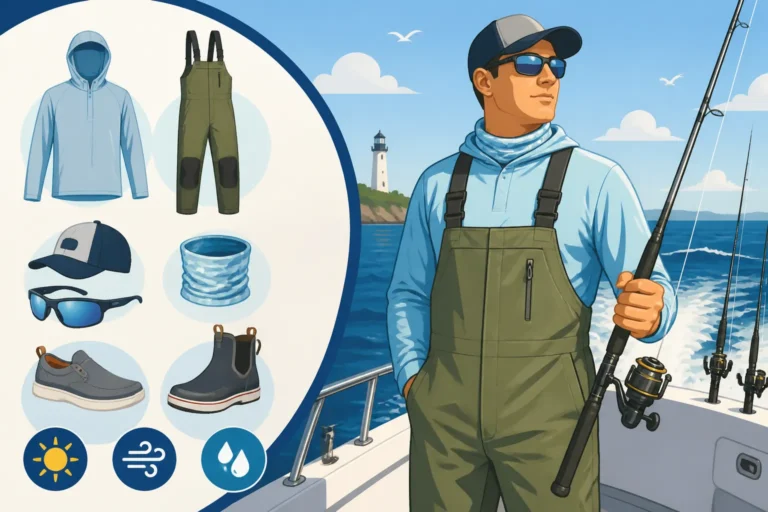
- Layered Clothing: New Jersey weather can be unpredictable. Dress in layers, including a moisture-wicking base layer, insulating mid-layers, and a waterproof and windproof outer shell. Even on sunny days, mornings can be chilly, and unexpected rain showers aren't uncommon.
- Socks: Pack extra wool or synthetic socks. Even with waders, feet can get damp, and having a fresh, dry pair makes a world of difference.
- Hat and Sunglasses: A brimmed hat protects from sun and glare, and polarized sunglasses are essential for spotting fish and structure in the water, as well as protecting your eyes from errant casts.
- Sunscreen and Insect Repellent: Protect yourself from the sun, and be prepared for ticks and mosquitoes, especially in spring and summer near wooded areas.
- Water and Snacks: Even if your guide provides some, having your own hydration and energy boosters is always a good idea, especially on a full-day trip.
- Camera: To capture those memorable catches and beautiful New Jersey scenery!
Always confirm with your guide what gear they provide and what they recommend you bring. They might have specific preferences or suggestions based on the weather forecast and the particular stream you'll be fishing.
Understanding New Jersey's Fishing License and Trout Stamp Rules
This is perhaps the most crucial piece of preparation. Every angler over the age of 16 needs a valid New Jersey freshwater fishing license to fish for trout, and importantly, you'll also need a separate New Jersey Trout Stamp: Who Needs One. Even if you're going with a guide, you are responsible for having these documents in order.
You can typically purchase these online through the New Jersey Fish & Wildlife website or from authorized license agents, including many local tackle shops. It's best to buy them a few days in advance to avoid any last-minute rush. Make sure you carry proof of your license and trout stamp with you on your trip, either a printed copy or a digital version on your phone. Conservation Police Officers do check licenses on the water, and fishing without one can result in significant penalties. Remember, the guide's license doesn't cover you!
Setting Expectations and Communicating with Your Guide
Before your trip, have a conversation with your guide about what you hope to achieve. Are you focused on learning to cast better? Do you want to catch a specific species, like a big brown trout? Is it more about the overall experience and enjoying nature? Being clear about your expectations helps the guide tailor the day to your preferences.
Also, don't hesitate to communicate during the trip itself. If you're feeling tired, if you want to try a different technique, or if you simply need a break, let your guide know. They are there to provide you with the best possible experience. Remember that fishing success is never guaranteed, even with the best guide. Focus on the learning, the beauty of the surroundings, and the joy of being on the water. A good guide will work hard to put you on fish, but the memories made and skills gained are often more valuable than the number of fish caught.
| Trip Type | Best For | Physical Demands | Typical Inclusions | Common New Jersey Use |
|---|---|---|---|---|
| Walk-and-Wade | Learning techniques, exploring specific spots | Moderate to High (uneven terrain, wading) | Flies, tippet, leader, sometimes gear | Most common for trout streams |
| Drift Boat/Raft | Covering lots of water, targeting different sections | Low to Moderate (casting from boat) | Boat, guide, safety gear, often lunch | Larger rivers (less common for small trout streams) |
| Specialty Clinic | Skill development, focused learning | Varies by focus (can be low if classroom-based) | Specific instruction, specialized gear/flies | Tailored to angler's goals |
Disclaimer
This article is for general informational purposes only and does not constitute professional advice. Laws, prices and regulations vary by location and change over time. Consult a qualified professional for guidance on your specific situation.