Are New Jersey Charter Boats Insured for Passengers?
It's a common worry when you're planning an exciting fishing trip on the open waters of New Jersey: what happens if something goes wrong? You’re dreaming of reeling in that trophy striped bass or a flounder for dinner, but a little voice in the back of your head might be asking about safety and, more specifically, insurance. This guide is here to tackle that concern head-on, explaining whether New Jersey charter boats are typically insured for passengers and what you, as an angler, should know before stepping aboard.
Understanding Marine Insurance for Charters
The world of marine insurance can seem a bit opaque from the outside, but when it comes to charter boats, it’s fundamentally about protecting everyone involved. For passengers, it's about having peace of mind that if an unforeseen incident occurs, there's a safety net in place.
Why Insurance is Crucial for Passenger Safety
Stepping onto a charter boat, whether it's a small six-pack or a larger party boat heading out of Point Pleasant or Belmar, carries inherent risks. You're on the water, often in conditions that can be unpredictable, dealing with heavy fishing gear, slippery decks, and moving machinery. While captains and crews are highly trained professionals who prioritize safety above all else, accidents can still happen. A rogue wave could knock someone off balance, a piece of equipment might malfunction, or a simple slip on a wet deck could lead to an injury.
This is precisely where insurance becomes not just a nice-to-have, but a critical component of any legitimate charter operation. It provides financial protection for passengers who might suffer injuries or losses due to an incident on the vessel. Without proper insurance, a severe accident could lead to immense financial burdens for the injured party, and also for the charter operator who would be personally liable. Understanding that a boat is insured can allow you to focus on the thrill of the catch rather than worrying about potential worst-case scenarios.
Types of Marine Insurance Relevant to Charters
When we talk about insurance for charter boats, we’re primarily looking at a specific type of coverage that protects third parties, including passengers. This is typically known as Protection & Indemnity (P&I) insurance.
P&I insurance is a broad form of marine liability coverage that protects the vessel owner (the charter company or captain) against a wide range of third-party claims. For passengers, the most relevant aspect is its coverage for personal injury or death. If you were to be injured due to the negligence of the vessel owner or crew, or a defect with the vessel itself, the P&I policy would typically respond to cover medical expenses, lost wages, and other damages. It’s essentially the marine equivalent of a general liability policy that businesses carry on land, but tailored for the unique risks of operating a vessel.
There are other types of marine insurance, like Hull & Machinery (H&M) insurance, which covers physical damage to the boat itself. While vital for the charter operator's business continuity, H&M insurance doesn't directly cover passenger injuries. Similarly, crew insurance, like workers' compensation, covers the crew, not the paying passengers. So, when you're inquiring about insurance, it’s the P&I coverage that directly addresses your concerns as a passenger. A reputable charter will always have adequate P&I coverage to protect their clients.
New Jersey Regulations and Industry Standards
New Jersey, like all coastal states, operates within a framework of regulations designed to ensure the safety of commercial passenger vessels. These rules aren't just arbitrary; they're in place to minimize risks and ensure operators maintain a high standard of care.
State and Federal Requirements for Commercial Vessels
Any vessel carrying paying passengers in New Jersey waters, whether it's a bay boat on Barnegat Bay Bluefish and Fluke Spots or an offshore charter out of Cape May, is subject to specific oversight. The primary authority here is the U.S. Coast Guard (USCG). They set stringent safety standards for commercial passenger-carrying vessels, which include everything from hull integrity and fire suppression systems to navigation equipment and emergency procedures. Vessels carrying more than six passengers, often referred to as "Inspected Vessels," undergo regular, thorough inspections by the USCG to ensure compliance. Even smaller "Uninspected Vessels" (often six-pack charters) must meet specific safety equipment requirements and carry appropriately licensed captains.
While the USCG primarily focuses on operational safety and vessel readiness, these strict requirements indirectly bolster the expectation of insurance. Insurers are far more willing to cover vessels that demonstrably adhere to safety regulations, as it reduces their risk profile. New Jersey itself has additional state regulations, particularly concerning environmental protection and fishing rules, but the core safety and operational standards for passenger-carrying vessels are largely federal. Adherence to these guidelines is a strong indicator that an operator takes their responsibilities seriously. You can also refer to resources like the New Jersey Saltwater Registry Explained to understand broader regulatory compliance.
How Reputable Charters Prioritize Safety and Coverage
The best charter operators in New Jersey—the ones who consistently get glowing reviews and repeat customers—don't just meet minimum safety requirements; they exceed them. They understand that their reputation, and indeed their livelihood, depends on providing a safe and enjoyable experience. This commitment to safety translates directly into their approach to insurance. A captain who invests in regular maintenance for their vessel, employs experienced and CPR-certified crew, and conducts thorough safety briefings before departure is also very likely to invest in robust insurance coverage.
These reputable charters view insurance not as an optional expense, but as an essential part of doing business responsibly. They know that in the unlikely event of an accident, having comprehensive P&I insurance protects both their business and their passengers. When you're looking for a charter, whether through word-of-mouth or online platforms like FishingBooker, pay attention to their professionalism, the condition of their boat, and their willingness to discuss safety. A charter that cuts corners on maintenance or crew training is probably cutting corners on insurance too. Platforms like FishingBooker often provide detailed profiles of charters, including information about their licenses and sometimes even their safety records, which can be a valuable resource in your decision-making process.
What to Look For and Ask Before Booking
Choosing a fishing charter is a bit like choosing a trusted guide for any adventure – you want someone reliable, experienced, and prepared for anything. Knowing what questions to ask can make all the difference.
Key Questions to Ask Your Charter Captain
It’s perfectly acceptable, and frankly, smart, to ask your prospective charter captain about their insurance coverage. Don't feel awkward about it; a professional captain will appreciate your diligence. Here are some key questions you might consider:
- "Are you insured for passenger liability?" This is the direct question. A simple "yes" is a good start, but a captain who can explain their coverage in general terms, or confirm they carry P&I insurance, is even better. They don't need to show you the policy documents, but they should be able to confidently affirm their coverage.
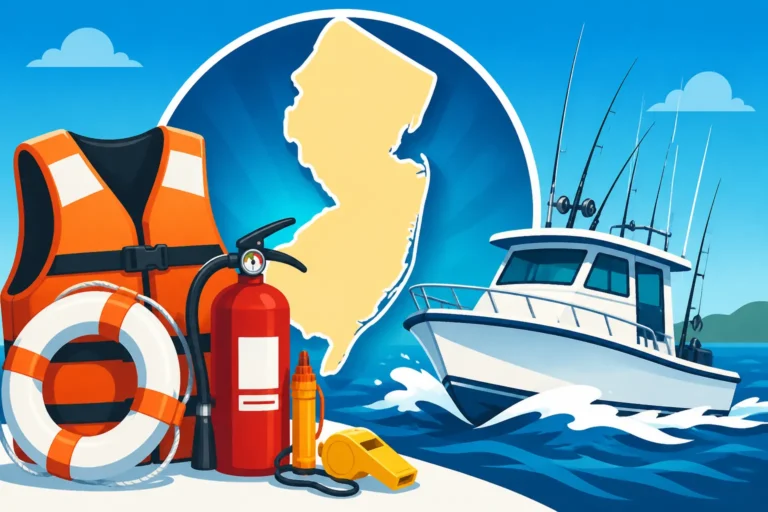
- "What safety equipment do you have on board?" This goes hand-in-hand with insurance. A well-equipped boat with life rafts, personal flotation devices for all passengers (and kids!), fire extinguishers, and up-to-date navigation and communication equipment demonstrates a strong commitment to safety, which usually correlates with responsible insurance practices.
- "What are your procedures in case of an emergency?" While you hope to never need them, knowing that the captain and crew have a plan for medical emergencies, man overboard scenarios, or mechanical failure can be very reassuring. This might involve a brief explanation of how they would respond and communicate.
A confident and transparent answer to these questions indicates a professional operation. If a captain seems evasive or annoyed by your questions, that’s a significant red flag. You're entrusting them with your safety, so you have every right to be informed. Remember, you might also want to ask about specific fishing regulations for your trip, like the New Jersey Striped Bass Slot Limit Explained or New Jersey Fluke Size and Bag Limits Explained.
Red Flags and How to Spot Them
While most New Jersey charter operations are run by seasoned pros, it's wise to be aware of potential warning signs. Avoiding a sketchy operation is your first line of defense.
- Unwillingness to discuss insurance or safety: As mentioned, this is a major red flag. A reputable captain has nothing to hide and understands your concerns.
- Vessel in poor condition: If the boat looks unkempt, has obvious signs of neglect, or equipment appears outdated or broken, it suggests a lack of care that likely extends to other aspects of the operation, including insurance and passenger safety.
- Lack of proper licensing or credentials: Captains of commercial vessels are required to hold specific USCG licenses. Don't hesitate to ask about their captain's license. While you don't need to verify it on the spot, a proud display of credentials is a good sign. You can also research charter companies on platforms like FishingBooker, which often include details about the captain’s experience and credentials.
- "Too good to be true" pricing: While everyone loves a deal, extremely low prices might indicate that corners are being cut somewhere – often on maintenance, crew, or, yes, insurance. Be wary of deals that seem significantly cheaper than competitors, especially if they can't adequately explain why. It’s always worth paying a fair price for safety and peace of mind.
- Cash-only operations without receipts: While some smaller operations might prefer cash, a complete lack of any formal booking process, contracts, or receipts can be a sign of an unprofessional business.
- Disorganized booking or communication: Professional charters maintain clear communication and a structured booking process. If messages are vague, responses are slow, or details are constantly changing, it can be a sign of disorganization that might extend to other parts of their operation.
Understanding Your Own Travel Insurance
While charter boat insurance covers incidents directly related to the vessel and its operation, your personal travel insurance can offer an important layer of supplementary protection. Think of it as additional peace of mind for your specific situation.
Many standard travel insurance policies can cover things that marine liability insurance doesn't directly address for passengers. This might include medical emergencies that are not the fault of the boat (e.g., you have a pre-existing condition flare-up), trip cancellation or interruption due to unforeseen personal circumstances, or even lost luggage. If you're traveling a significant distance for your New Jersey fishing trip, or if the charter is a significant financial investment, personal travel insurance can be a smart move.
It's crucial to understand that your travel insurance is not a substitute for the charter's liability insurance; it complements it. The charter's insurance is there to protect you from their negligence or vessel-related incidents. Your travel insurance protects you from a broader range of personal unforeseen events. Always read the fine print of any travel insurance policy to understand exactly what is and isn't covered, especially regarding adventure activities or specific types of medical emergencies while abroad or away from home.
Here’s a helpful table summarizing key questions to ask a prospective charter captain:
| Question Category | Specific Questions to Ask | Why It Matters for Your Safety and Confidence |
|---|---|---|
| Insurance | Are you insured for passenger liability (P&I insurance)? | Confirms financial protection in case of vessel-related injury. |
| Vessel Safety | What safety equipment is onboard (PFDs, fire extinguishers, first aid)? | Shows proactive measures for emergencies. |
| When was the last USCG inspection (for vessels carrying >6 passengers)? | Indicates regulatory compliance and vessel fitness. | |
| Captain & Crew | What licenses do you and your crew hold? | Ensures professional qualifications and expertise. |
| What are your emergency procedures? | Demonstrates preparedness and organized response to incidents. | |
| Trip Logistics | What happens if weather cancels the trip? | Clarifies refund/reschedule policy. |
| What does the trip cost include (bait, tackle, fish cleaning)? | Avoids hidden fees and sets expectations. | |
| Reputation | Can you provide references or point to online reviews? | Allows you to verify experiences of previous customers, often available on platforms like FishingBooker. |
In the Event of an Incident: What to Expect
Even with the best precautions and robust insurance, sometimes things still go awry. Knowing what to do in the immediate aftermath of an incident can be incredibly important for your well-being and any subsequent claims.
Immediate Steps to Take After an Accident
If an incident occurs on a New Jersey charter boat, your immediate priority should always be safety and receiving any necessary medical attention. Here’s a general outline of steps to consider:
- Prioritize Safety: First and foremost, follow the captain and crew's instructions. They are trained for emergencies and their guidance is crucial for the safety of everyone onboard. Assist others if you can do so safely.
- Seek Medical Attention: If you are injured, no matter how minor it seems, report it immediately to the captain. Request first aid if needed, and if the injury is serious, ensure the captain makes arrangements for appropriate medical care upon returning to shore. Documenting injuries early is critical.
- Document the Scene (if safe to do so): If possible and safe, take photos or videos of the scene, any damaged equipment, and your injuries. Note the time, date, location, and weather conditions. Get contact information from any witnesses among the other passengers.
- Report the Incident: Clearly and concisely report the full details of the incident to the captain. Ask for an incident report to be filed. Make sure your account of what happened is accurately recorded. It's important to be factual and avoid speculation.
Remember, in the heat of the moment, it can be hard to think clearly. Having a mental checklist beforehand can be a great help. When fishing for species like New Jersey Black Sea Bass Season Dates or New Jersey Tautog Season and Size Limit, you might be near wrecks or reefs, which can present unique hazards.
Filing a Claim and Legal Considerations
After you've addressed immediate safety and medical needs, you might need to consider filing a claim. This process generally involves communicating directly with the charter operator and/or their insurance provider.
- Notify the Charter Operator: As soon as possible, formally notify the charter operator in writing about your intent to file a claim. Provide them with all the details you’ve gathered, including your medical records related to the injury. They will then typically inform their insurance carrier.
- Communicate with the Insurance Company: The charter’s P&I insurance company will likely contact you to gather more information. Be honest and thorough in your communication. Provide any requested documentation promptly.
- Seek Legal Counsel (if necessary): Marine accident law can be complex, especially under admiralty law. If your injuries are significant, or if you encounter resistance from the insurance company, it's wise to consult with an attorney specializing in maritime personal injury. They can help you navigate the legalities, understand your rights, and ensure you receive fair compensation for your medical expenses, lost wages, and pain and suffering.
Understanding how New Jersey Sets Its Fishing Regulations Each Year can give you a sense of the broader regulatory environment, but when it comes to personal injury claims on the water, specific maritime laws often take precedence. This is why professional legal advice can be invaluable. While we all hope for smooth sailing and successful catches, being prepared for the unexpected is part of being a responsible angler.
Disclaimer
This article is for general informational purposes only and does not constitute professional advice. Laws, prices and regulations vary by location and change over time. Consult a qualified professional for guidance on your specific situation.