New Jersey Combination Hunting and Fishing Licenses
Let's be honest, juggling separate hunting and fishing licenses in New Jersey can feel like a bureaucratic headache, especially when you're passionate about both pursuits. You're trying to keep track of two different expiration dates, two separate sets of regulations, and often, two distinct purchasing processes. It's enough to make you just want to grab your gear and go, but nobody wants to risk a penalty. This guide is designed to cut through that confusion, explaining everything you need to know about New Jersey's combination hunting and fishing licenses and how they can simplify your outdoor adventures.
Understanding New Jersey's Combination Hunting and Fishing License
For many of us who love the outdoors in the Garden State, our passions aren't limited to just one pursuit. You might be an avid angler hitting the Raritan Bay for striped bass in the spring, and then find yourself in the woods tracking deer come fall. Historically, this meant purchasing and managing a separate New Jersey hunting license and a separate New Jersey fishing license. While perfectly viable, it was often a redundant process that could lead to unnecessary paperwork and a slightly higher overall cost.
What Exactly is a Combo License?
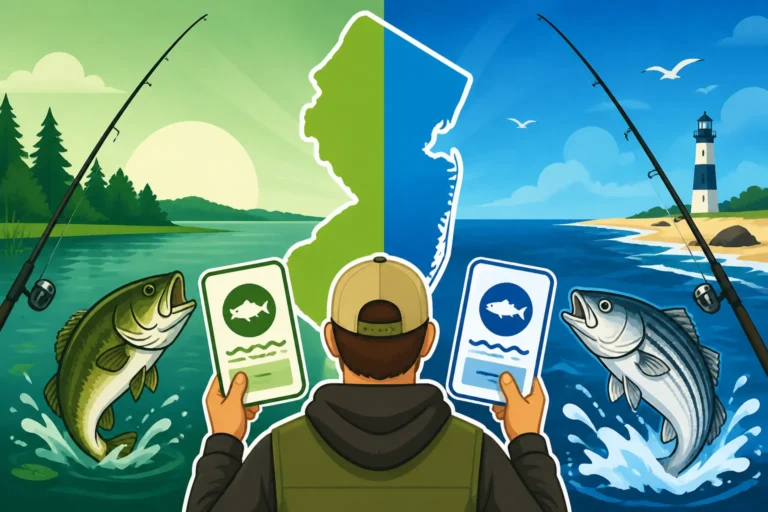
A combination hunting and fishing license, often simply called a "combo license" by seasoned outdoors enthusiasts, is exactly what it sounds like: a single license that grants you the legal privilege to both hunt and fish in New Jersey's designated areas for a specific license year. It's a consolidated permit, recognizing that many individuals participate in both activities. Instead of carrying two distinct pieces of paper or having two separate digital entries, you have one comprehensive license covering both your freshwater fishing and your small game or deer hunting (depending on specific endorsements, which we'll get into). It’s important to remember that this combo license typically covers your basic hunting and fishing privileges; it doesn't automatically include specialized permits like a deer tag, turkey permit, or a New Jersey Trout Stamp Requirements Explained, for example, which are often purchased as additional endorsements.
Think of it as the ultimate streamlined package for the multi-sport outdoors person. It’s designed to be more convenient, and often, more cost-effective than buying two individual licenses. This single document serves as proof that you've met the state's general requirements for both activities. It’s particularly appealing to those who frequent the field and stream regularly throughout the year, removing the hassle of remembering multiple renewal dates or carrying too much documentation.
This approach acknowledges the holistic nature of outdoor recreation. Rather than segregating hunters and anglers into entirely different categories, the state offers a practical solution for those whose love for the wild extends across different seasonal opportunities. It’s about making access easier for those who truly embrace New Jersey's diverse natural resources, from its rich forests to its bountiful waterways.
Who Benefits Most from a Combined License?
The combination license is truly a game-changer for anyone who regularly engages in both hunting and fishing within New Jersey. If your year involves stalking deer in the pinelands during autumn and then casting lines for bass in Lake Hopatcong during the warmer months, this license is tailor-made for you. It simplifies the entire administrative process, allowing you to focus more on your outdoor pursuits and less on bureaucratic hurdles. You won't have to worry about whether your fishing license expired while you were busy checking your hunting season dates, or vice versa.
Consider the family where multiple members participate in both sports. A parent introducing their child to both hunting and fishing might find it easier to manage their own single combo license. It also appeals to individuals who might fish heavily during one part of the year and then transition to hunting as seasons change. For instance, after spending spring catching crappie in Union Lake, you might spend fall hunting upland birds. Having one license simplifies keeping track of your legal standing.
Furthermore, it's often the most economical choice. While we'll delve into specific costs later, the combo license is generally priced lower than buying a separate annual hunting license and an annual fishing license individually. This cost saving, even if modest, can add up, especially when you factor in other necessary purchases like gear, bait, and fuel for your trips. It leaves a little more room in the budget for that new lure or hunting accessory you've been eyeing on Amazon.
The Convenience Factor for the Multi-Sport Enthusiast
Beyond the cost savings, the sheer convenience offered by a combination license is often the primary draw for many outdoors enthusiasts. Imagine not having to remember two separate license numbers or carry two physical cards. In today's digital age, many states, including New Jersey, allow for digital proof of your license on your smartphone. Having one combined digital license means less clutter in your wallet and one less thing to worry about when a conservation officer asks to see your credentials. You can easily retrieve your information, whether you're on a boat in Barnegat Bay or deep in a state forest.
This streamlined approach extends to the purchase and renewal process as well. Instead of going through two separate online transactions or making two distinct visits to a licensed vendor, you complete one transaction for both activities. This can save you valuable time, especially during peak seasons when everyone is rushing to get their licenses in order. For folks who live busy lives, any simplification of administrative tasks is a welcome change. This ease of management truly allows you to spend more time enjoying the beautiful natural landscapes and less time dealing with paperwork.
It's about having peace of mind. Knowing that you're fully covered for both your fishing and hunting activities with a single, easily accessible document removes a layer of potential stress. You can focus on the tranquility of the water or the thrill of the chase, confident that you've fulfilled your legal obligations. This focus on convenience is a huge win for anyone who values their time outdoors and wants to minimize administrative overhead.
Eligibility and Requirements for a Combination License
Just like with individual licenses, there are specific criteria you'll need to meet to be eligible for a combination hunting and fishing license in New Jersey. It's not just a matter of walking in and asking for one; the state wants to ensure that anyone participating in these activities is properly identified, educated, and legally capable. These requirements are in place to promote safety, conservation, and responsible outdoor recreation for everyone.
Residency Proof and Age Considerations
To qualify for a resident combination license, you must first establish your residency in New Jersey. The state has clear guidelines on what constitutes residency for licensing purposes, generally requiring you to live in New Jersey for at least six months prior to applying. This often involves providing documentation such as a New Jersey driver's license, voter registration, or property tax bills. If you're new to the state or unsure about your status, it's always best to check the official New Jersey Fish and Wildlife website or refer to the New Jersey Resident Fishing License Requirements for detailed information. Non-residents can also purchase a combination license, but the fees are typically higher, and they'll still need to meet the hunting education requirements of their home state or New Jersey.
Age is another critical factor. While fishing licenses generally have quite broad age requirements – children often don't need a license until a certain age – hunting licenses have stricter age regulations due to safety concerns. Generally, you must be at least 10 years old to begin hunter education training in New Jersey. For a combination license, the applicant must meet the minimum age requirements for both hunting and fishing, which effectively means meeting the hunting age requirement. Young anglers, for instance, might typically fish without a license up to age 16, but if they want a combo license, they'll need to follow the hunter education path.
It's crucial to understand these age and residency nuances before you head to a vendor or go online to purchase your license. Bringing the correct identification and proof of residency can save you a significant amount of time and frustration. Without proper documentation, the vendor won't be able to process your resident license, and you might find yourself needing to come back another day, delaying your next outdoor excursion. Always double-check the current regulations before you go, as they can sometimes be updated.
Mandatory Hunter Education and Safety Courses
This is perhaps the most significant hurdle for new hunters or those looking to get their first combination license. In New Jersey, as in most states, successful completion of an approved hunter education course is mandatory before you can purchase any hunting license, including a combination license. This isn't just a formality; it's a vital safety measure designed to equip hunters with the knowledge and skills to handle firearms safely, identify game, understand regulations, and practice ethical hunting.
These courses cover a wide range of topics, including firearm safety, hunting ethics, wildlife conservation, field dressing, and basic survival skills. They typically involve both classroom instruction and hands-on training, culminating in a written exam and often a practical shooting proficiency test. New Jersey offers various types of courses, including traditional in-person classes and online options with a required field day. For anyone considering a combination license, particularly if you're new to hunting, researching and enrolling in one of these courses should be your first step.
The good news is that once you've successfully completed a hunter education course, that certification is generally valid for life, or at least for many years, depending on the state. So, it's a one-time investment in safety and knowledge that pays dividends for all your future hunting endeavors. Without proof of this certification, you simply won't be able to obtain the hunting portion of your combination license, regardless of how experienced you are as an angler. This requirement underscores the state's commitment to responsible hunting and ensures that all participants have a foundational understanding of safety protocols.
Essential Documents to Have on Hand
When it comes time to purchase your New Jersey combination hunting and fishing license, whether online or in person, having the right documents readily available will make the process smooth and quick. First and foremost, you'll need a valid form of identification, typically a driver's license or state-issued ID card. This confirms your identity and helps establish residency.
For the hunting portion of the license, you absolutely must have proof of your hunter education certification. This could be your hunter education card number or a certificate from the course you completed. If you're a non-resident who completed hunter education in another state, New Jersey generally recognizes those certifications, but you'll need to provide proof. Without this, the system will not allow the purchase of the hunting component of the combo license. It's non-negotiable.
Additionally, if you've had a New Jersey hunting or fishing license before, having your previous license number can expedite the process, as your information may already be in the system. While not strictly necessary, it can help retrieve your profile and ensure accuracy. Finally, ensure you have your payment method ready. While buying a New Jersey Fishing License Guide for 2026 or a hunting license might seem straightforward, having everything organized beforehand ensures you're not caught off guard by any specific requirements and can get out to the woods or water faster.
Breaking Down the Costs: Combination vs. Separate Licenses
One of the most compelling reasons many outdoors enthusiasts opt for a combination license is the potential for cost savings. While the exact figures can change from year to year, New Jersey typically structures its license fees to offer a discount for those who choose the combined option. It’s the state’s way of rewarding dedicated individuals who partake in multiple forms of outdoor recreation and contribute to wildlife conservation through their license purchases.
Detailed Cost Comparison: Combination vs. Individual Licenses
Let's look at the financial aspect. As of recent years, a resident annual freshwater fishing license typically costs around $22.50. A resident annual hunting license, on the other hand, usually runs about $29.50. If you were to purchase both of these separately, your total outlay would be approximately $52.00. However, a resident annual combination hunting and fishing license is generally priced around $47.00. This represents a saving of about $5.00, which, while not a fortune, is still money back in your pocket that can go towards bait, lures, or even a cup of coffee on your way to your favorite fishing spot or hunting blind.
For non-residents, the savings can be even more pronounced, though their overall license costs are naturally higher. A non-resident annual fishing license might cost around $35.00, and a non-resident annual hunting license could be upwards of $140.00. Purchased separately, that's roughly $175.00. A non-resident combination license, however, typically comes in closer to $160.00, offering a more substantial saving. These figures highlight the economic benefit of choosing the combo option if you plan to do both. You can check the current pricing in the official New Jersey Fish and Wildlife Digest or on their website, as prices are subject to change annually.
This table gives a general idea of how the costs stack up for residents. Please note that these are approximate figures and can change, so always verify current prices before purchasing.
| License Type | Estimated Resident Cost | Estimated Non-Resident Cost | Notes |
|---|---|---|---|
| Annual Freshwater Fishing | $22.50 | $35.00 | Allows fishing in freshwater |
| Annual Hunting | $29.50 | $140.00 | Allows hunting of small game, deer (with tags) |
| Combination H&F | $47.00 | $160.00 | Covers both, offers savings |
| Trout Stamp (Add-on) | $10.50 | $20.00 | Required for trout fishing |
| Saltwater Registry (Add-on) | Free | Free | Required for saltwater fishing, but free |
Where to Purchase Your Combination License
Acquiring your New Jersey combination hunting and fishing license is straightforward, with several convenient options available. The easiest and often quickest method for many is purchasing it online through the New Jersey Division of Fish and Wildlife's official license portal. This allows you to complete the transaction from the comfort of your home, print your license immediately (or save a digital copy to your phone), and be ready to go without any delay. This is particularly convenient if you decide last-minute to hit the woods or the water.
Alternatively, you can purchase your combination license in person from a wide network of authorized license agents throughout the state. These agents include many sporting goods stores, bait and tackle shops, and some general retailers like Walmart. Purchasing in person allows you to ask any questions you might have, and the staff can often help you navigate the process, especially if you're unsure about specific endorsements or requirements. Just make sure to bring all your necessary identification and hunter education proofs. For a full list of vendors, you can often find information on the state's Fish and Wildlife website, or look up "Retailers That Sell New Jersey Fishing Licenses, Including Walmart" for general guidance.
Regardless of where you choose to purchase, the process is generally quite intuitive. You'll input your personal details, your hunter education number, and select the combination license. At the same time, you'll be prompted to purchase any necessary add-ons, like the New Jersey Trout Stamp: Who Needs One if you plan to fish for trout, or complete the New Jersey Saltwater Registry Program Requirements if you intend to fish in marine waters. It's a comprehensive process designed to ensure you're fully covered for all your intended outdoor activities.
Exploring Other Required Endorsements and Stamps
While the combination license covers your basic hunting and freshwater fishing privileges, it's vital to remember that it doesn't automatically grant you permission for all types of hunting or all types of fishing. New Jersey has specific endorsements and stamps that are required for certain activities, and these must be purchased in addition to your combo license. Failing to do so can result in penalties, even if you have a valid basic license.
For anglers, the most common add-on is the Trout Stamp. If you plan to fish for trout in any of the state's designated trout waters, this stamp is mandatory. It's a small additional fee, and the revenue generated directly supports the state's extensive trout stocking program, which ensures healthy populations for anglers. Also, while saltwater fishing generally doesn't require a purchase, you do need to register for the free New Jersey Saltwater Registry Explained. This federal-mandated program (managed by NJ) is crucial for tracking recreational fishing effort in marine waters.
For hunters, the additional requirements are often more numerous. Depending on what you plan to hunt, you'll likely need specific permits or tags. For example, if you're after deer, you'll need to purchase a deer permit for each zone and season you plan to hunt in. Turkey permits are required for turkey seasons, and various waterfowl stamps might be needed for migratory bird hunting. These endorsements ensure that hunting pressure is managed, and wildlife populations remain sustainable. It's essential to consult the current New Jersey Freshwater Fishing Regulations Every Angler Should Know and hunting regulations specific to your target species and area to ensure you have all the necessary stamps and permits before heading out.
Navigating the Specifics of Hunting and Fishing Regulations
Having a combination license is a fantastic step, but it's just the beginning. The license grants you the right to hunt and fish, but it doesn't automatically educate you on the intricacies of the regulations that govern these activities. New Jersey's fish and wildlife laws are designed to manage species populations, ensure fair chase, and promote safety, and they can be quite detailed. Understanding them is paramount to a successful and legal outing.
Beyond the License: Understanding Individual Season and Bag Limits
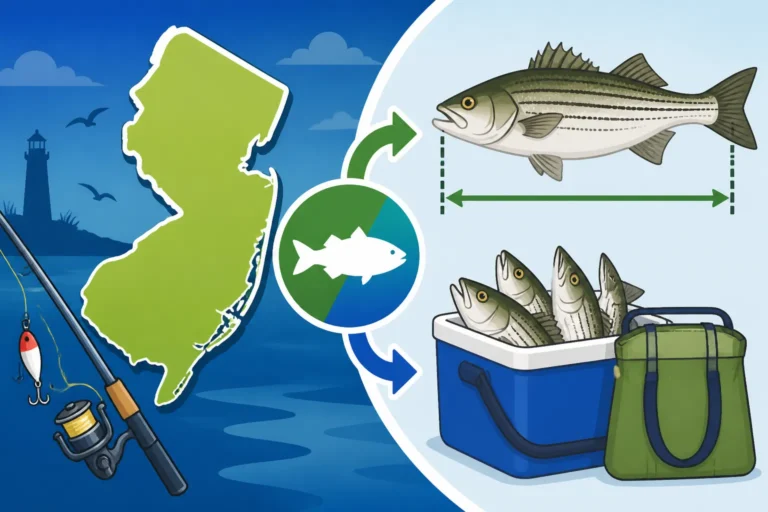
This is where many newcomers, and even some seasoned outdoors enthusiasts, can get tripped up. Your combination license is your entry ticket, but each species of fish or game animal has its own set of rules. For instance, the New Jersey Striped Bass Slot Limit Explained dictates not just how many striped bass you can keep, but also their legal size range, and often, what time of year you can target them. Similarly, for hunting, deer seasons are broken down by weapon (archery, shotgun, muzzleloader) and by specific zones, each with its own bag limits and antler point restrictions.
These regulations are not static; they change from year to year based on scientific data, population assessments, and conservation goals. What was legal last season might not be this season. For example, New Jersey Fluke Size and Bag Limits Explained are often adjusted to manage stock health. It is your responsibility as a license holder to stay informed about these ever-evolving rules. Ignorance of the law is not an excuse, and game wardens are diligent in enforcing these regulations to protect New Jersey's natural resources.
Failing to adhere to season dates, bag limits, or size restrictions can lead to significant penalties. These range from hefty fines to the forfeiture of your gear and, in some cases, the suspension of your hunting and fishing privileges. It’s a serious matter, and the state's conservation police officers take their job of protecting wildlife very seriously. Always take the time to review the current regulations for every species you plan to target before you even leave your driveway.
The Importance of the New Jersey Fish and Wildlife Digest
If you hunt or fish in New Jersey, the New Jersey Fish and Wildlife Digest should be your bible. This comprehensive publication, released annually, contains all the current regulations for both hunting and fishing, including season dates, bag limits, size limits, legal methods of take, and general licensing information. It's published by the New Jersey Division of Fish and Wildlife and is available free of charge online and at license vendors across the state. Think of it as your ultimate reference guide, packed with critical information that can mean the difference between a successful, legal trip and a costly violation.
Many experienced anglers and hunters carry a digital copy on their phones or a printed copy in their tackle box or hunting pack. It’s an invaluable resource for quick look-ups when you're on the water or in the field and need to confirm a specific rule. For instance, if you're debating whether a certain fluke is legal, you can pull up the digest and check the exact New Jersey Fluke Size Limit: 18 Inches. Relying on memory or outdated information can be a costly mistake.
Beyond just the regulations, the digest often includes valuable information about wildlife management areas, public access points, conservation initiatives, and even tips for specific species. Reading the New Jersey Fish and Wildlife Digest thoroughly at the start of each season is not just a recommendation; it’s a necessary ritual for responsible outdoor enthusiasts. It ensures you're up-to-date and helps you contribute to the sustainable management of New Jersey's fish and wildlife populations.
Reciprocity with Neighboring States for Shared Waters
New Jersey shares several bodies of water with neighboring states, most notably the Delaware River with Pennsylvania and parts of the Delaware Bay with Delaware. This often leads to questions about license reciprocity: "Do I need two licenses to fish the Delaware River between New Jersey and Pennsylvania?" The answer, unfortunately, is rarely a simple "no," but there are specific agreements in place that anglers need to be aware of.
For certain stretches of shared waters, specific reciprocal agreements exist. For example, on certain portions of the Delaware River, a valid fishing license from either New Jersey or Pennsylvania may allow you to fish the entire river. However, these agreements usually have strict geographical boundaries and specific conditions. They typically do not extend to hunting licenses or other bodies of water. Always verify the specific rules for the exact section of water you plan to fish. You can find detailed information on New Jersey Fishing License Validity in Delaware Bay Waters or New Jersey Reciprocal Fishing Waters With Pennsylvania.
It’s crucial to understand that these reciprocity agreements are exceptions, not the rule. If you plan to fish or hunt in another state, even if it's just across a river, you should generally assume you need that state's license unless you have definitive, current information to the contrary. Ignoring these rules can lead to significant trouble with conservation officers from either state. When in doubt, it's always safer, and certainly less stressful, to purchase the appropriate license for the state you'll be in.
Renewing and Managing Your Combination License
Once you've navigated the initial purchase of your New Jersey combination hunting and fishing license, the next step is understanding how to keep it current. Just like any other annual permit, these licenses have expiration dates, and staying on top of renewals is crucial to ensure uninterrupted access to your beloved outdoor activities. Nobody wants to be caught off guard mid-season, risking penalties because a license lapsed.
When Does Your New Jersey Combination License Expire?
A common frustration for many outdoors enthusiasts is keeping track of license expiration dates, especially if they're used to different renewal cycles for different states or types of licenses. For New Jersey, the annual combination hunting and fishing license, along with most other annual hunting and fishing licenses, typically runs on a fiscal year. This means they are usually valid from January 1st through December 31st of the year for which they are issued. So, if you bought a 2026 license, it would be valid for the entire calendar year of 2026.
This consistent annual expiration date simplifies things considerably compared to, say, a license that expires exactly one year from the purchase date. With the New Jersey system, you know that at the beginning of each calendar year, it's time to renew. This makes it easier to plan and budget for your outdoor expenses. However, even with this consistency, it's always a good practice to check the printed date on your physical or digital license, as sometimes specific youth or temporary licenses may have different valid periods. You can always refer to New Jersey Fishing License Renewal Rules for general guidance, which apply equally to combo licenses.
Planning your renewal early can save you from a last-minute scramble, especially if you want to hit the water or woods right at the start of a new season. Many dedicated anglers and hunters will renew their licenses in December or early January, making sure they are covered for any early-season opportunities. This proactive approach ensures you're always legal and never miss out on that crucial first day of trout season or an early archery hunt.
Online Renewal and Digital Proof of License
In today's digital age, renewing your New Jersey combination license is incredibly convenient, largely thanks to the state's online licensing system. You can easily access the New Jersey Division of Fish and Wildlife's website, log into your account, and proceed with the renewal process in just a few clicks. This means no more trips to a physical vendor if you prefer to handle things from your home computer or even your smartphone. The system often remembers your previous purchases, making the process even quicker the second time around.
Once renewed online, you'll typically have the option to print a physical copy of your new license immediately, or, perhaps even more conveniently, save a digital copy to your mobile device. New Jersey officially recognizes digital proof of your fishing and hunting licenses on your phone, which is a huge benefit for those who prefer to go paperless. This means one less item to worry about losing in the field or getting wet on the water. Just make sure your phone is charged!
This ease of online renewal and digital access drastically simplifies the management of your license. It reduces the chances of misplacing your physical card and ensures that you always have proof of your legal status readily available. Just like browsing for the perfect new tackle box or hunting blind on Amazon, managing your license online has become a seamless part of the modern outdoor experience.
What Happens if You Let Your License Lapse?
Letting your combination hunting and fishing license lapse, even unintentionally, can have immediate and serious consequences. If you are caught actively fishing or hunting without a current, valid license, you are subject to penalties. Conservation police officers frequently patrol New Jersey's waterways, forests, and wildlife management areas, and they are authorized to check licenses at any time.
The penalties for fishing or hunting without a license in New Jersey can vary depending on the specific circumstances and whether it's a first offense or a repeat violation. Typically, you're looking at fines that can range from a few hundred dollars, and potentially even more significant amounts. In some cases, your fishing and hunting equipment could be confiscated. Repeat offenders, or those involved in more egregious violations, might even face suspension of their future hunting and fishing privileges in the state for a period of time. This is a situation nobody wants to be in, and it's easily avoidable by simply keeping track of your renewal dates. What Happens If You Get Caught Fishing Without a License in New Jersey? can provide further insight into these consequences.
It's a stark reminder that while the combination license offers convenience and savings, it also comes with the responsibility of diligent management. Setting a reminder on your phone or marking your calendar for early December each year to renew your license is a small effort that can prevent a major headache and keep you enjoying the outdoors legally and responsibly.
Disclaimer
Please be aware that while this guide provides comprehensive information, fishing and hunting regulations in New Jersey are subject to change. It is always the angler's and hunter's responsibility to consult the most current official New Jersey Fish and Wildlife Digest or visit the New Jersey Division of Fish and Wildlife website for the latest rules, regulations, and licensing requirements before engaging in any outdoor activities. This content is for informational purposes only and should not be considered legal advice.