What Happens If You Get Caught Fishing Without a License in New Jersey?
Let's be honest, the thought of getting caught doing something wrong, especially when you're just trying to enjoy a peaceful day of fishing, can really put a damper on things. No one wants to face a stern Conservation Police Officer (CPO) and a potential penalty just because they missed a small detail or weren't aware of a specific regulation. This guide will walk you through exactly what happens if you're found fishing in New Jersey without the proper license or registration, helping you understand the process and, more importantly, how to avoid it altogether.
The Immediate Consequences: What Happens During a Stop?
It's a beautiful day, you've got your line in the water, maybe a bite or two, and then you see it – a New Jersey Fish and Wildlife vehicle, or perhaps a boat approaching. Your heart might do a little flutter. This is often how a check begins. It's not usually a dramatic chase scene, but a routine inspection designed to ensure everyone is playing by the rules. Knowing what to expect can make the encounter far less stressful.
The Initial Encounter with a Conservation Police Officer
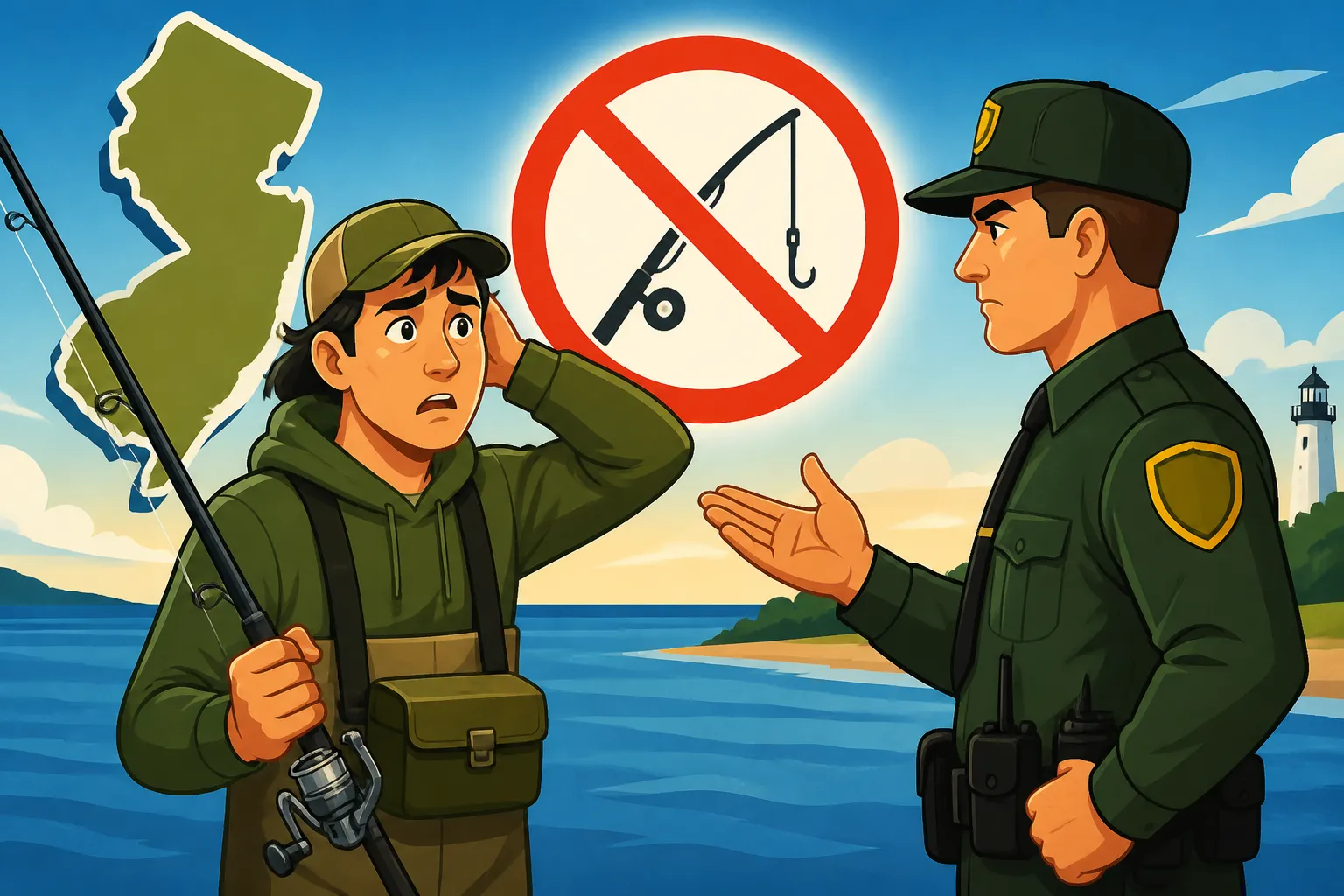
When a CPO approaches, whether you're on the shore of Lake Hopatcong, drifting in Barnegat Bay, or casting into a trout stream, they have the authority to ask to see your fishing license and any other required documentation. It's not personal; it's part of their job to protect New Jersey's natural resources and ensure fair play for all anglers. They'll typically identify themselves and state the purpose of their stop. Your best bet is to be cooperative and polite. Remember, they're often out there to educate as much as enforce. They might ask where you're from, what you're fishing for, and if you've had any luck. This is standard procedure.
It’s crucial to understand that their request for identification is entirely legitimate. If you refuse to identify yourself, things can escalate quickly and unnecessarily. They need to verify who you are to check your licensing status. This isn't just about fishing licenses; it's about making sure you're legally allowed to be doing what you're doing. A little courtesy goes a long way in these situations.
Verifying Your License Status and ID
Once you've presented your ID, the CPO will typically use a handheld device or radio to check your license status with the New Jersey Division of Fish and Wildlife database. This is a quick process these days, especially with digital licensing. If you have your license printed out or saved on your phone, even better! But if you don't, they can usually verify it using your personal information. This is why having proper identification, like a driver's license, is so important.
If you genuinely forgot your physical license at home but you do have one, often a CPO can look it up and confirm its validity. However, legally, you are required to Carrying Proof of Your New Jersey Fishing License while engaged in fishing activities. Relying on them to look it up isn't a guarantee against a potential summons, especially if there are other issues or if their equipment isn't cooperating. It's always best practice to have it readily available, either a physical copy in your tackle box or a digital version on your phone.
Things get complicated if you don't have a license at all. If the database check comes back negative, or if you simply never purchased one, that's when the situation shifts from a routine check to a compliance issue. This is where the consequences begin to unfold, moving past a friendly chat into a more formal process.
The Summons: Receiving Your Ticket
If it's determined that you are indeed fishing without the required license or, for saltwater anglers, without being properly registered with the New Jersey Saltwater Registry Explained, the CPO will issue you a summons. This is essentially a ticket, much like a traffic ticket, but it's for a violation of New Jersey's fish and wildlife laws.
The summons will detail the specific offense, the date, time, and location, and usually indicate a court date or instructions on how to pay the fine. It's important to read it carefully. Sometimes, depending on the severity and whether it's your first offense, a CPO might issue a warning, but this is entirely at their discretion and should not be expected. More often than not, especially for a clear violation like fishing without a license, a summons is issued. You'll be asked to sign it, acknowledging receipt. Signing it isn't an admission of guilt, merely confirmation that you received the document. Refusing to sign can lead to further complications, including potential arrest.
Understanding the Fines and Penalties
Receiving a summons is just the first step. The real consequences involve the fines and potential additional penalties that come with violating fishing regulations. These aren't just minor inconveniences; they can be costly and impact your ability to fish in the future.
How Much Will It Cost You?
The financial penalty for fishing without a license in New Jersey can vary, but it's generally a pretty hefty sum for a first offense. While specific fines are set by local courts and can change, expect to face a minimum fine of $200 for a first offense. This is significantly more expensive than the cost of an annual fishing license, making the "risk it" strategy a very poor financial decision.
For example, a basic resident all-around fishing license is far less than that penalty. If you compare the cost of, say, a New Jersey Resident Fishing License Cost 2026 to a $200+ fine, it's clear which option is more economical. Subsequent offenses can see these fines increase substantially, often ranging from $500 to $1,000 or more, plus court costs and administrative fees. Think about it: that money could have been spent on new lures from Amazon, a fishing trip with friends, or even a nice meal after a successful day on the water, rather than going towards a penalty.
Beyond the baseline fine, there could be additional charges if other violations were observed. For instance, if you also happened to be fishing during a closed season, keeping undersized fish, or exceeding bag limits, those would stack up as separate offenses, each carrying its own fine. This is why it’s so important to be familiar with all New Jersey Freshwater Fishing Regulations Every Angler Should Know and How Bag and Size Limits Work in New Jersey.
Potential Additional Penalties Beyond the Fine
While the monetary fine is usually the most immediate concern, fishing without a license can lead to other, more severe penalties. One of the most significant is the potential for loss of fishing privileges. This means your right to fish in New Jersey, and sometimes even in reciprocal states, can be suspended for a period of time. This can range from one year for a first offense to permanently for repeat, serious violations. Imagine having your favorite pastime taken away, all because you didn't buy a $22.50 license.
In some cases, particularly if there are other accompanying violations like poaching or egregious disregard for regulations, the CPO may also confiscate your fishing equipment. This could include your rod, reel, tackle box, and even your boat if it was used in the commission of the offense. While this is less common for a simple "no license" violation, it's a possibility that underscores the seriousness with which these laws are taken. It's not just about a fine; it's about the state asserting its authority to protect its natural resources.
Furthermore, a conviction for fishing without a license becomes part of your record. While it's typically a minor offense, it's still a legal mark against your name. If you're ever in a situation where you need to prove you're a responsible individual (e.g., applying for certain jobs, licenses, or even professional certifications), a history of violating state laws could potentially be a negative factor. It's not a criminal record in the traditional sense, but it is a legal record.
The Impact on Future Fishing Privileges
The suspension of fishing privileges is perhaps the most frustrating long-term consequence for avid anglers. It's not just about paying a fine and moving on; it's about being unable to enjoy the very activity you love. When your privileges are suspended, you cannot purchase a new license during that period, and if caught fishing during a suspension, the penalties become significantly more severe, escalating rapidly to higher fines, longer suspensions, and potential jail time.
This isn't just limited to New Jersey, either. Through interstate agreements, a suspension in New Jersey could potentially affect your ability to get a fishing license in neighboring states like Pennsylvania or New York. Imagine planning a fishing trip to the Delaware River, only to find out you can't fish the New Jersey side or even parts of the river due to a past violation. This is a very real possibility. The reciprocal nature of these regulations means that an infraction here can have a ripple effect on your fishing activities elsewhere.
It's a stark reminder that these regulations are in place for a reason: to manage fish populations, fund conservation efforts, and ensure sustainable fishing for everyone. The small cost of a license directly contributes to these programs. Being part of the solution by being licensed is far more rewarding than facing the consequences of being part of the problem.
| Violation Type | Typical First Offense Fine (Approx.) | Potential Additional Penalties |
|---|---|---|
| Fishing Without a License | $200 – $500 | License suspension (1+ year), court costs |
| Fishing Without Saltwater Registry | $100 – $300 | None directly, but may accompany other fines |
| No Trout Stamp (if required) | $100 – $200 | None directly, but may accompany other fines |
| Exceeding Bag Limits | $250 – $1,000+ per fish | License suspension, equipment confiscation, restitution |
| Keeping Undersized Fish | $250 – $1,000+ per fish | License suspension, equipment confiscation, restitution |
| Fishing During Closed Season | $300 – $1,000+ | License suspension, equipment confiscation |
Note: These figures are approximations and can vary based on municipality, judicial discretion, and specific statutes. Court costs and administrative fees are typically added.
Avoiding the Trouble: Ensuring You're Always Legal
The good news is that avoiding these penalties is incredibly easy! A little bit of proactive planning and understanding of the rules will ensure your fishing trips are always enjoyable and worry-free.
Where to Easily Get Your New Jersey Fishing License
Getting your New Jersey fishing license is simpler than ever. The most convenient way for most people is to purchase it online through the New Jersey Division of Fish and Wildlife's official website. This allows you to buy it from the comfort of your home, print it out immediately, or save a digital copy to your phone. It’s a seamless process that takes just a few minutes. If you're an early bird planning a dawn fishing trip, you can even buy it at 2 AM!
Beyond online purchases, there are numerous authorized license agents throughout the state. These include bait and tackle shops, sporting goods stores like Dick's Sporting Goods, and even some large retailers such as Walmart. Just remember, these locations often have specific operating hours, so plan accordingly. If you prefer the tactile feel of a physical license and like supporting local businesses, a trip to your favorite tackle shop is a great way to go. They can also offer up-to-date local advice, which is a bonus! For a comprehensive guide on where to purchase your license, check out our article on Where and How to Buy a New Jersey Fishing License.
Remember, most licenses are valid for the calendar year, expiring on December 31st, regardless of when you purchased it. So, if you buy your license in July, it still expires at the end of that year, not the following July. Plan to renew early in the year to avoid any last-minute rushes or forgotten renewals. Also, don't forget that if you plan on fishing for trout, you'll likely need a separate New Jersey Trout Stamp Requirements Explained in addition to your regular fishing license.
Keeping Proof on Hand: Digital vs. Physical
Once you have your license, keeping proof of it readily accessible is paramount. While some states are more flexible, New Jersey law generally requires you to have your license on your person while fishing. This means either a physical printout or a digital copy on your smartphone. Both are generally accepted, but having a backup is always a smart move.
A laminated physical copy kept in your wallet or tackle box is ideal, as it protects against water damage and dead phone batteries. For those who prefer digital, saving a screenshot of your license or having it readily available in an email or a dedicated app is perfectly acceptable. Just make sure your phone is charged! Nothing is worse than needing to show proof and your battery dying right at that moment. Many anglers will keep a spare physical copy in their car or boat, just in case. It's like having a spare key, a small effort that can save a lot of hassle. Even when browsing fishing gear on Amazon, consider adding a waterproof pouch for your license and ID to your cart.
Double-Checking Exemptions and Special Cases
While most people need a license, there are a few specific exemptions and special cases in New Jersey. For example, individuals under the age of 16 are generally not required to have a fishing license, though they must still adhere to all other regulations like bag and size limits. Similarly, residents who are 70 years of age or older also typically do not need a license. However, they must still carry proof of age and residency, such as a driver's license, while fishing. It's not a free pass, just a different form of identification required. For detailed information on this, you can look up articles like Do Seniors Need a Fishing License in New Jersey?.
Another important exemption to be aware of are New Jersey's designated New Jersey Free Fishing Days Explained. On these specific days each year, residents and non-residents alike can fish in freshwater public waters without a license. It's a fantastic opportunity for beginners to try fishing or for families to enjoy a day out without the initial cost of a license. However, these days are limited, and all other fishing regulations still apply.
It's also worth noting that if you're fishing on a licensed charter or party boat, the vessel's blanket license generally covers all passengers for recreational fishing. However, it's always wise to confirm this with the captain or booking agent before your trip. When in doubt, always err on the side of caution and either purchase a license or double-check the specific rules for your situation. The New Jersey Fish and Wildlife Digest is an excellent resource for staying up-to-date on all regulations and exemptions, available online or often in print at local bait shops.
Disclaimer
The information provided in this article is for general guidance only and does not constitute legal advice. Fishing regulations in New Jersey can change, and interpretations may vary. Always consult the official New Jersey Department of Environmental Protection, Division of Fish and Wildlife website, or the current Fish and Wildlife Digest for the most accurate and up-to-date regulations before engaging in any fishing activities. Compliance with all applicable laws is the responsibility of the individual angler.